
PATIENT-CENTERED CARE: STILL LOOKING FOR THE CENTER
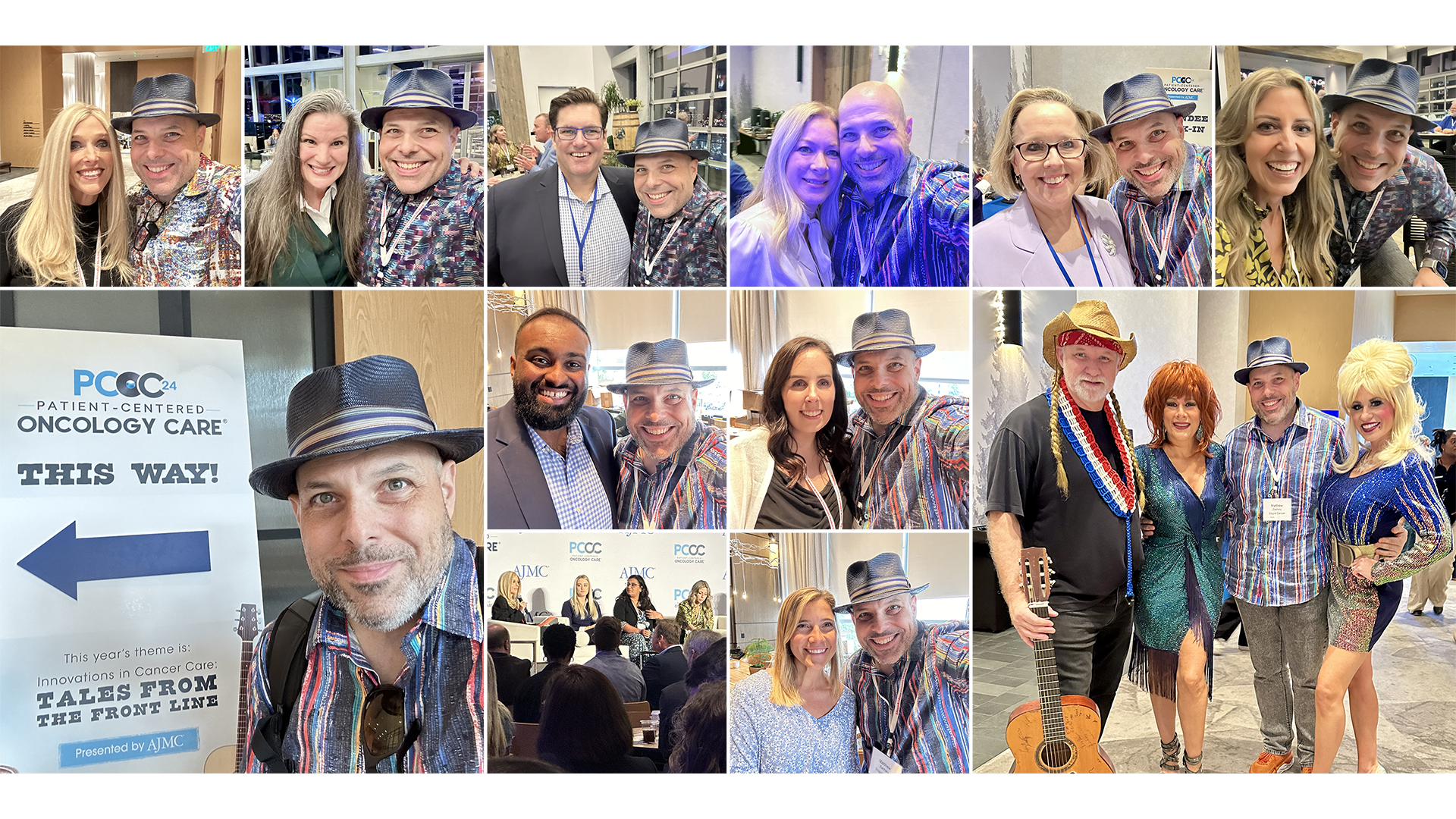
I had the absolute privilege of keynoting this year's 2024 PCOC Patient-Centered Oncology Care conference in Nashville. It's always a thrill to hang out with OG BFFs while meeting a ton of new folks from across our sector. The vibe was exactly what you'd expect from Nashville, and the organizers from MJH Leadership pulled off a stellar event.
The holy trinity photo of me with Willie, Reba, and Dolly was icing on the cake and a soon-to-be-published Instagram reel.
The 2024 Patient-Centered Oncology Care conference expertly tackled vital themes like patient engagement, innovative care models, and the role of managed care in improving outcomes.
It wasn't just another echo chamber—it was a gathering of industry experts, payers, advocates, and clinicians, all driven to make the healthcare experience suck a little less for those thrust into its labyrinth.
I left hopeful yet realistic, recognizing that while the moral arc of healthcare advocacy is slow, this event proved its bending toward something better, however incremental the progress.
With that, a huge congratulations to the team who put in their dues to bring this to life for our community.

A FEW MORE THINGS
Patient-centered care is one of those jargon words that gives patient advocates indigestion. From our side of the hospital bed, it tends to mean a whole lot of nothing. I mean, who else would care be centered around?
Santa Claus? The Easter Bunny? David Hasselhoff?
When you're designing a car, should it be "rear-passenger-centered engineering"? No. And yet, in healthcare, we find ourselves asking the same question repeatedly: If it's not about us, then who's it for?
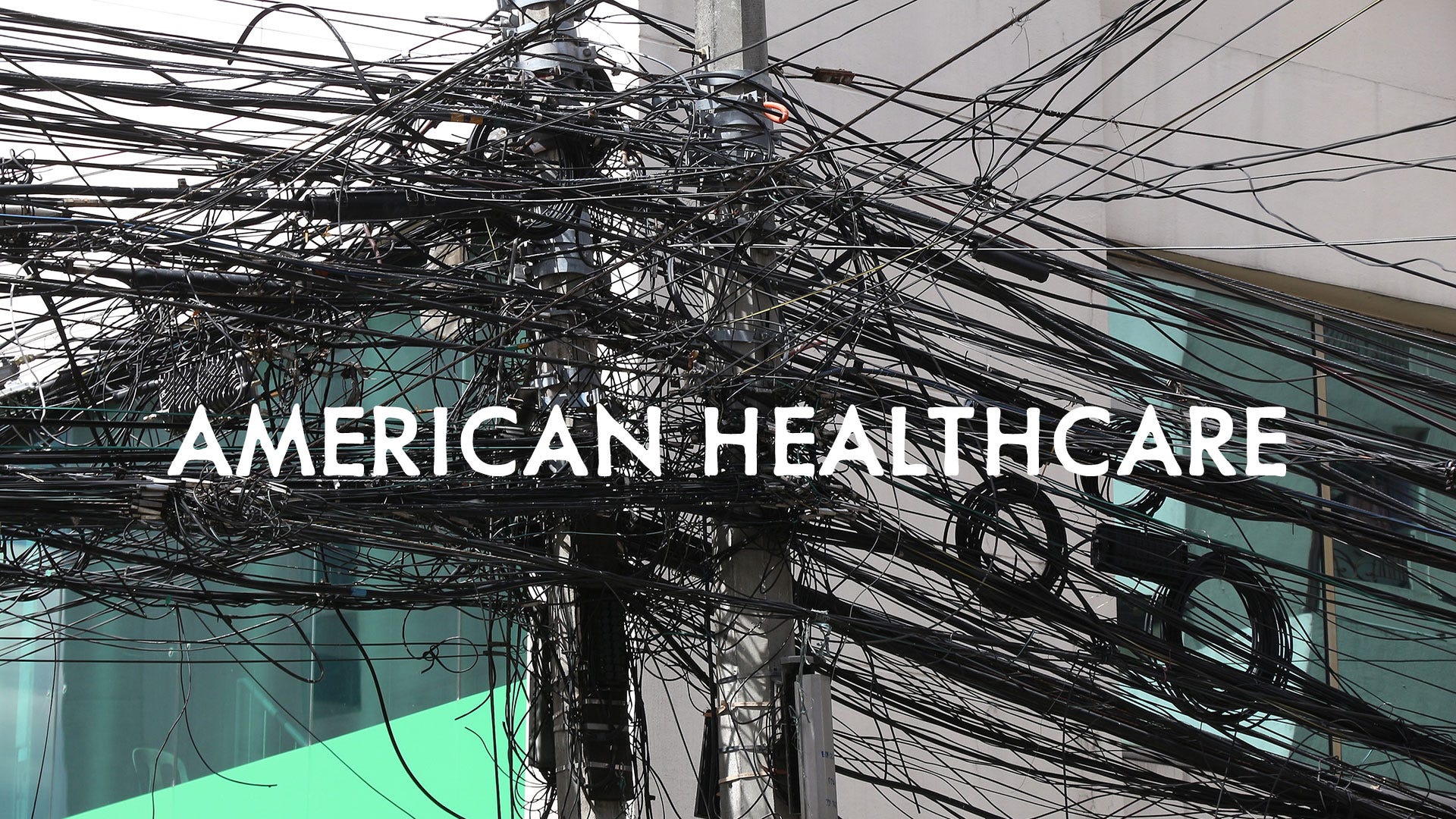
IMHO, the American healthcare system treats patients as anything but the "center." It's a system where the patient—the one actually dealing with BS, mind you—is often the least informed, least empowered, and indeed the least in control.
IT'S A FEATURE, NOT A BUG
Patients don't enter the healthcare ecosystem because we want to.
No one wakes up thinking, "Today's a great day to deal with insurance claim rejections or to navigate a maze of referrals!" Yet, here we are—unwilling participants in a game where someone else decides the rules, the treatments, and (let's not forget) the bill.
A bill that, unlike retail, comes with no price tags. Think of it like shopping at a store where nothing has a price label, but you're still expected to pay whatever someone rings up after you've already used it.
The concept of patient-centered care should, at its core, fix this. But does it? Not often. You see, there's an identity crisis at play. Are we patients? Customers? Consumers? End users?
Are the doctors and hospitals the real "end users"? These are the questions that keep me up at night—or would if I weren't already sleepless from existential dread.

DOES MANAGED CARE MAKE IT LESS MESSY?
For cancer patients, it's a bureaucratic hydra.
Lose one head, and two more prior authorization forms appear in its place. But when it's done right (and trust me, "right" is the rarest Pokémon in the healthcare system), it can save lives and money. Managed care has the potential to simplify the chaos. At least, that's the hope.
Groups like the National Coalition for Cancer Survivorship, for one, have been grinding away for years to make the system suck less.
It's like pushing a boulder up a hill, only to realize halfway through that the boulder is made of paperwork and the hill is a never-ending mountain of insurance denials.
But if there's a bright spot, it's this: advocacy is making strides, albeit baby steps, in connecting managed care with patients' rights to access, equity, and shared decision-making. And not to be dramatic, but these things are kind of important if we want patients to survive *and* thrive.

ADVOCACY IS A LONG GAME
As highlighted in the AJMC piece, "The Long Arc of Advocacy to Improve the Lives of Patients with Cancer," advocacy in cancer care has come a long way, but the work is far from over.
Efforts to push for policies like the Cancer Survivorship Act have laid a foundation, but they haven't solved the fundamental issue of the power imbalance between patients and the system.
I've called for a redefinition of the patient-provider relationship, especially as we grow increasingly anthropologically entangled as a culture in what Jane Sarasohn Khan expertly discusses in her book "Health Consuming - From Health Consumer to Health Citizen."
My call to challenge the status quo of healthcare relationships is a rallying cry that should resonate with all of us who've been there, done that, and got the scars (and medical bills) to prove it.
Patients are somehow magically expected to trust a system that barely acknowledges their humanity, let alone their individual needs. After decades of trying to get us a seat at the table, our efforts, with exceptions, have fallen on deaf ears.
Patient-centered care should not be a passive exercise in checking boxes—it must actively involve us in decisions that shape our outcomes.

STRANGE BEDFELLOWS
Enter patient navigators and board-certified patient advocates: the lifeline we didn't know we needed. They bridge the gap between managed care and patient-centered care, though sometimes it feels like they're duct-taping the system together with hope and good intentions. (Just like McGuyver, except different.)
WRAPPING UP
In the spirit of "progress," I'm happy to see advocacy groups and managed care collaborating because patients deserve to know what's out there, what's available, and what decisions they can actually make—before the fine print blindsides them.
We're in this for the long haul, not just for today's patients but for future generations who, hopefully, won't have to jump through as many hoops as we have. Because ultimately, patient-centered care should be more than a buzzword. It should be the bare minimum.