
Out of Patients
with Matthew Zachary
Welcome to 2026: The Year of the Patient where the sick shall inherit the ballot.
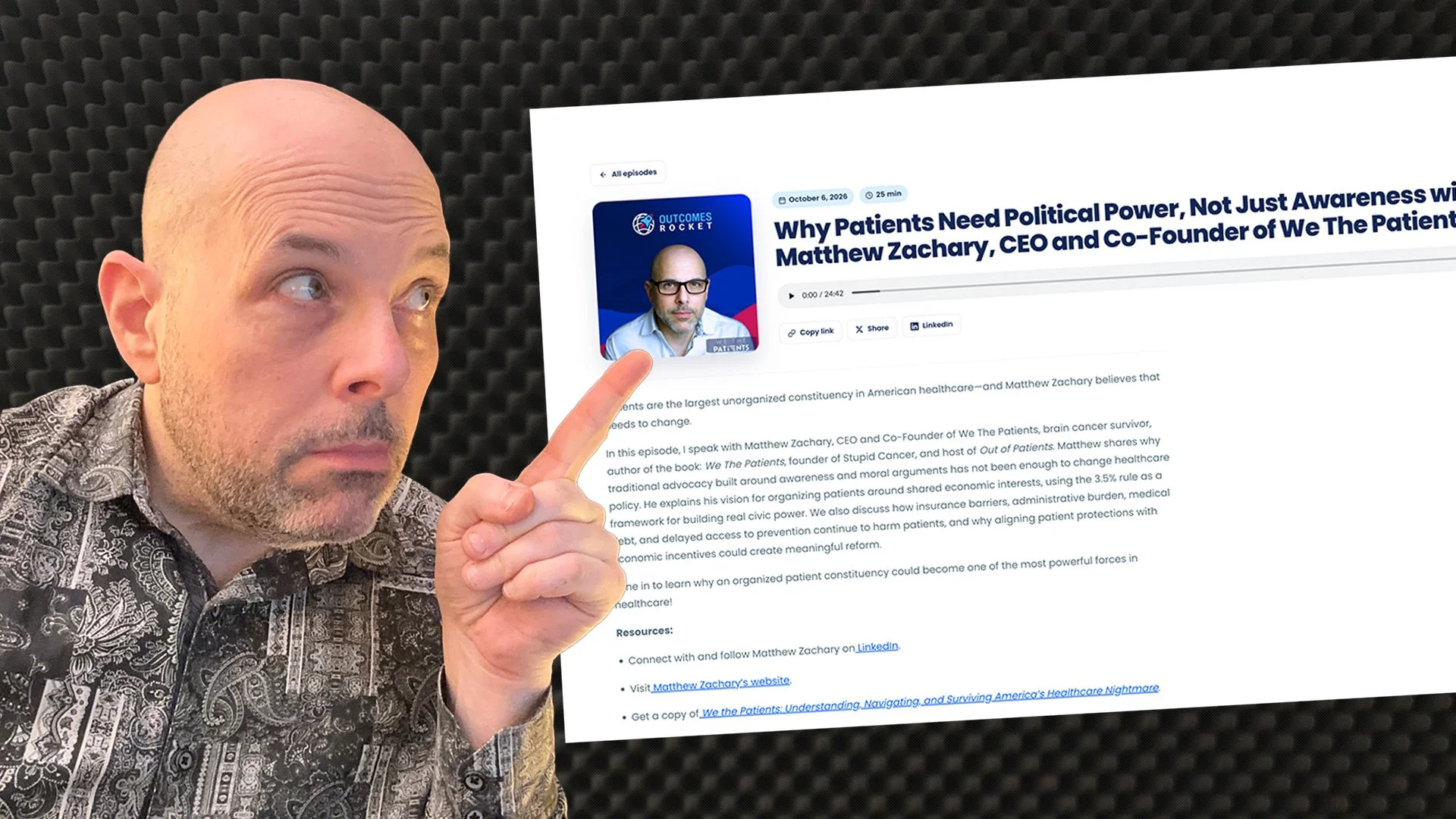
Prevention Is Being Prevented
Patients and healthcare innovators may be fighting opposite sides of the same locked door. What that reveals about access, incentives, advocacy and the case for patient political power.

The Y-Chromosome Patient at the Women’s Health IT Conference
I spent 3 days at a conference for women in Health IT despite lacking the professional credentials and approximately half the necessary chromosomes. I came home thinking differently about healthcare insiders, patient communities, and one surprisingly consequential pronoun.
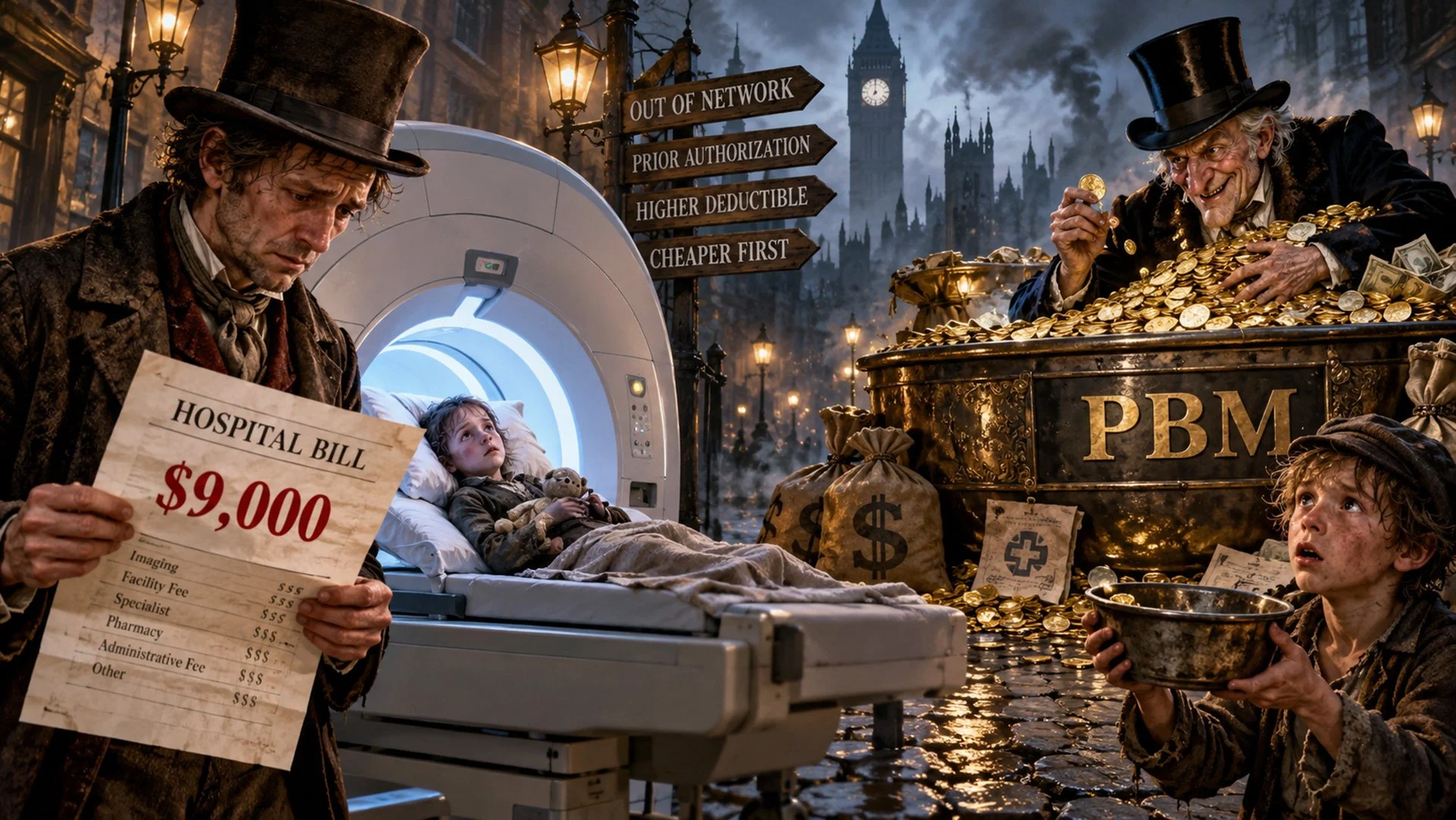
Charles Dickens Would Have Loved American Healthcare
Modern medicine can do things Charles Dickens could barely imagine. American healthcare then wraps those miracles in bureaucracy he would recognize immediately. Tiny Tim, Oliver Twist, Scrooge, and Bleak House enter the patient portal.
Doctors and Patients Have Identified the Problem: American Healthcare
Doctors and patients were never opposing teams. They’re the 2 people healthcare was built around. So how did we create a system where both can sit in the same exam room feeling powerless while everyone else apparently has a login?
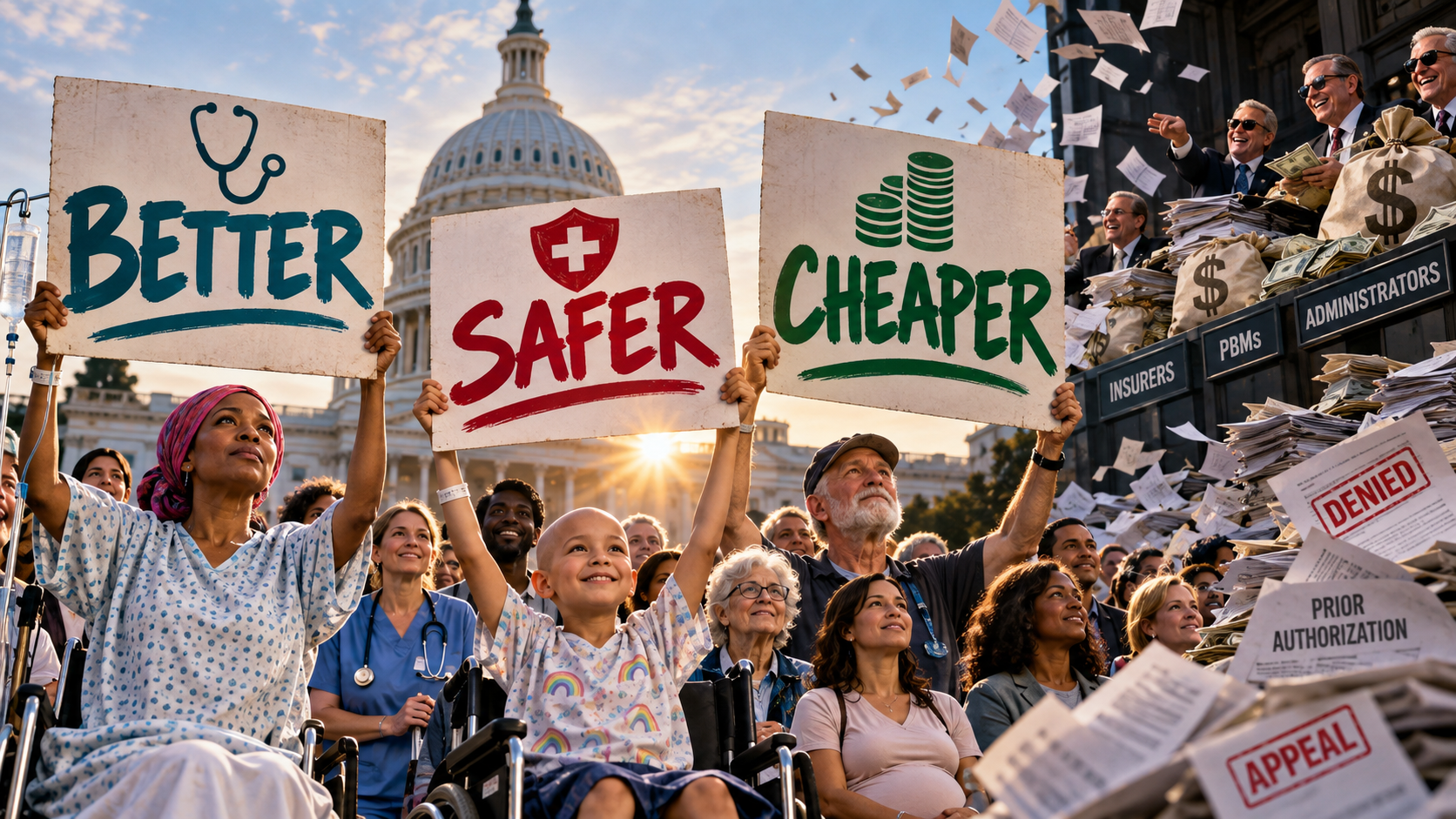
Better Health Care Isn’t Charity. It’s Cheaper.
Patients aren’t the only ones paying for American healthcare dysfunction. Employers, hospitals, physicians and manufacturers lose billions to denials, prior authorization and administrative friction. Better healthcare may also be cheaper.
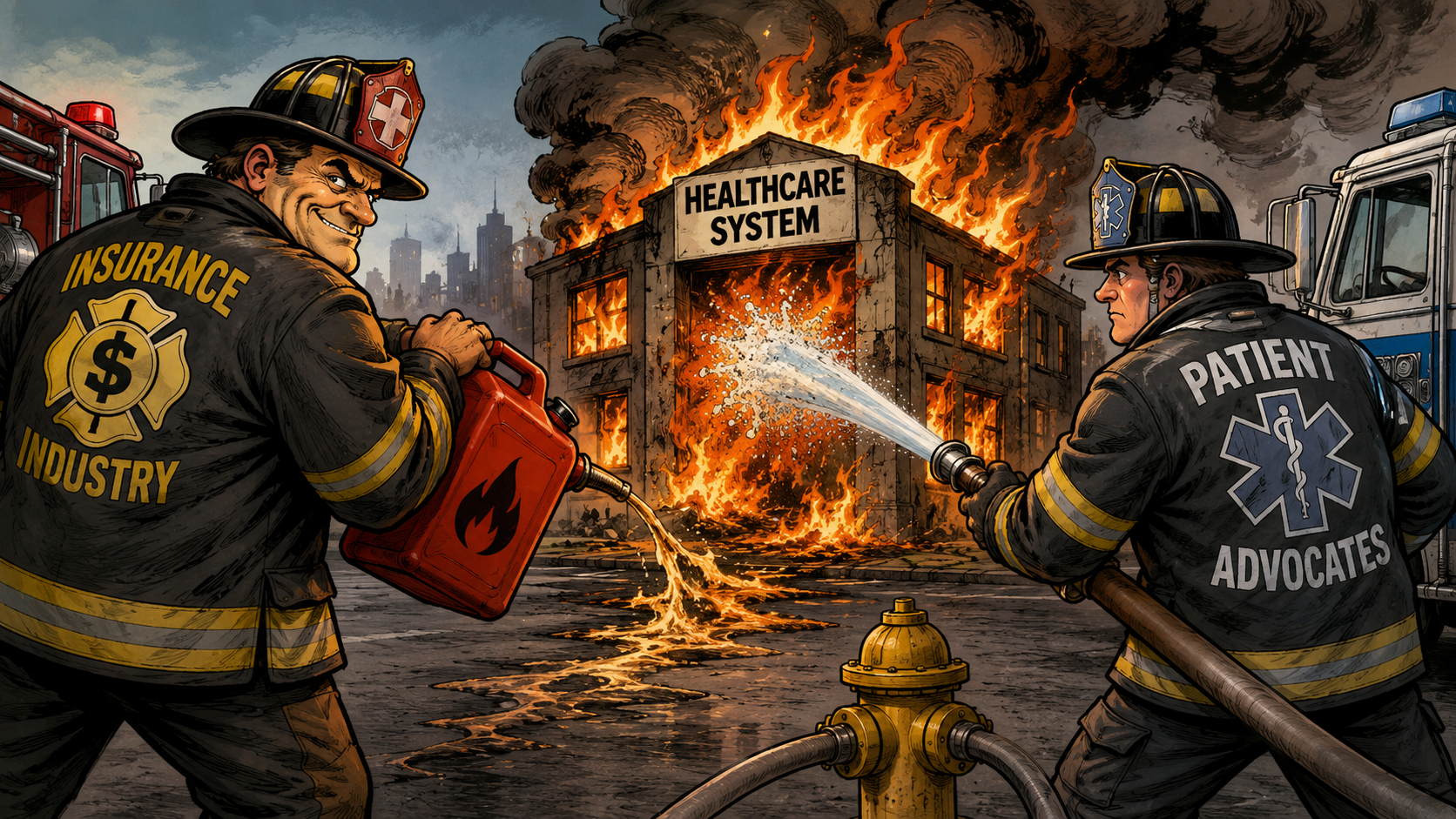
America’s Newest Healthcare Industry Is Protecting Us From American Healthcare
American healthcare has spawned a multibillion-dollar navigation industry to help patients use the care they already pay for. Advocates solve real problems. The stranger question is why the system creates so much demand for them.
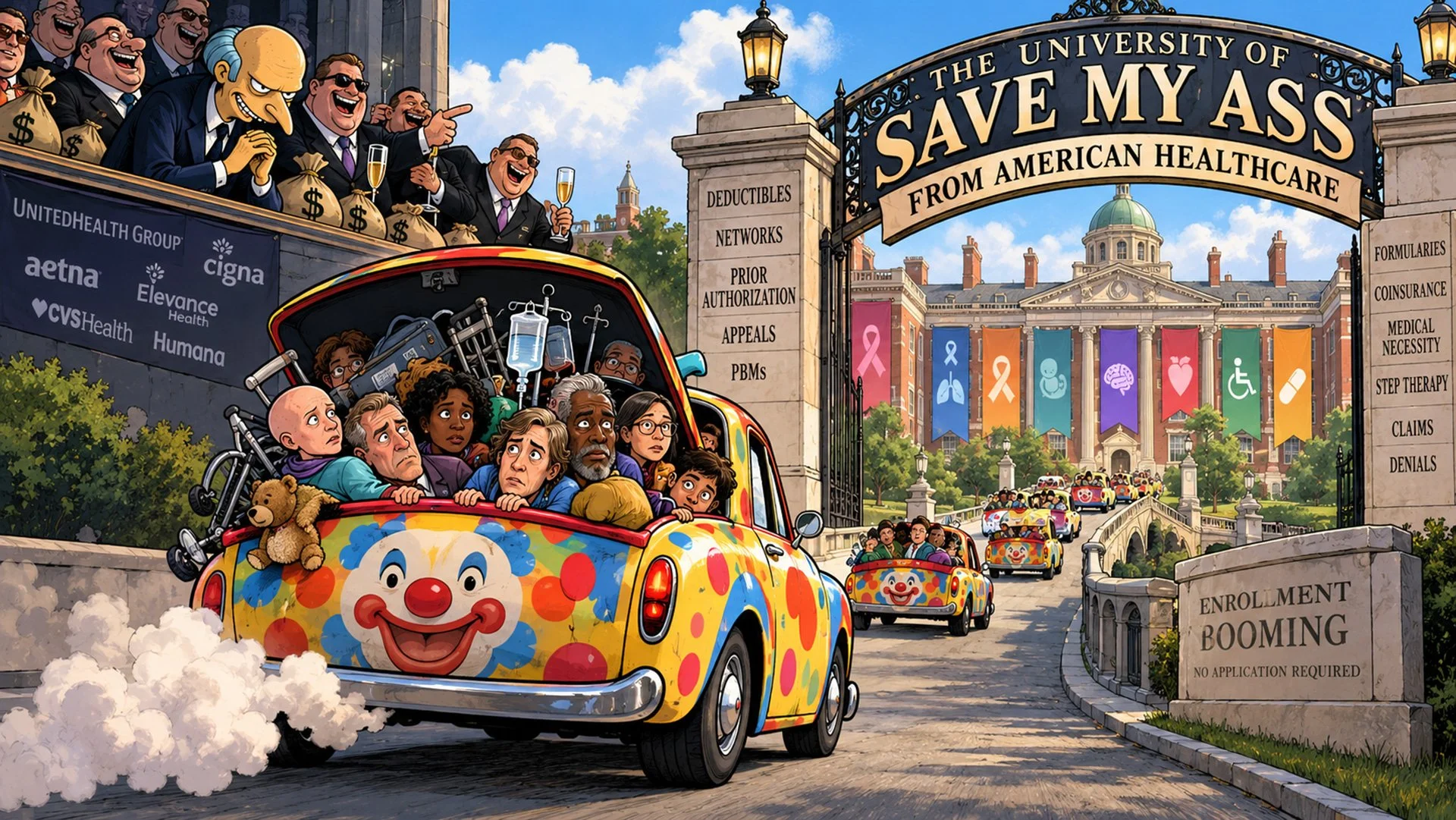
The University of Save My Ass From American Healthcare
American healthcare has spent decades teaching patients to become better mechanics instead of fixing the machine. We learn deductibles, networks, prior authorization, appeals and PBMs because something went wrong. When did surviving the healthcare system become the patient’s responsibility?
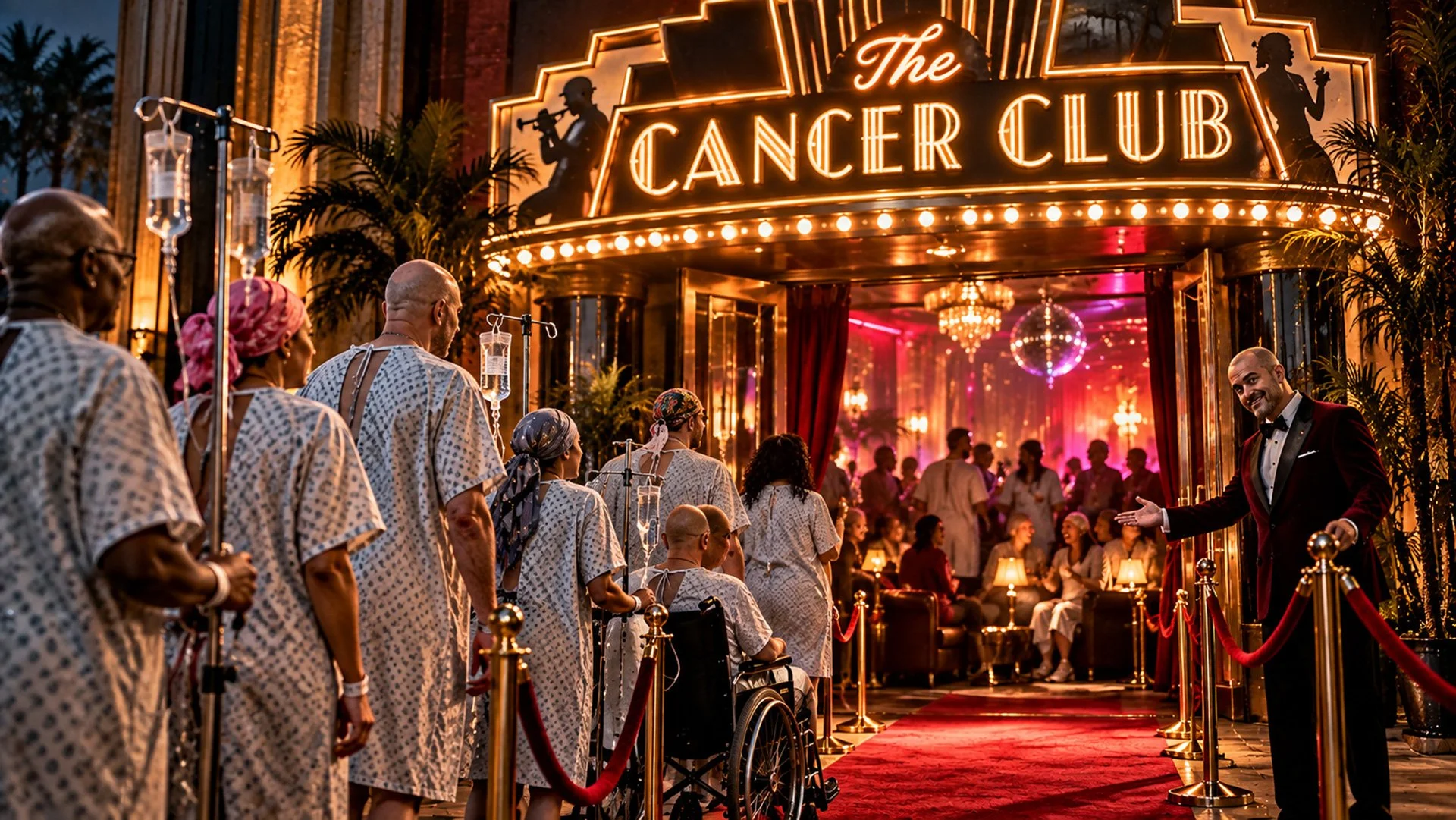
How Do You Create Demand for Something Nobody Wants?
For 20 years, I’ve built healthcare brands for markets nobody wants to need. From Stupid Cancer to We the Patients, I’ve learned that the hardest part isn’t creating demand. It’s giving people a way to recognize something that was already there.
![[ICYMI] Your Denial Doesn’t Have to Be Correct. It Just Has to Exhaust You.](https://images.squarespace-cdn.com/content/v1/695180f1fb7a0c3ff10aae14/1790193640835-L6UWIXWRR0FBWHSJFOMR/UHC_LI.jpg)
[ICYMI] Your Denial Doesn’t Have to Be Correct. It Just Has to Exhaust You.
A lawsuit involving UnitedHealth Group alleges more than 90% of certain claim denials were reversed when appealed. The bigger story isn’t just AI. It’s a healthcare system that makes sick people fight decisions that may not survive scrutiny.
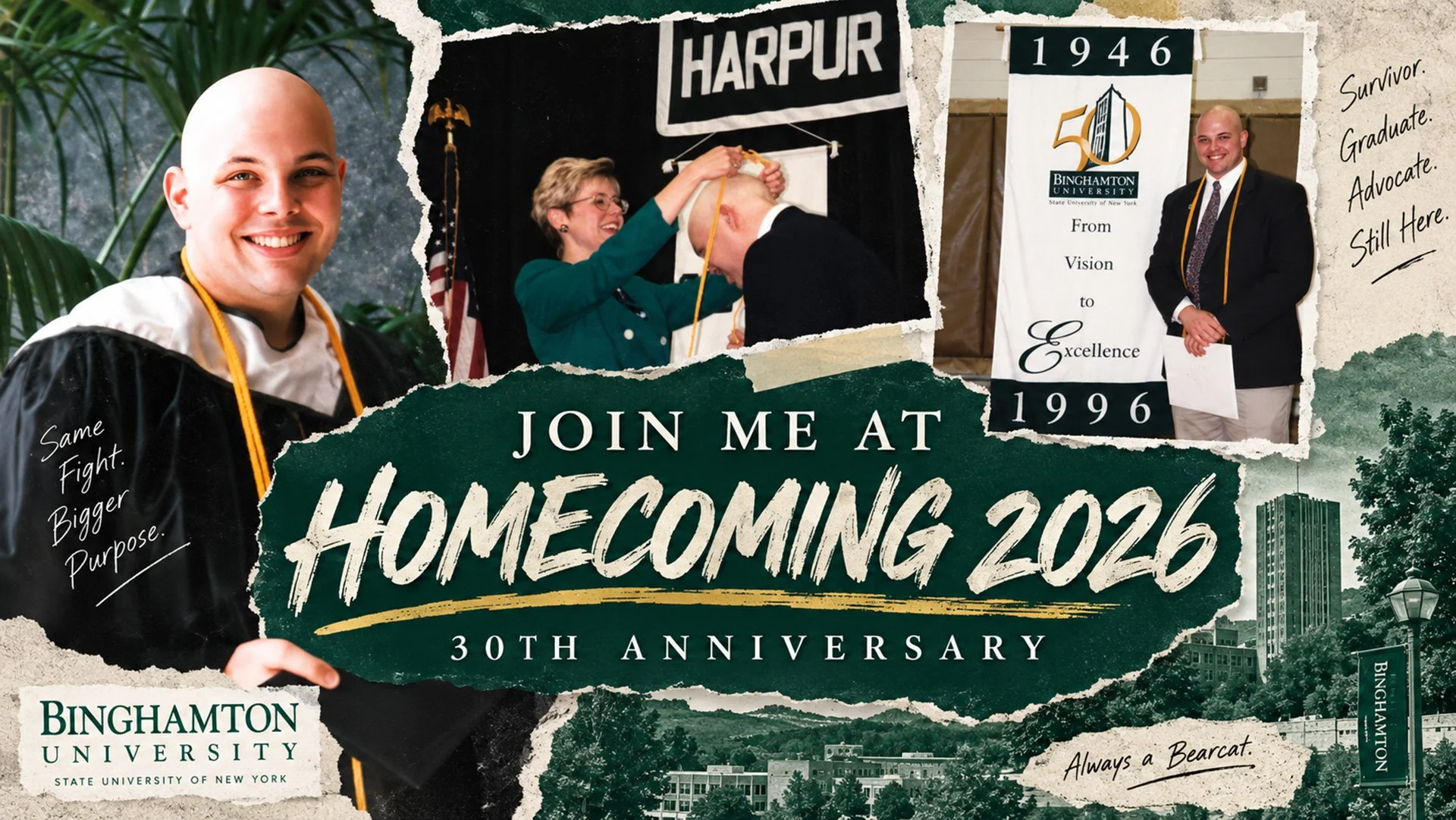
Thirty Years Later, I’m Going Home
In 1996, I graduated from Binghamton University at 21 while going through brain cancer treatment, with no idea what came next. 30 years later, I’m going home. A reflection on cancer, music, survival, and the extraordinary amount of ordinary life that happened in between.
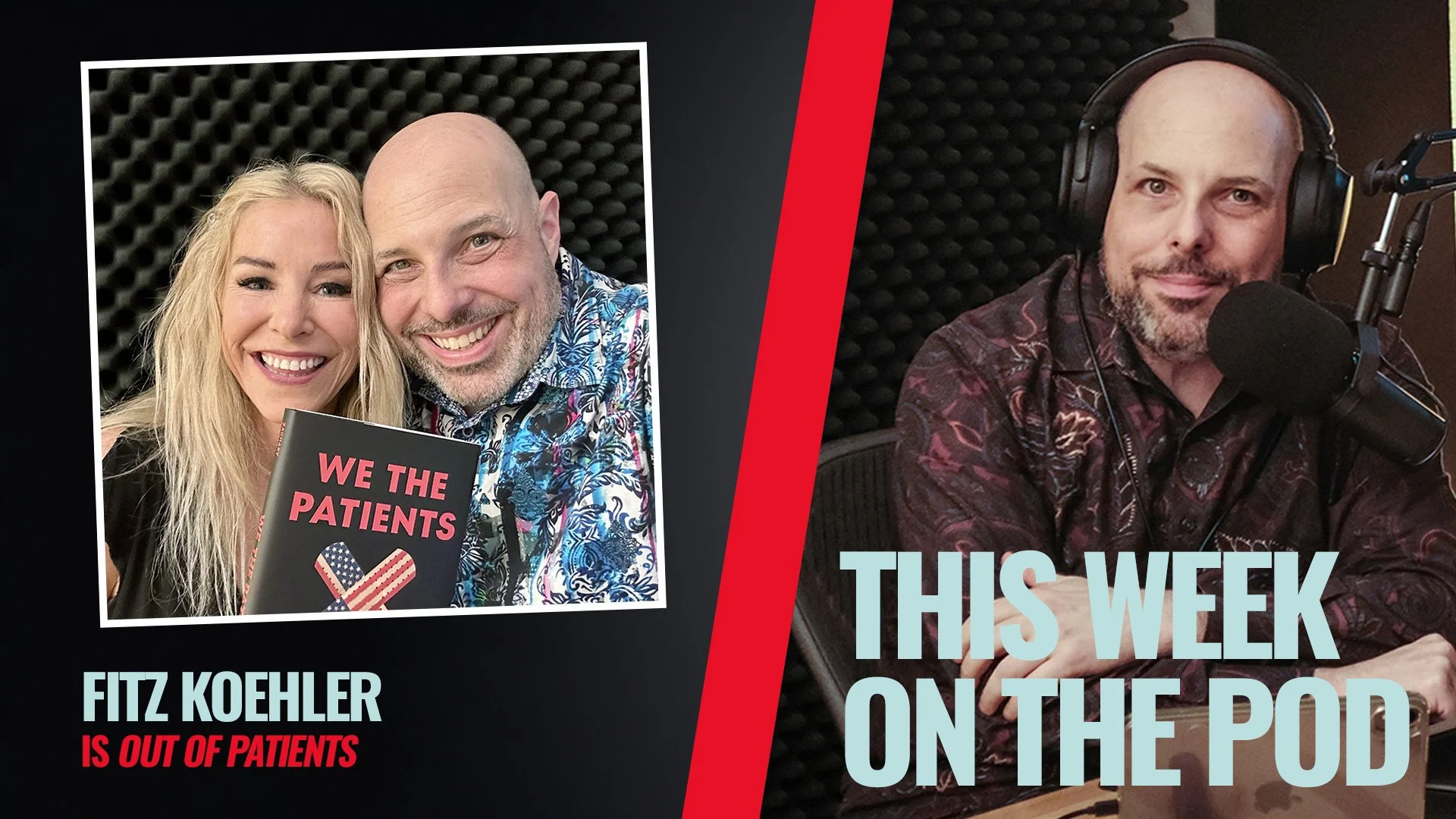
Out of Patients EP456: Fitz Happens: The Marvelous Fitz Koehler
Fitness expert Fitz Koehler did everything “right” and still got breast cancer. She joins Out of Patients to talk exercise oncology, survivorship, wellness snake oil, and why fitness cannot prevent every diagnosis but can help prepare the body for what comes next.
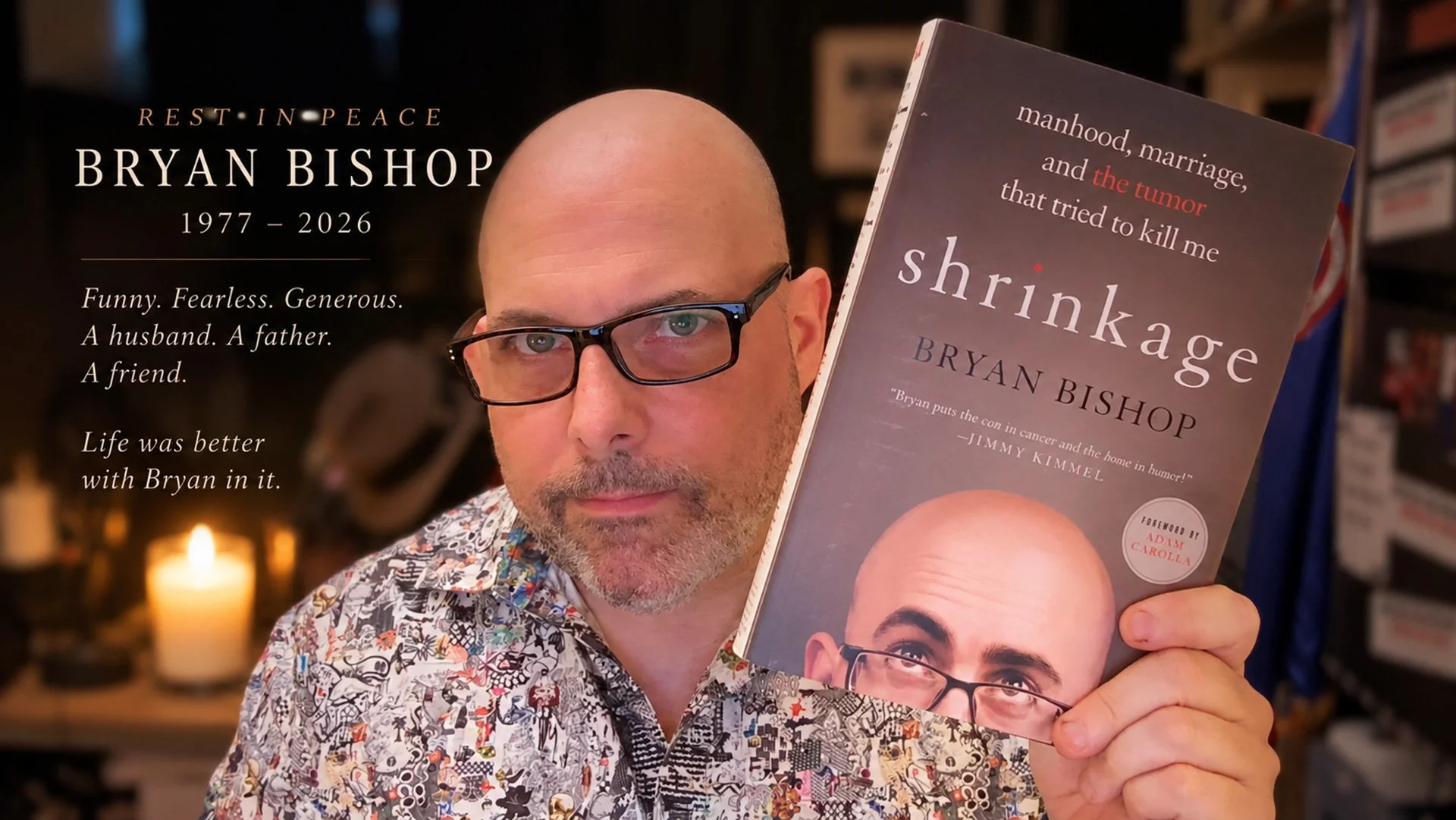
An Ode to My Bald Brother: Remembering Bryan Bishop
Bryan Bishop and I bonded over brain cancer, bald heads, microphones, dark humor, and being two Jews who refused to let cancer become our personalities. Fourteen years after one unforgettable conversation, I went back to hear his voice again. This is for my bald brother.
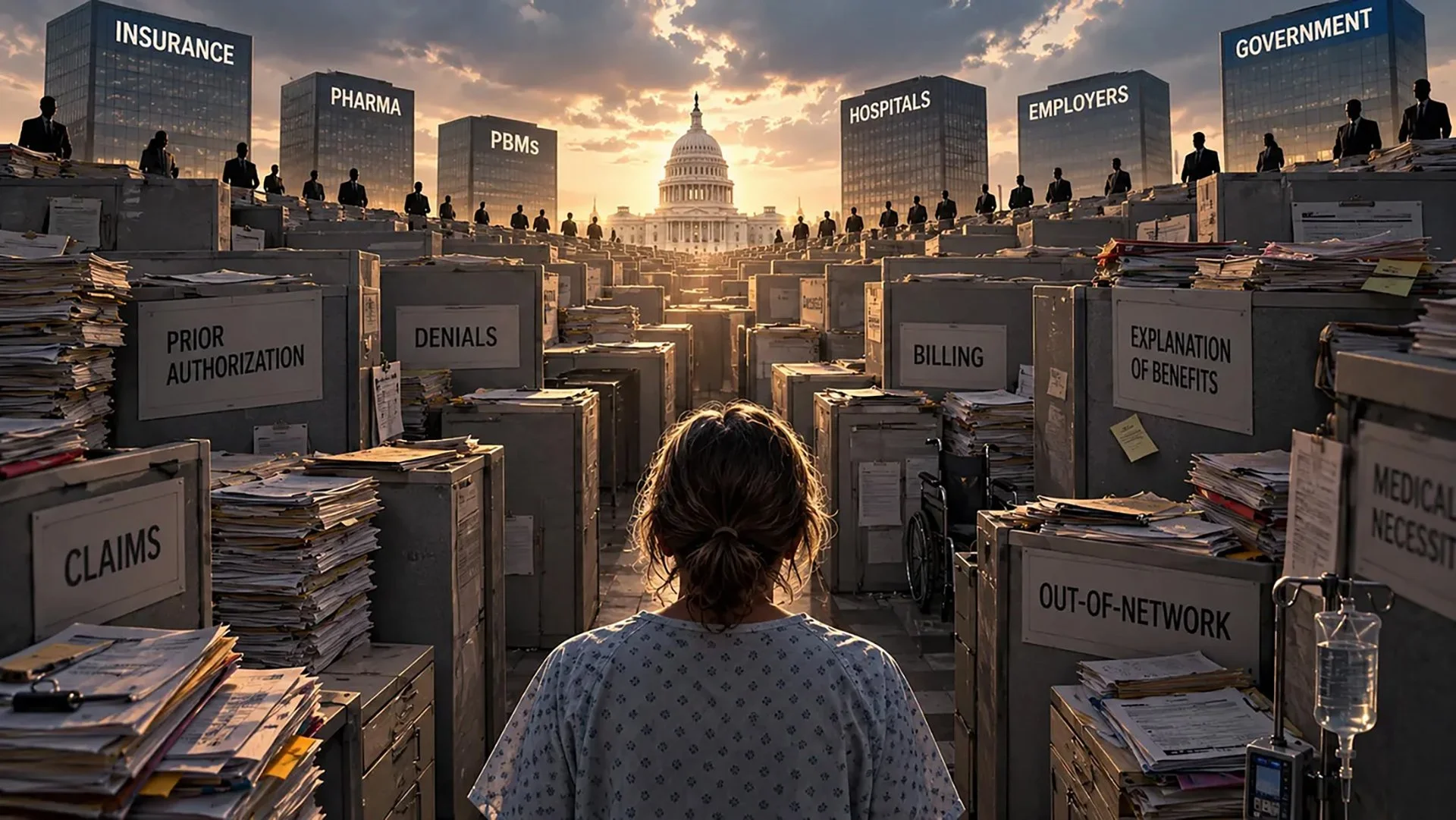
American Healthcare Isn’t Broken. It Was Built This Way.
American healthcare has insurers, hospitals, pharma, PBMs, employers, lobbyists and trade groups organized to protect their interests. The patient has a portal password. After 30 years inside the system, I think patients need something we’ve never had: a constituency.
![[ARCHIVES] Jargon and the Bastardization of “Patient” (2019)](https://images.squarespace-cdn.com/content/v1/695180f1fb7a0c3ff10aae14/1789056215399-M5UQVSOTDB65CIDX94I1/ARCHIVES.png)
[ARCHIVES] Jargon and the Bastardization of “Patient” (2019)
In 2019, I wondered whether American healthcare had turned “patient” into meaningless industry jargon. An unpublished essay from the archives about patient engagement, consumer power, and a healthcare system very good at talking about the people it serves.
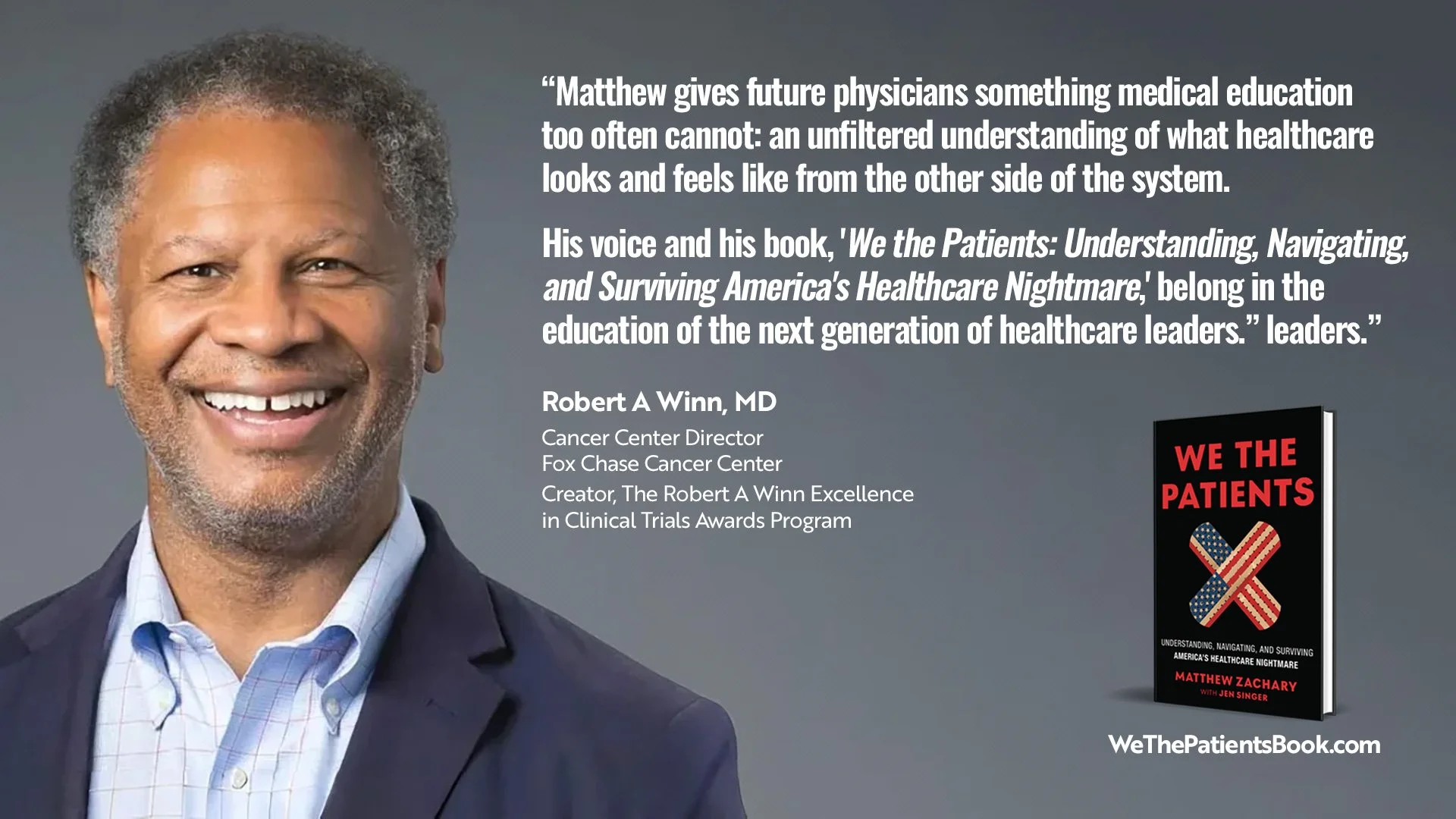
A Funny Thing Happened on the Way to the Patient Revolution
I wrote We the Patients for people trying to survive American healthcare. I did not expect physicians, academics, and medical educators to start asking whether it belongs in the classroom. So, naturally, I have one question: How the hell did this happen?
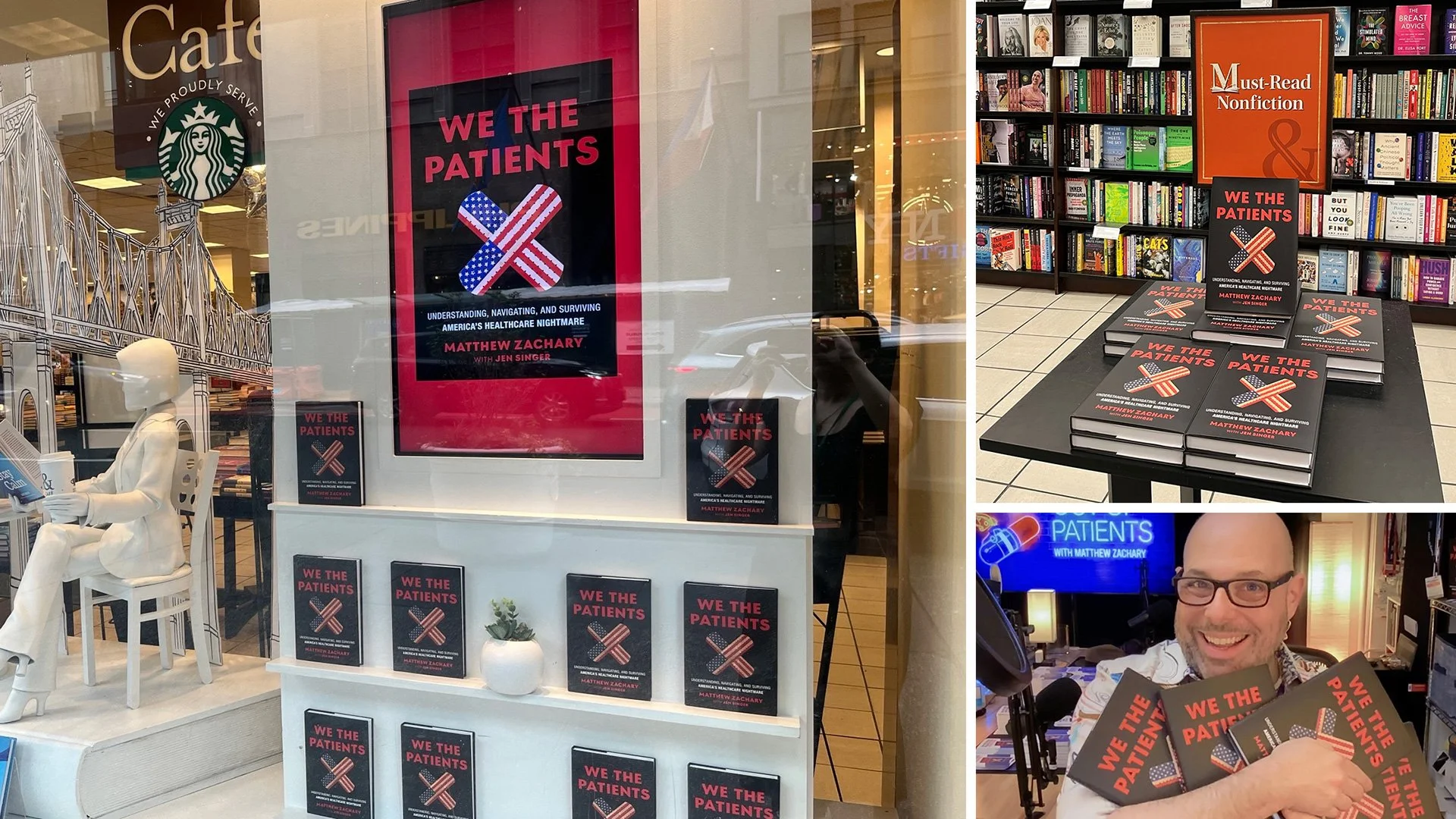
We The Patients In The Front Window Of The Flagship Barnes & Noble On Fifth Avenue In Manhattan.
We the Patients is in the front window of Barnes & Noble on Fifth Avenue. For Matthew Zachary, the surreal milestone is about more than seeing his book on display. It’s about seeing patients, and the idea of patients as a constituency, finally occupying some very public real estate.
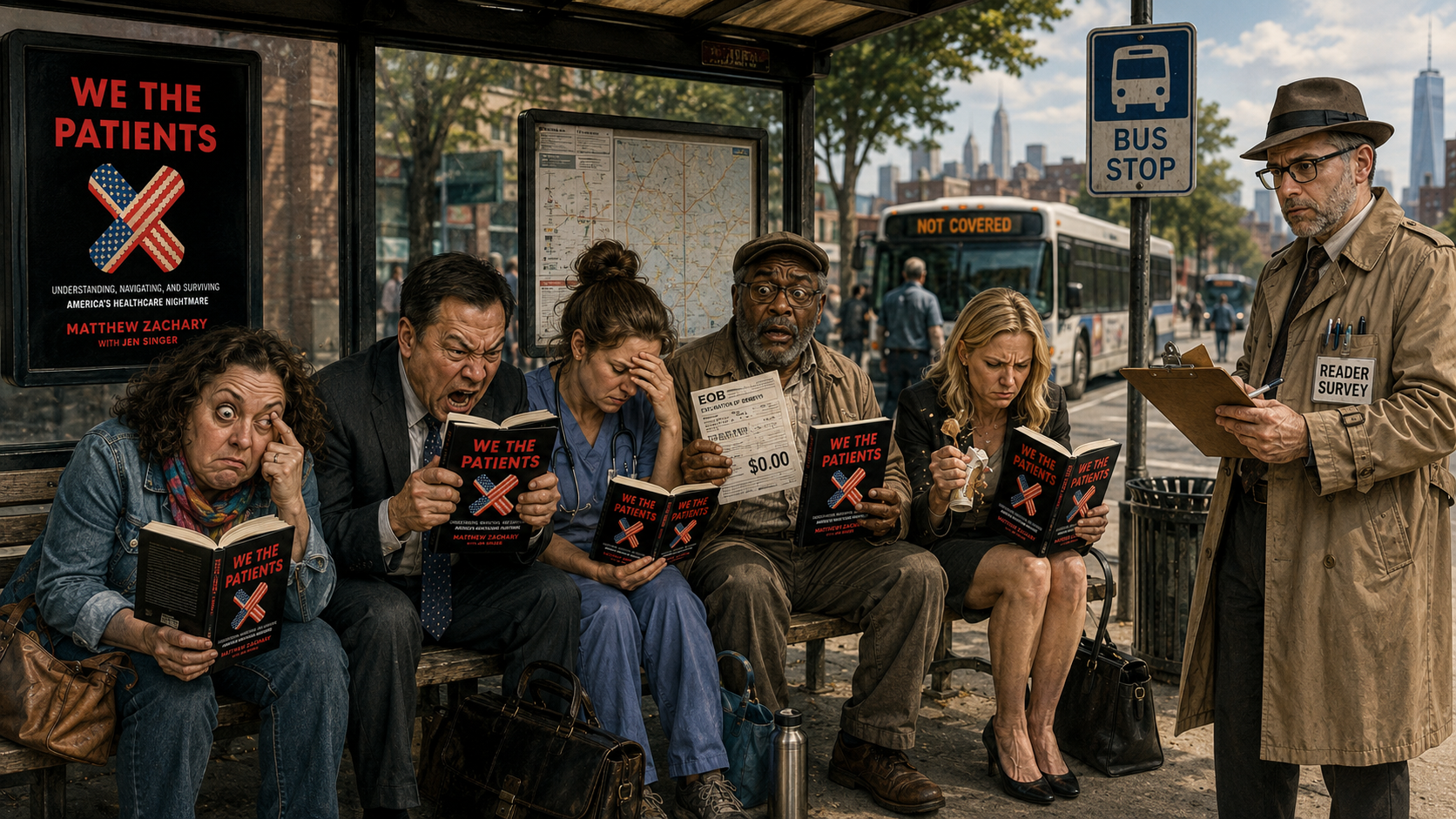
My Book May Have Side Effects: What happens after you understand how American healthcare actually works?
What happens after you understand how American healthcare actually works? The We the Patients reader survey asks whether healthcare literacy creates agency, anger, preparedness, or something more powerful: the expectation that the system should change.
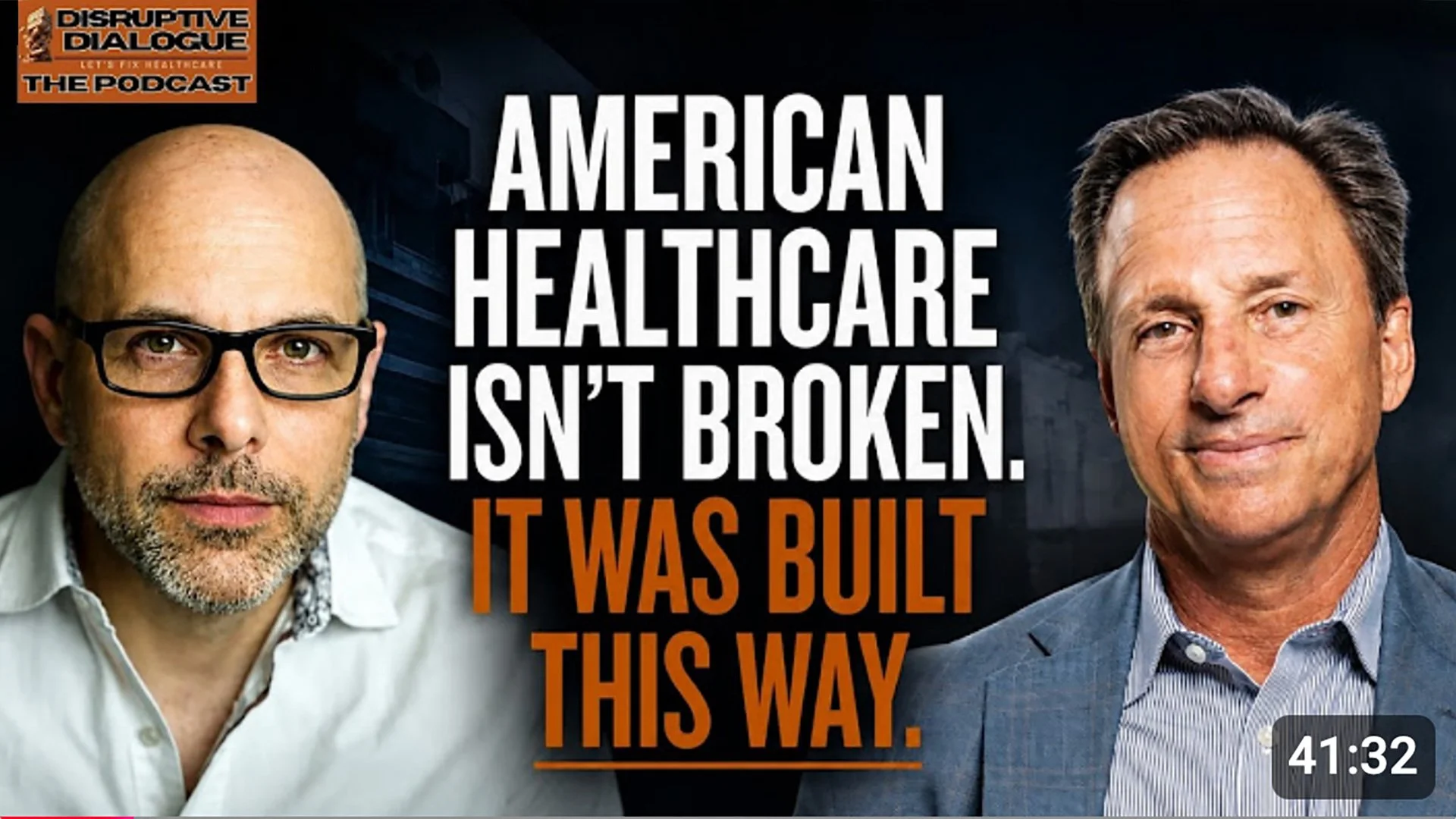
Apparently I’m A Healthcare Policy Guy Now: My Appearance on Disruptive Dialogue with Chuck Melendi
After 30 years in patient advocacy, I seem to have wandered into healthcare policy. A conversation with Chuck Melendi about insurance, incentives, political power, and what happens when patients stop merely navigating the system and start organizing to change it.
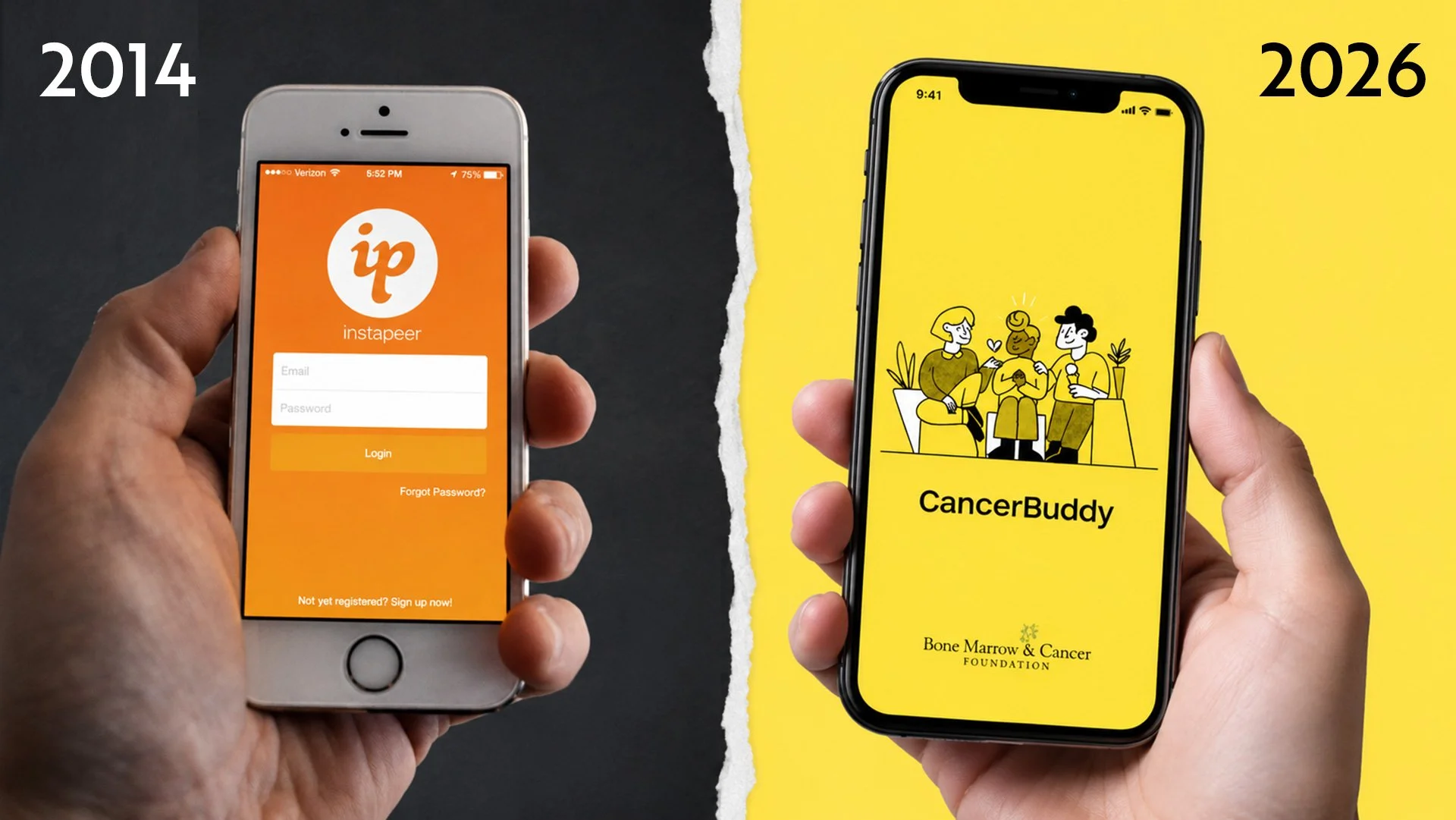
The Future Looked Strangely Familiar: A Love Letter To The CancerBuddy Mobile App
In 2014, we built “Match.com for cancer.” It eventually died. The idea didn’t. Twelve years later, a CancerBuddy retreat sent me looking back at 30 years of survivorship, community, failure, progress, and the shoulders we stand on.
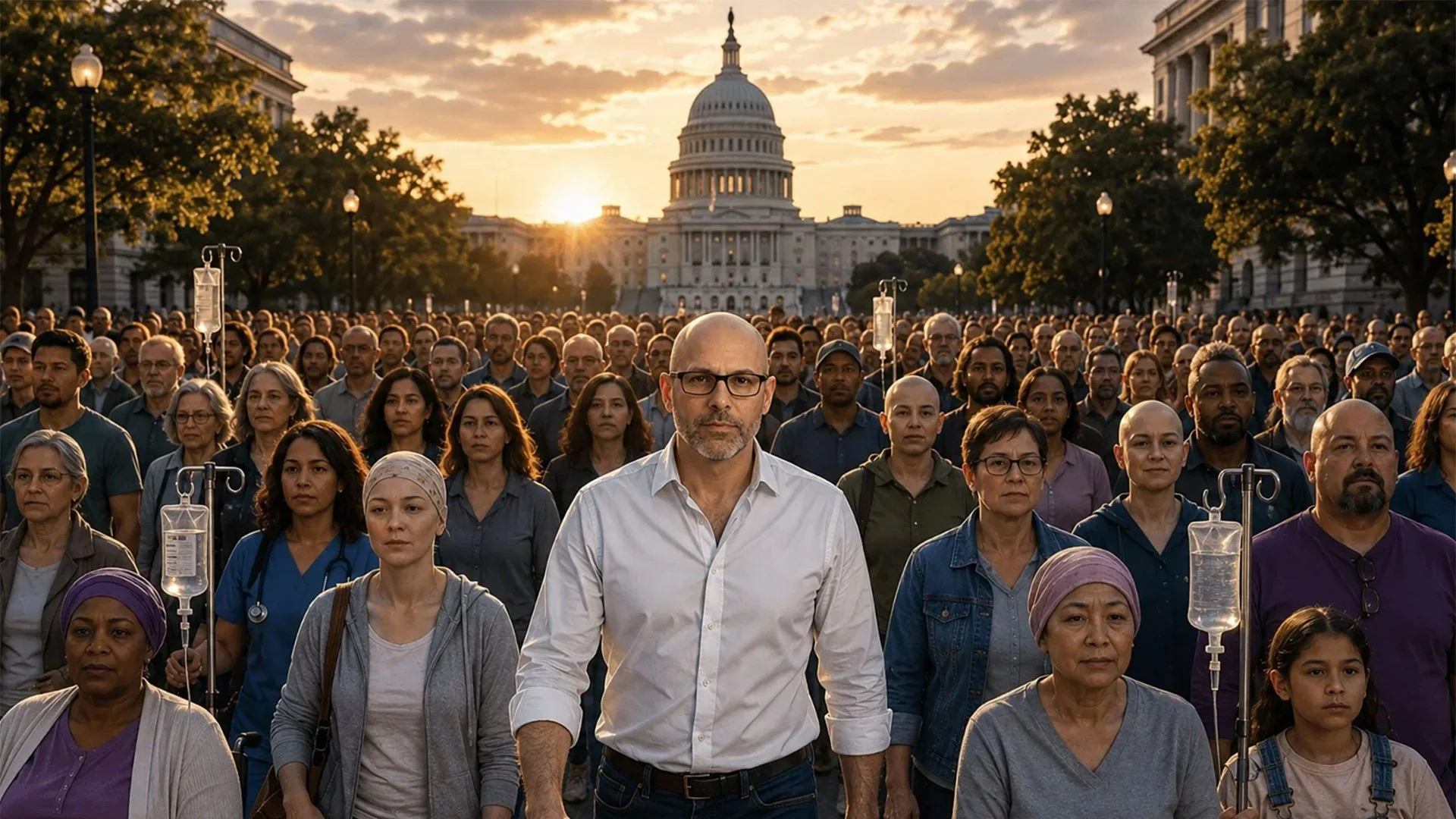
The Missing Constituency: What Comes Next for Patient Advocacy
Patients have always had the numbers. What they have never had is a shared political identity. After 30 years in patient advocacy, Matthew Zachary argues that the next chapter may be transforming shared healthcare experiences into civic and political power.

Out of Patients?
Join the recurring Out of Patients dispatch from Matthew Zachary covering the latest American healthcare shenanigans. Essays, podcast episodes, media appearances, book updates, and live events delivered with a sardonic Gen X perspective from a patient who simply refuses to shut up.
Get the dispatch