
Out of Patients
with Matthew Zachary
Welcome to 2026: The Year of the Patient where the sick shall inherit the ballot.
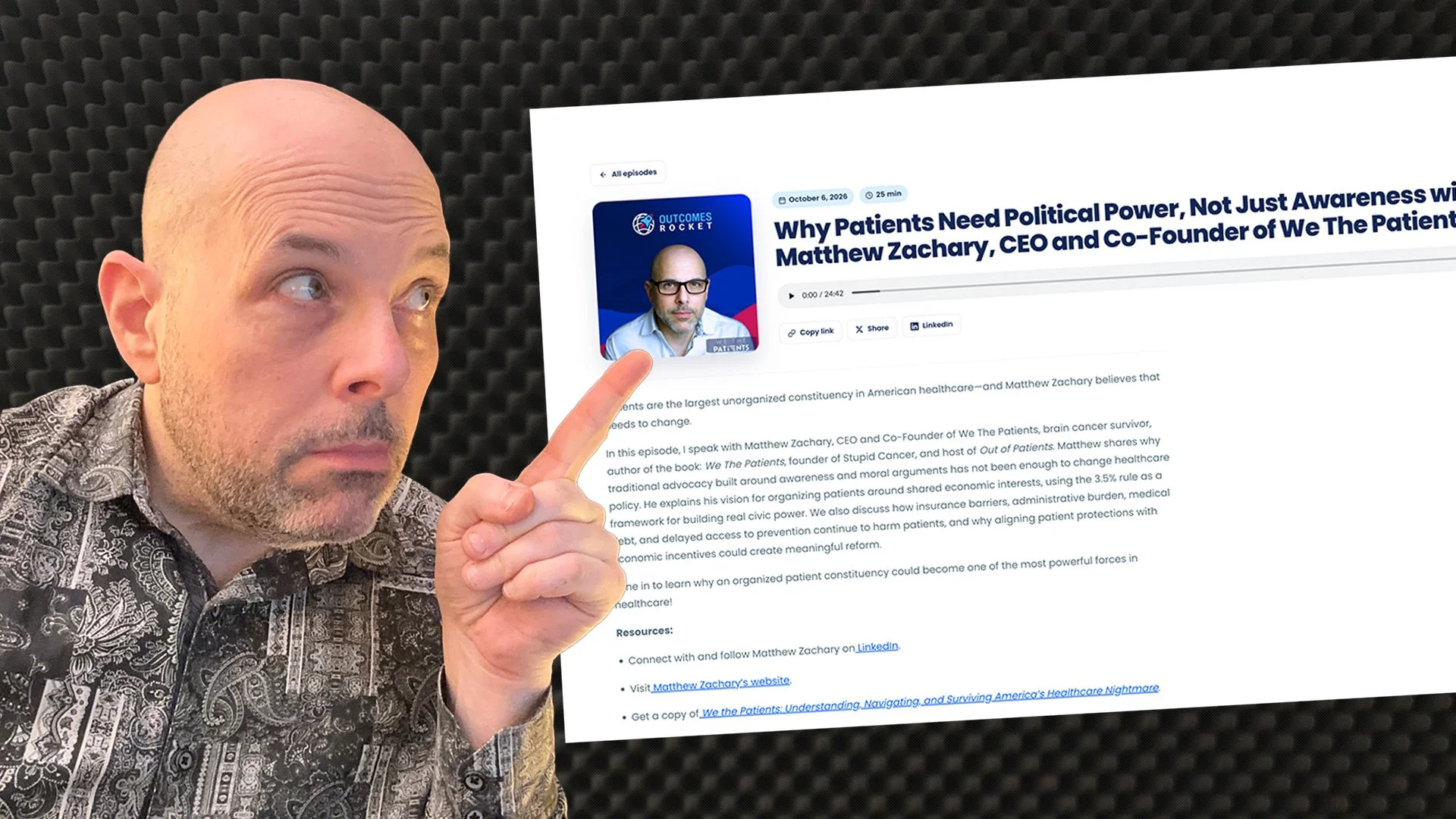
Prevention Is Being Prevented
Patients and healthcare innovators may be fighting opposite sides of the same locked door. What that reveals about access, incentives, advocacy and the case for patient political power.
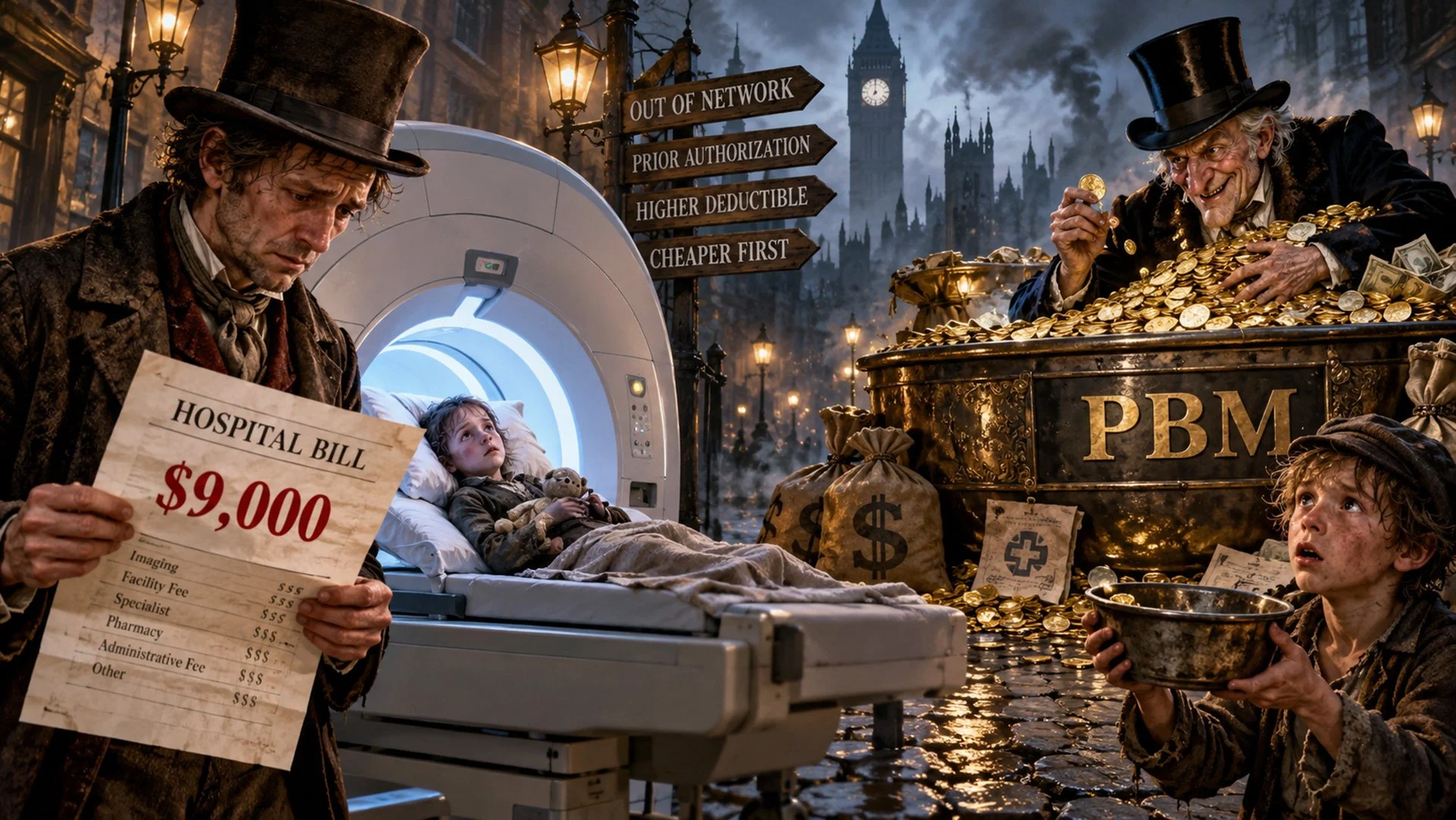
Charles Dickens Would Have Loved American Healthcare
Modern medicine can do things Charles Dickens could barely imagine. American healthcare then wraps those miracles in bureaucracy he would recognize immediately. Tiny Tim, Oliver Twist, Scrooge, and Bleak House enter the patient portal.
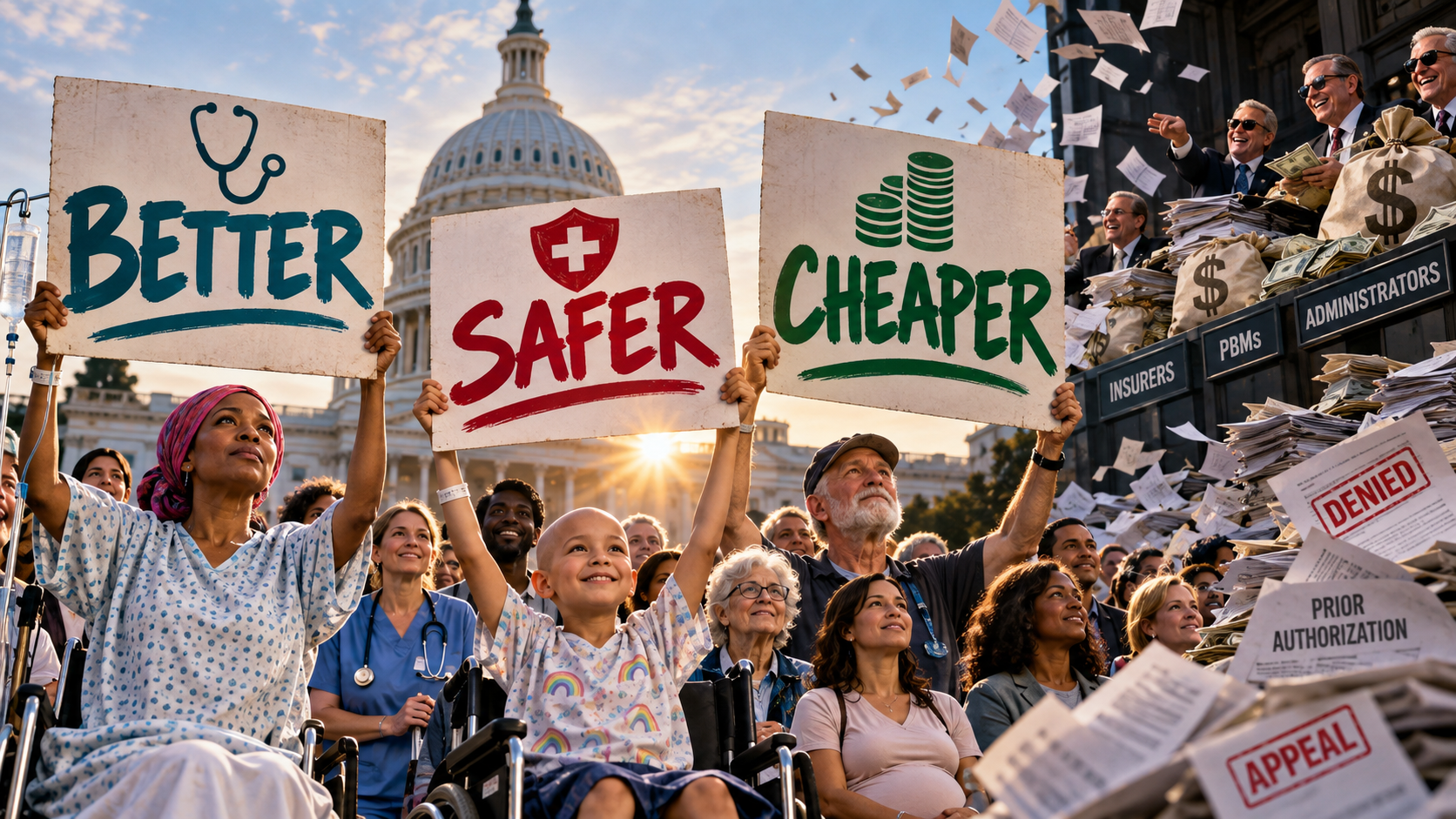
Better Health Care Isn’t Charity. It’s Cheaper.
Patients aren’t the only ones paying for American healthcare dysfunction. Employers, hospitals, physicians and manufacturers lose billions to denials, prior authorization and administrative friction. Better healthcare may also be cheaper.
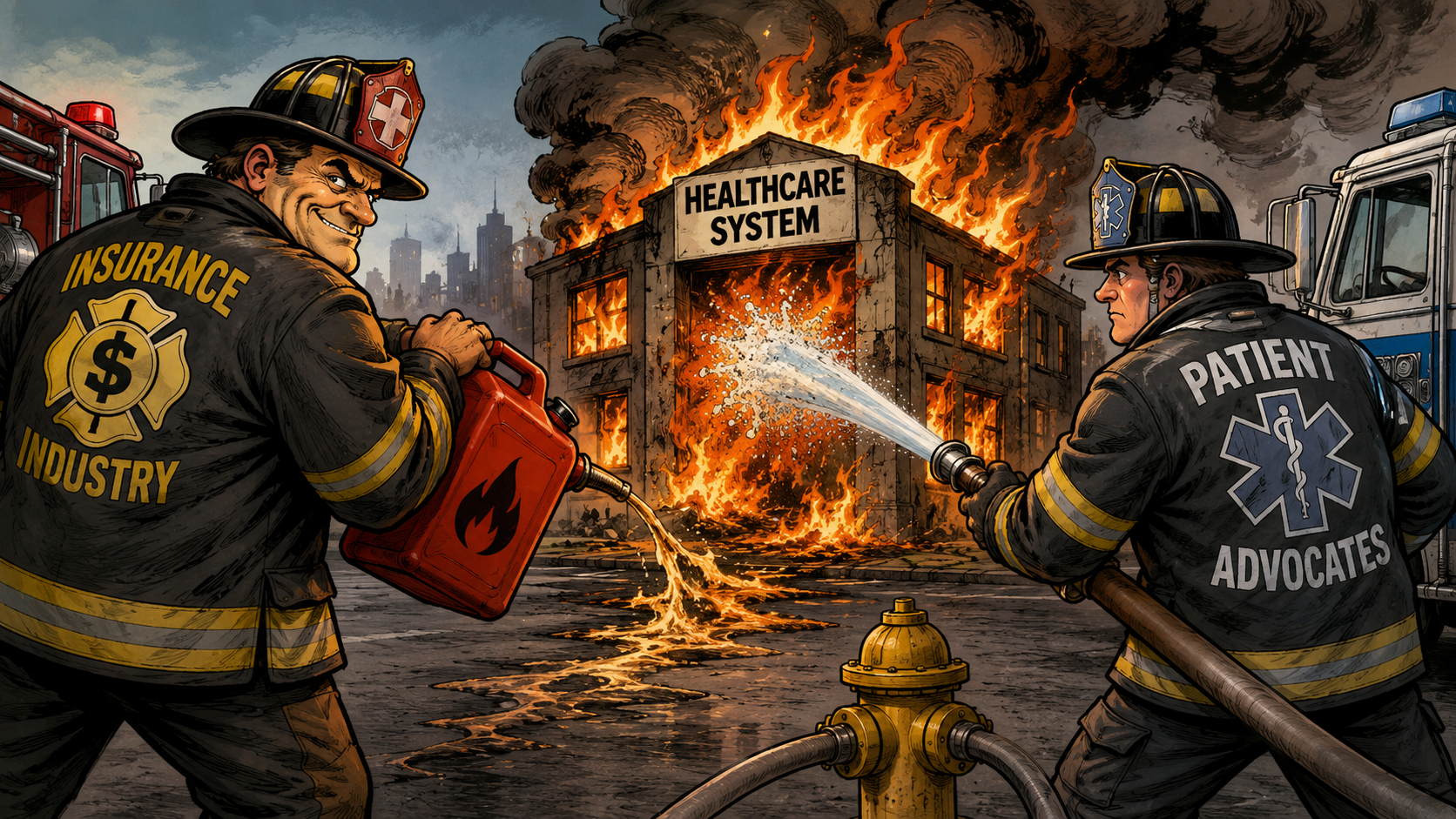
America’s Newest Healthcare Industry Is Protecting Us From American Healthcare
American healthcare has spawned a multibillion-dollar navigation industry to help patients use the care they already pay for. Advocates solve real problems. The stranger question is why the system creates so much demand for them.
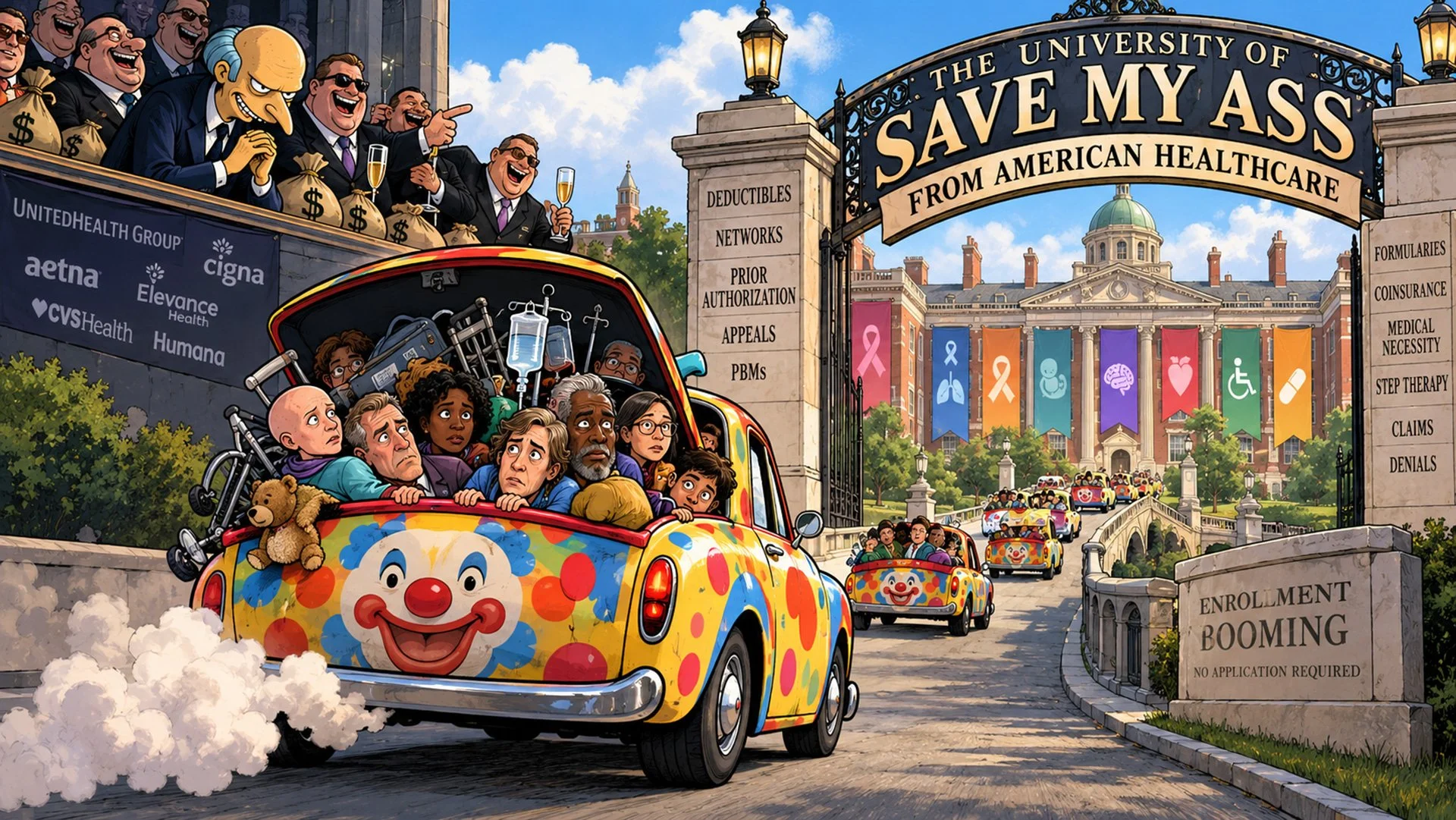
The University of Save My Ass From American Healthcare
American healthcare has spent decades teaching patients to become better mechanics instead of fixing the machine. We learn deductibles, networks, prior authorization, appeals and PBMs because something went wrong. When did surviving the healthcare system become the patient’s responsibility?
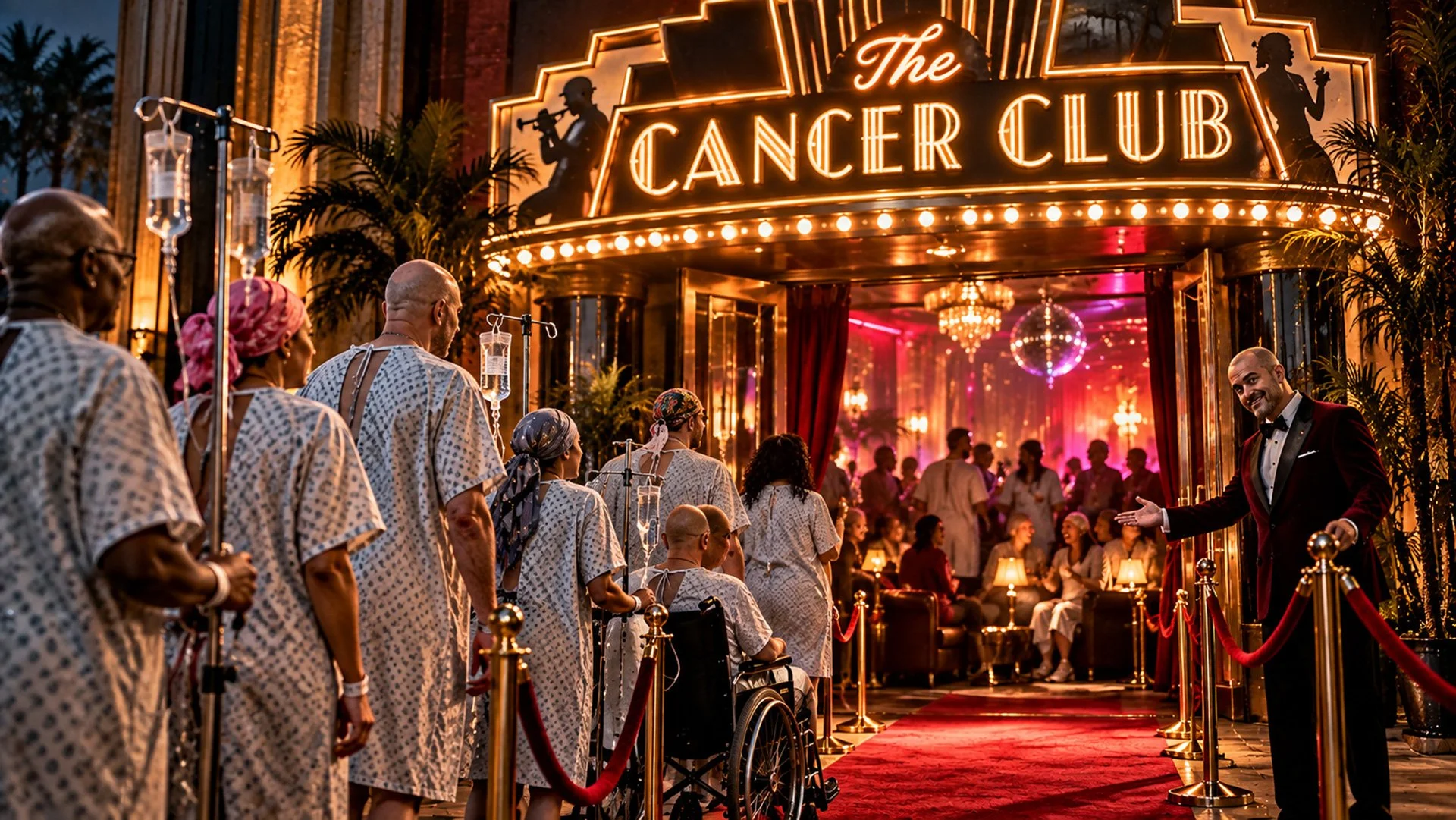
How Do You Create Demand for Something Nobody Wants?
For 20 years, I’ve built healthcare brands for markets nobody wants to need. From Stupid Cancer to We the Patients, I’ve learned that the hardest part isn’t creating demand. It’s giving people a way to recognize something that was already there.
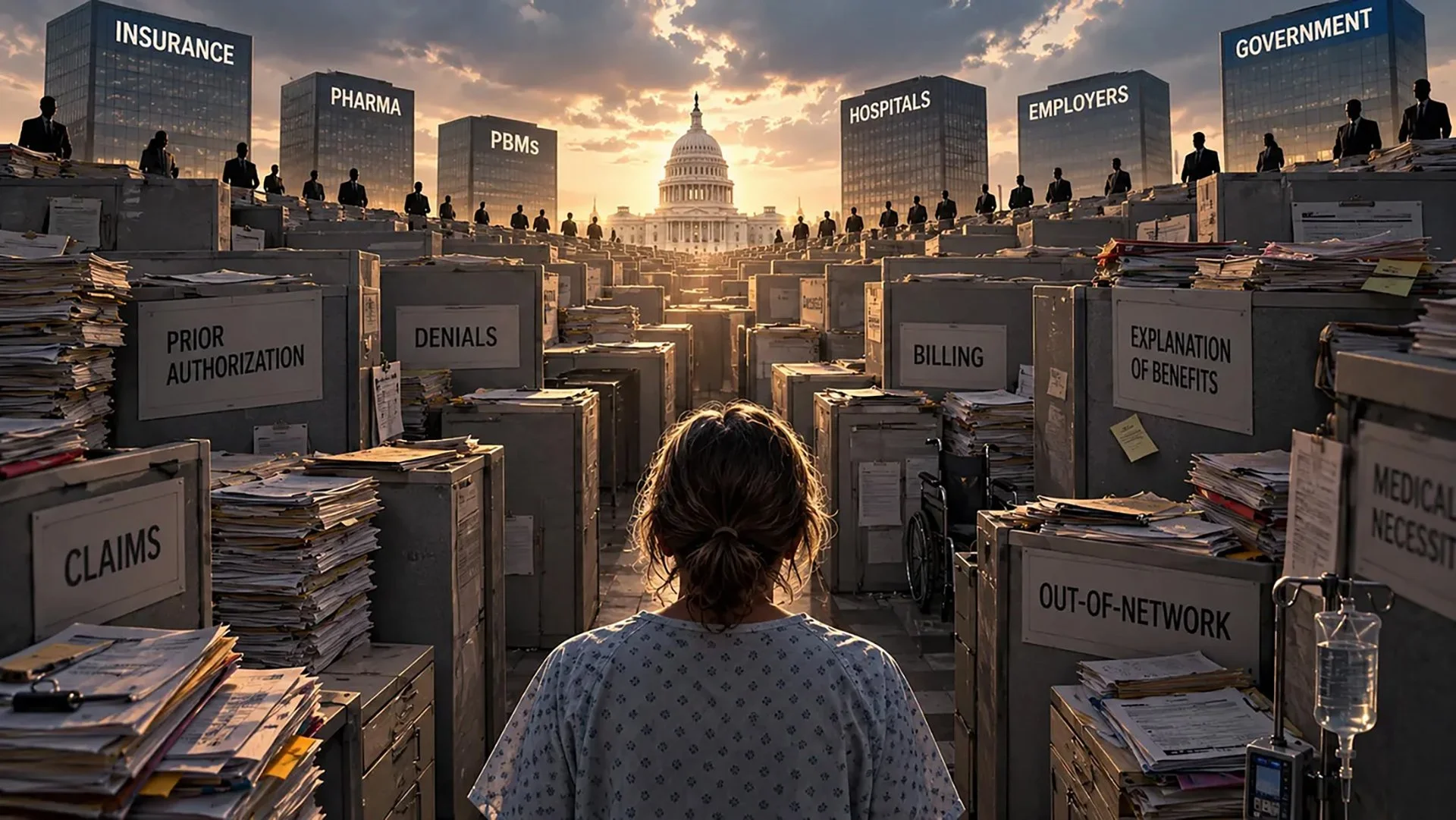
American Healthcare Isn’t Broken. It Was Built This Way.
American healthcare has insurers, hospitals, pharma, PBMs, employers, lobbyists and trade groups organized to protect their interests. The patient has a portal password. After 30 years inside the system, I think patients need something we’ve never had: a constituency.
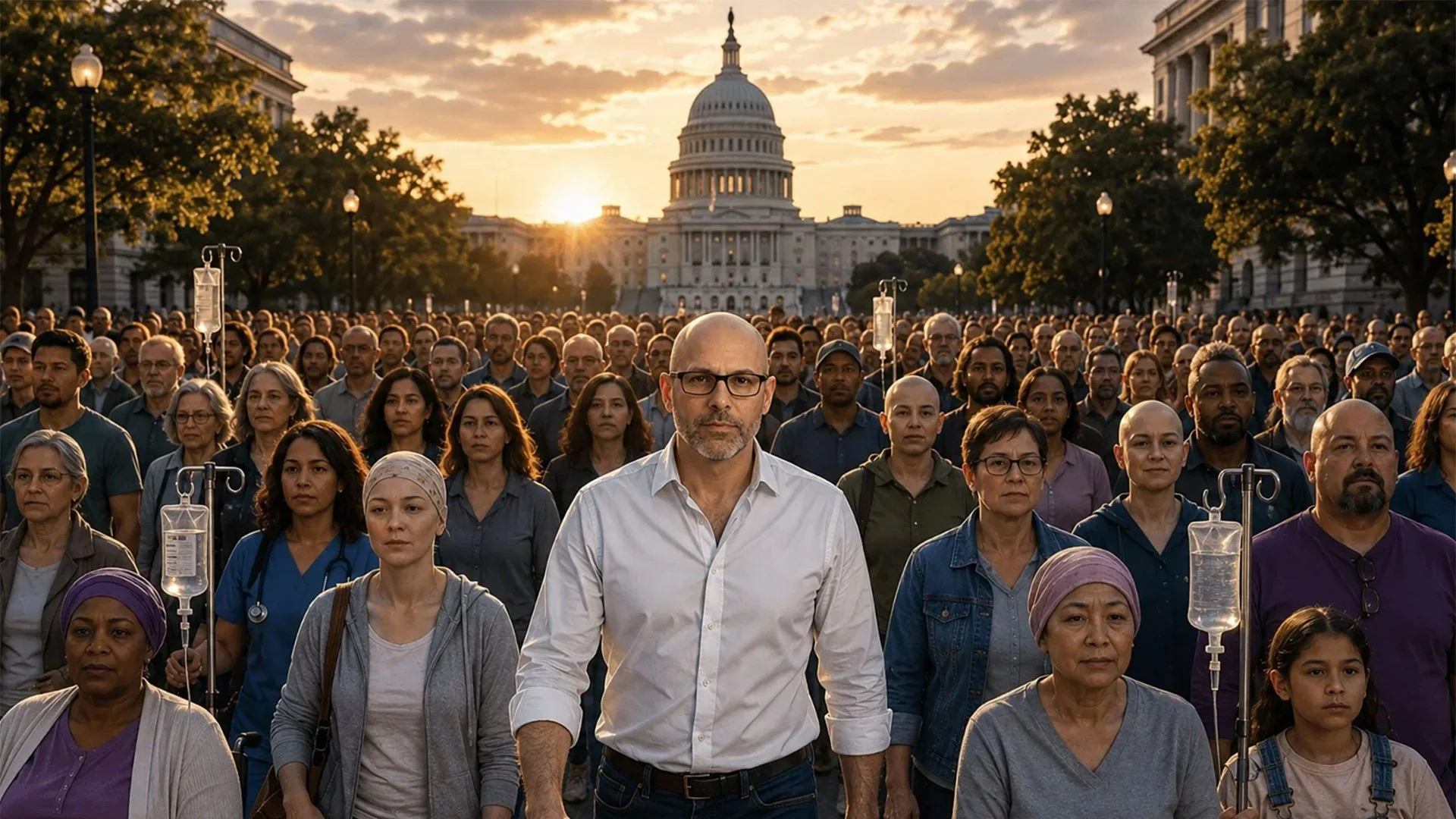
The Missing Constituency: What Comes Next for Patient Advocacy
Patients have always had the numbers. What they have never had is a shared political identity. After 30 years in patient advocacy, Matthew Zachary argues that the next chapter may be transforming shared healthcare experiences into civic and political power.
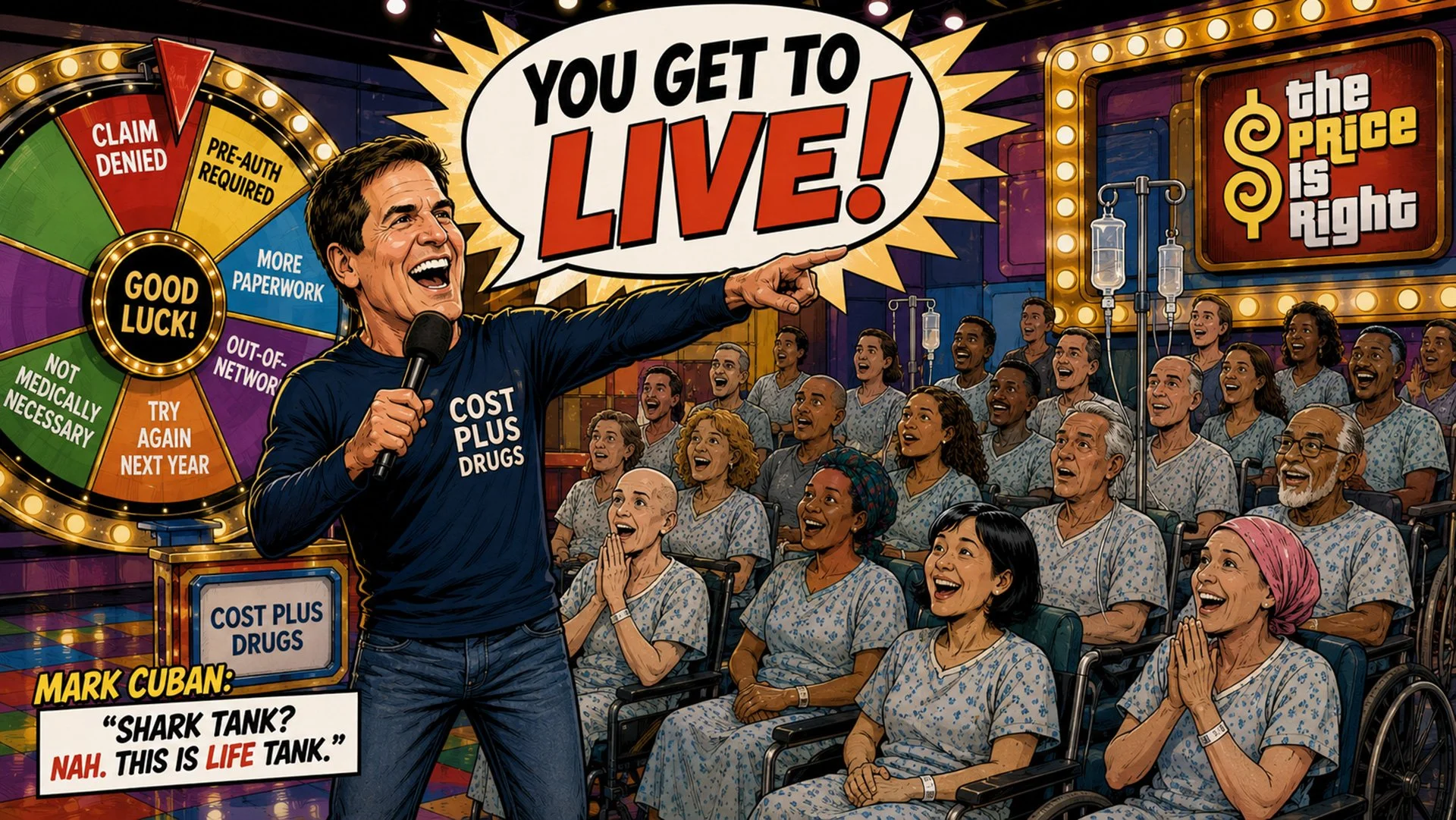
You Should Not Need To Know Mark Cuban To Get Unfucked From American Healthcare.
A heart transplant survivor lost affordable access to the drug keeping her alive. It took two viral stories, a grieving donor mother, a nonprofit, and Mark Cuban to fix it. The happy ending is the problem: nobody should need an audience, influence, or a billionaire to get healthcare.
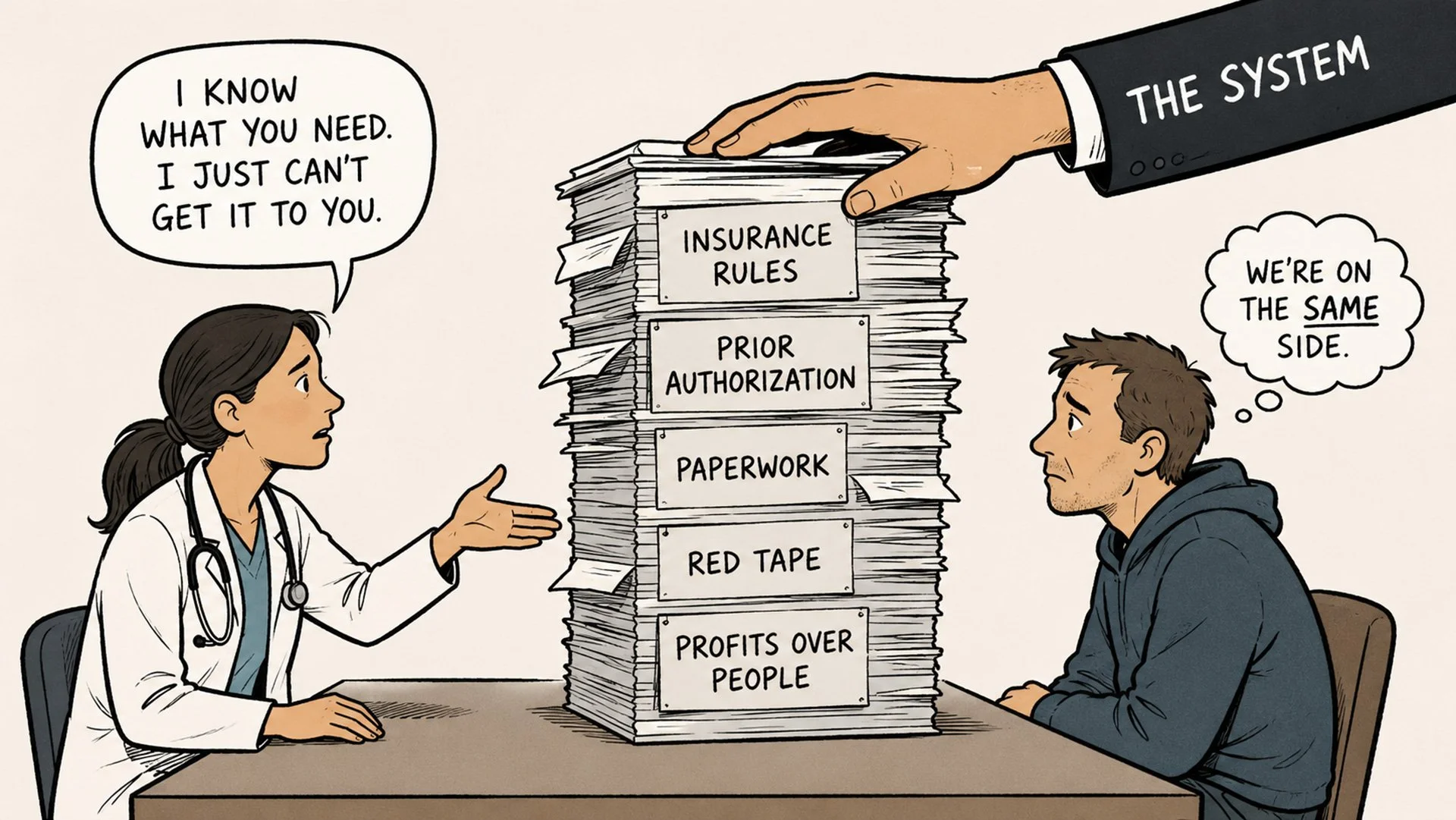
Doctors Aren’t Unable to Treat Their Patients. They’re Being Blocked.
Doctors know how to treat their patients. Increasingly, they’re being blocked from doing it. After decades in patient advocacy, I’m realizing that patients and physicians may be fighting different sides of the same healthcare battle.
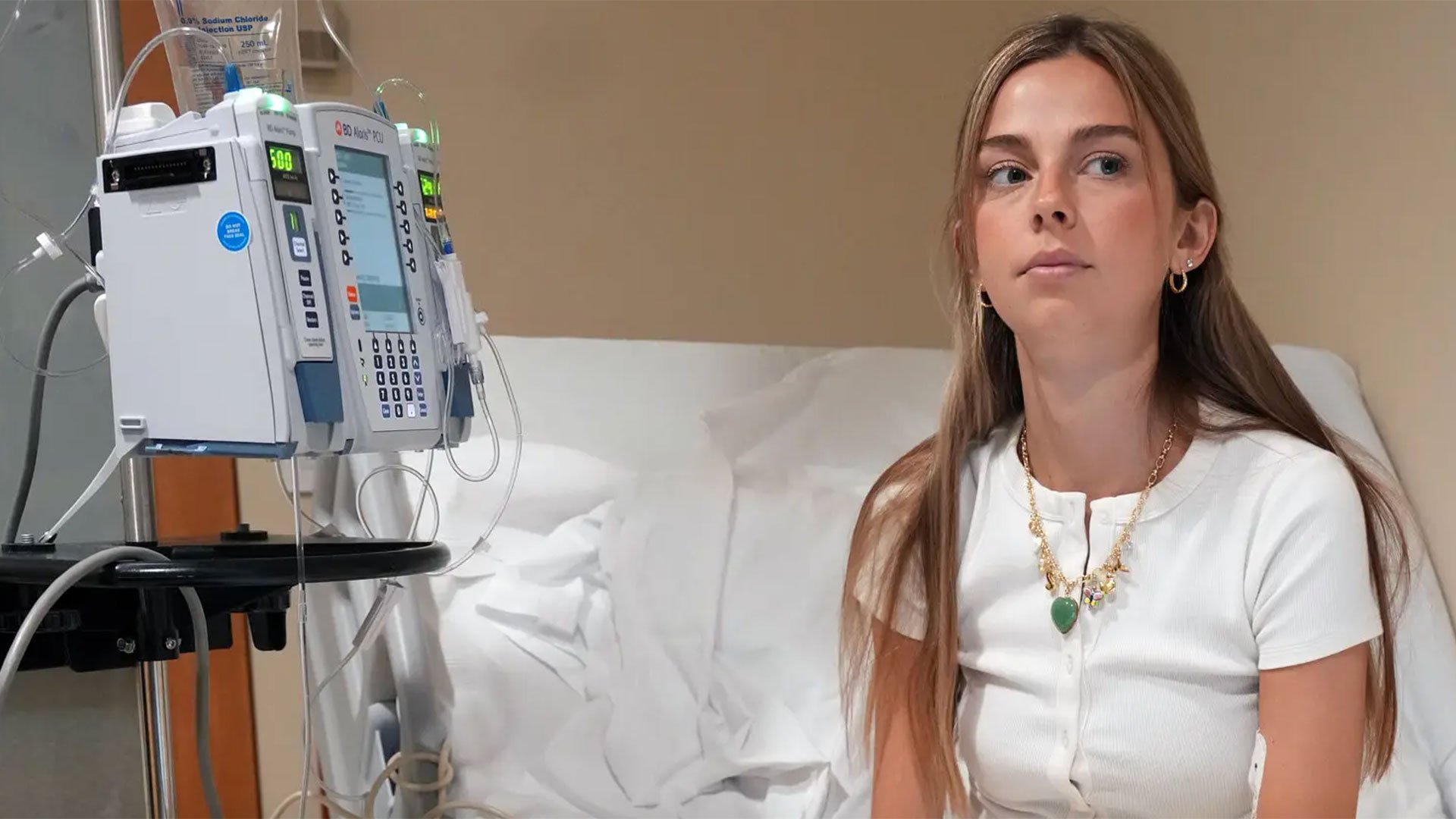
The Internet Demanded That She Look More Like She Was Dying
Sydney Towle didn’t fail to look sick enough. We failed to understand what living with cancer can actually look like. Her story exposes a culture that demands patients perform suffering before offering compassion, and what that says about all of us.
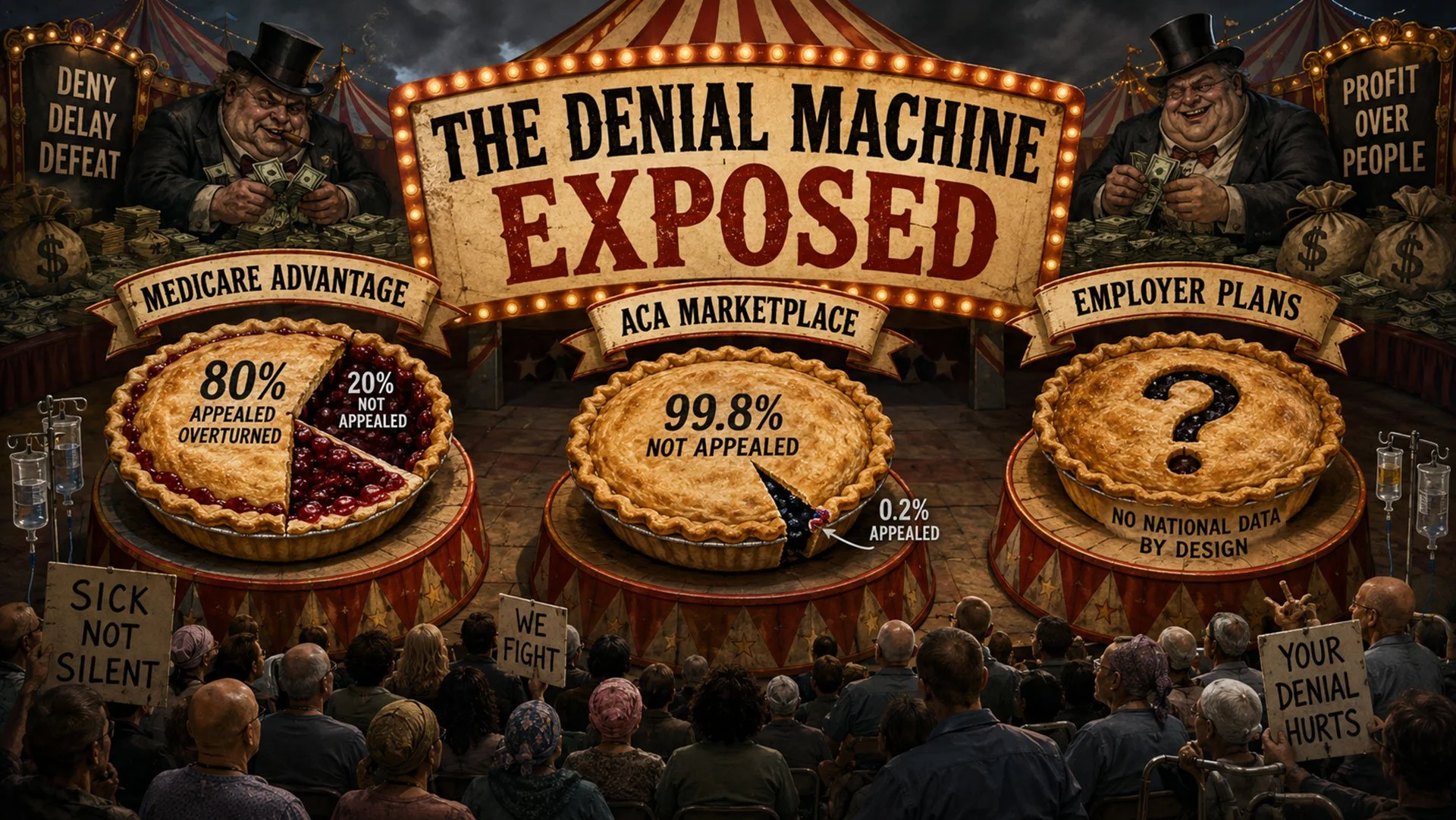
The Denial Machine: Why America’s Health Insurance Appeals System Rewards Patient Exhaustion
More than 80% of appealed Medicare Advantage prior authorization denials are overturned, yet fewer than 0.2% of ACA Marketplace denials are ever appealed. The problem is not only denial. It is a system that profits when patients run out of time, energy, and hope.
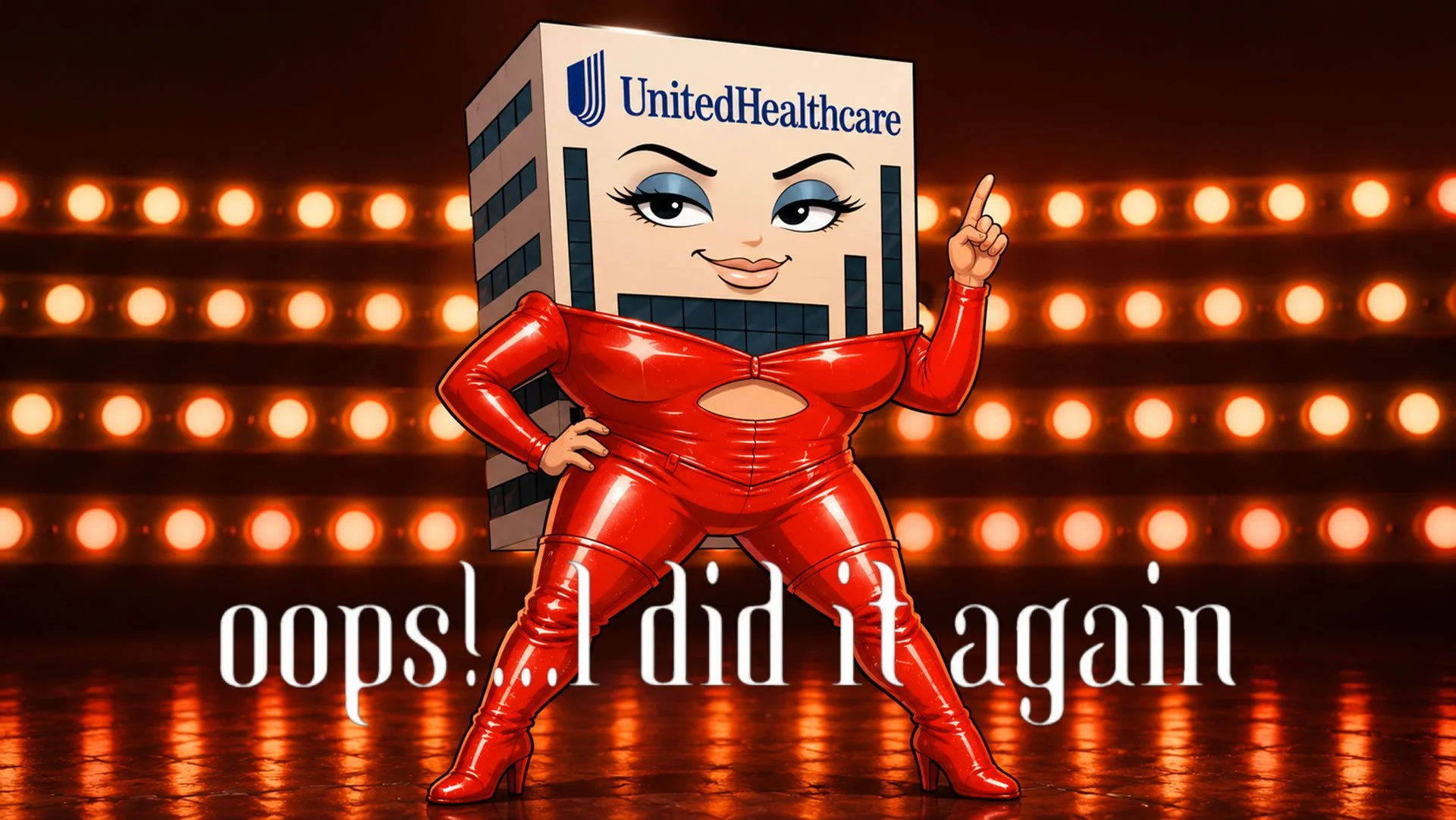
UnitedHealth Helped Write the Rules. Then It Started Losing.
UnitedHealth helped shape research behind the No Surprises Act expecting greater leverage over providers. Then neutral arbiters started ruling against insurers. Now it wants the rules changed. Wendell Potter’s reporting reveals how healthcare power works behind the scenes.
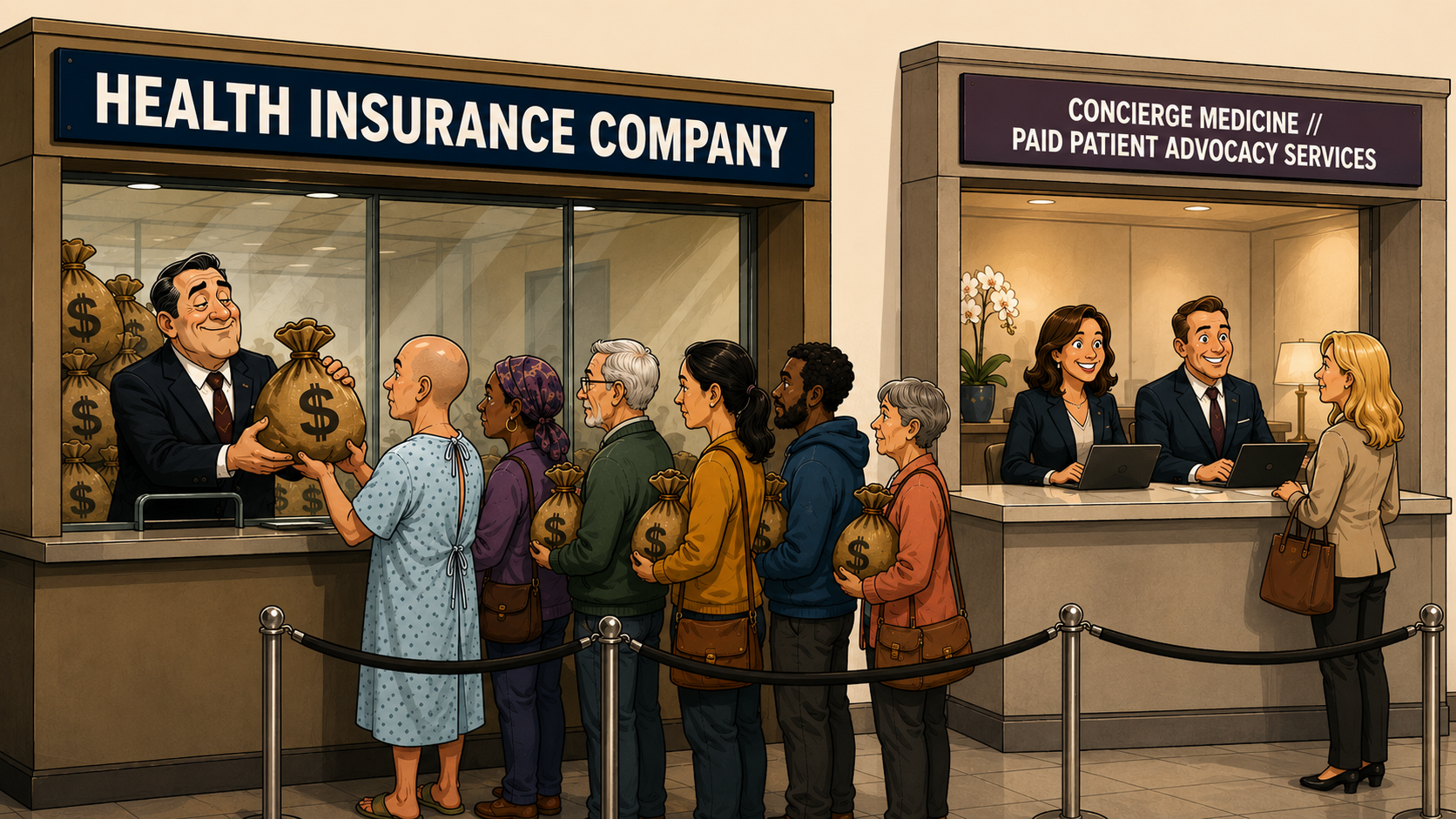
The Luxury of Being Heard
Concierge medicine used to be for the rich. Now ordinary patients are paying out of pocket for advocates, navigators, and direct access just to get the care their insurance was supposed to provide in the first place. Welcome to the second bill nobody asked for.
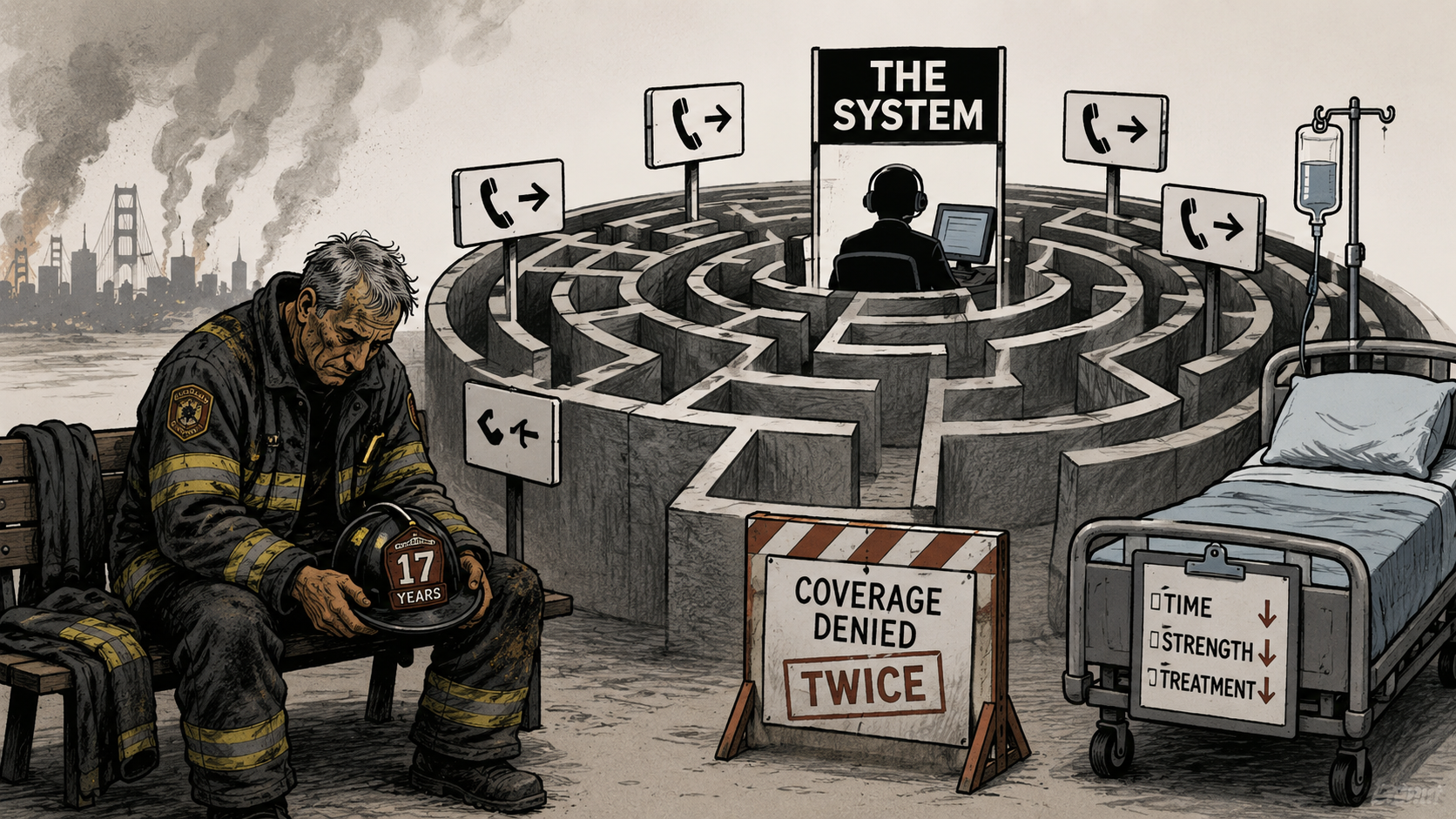
The Deadliest Part of American Healthcare Might Be the Waiting
A retired firefighter’s denied cancer treatment reveals a larger truth about American healthcare. Administrative friction has become an economic strategy that shifts costs onto patients and physicians while delaying care in ways the system rarely measures but patients always feel.
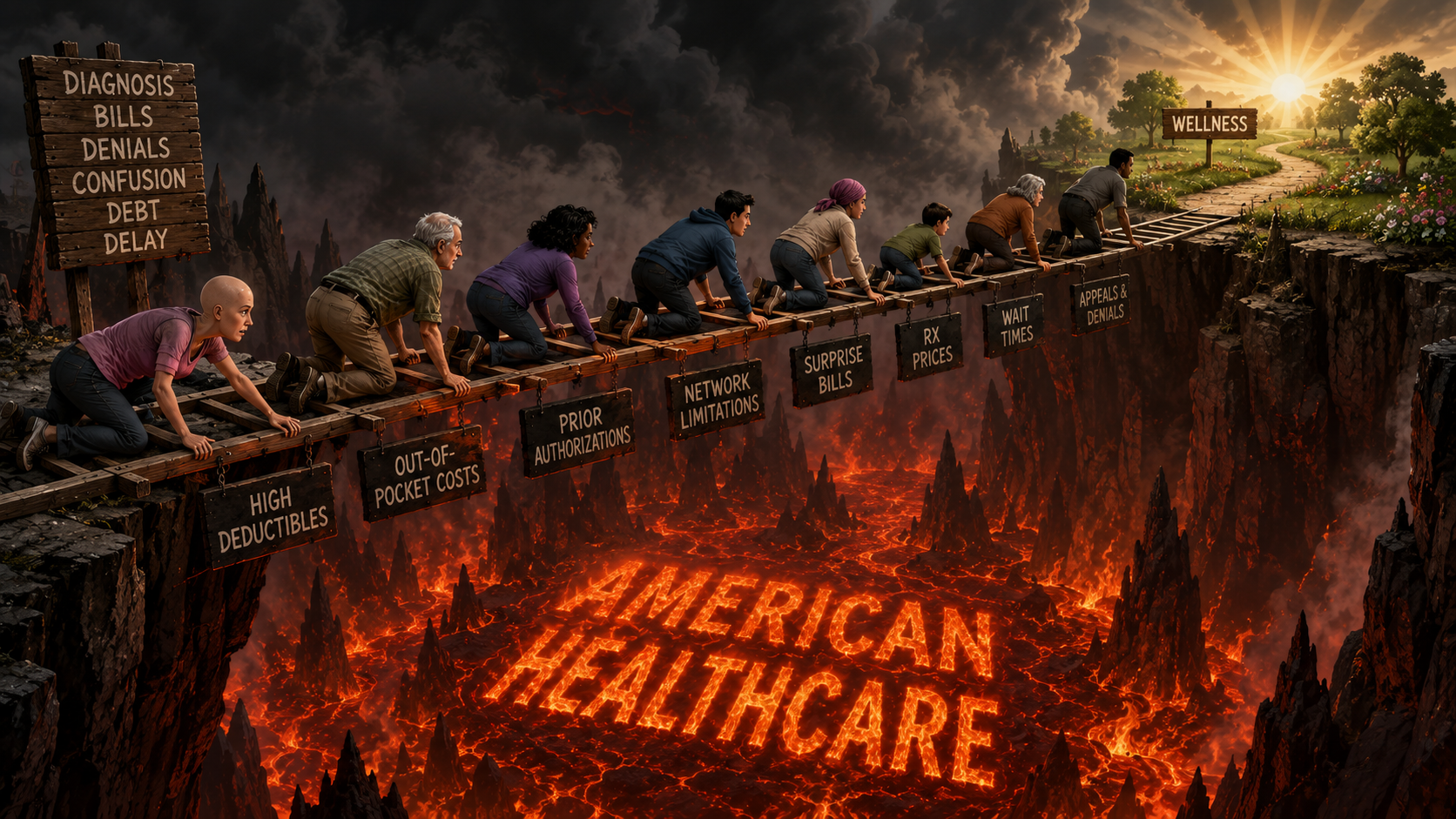
The Fact That Patients Need Survival Guides Is the Scandal
Americans now need books to survive healthcare. That’s not evidence of empowerment. It’s evidence of failure. As affordability collapses and complexity grows, patients are being forced to become advocates, navigators, and administrators just to access care they already pay for.
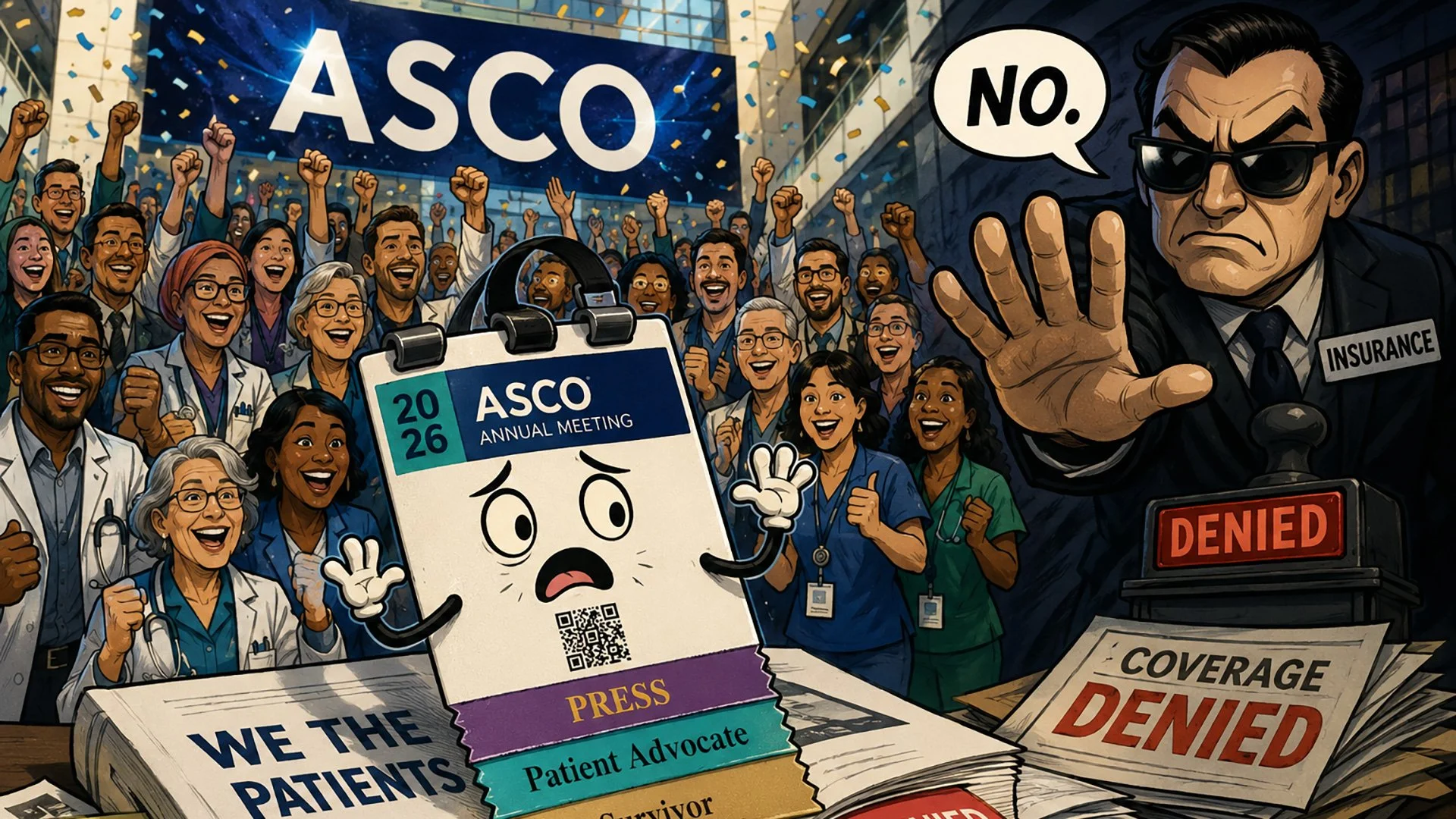
The Most Important Story at ASCO 2026 Wasn’t the Science
ASCO 2026 delivered extraordinary advances in cancer research, including a standing ovation for a pancreatic cancer breakthrough. Yet the dominant conversation centered on something else: the widening gap between scientific innovation and patients’ ability to access it.
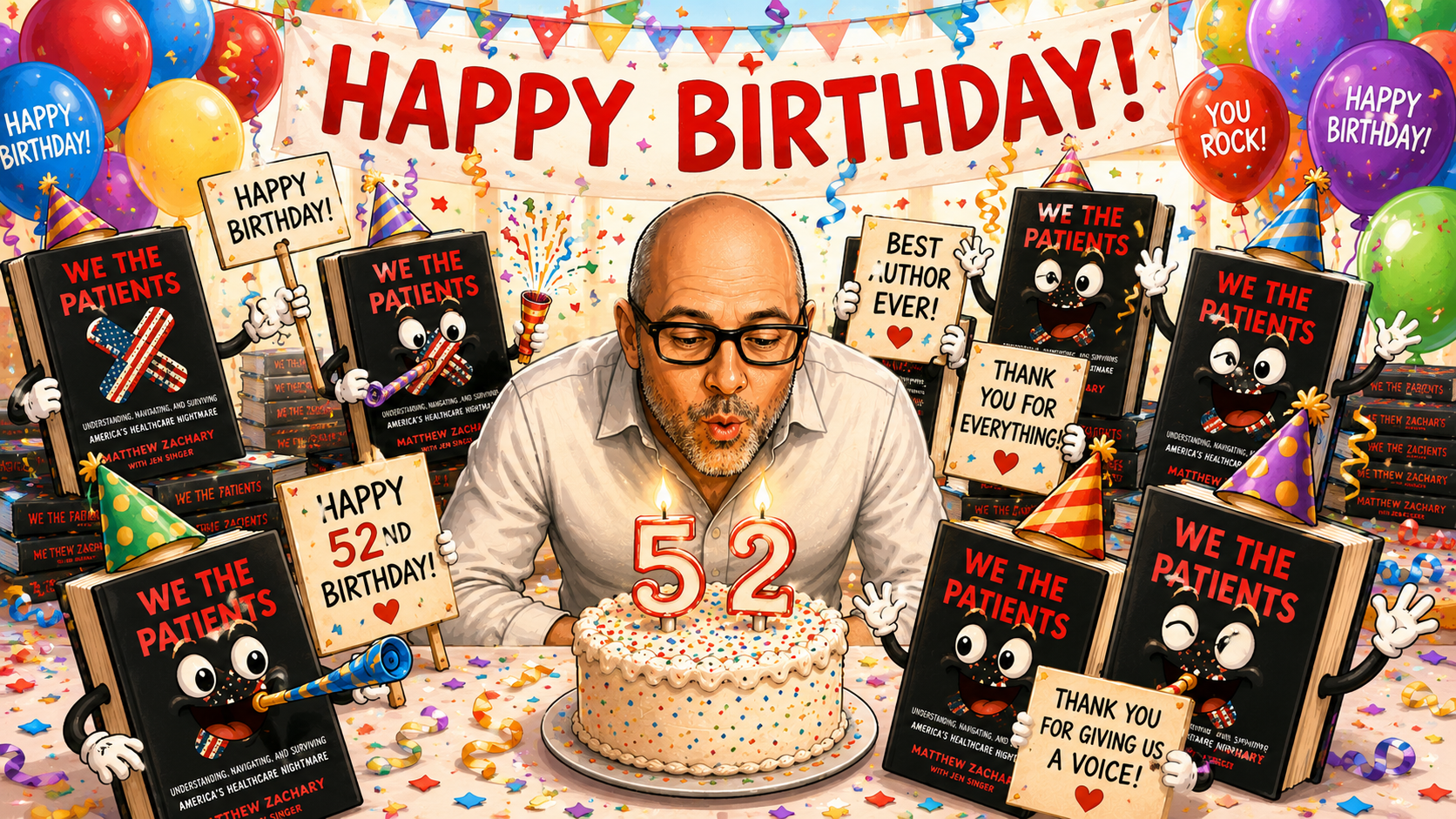
52 Years Old and Still Here
Brain cancer at 21 forced Matthew Zachary into the American healthcare system decades before he understood its economics, incentives, and failures. At 52, he reflects on how surviving long enough to see the whole machine clearly led to writing We the Patients.
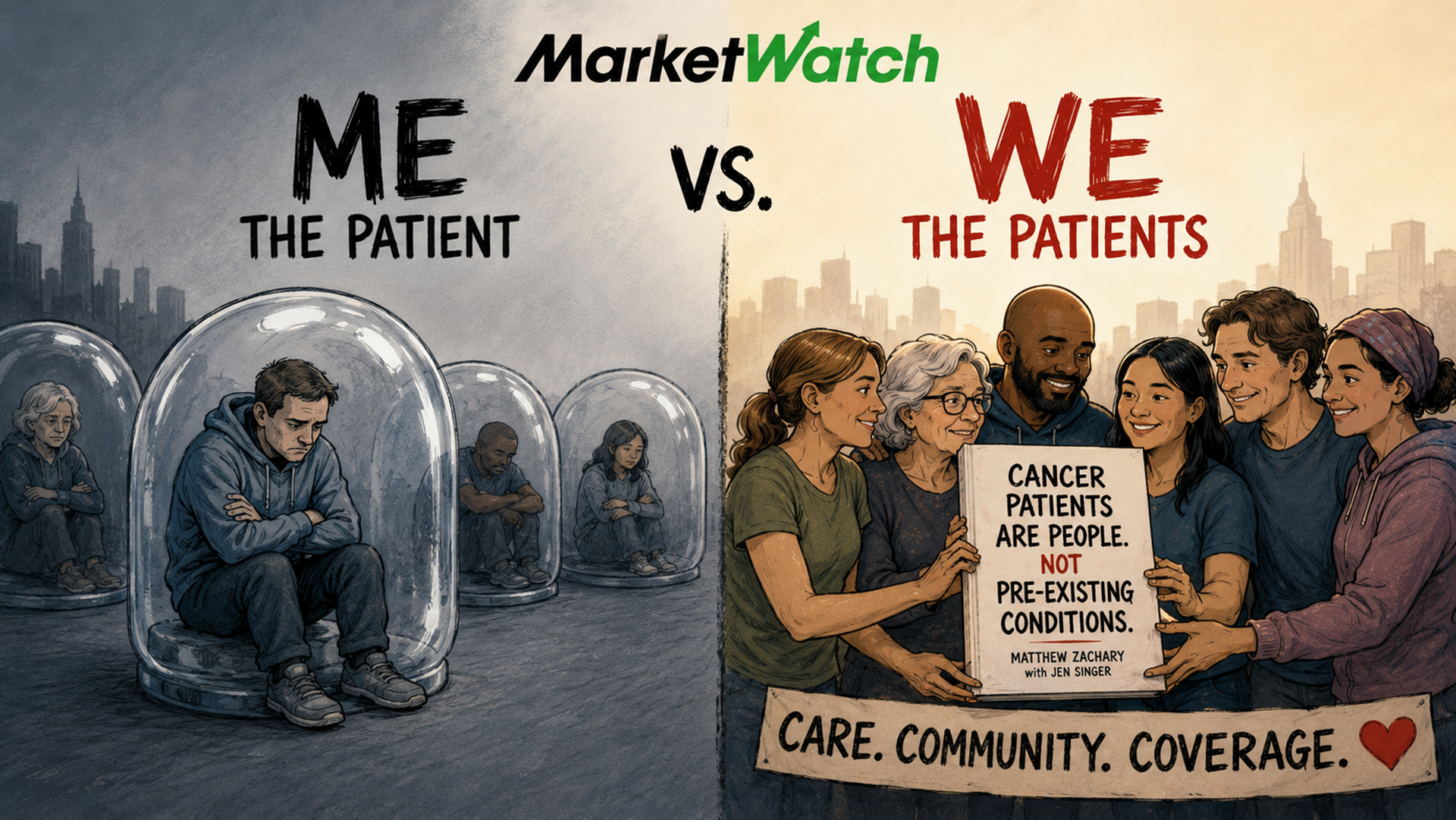
The Healthcare System Works Exactly as Designed. Cancer Patients Pay the Price.
Cancer patients increasingly absorb the financial risk of surviving disease in America. A brain cancer survivor examines how healthcare incentives, insurance design, and policy decisions shifted instability onto patients and families while institutions protect margins.
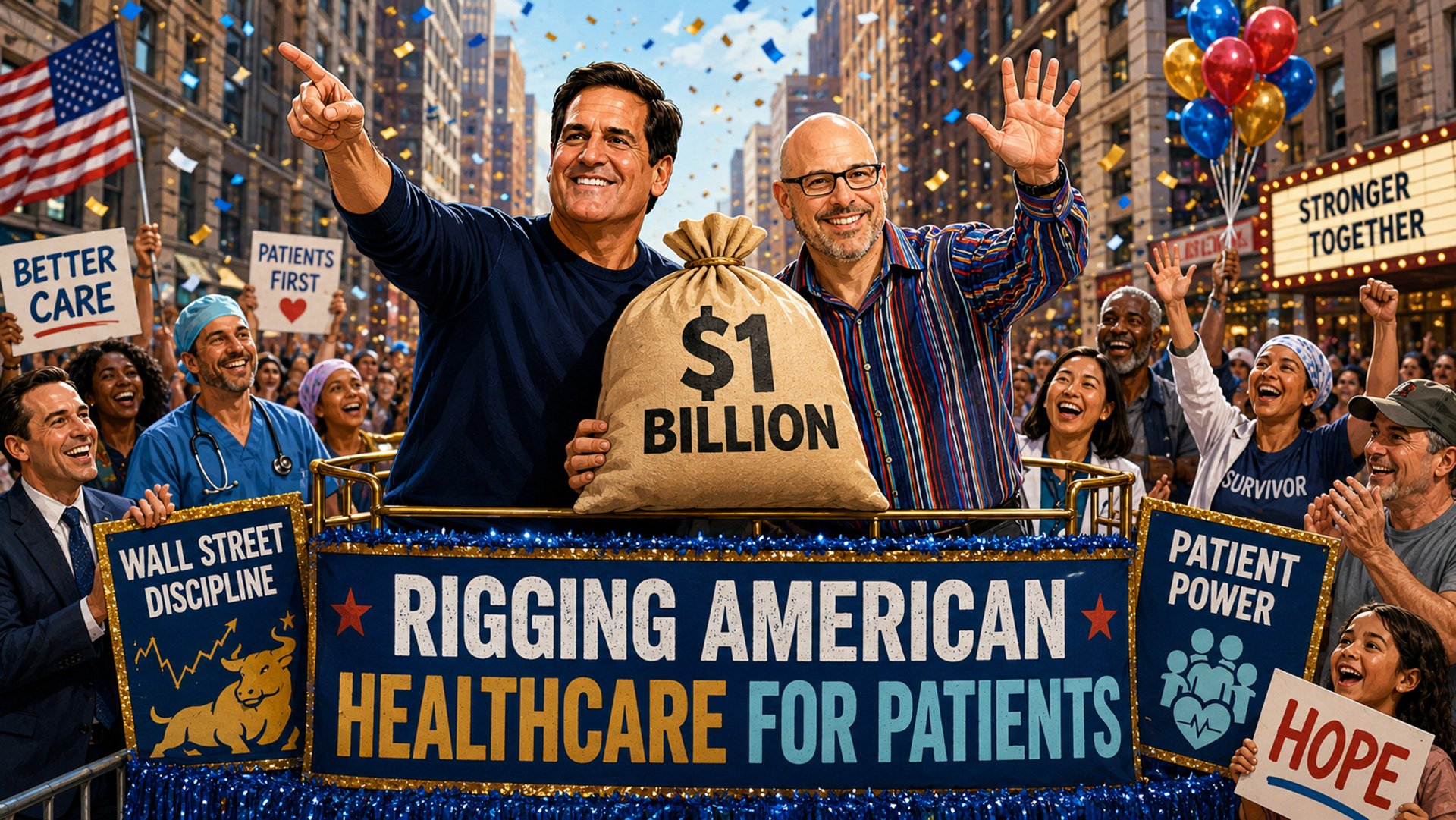
How I’d Spend $1 Billion to Fix Healthcare Alongside Mark Cuban
Mark Cuban attacks healthcare through pricing transparency and market discipline. I would attack it through patient infrastructure, legal protection, accountability, and civic power. Together, those strategies could finally begin realigning the incentives driving American healthcare.

Out of Patients?
Join the recurring Out of Patients dispatch from Matthew Zachary covering the latest American healthcare shenanigans. Essays, podcast episodes, media appearances, book updates, and live events delivered with a sardonic Gen X perspective from a patient who simply refuses to shut up.
Get the dispatch