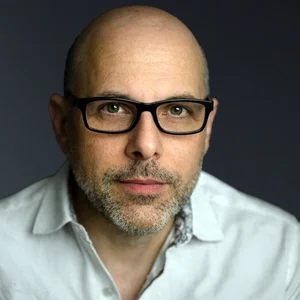
I did not set out to make a cinematic trailer for a book. I set out to write the book because after three decades inside the American healthcare system, I had reached a point where keeping it all in my head felt irresponsible. I have lived this from every angle that counts. Patient at twenty one with brain cancer. Advocate. Founder. Media voice. I have watched what happens when people get sick and collide with a system that responds with paperwork, delays, and decisions made far away from the bedside. Writing it down felt like the least I could do.
Then I watched the trailer.
It compresses thirty years into a few minutes without softening anything. You see the waiting rooms. You feel the silence on the other end of a phone call that never gets answered. You recognize the posture of someone sitting still while their life starts to come apart in slow motion. It does not center me. It cannot. It carries the weight of every person who trusted me with their story, every family that did everything right and still lost everything, and every advocate who kept showing up long after the headlines moved on.
I cried in a way that caught me off guard. Not because I felt proud, but because I saw the scale of what people have been carrying alone. That reaction forced a realization I had been avoiding. This project has outgrown the boundaries of a book.
We the Patients: Understanding, Navigating, and Surviving America’s Healthcare Nightmare exists to name the system for what it is and how it behaves. It rewards delay. It rewards confusion. It rewards saying no until someone runs out of time, money, or stamina. That pattern holds because the incentives point in that direction. I have spent thirty years watching those incentives play out in real time, and I have spent just as long translating that reality for people who feel like they are losing control of their own lives.
The trailer does something different. It removes the abstraction. It puts the experience in front of you without the buffer of policy language or industry jargon. It shows what a denial looks like when it lands on a real person. It shows the gap between what people think healthcare is supposed to do and what it actually does when the system decides to stall.
The early responses reflect that clarity. Publishers Weekly described it as a blistering exposé with a sense of possibility. Jeremy Abbate at Scientific American pointed to its value for people who have been wronged by a convoluted system and highlighted the focus on returning power to patients. Wendell Potter framed it as a call to action grounded in the reality of corporate incentives. Jody Hoyos at the Prevent Cancer Foundation focused on its ability to explain how we got here while giving people a reason to keep engaging instead of walking away.
Those reactions come from people who understand the machinery. They recognize the patterns because they have seen them from inside institutions that shape policy, media, and care delivery. When they respond this way, it signals that the argument holds up under scrutiny.
I wrote this book with Jen Singer because information alone does not change outcomes. People need language that makes sense of what they are experiencing. They need to understand who benefits from the current design and why surface level fixes keep failing. They need a framework that connects individual frustration to systemic behavior so that their response becomes intentional rather than reactive.
The trailer extends that framework into a different medium. It reaches people who would never pick up a policy report or sit through a panel discussion. It invites them into the reality of the system in a way that feels immediate and personal, then leaves them with a choice about what to do next.
The publication date is May 19 with Wiley. The timing intersects with a moment when healthcare costs, access, and trust continue to erode at the same time. Every election cycle produces new promises, yet the person dealing with a denied claim or an unexplained bill experiences very little change. That disconnect creates a window for something else to take shape.
The idea behind the Year of the Patient rests on a simple observation. Patients already represent the largest and most consistent group affected by the system. They lack organization and collective leverage. When people begin to see themselves as part of a coordinated group with shared interests, the dynamic shifts. Policy follows pressure. Pressure requires alignment and sustained attention.
This book and its trailer aim to provide the foundation for that alignment. They give people a shared language, a set of facts, and a clear understanding of how the system responds to incentives. From there, the next step depends on what individuals and communities choose to do with that information.
Watch the trailer. Share it with someone who has dealt with a denial or a bill that made no sense. Pre order the book if you want the full framework in your hands.
Then decide how you plan to engage, because the system continues exactly as designed when people disengage.