
Out of Patients
with Matthew Zachary
Welcome to 2026: The Year of the Patient where the sick shall inherit the ballot.
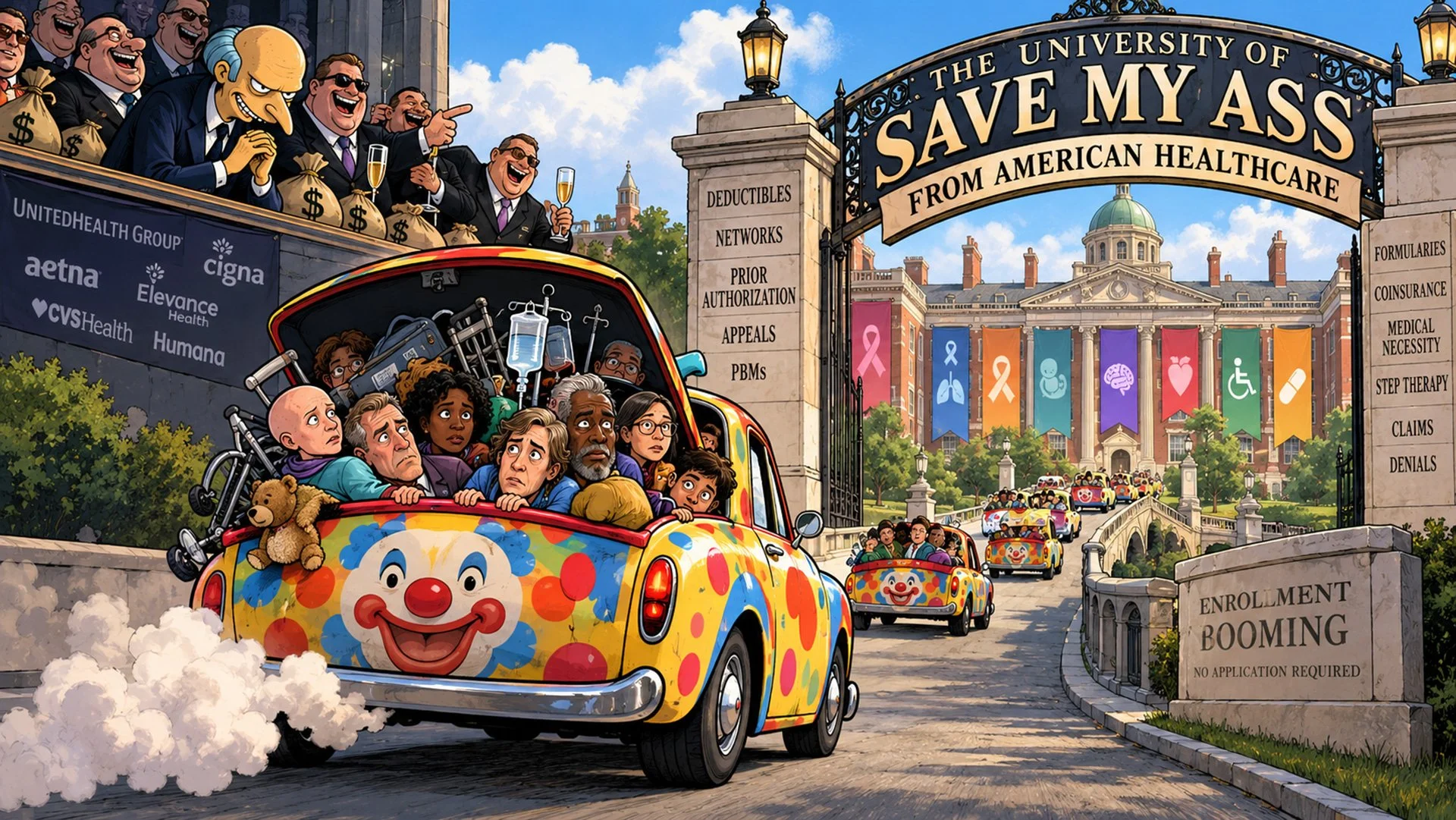
The University of Save My Ass From American Healthcare
American healthcare has spent decades teaching patients to become better mechanics instead of fixing the machine. We learn deductibles, networks, prior authorization, appeals and PBMs because something went wrong. When did surviving the healthcare system become the patient’s responsibility?
![[ICYMI] Your Denial Doesn’t Have to Be Correct. It Just Has to Exhaust You.](https://images.squarespace-cdn.com/content/v1/695180f1fb7a0c3ff10aae14/1790193640835-L6UWIXWRR0FBWHSJFOMR/UHC_LI.jpg)
[ICYMI] Your Denial Doesn’t Have to Be Correct. It Just Has to Exhaust You.
A lawsuit involving UnitedHealth Group alleges more than 90% of certain claim denials were reversed when appealed. The bigger story isn’t just AI. It’s a healthcare system that makes sick people fight decisions that may not survive scrutiny.
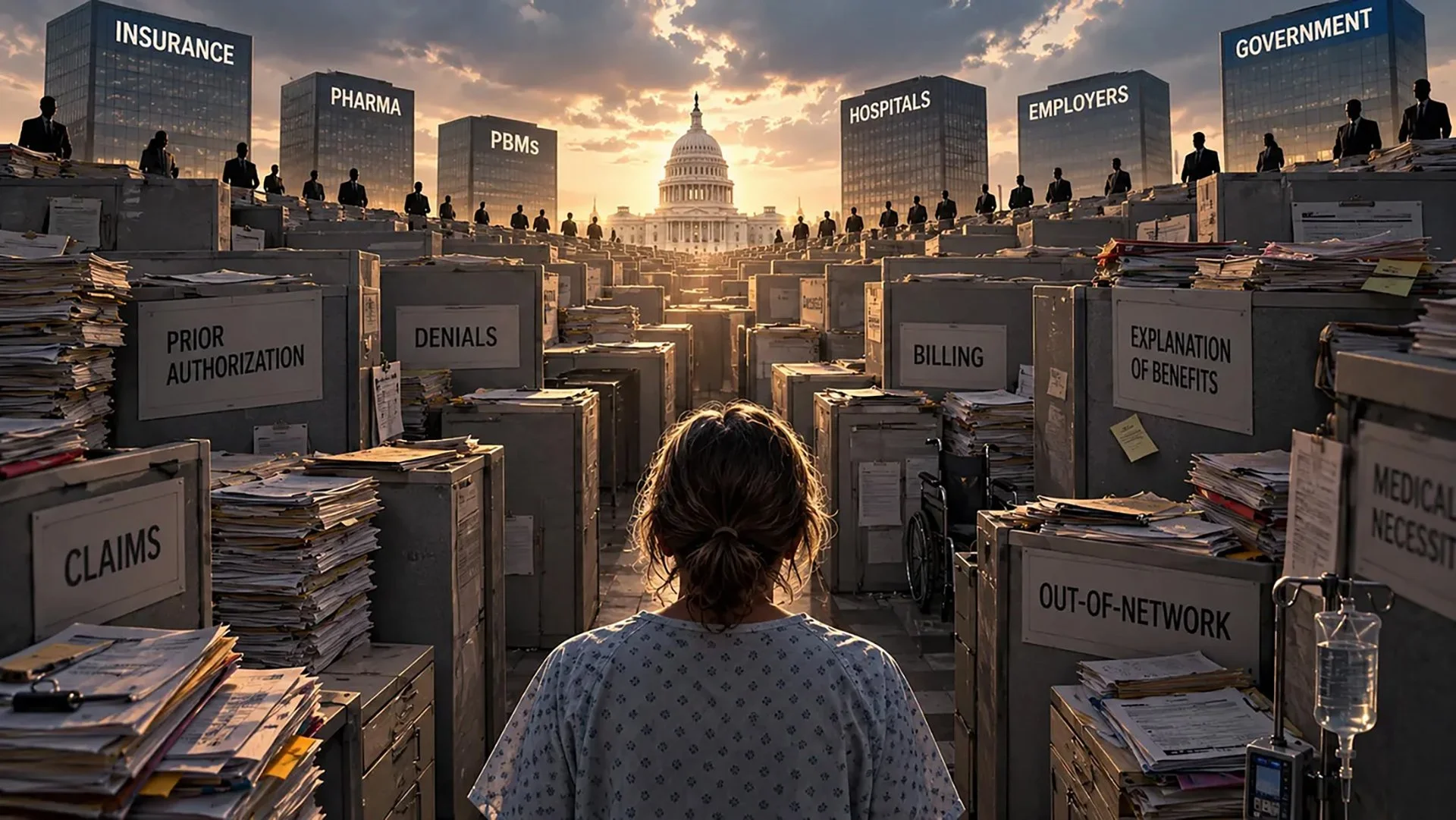
American Healthcare Isn’t Broken. It Was Built This Way.
American healthcare has insurers, hospitals, pharma, PBMs, employers, lobbyists and trade groups organized to protect their interests. The patient has a portal password. After 30 years inside the system, I think patients need something we’ve never had: a constituency.

We The Patients In The Front Window Of The Flagship Barnes & Noble On Fifth Avenue In Manhattan.
We the Patients is in the front window of Barnes & Noble on Fifth Avenue. For Matthew Zachary, the surreal milestone is about more than seeing his book on display. It’s about seeing patients, and the idea of patients as a constituency, finally occupying some very public real estate.
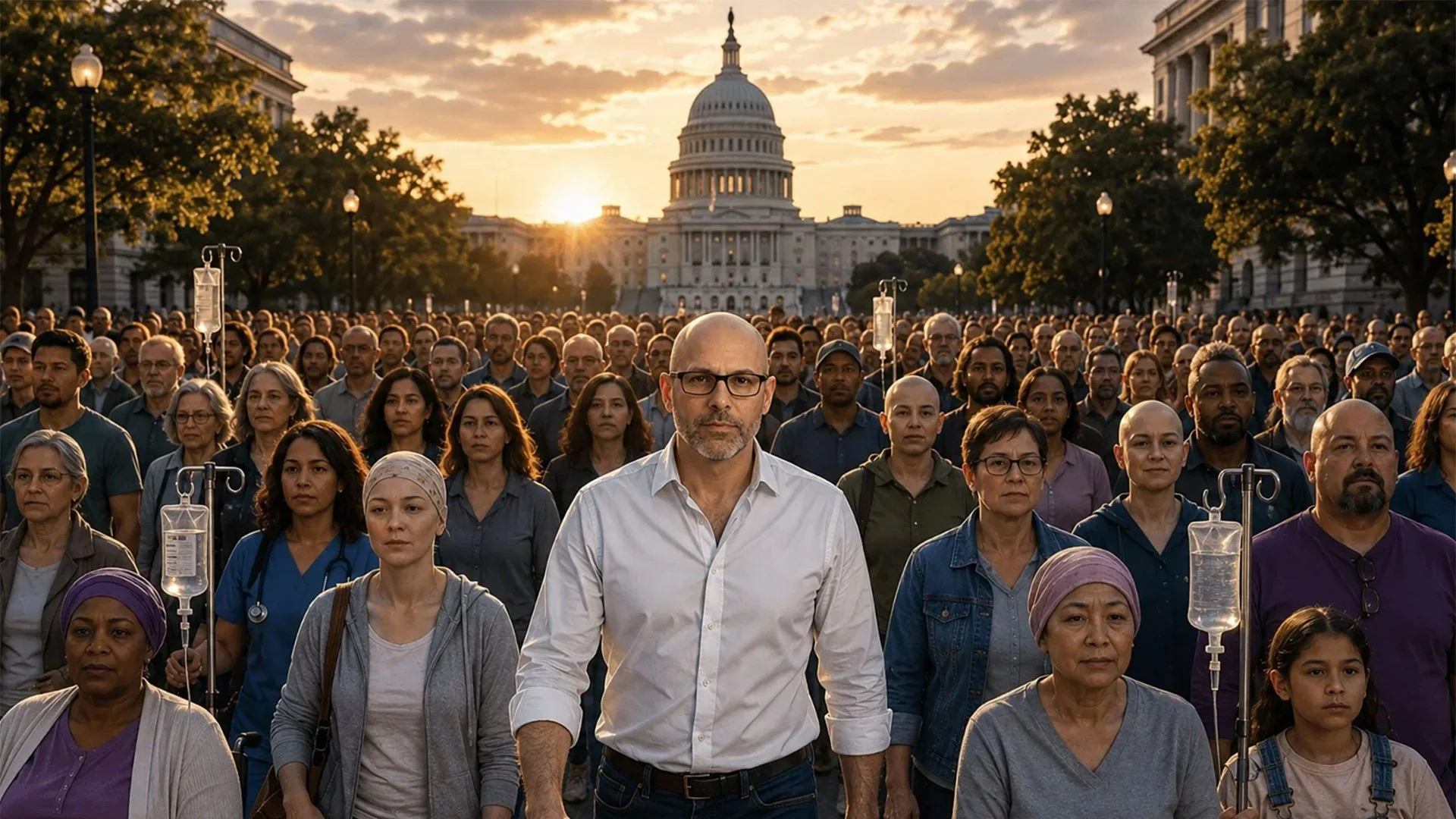
The Missing Constituency: What Comes Next for Patient Advocacy
Patients have always had the numbers. What they have never had is a shared political identity. After 30 years in patient advocacy, Matthew Zachary argues that the next chapter may be transforming shared healthcare experiences into civic and political power.
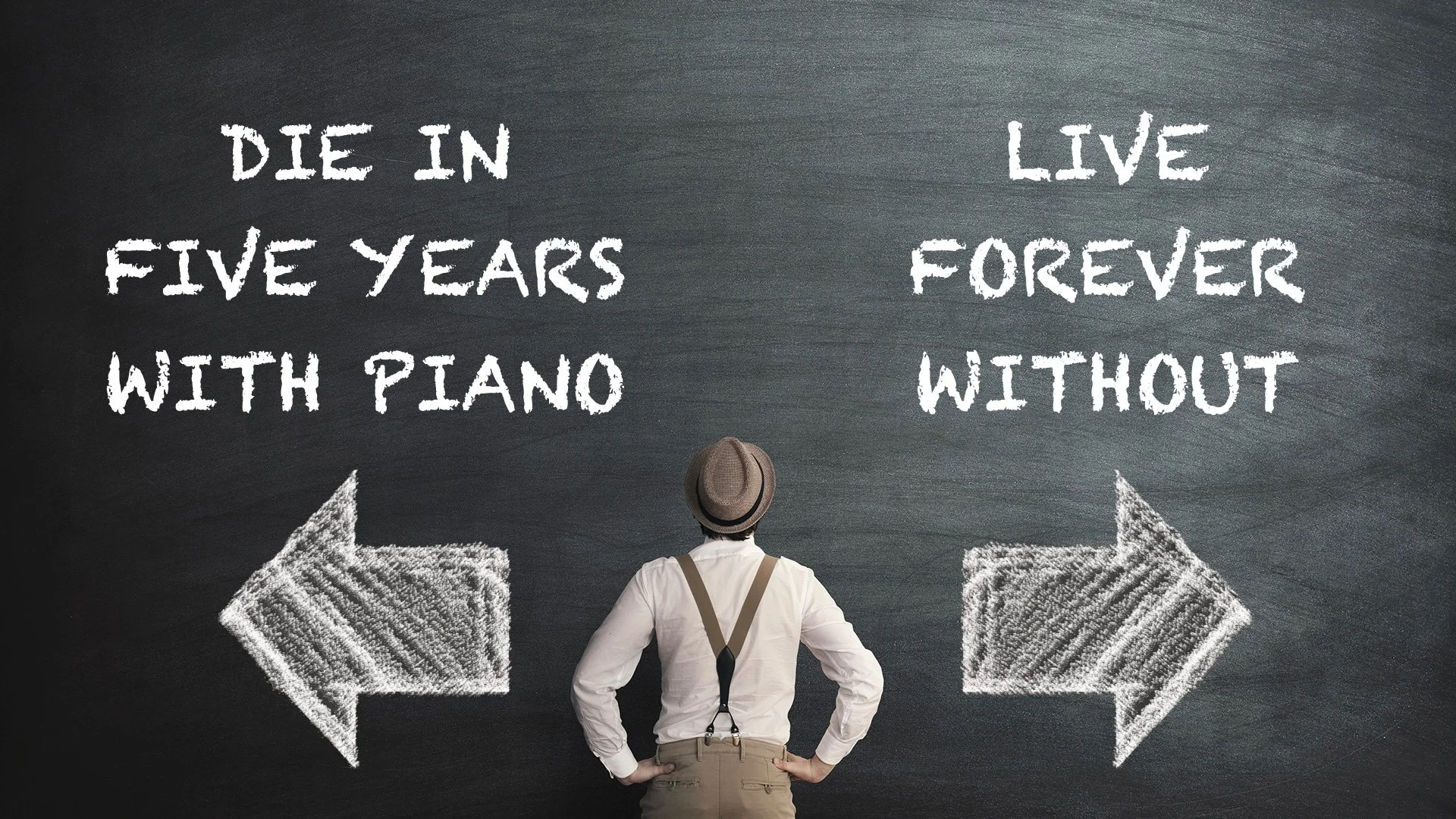
My Uncle Told Me I Might Be Better Off Dying Younger: Behind We the Patients | Story 2 of 5
At 21, chemotherapy might have improved my five-year survival odds by five points while risking my hearing, fingers and cognition. My Uncle Jay asked the question medicine hadn't: what exactly were we saving if treatment took away the things that made my life mine?
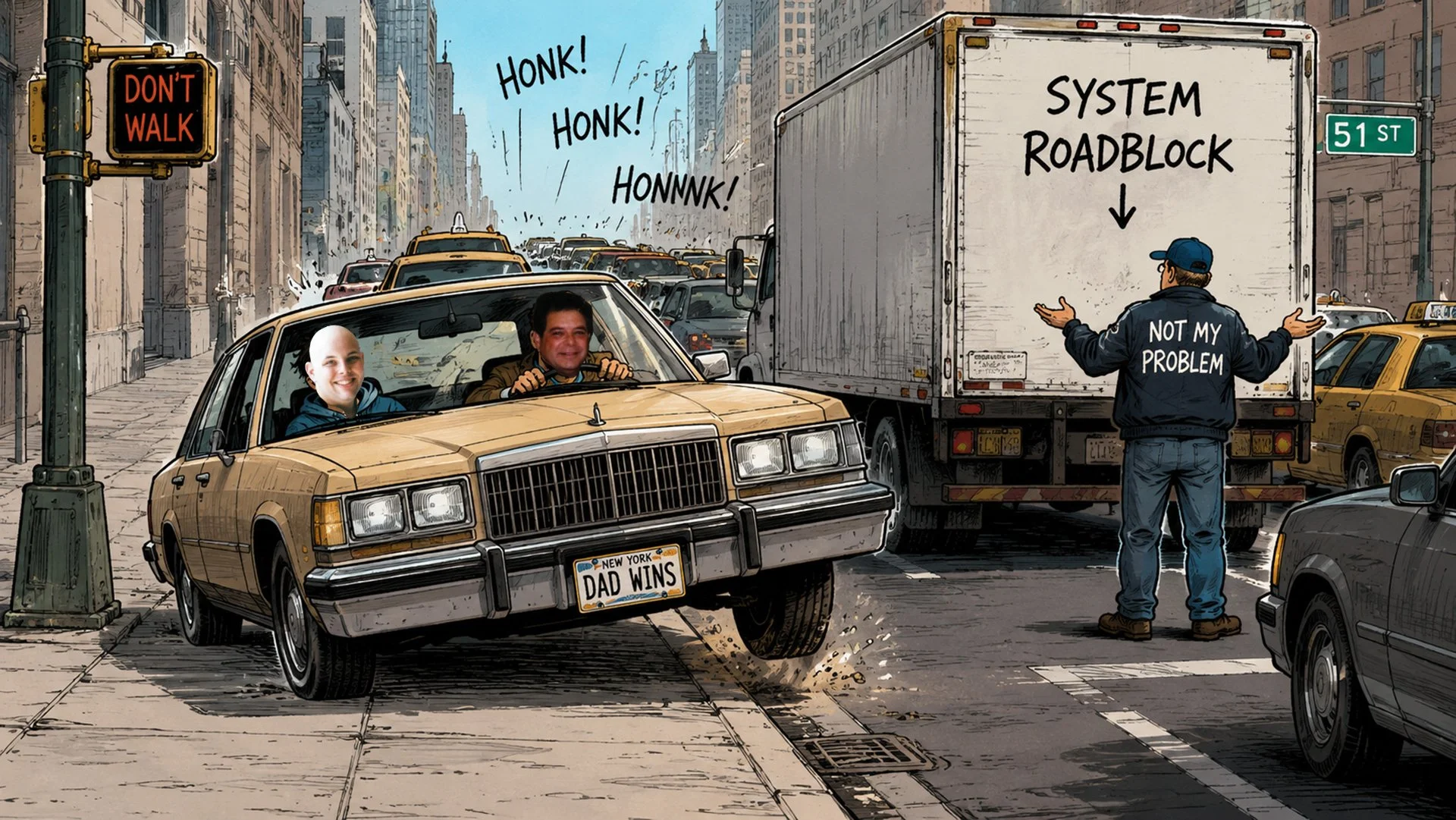
My Dad Drove on the Sidewalk: Behind We the Patients | Story 1 of 5
At 21, I watched my father drive onto a Manhattan sidewalk to get me home from brain cancer treatment. Thirty years later, I realized that absurd New York moment was a perfect metaphor for American healthcare: when the road is blocked, patients are expected to find the sidewalk.
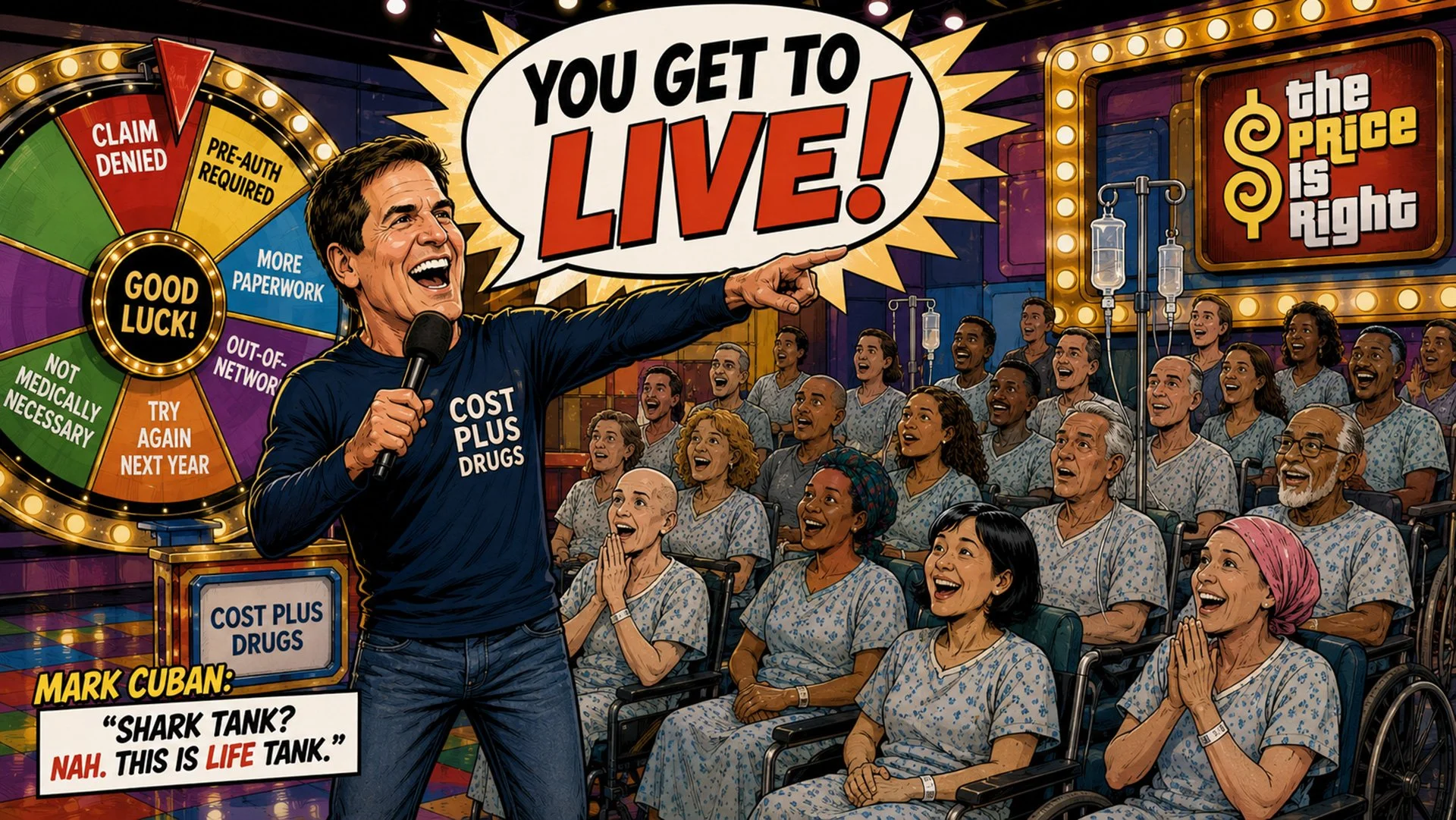
You Should Not Need To Know Mark Cuban To Get Unfucked From American Healthcare.
A heart transplant survivor lost affordable access to the drug keeping her alive. It took two viral stories, a grieving donor mother, a nonprofit, and Mark Cuban to fix it. The happy ending is the problem: nobody should need an audience, influence, or a billionaire to get healthcare.
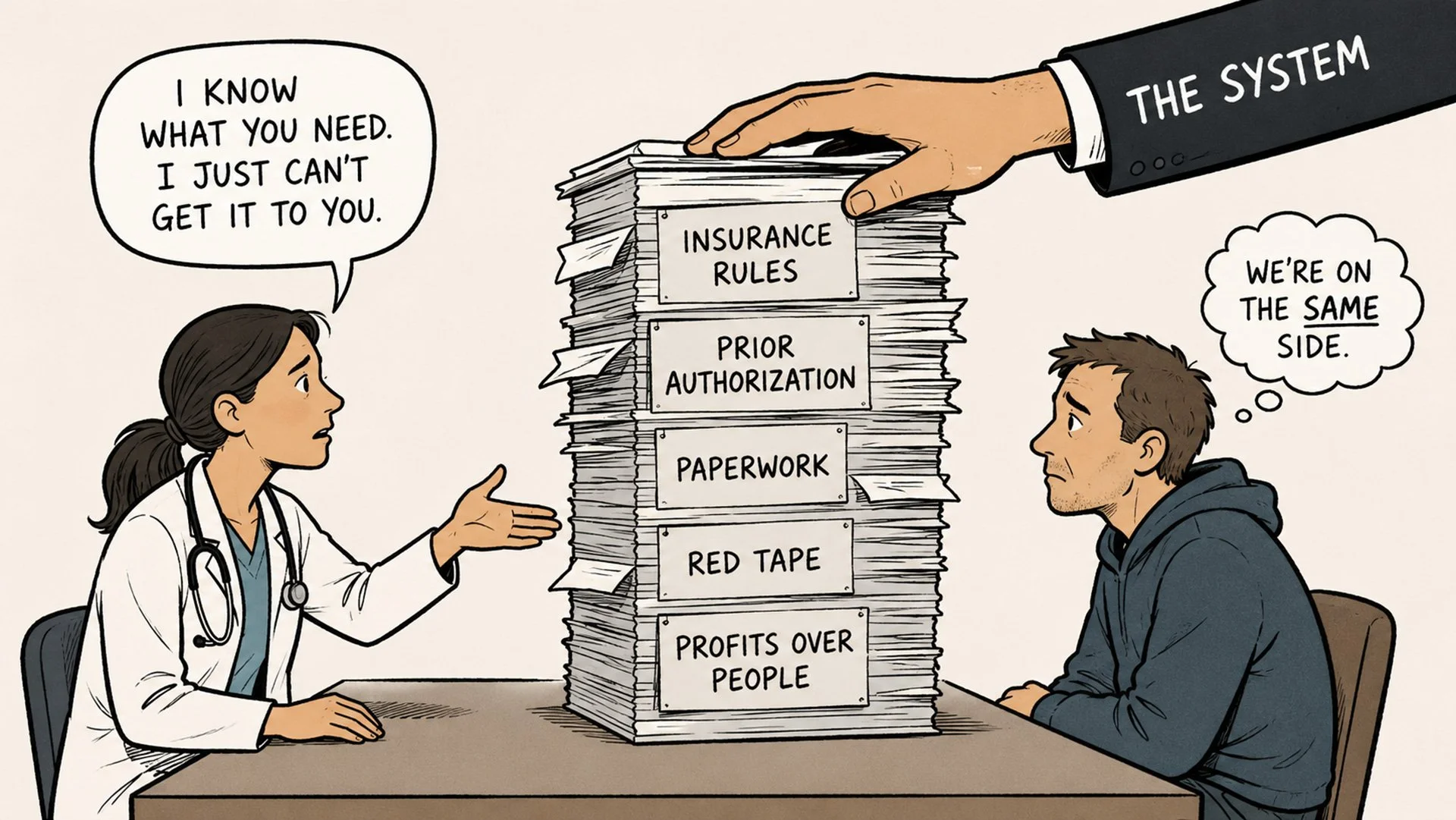
Doctors Aren’t Unable to Treat Their Patients. They’re Being Blocked.
Doctors know how to treat their patients. Increasingly, they’re being blocked from doing it. After decades in patient advocacy, I’m realizing that patients and physicians may be fighting different sides of the same healthcare battle.
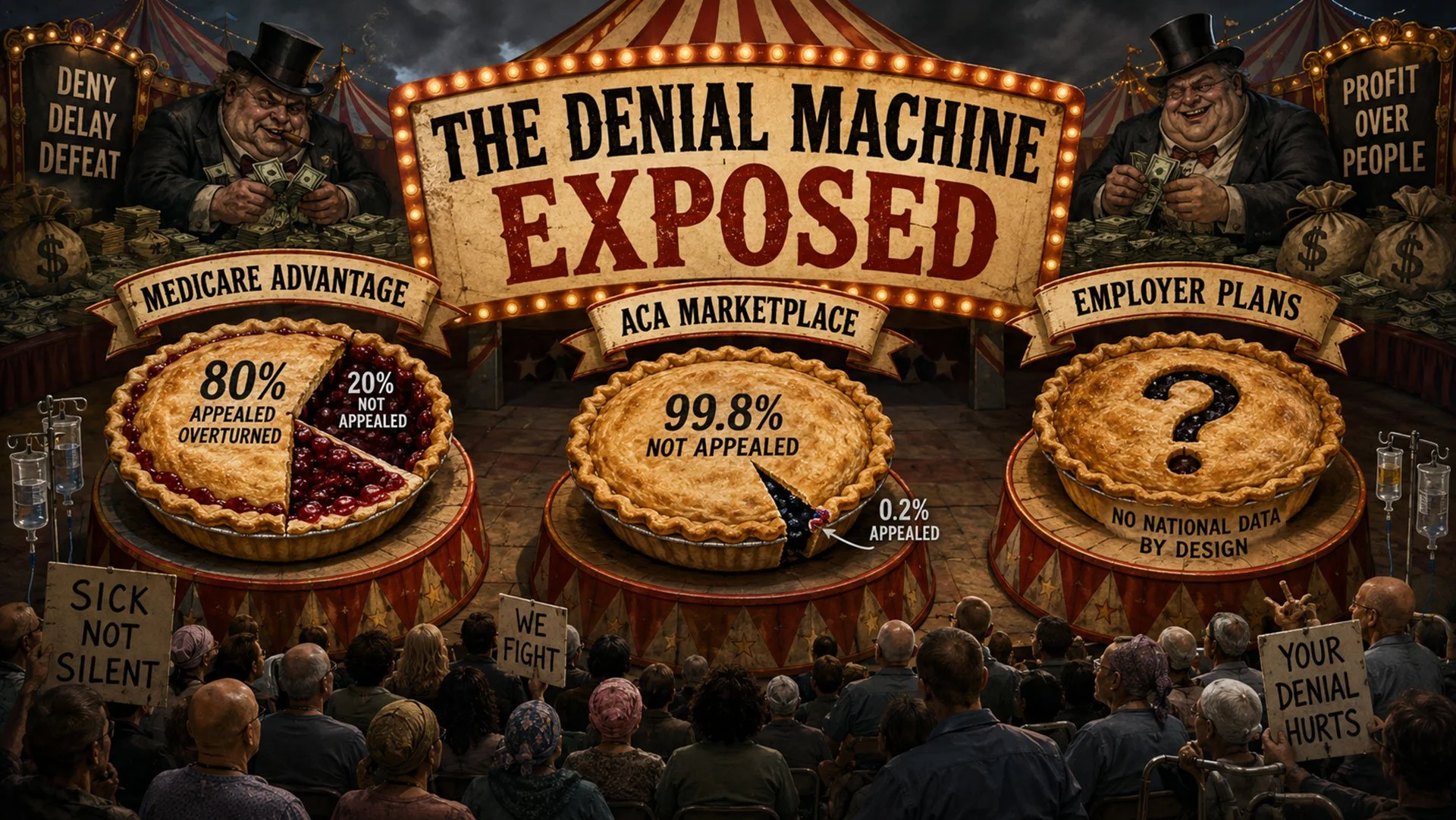
The Denial Machine: Why America’s Health Insurance Appeals System Rewards Patient Exhaustion
More than 80% of appealed Medicare Advantage prior authorization denials are overturned, yet fewer than 0.2% of ACA Marketplace denials are ever appealed. The problem is not only denial. It is a system that profits when patients run out of time, energy, and hope.
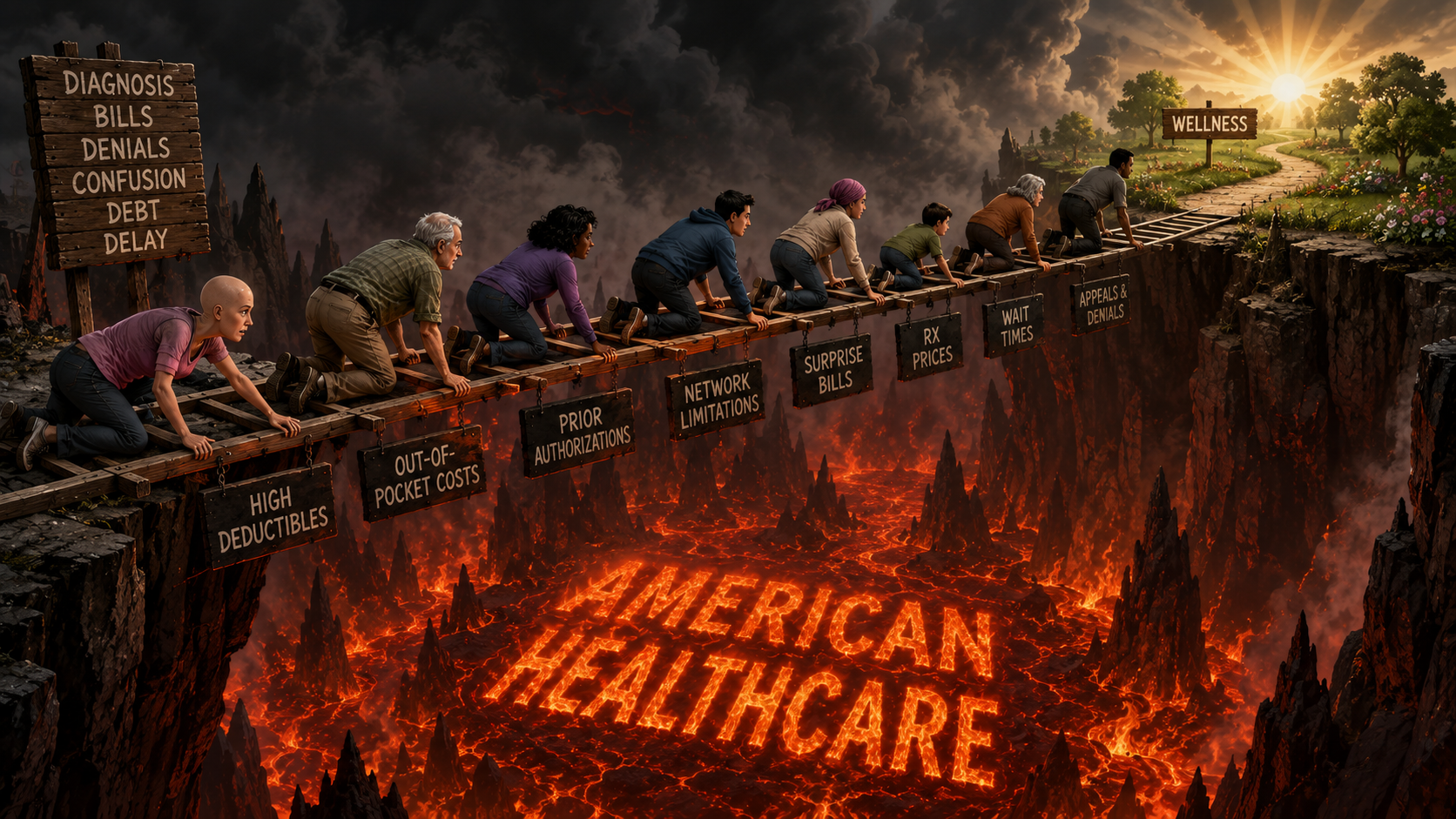
The Fact That Patients Need Survival Guides Is the Scandal
Americans now need books to survive healthcare. That’s not evidence of empowerment. It’s evidence of failure. As affordability collapses and complexity grows, patients are being forced to become advocates, navigators, and administrators just to access care they already pay for.
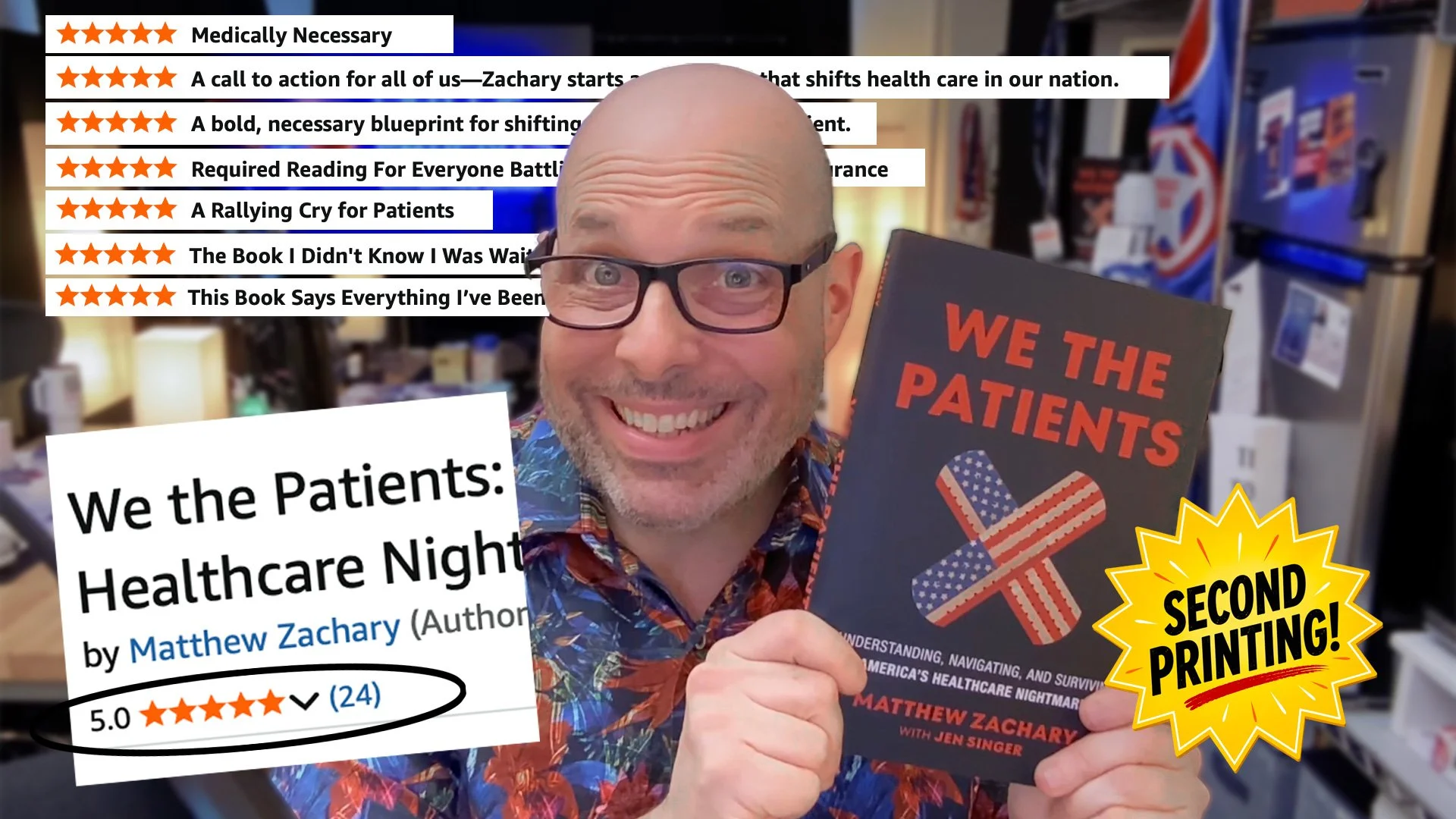
Today My Book Comes Out! It's Already In Its Second Printing. That Never Happens.
We the Patients officially launches today and is already in its second printing before release day. Matthew Zachary shares why readers across healthcare, advocacy, and survivorship circles are responding so strongly to a book that names the realities patients live through every day.
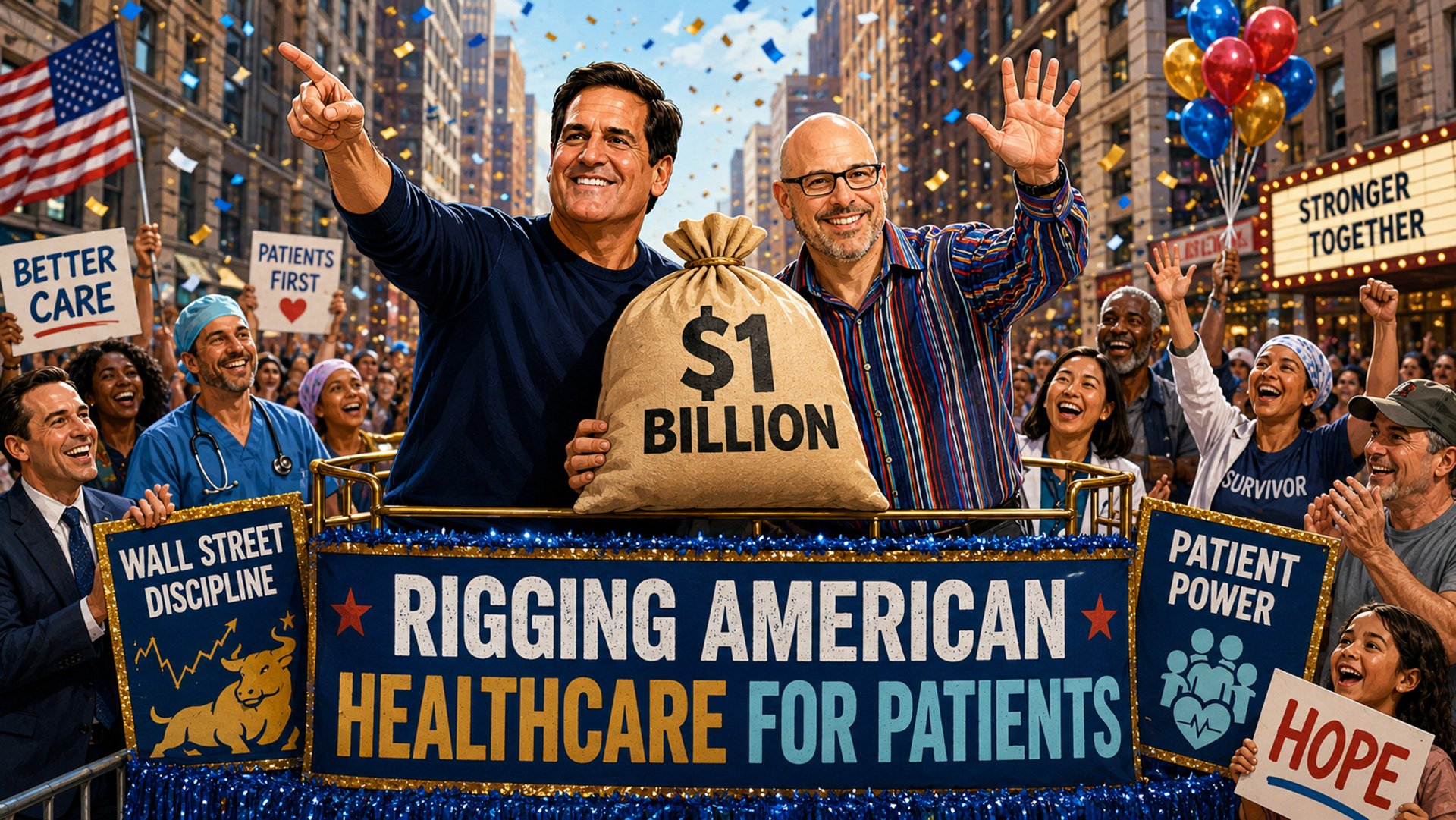
How I’d Spend $1 Billion to Fix Healthcare Alongside Mark Cuban
Mark Cuban attacks healthcare through pricing transparency and market discipline. I would attack it through patient infrastructure, legal protection, accountability, and civic power. Together, those strategies could finally begin realigning the incentives driving American healthcare.
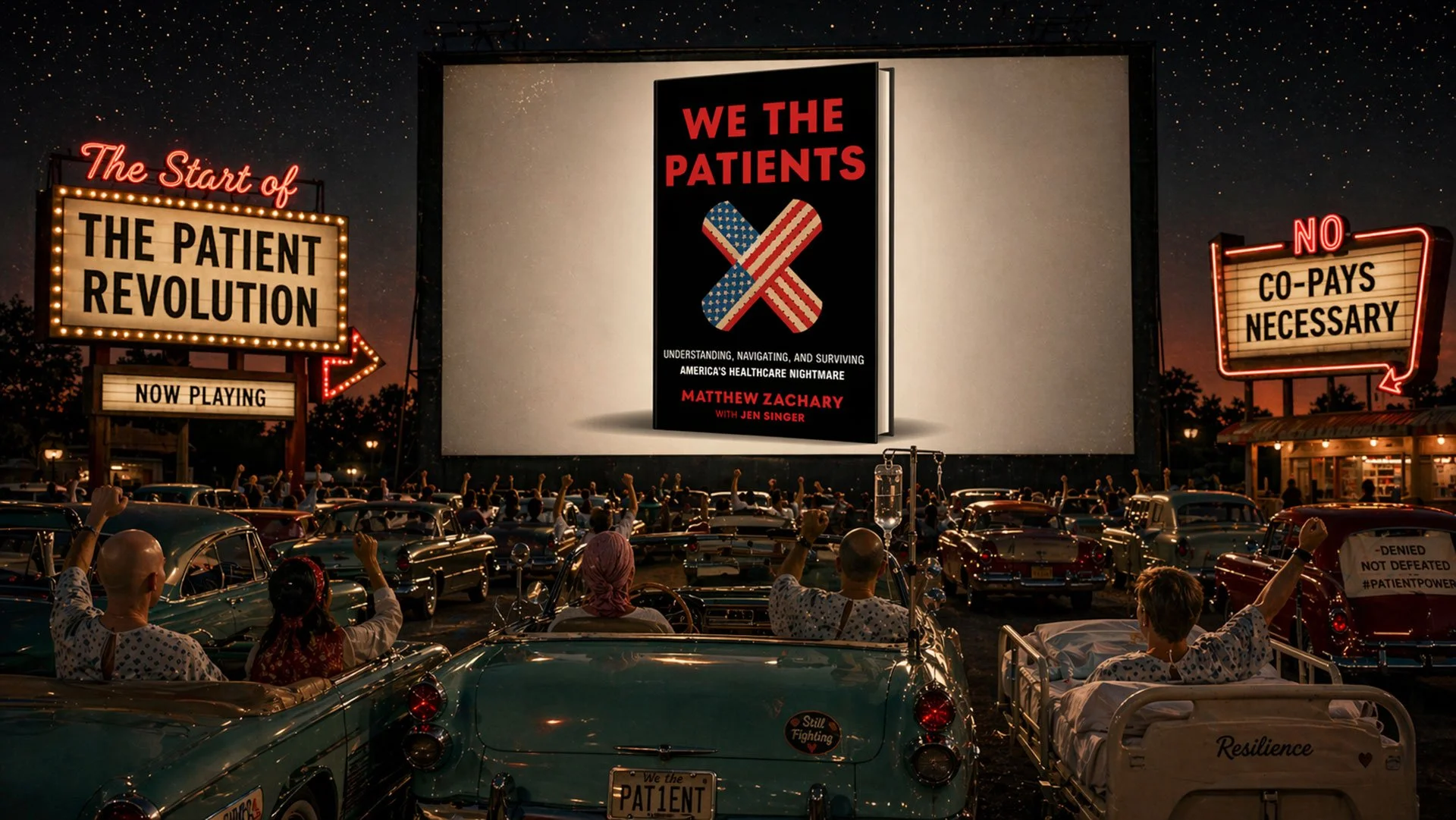
It's A Bird. It's A Plane. It's A Book Trailer! 🙀
After 30 years inside the healthcare system, Matthew Zachary watches his story and thousands of others come to life in a cinematic trailer for We the Patients and explains why this project now reaches far beyond a book.
23,000 LinkedIn Followers and the Reality of US Healthcare
23,000 people follow me on LinkedIn. They are patients, caregivers, and clinicians dealing with insurance denials, medical debt, and delays in care. Here is what they are seeing every day and why it reflects a much larger problem across US healthcare.
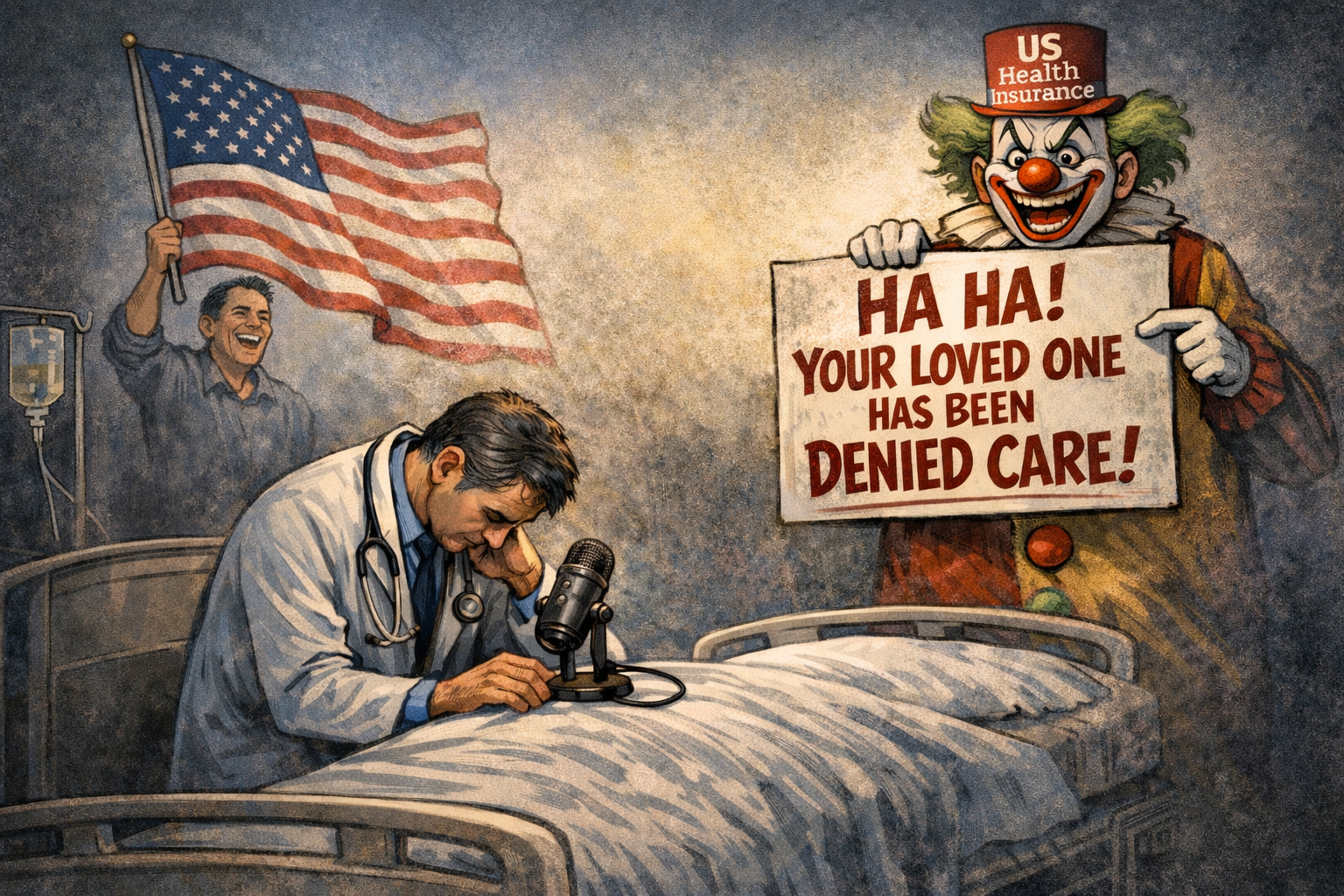
An ICU Doctor Checked His Insurance Portal Every Day While His Daughter Was Dying Of Cancer. He Was Terrified They Would Kick Her Off.
Dr. Hesham Hassaballa is board certified four times over with 20 years in the ICU. When his daughter was getting chemo, he checked his insurance portal daily, terrified they would drop her. A physician. In the system. Earning a good living. Still terrified of financial ruin because his child got sick.
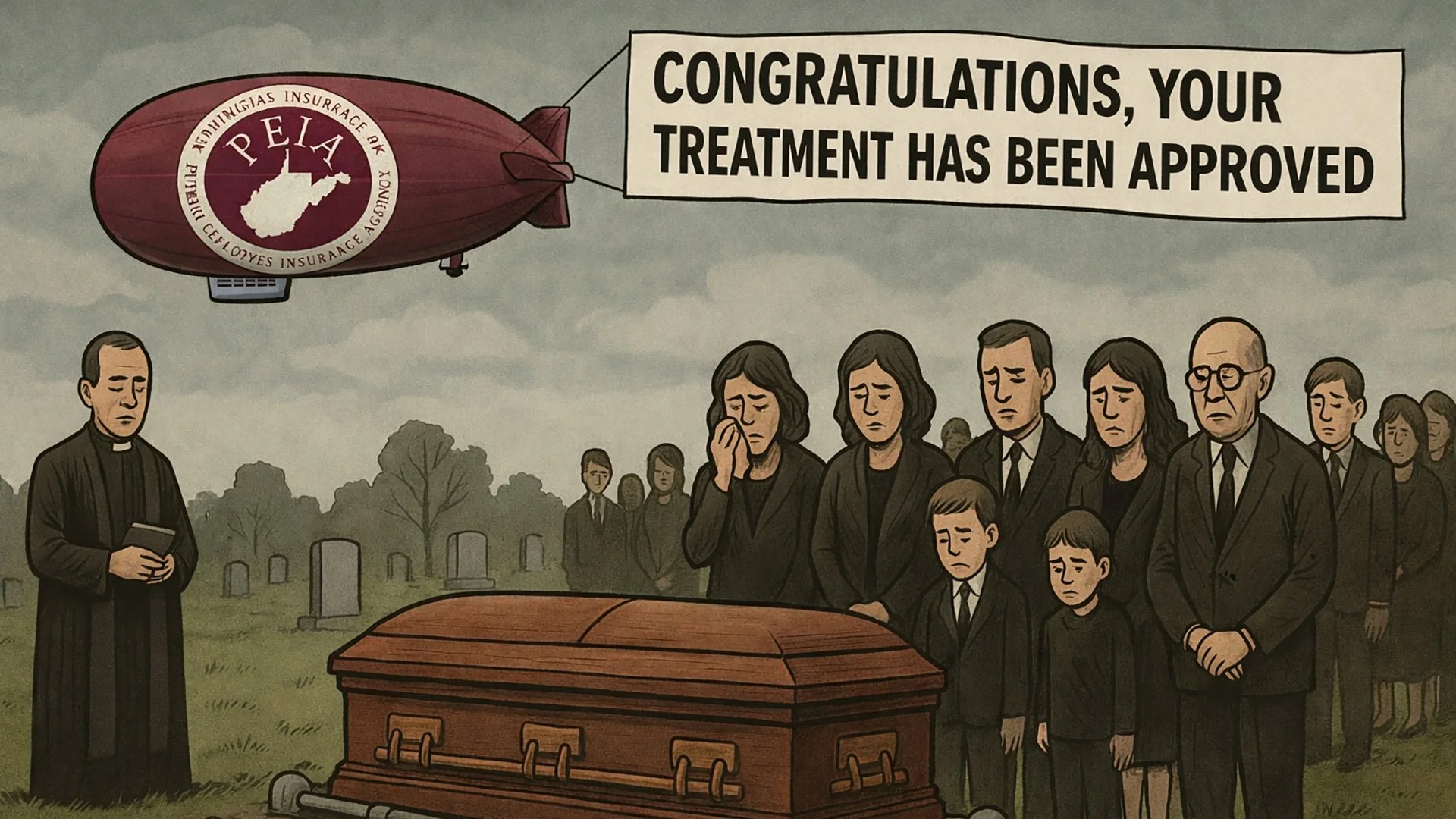
Prior Authorization Works Exactly as Designed and That Is the Problem
Prior authorization persists because it works for the system that created it. This essay explains how cost control, risk management, and delay shape patient outcomes, why reform keeps falling short, and what must change to align financial incentives with timely care.
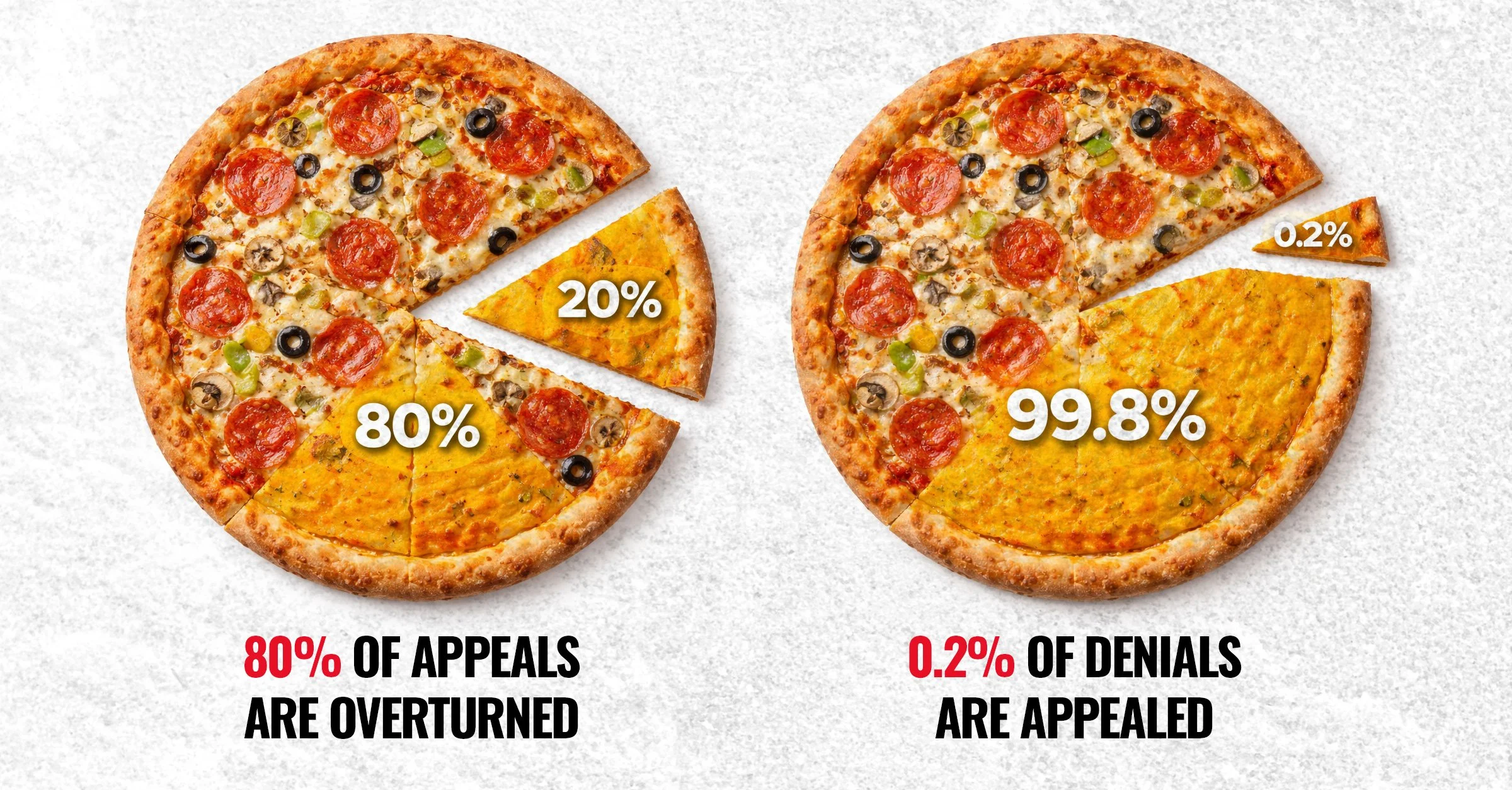
What Happens If More Patients Appeal Insurance Denials?
Only 0.2% of patients appeal insurance denials, yet 80% succeed. This article examines how even small increases in appeals could shift insurer behavior, raise costs, influence Wall Street expectations, and reshape the economics of American healthcare.
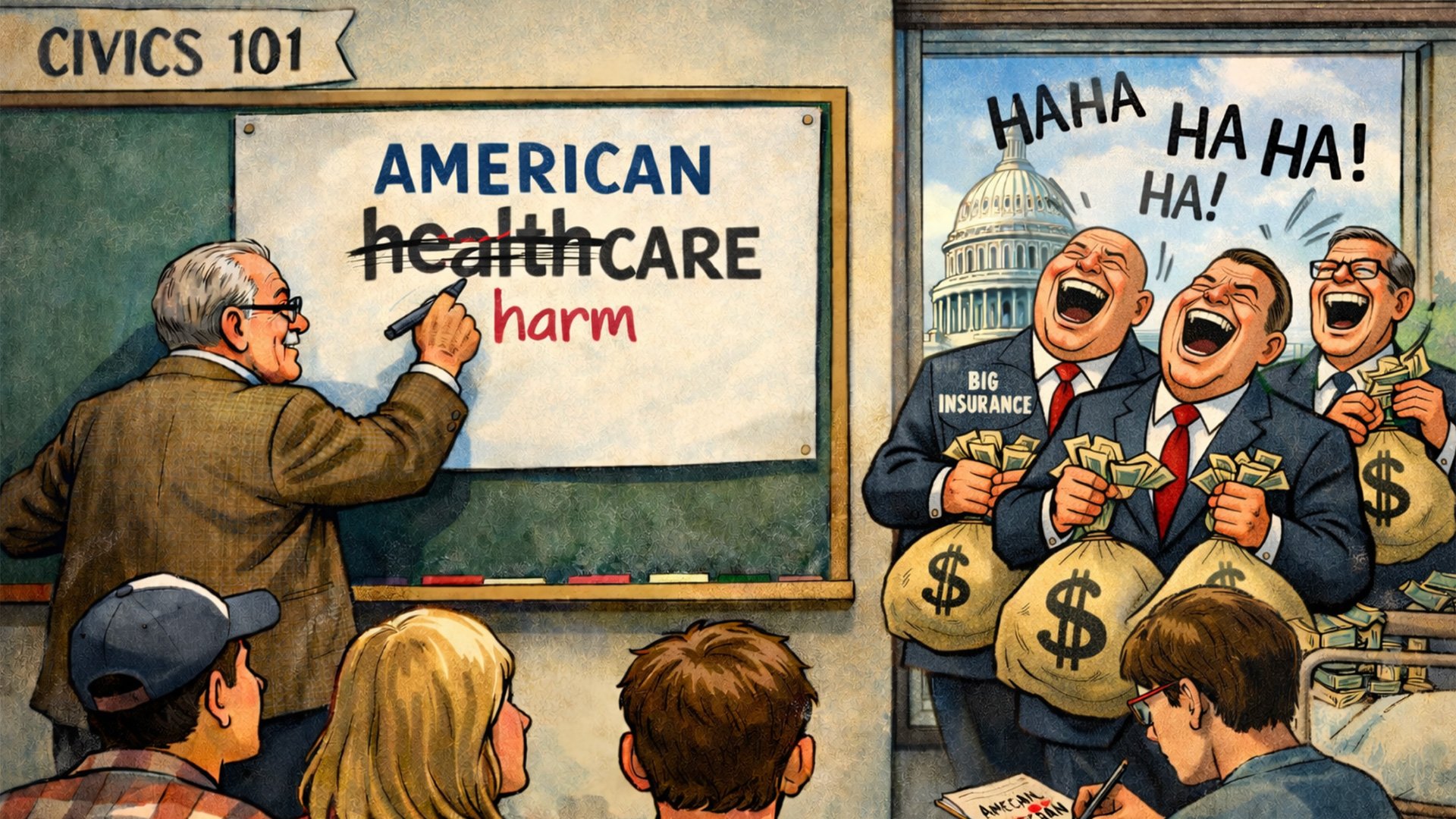
American Harmcare: The System Working Exactly As Designed
A 30 year brain cancer survivor breaks down how insurance delays, denials, and red tape harm patients by design. This is not dysfunction. This is the business model.
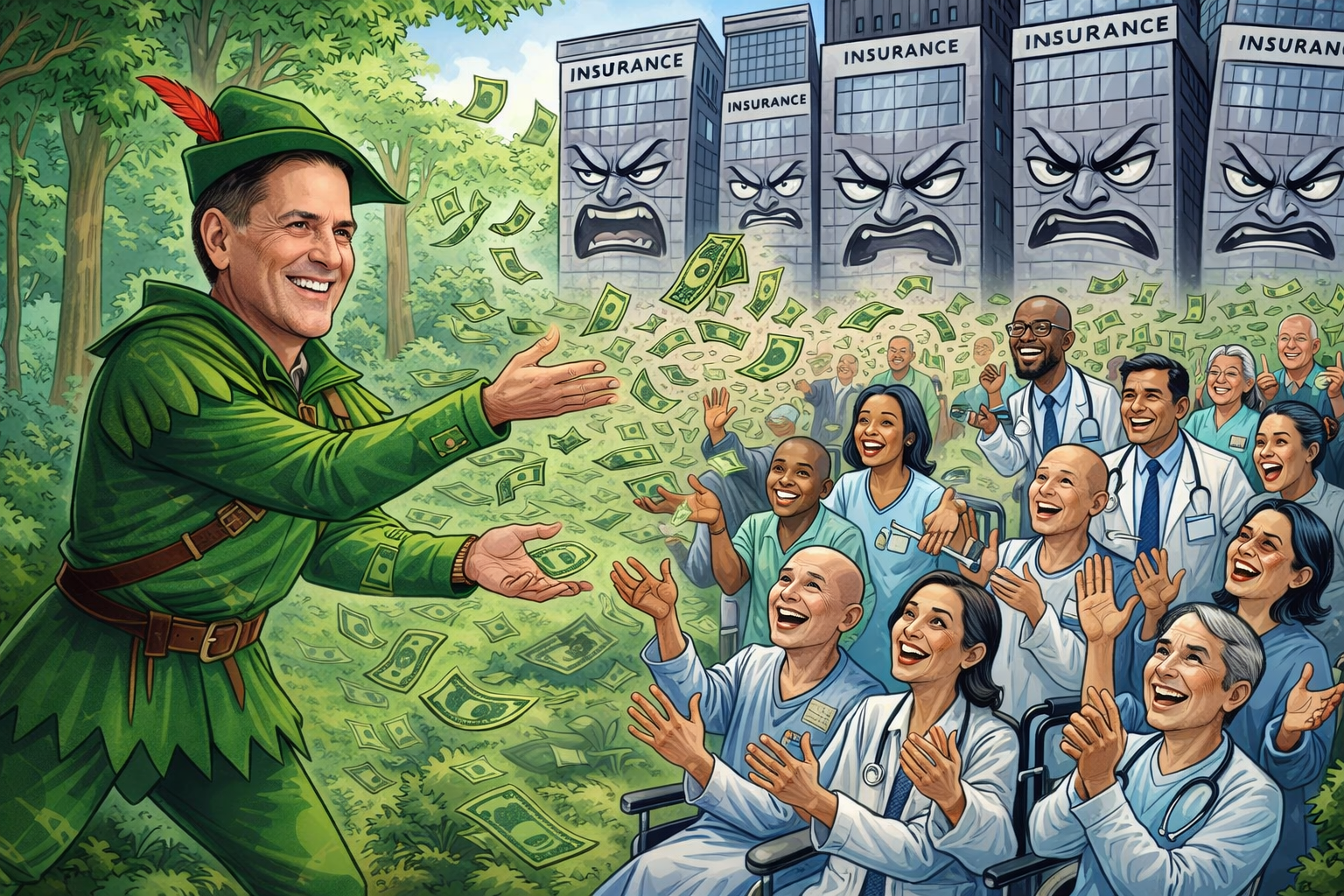
This Week In Cuban: Our Patron Saint Is Still Doing The Lord’s Work.
Mark Cuban is stepping in where insurers fail, funding care and challenging the system. But real change will not come from policy alone. A unified patient voting bloc could reshape healthcare power in America.

Out of Patients?
Join the recurring Out of Patients dispatch from Matthew Zachary covering the latest American healthcare shenanigans. Essays, podcast episodes, media appearances, book updates, and live events delivered with a sardonic Gen X perspective from a patient who simply refuses to shut up.
Get the dispatch