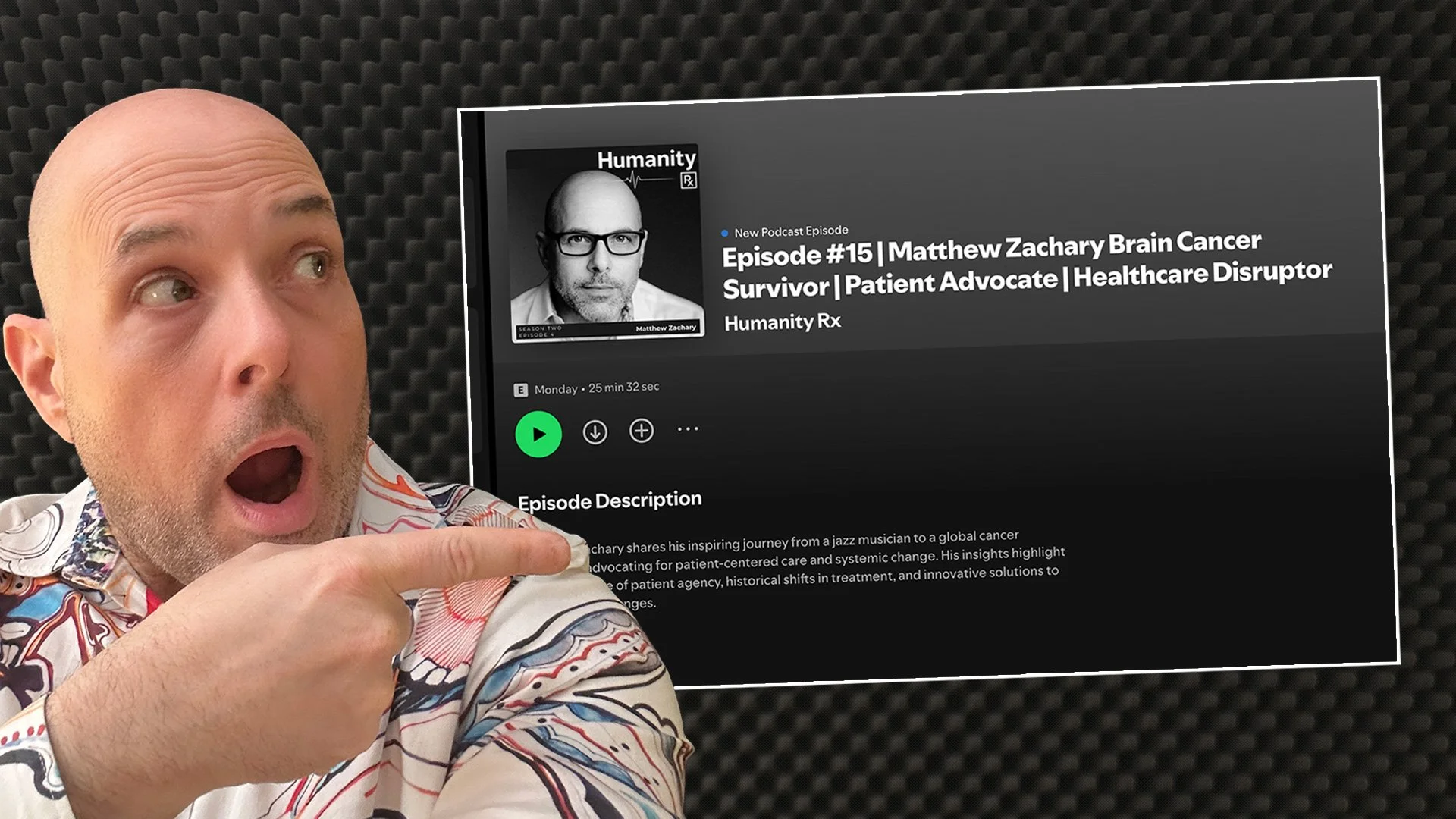
I went on Humanity Rx to say the quiet part clearly and attach names, timelines, and consequences to it.
In 1996, a hospital team handed a 21 year old pianist a chemotherapy plan that would likely leave him deaf with permanent nerve damage. No one explained the agents. No one disclosed the tradeoffs. My family had to force the question. I chose to protect function over blind compliance and got treated like I challenged doctrine. That exchange still shows up today in cleaner language. Shared decision making reads well on a brochure. In practice, it often means sign here and do not slow us down.
We traced what changed and what did not. Oncology added targeted therapies, genetic testing, and supportive care. Survival curves improved. The financing model stayed intact. Insurers still gate access through prior authorization. Pharmacy benefit managers still sit between the patient and the drug and extract margin. Hospitals still code encounters to maximize reimbursement. The result shows up in the same place every time. A patient survives treatment and faces bills that trigger bankruptcy risk.
We named the mechanism. Medical debt drives 2 thirds of U.S. bankruptcies, and cancer sits at the center of those filings. Employers design benefits that shift cost to workers. Payers deny or delay care to manage loss ratios. Politicians accept industry money and avoid structural fixes. Patients absorb the delta.
We also cut through the current noise cycle. Algorithms amplify false cures because engagement pays. People in active treatment scroll into misinformation because the system leaves them alone with decisions that carry permanent consequences. The only reliable counterweight still comes from informed peers and clinicians who state tradeoffs in plain language.
Then we moved to leverage. Forty million people in this country live with or beyond cancer. They do not act like a voting bloc. That vacuum keeps policy weak. A single consumer protection law that prevents medical bankruptcy at the state level would change behavior across insurers, hospitals, and lenders. Cost Plus Drugs lowers prices for generics. It does not fix the incentive stack that produced the prices in the first place. Power follows organized voters, not good intentions.
Listen to the episode. Share it with someone who paid a bill they did not understand or delayed care because they feared the bill more than the disease. Recognition precedes action.