
Out of Patients
with Matthew Zachary
Welcome to 2026: The Year of the Patient where the sick shall inherit the ballot.
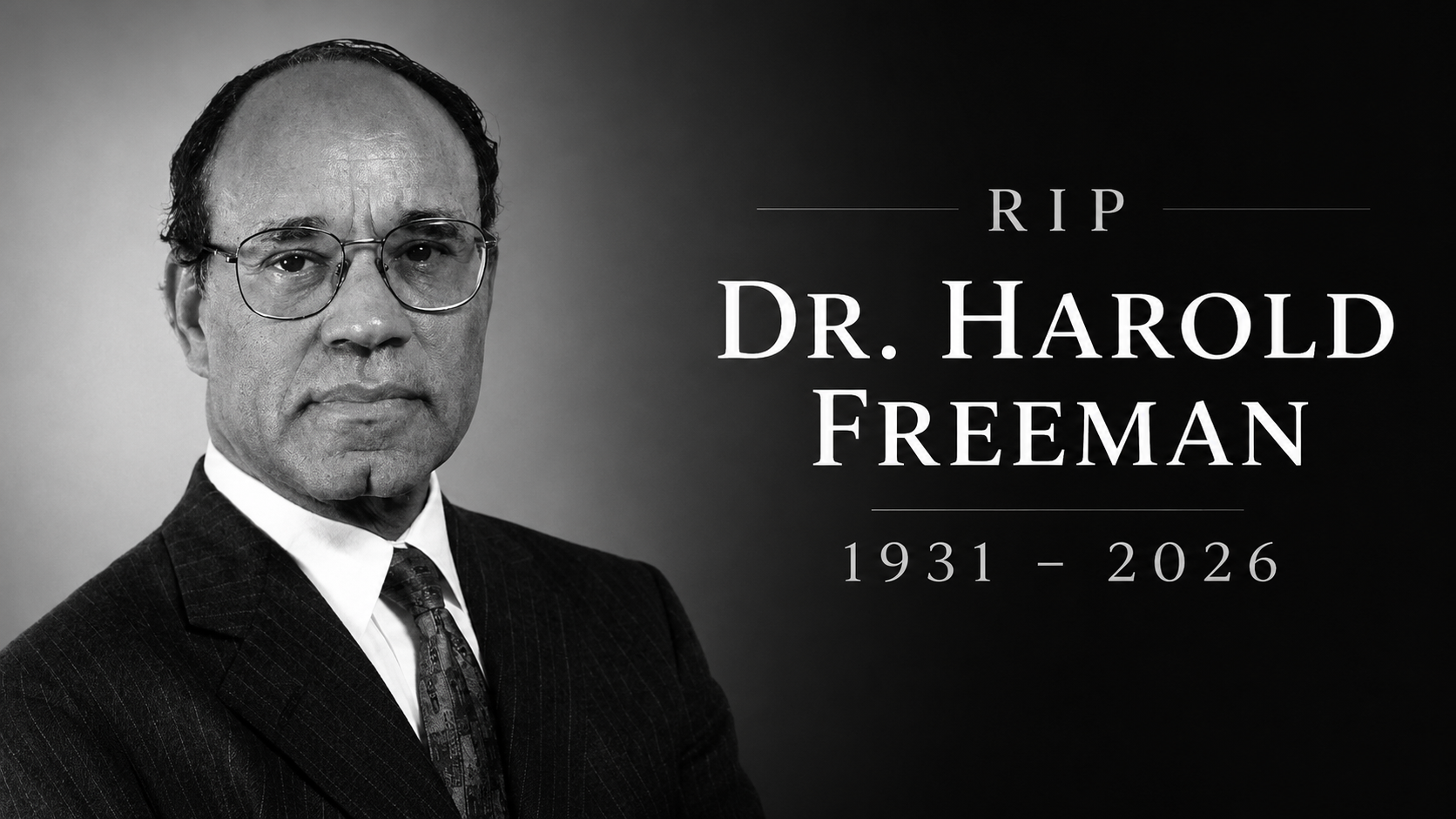
Someone Had To Clear The Road: Eulogizing Dr. Harold Freeman
Dr. Harold Freeman saw poor Black women dying of breast cancer in Harlem and asked why. His answer helped create patient navigation and permanently changed cancer care. A personal remembrance of a pioneer whose road millions still travel today.
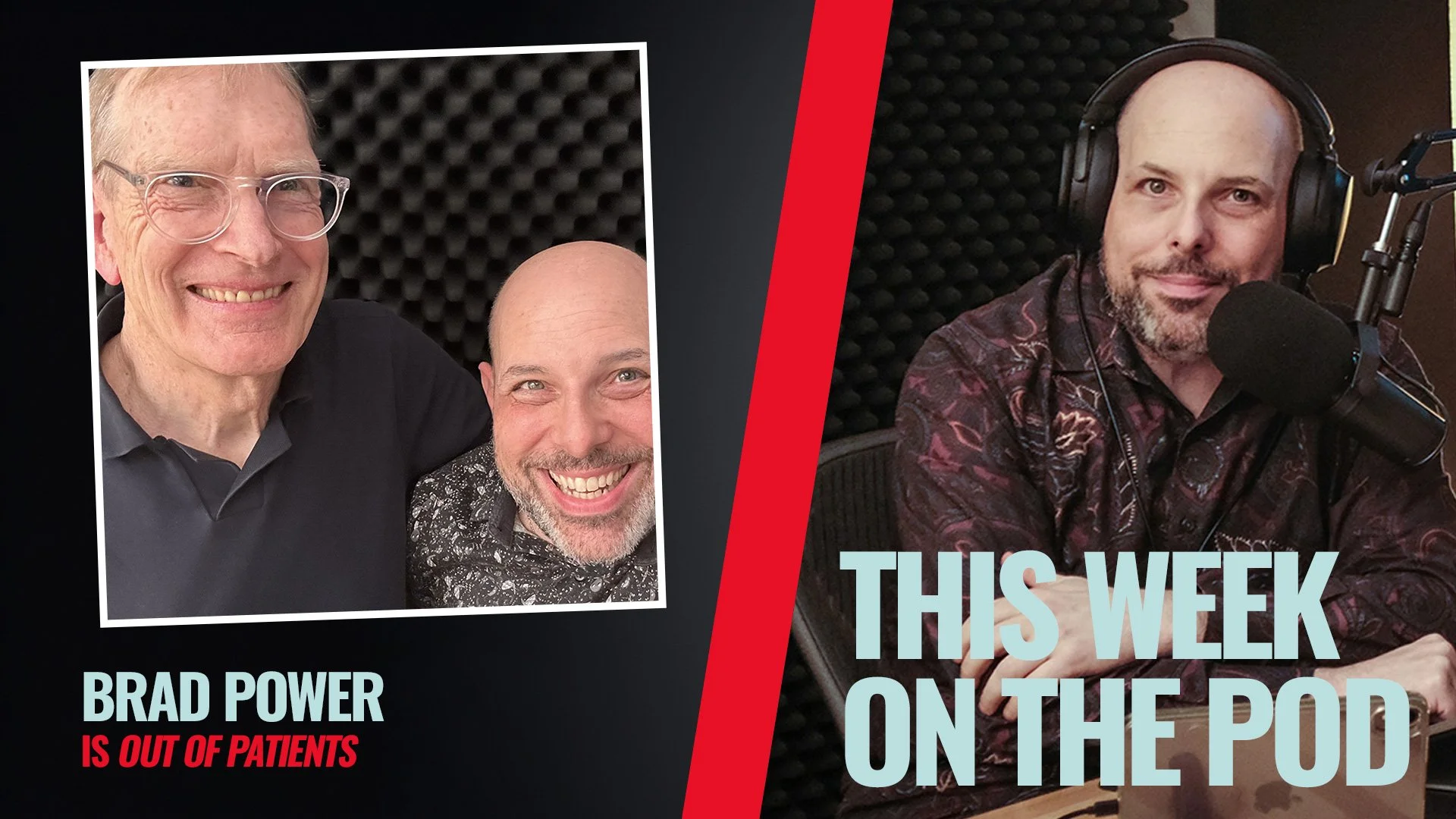
Out of Patients EP452:You Shouldn’t Need AI to Survive Cancer: Brad Power
Cancer patients increasingly rely on AI and patient networks to navigate a healthcare system built around fragmentation and administrative burden. Brad Power explains why patients now trust technology more than the institutions designed to care for them
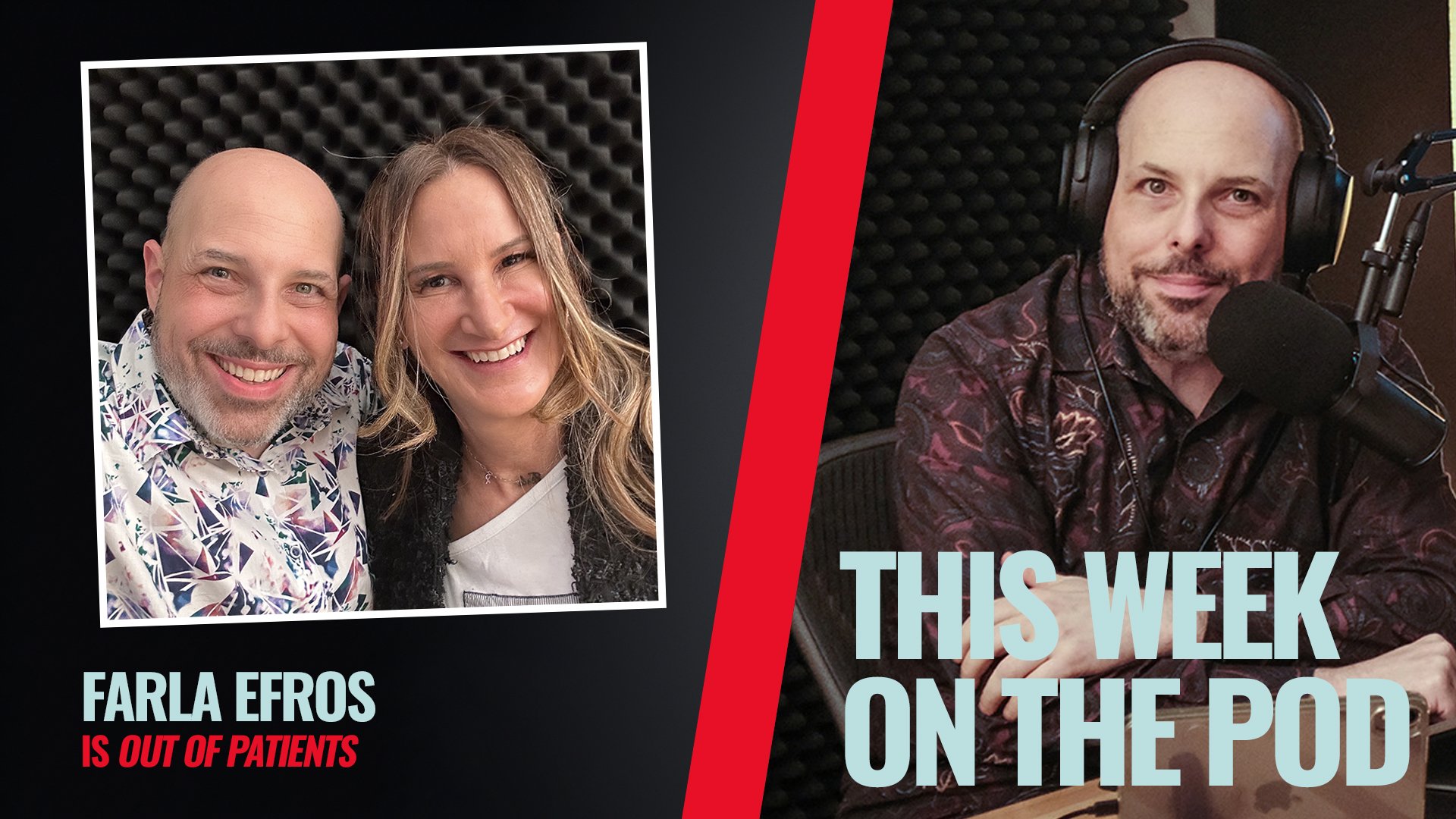
Out of Patients EP450: The Patient Wears Prada: Farla Efros
Retail executive and breast cancer survivor Farla Efros approached cancer the same way she rescued struggling companies: with strategy, discipline, and relentless preparation. She explains why patients are forced to become CEOs of their own care and why the system rewards those who can.

What My Annual ASCO Mosaic Reveals About Cancer Care
Every year I leave ASCO with hundreds of selfies that become one giant mosaic. This year’s image tells a bigger story than the science alone. It captures the people, conversations, and growing realization that the next challenge in cancer care isn’t discovery. It’s making sure patients can reach it.
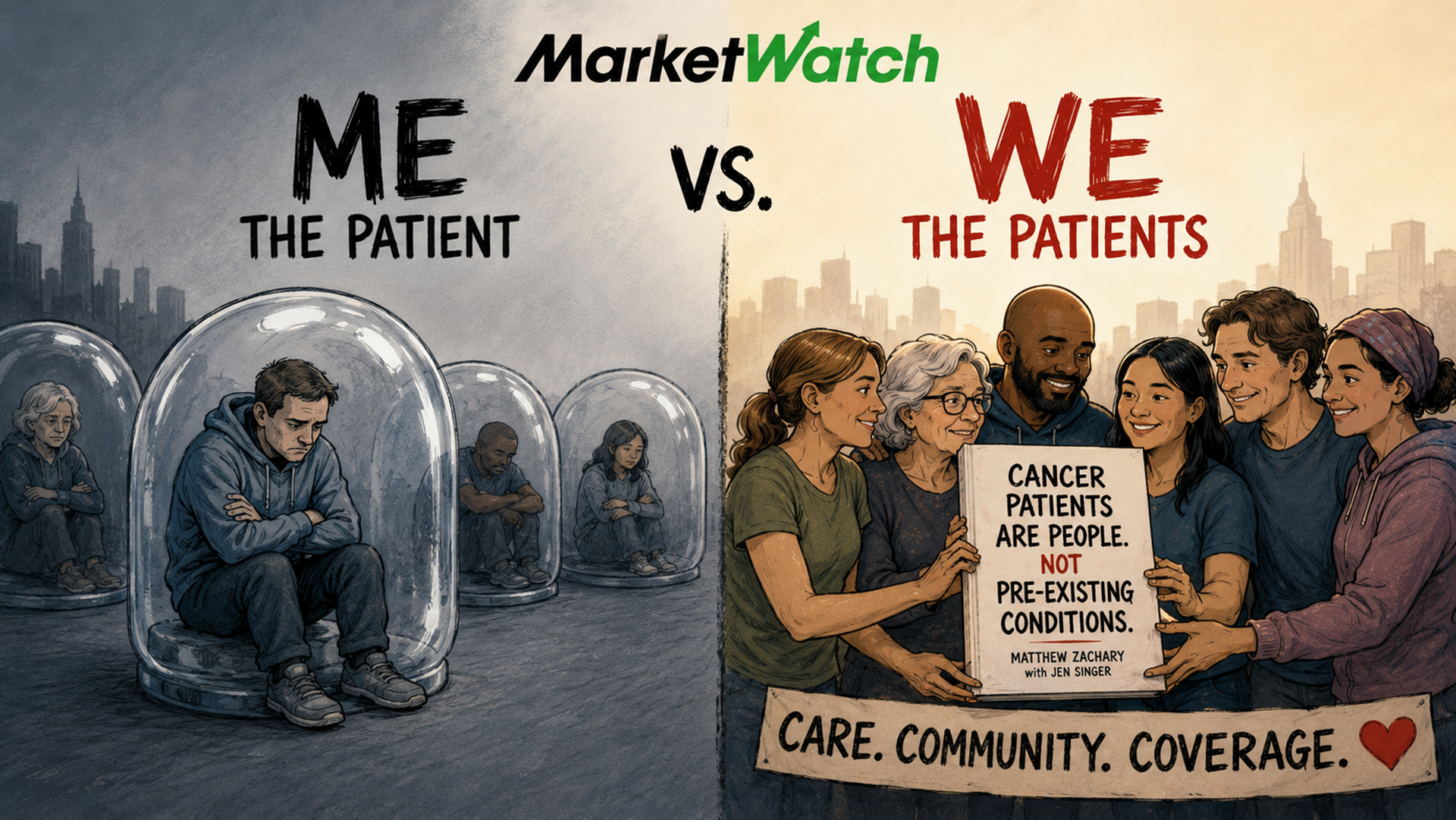
The Healthcare System Works Exactly as Designed. Cancer Patients Pay the Price.
Cancer patients increasingly absorb the financial risk of surviving disease in America. A brain cancer survivor examines how healthcare incentives, insurance design, and policy decisions shifted instability onto patients and families while institutions protect margins.
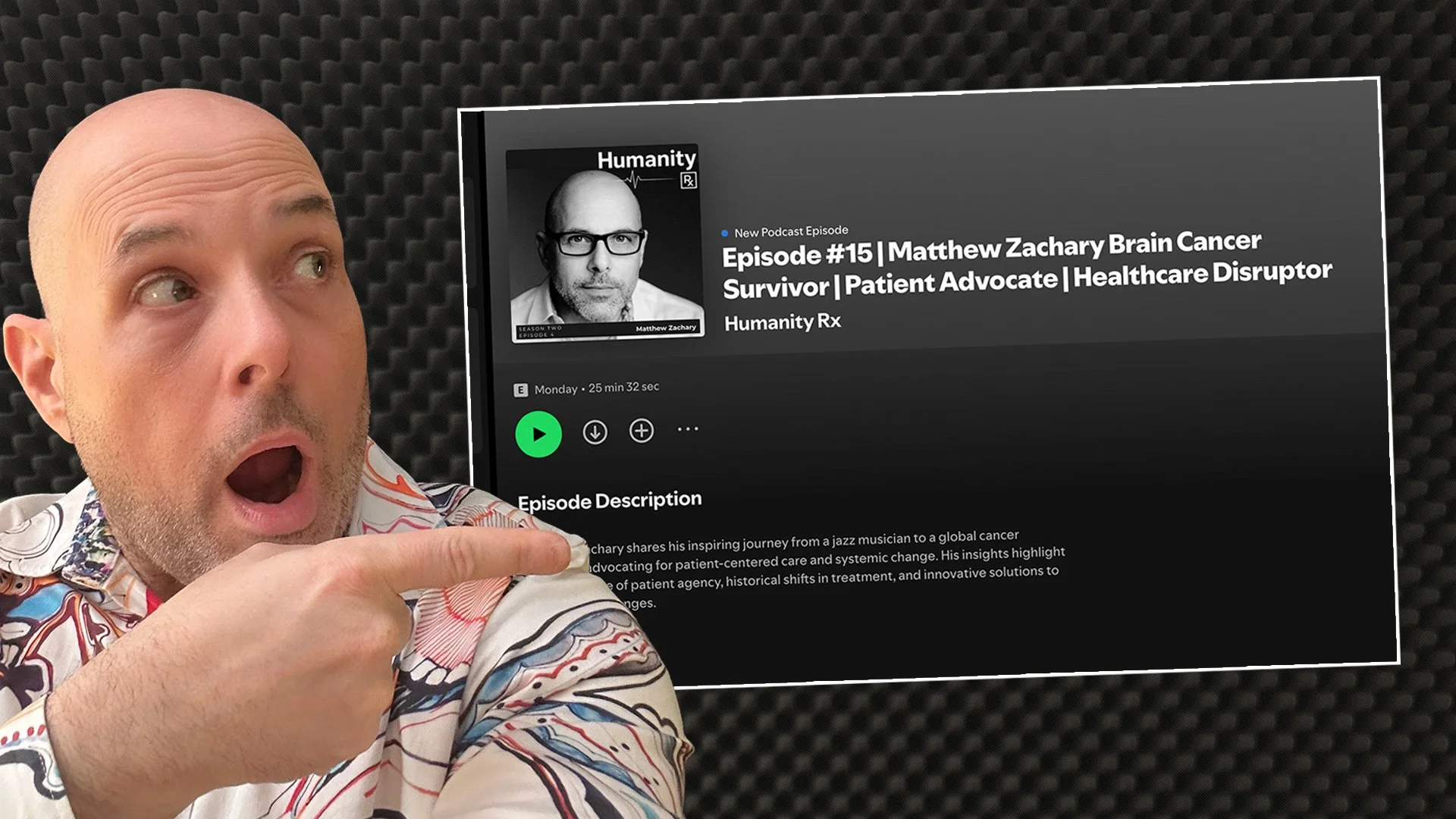
I went on Humanity Rx to say the quiet part clearly and attach names, timelines, and consequences to it.
Matthew Zachary joins Humanity Rx to break down how modern cancer care improves survival while leaving patients exposed to medical debt, prior authorization delays, and financial risk, and why policy change depends on organized patient power.

Out of Patients?
Join the recurring Out of Patients dispatch from Matthew Zachary covering the latest American healthcare shenanigans. Essays, podcast episodes, media appearances, book updates, and live events delivered with a sardonic Gen X perspective from a patient who simply refuses to shut up.
Get the dispatch