
Out of Patients
with Matthew Zachary
Welcome to 2026: The Year of the Patient where the sick shall inherit the ballot.
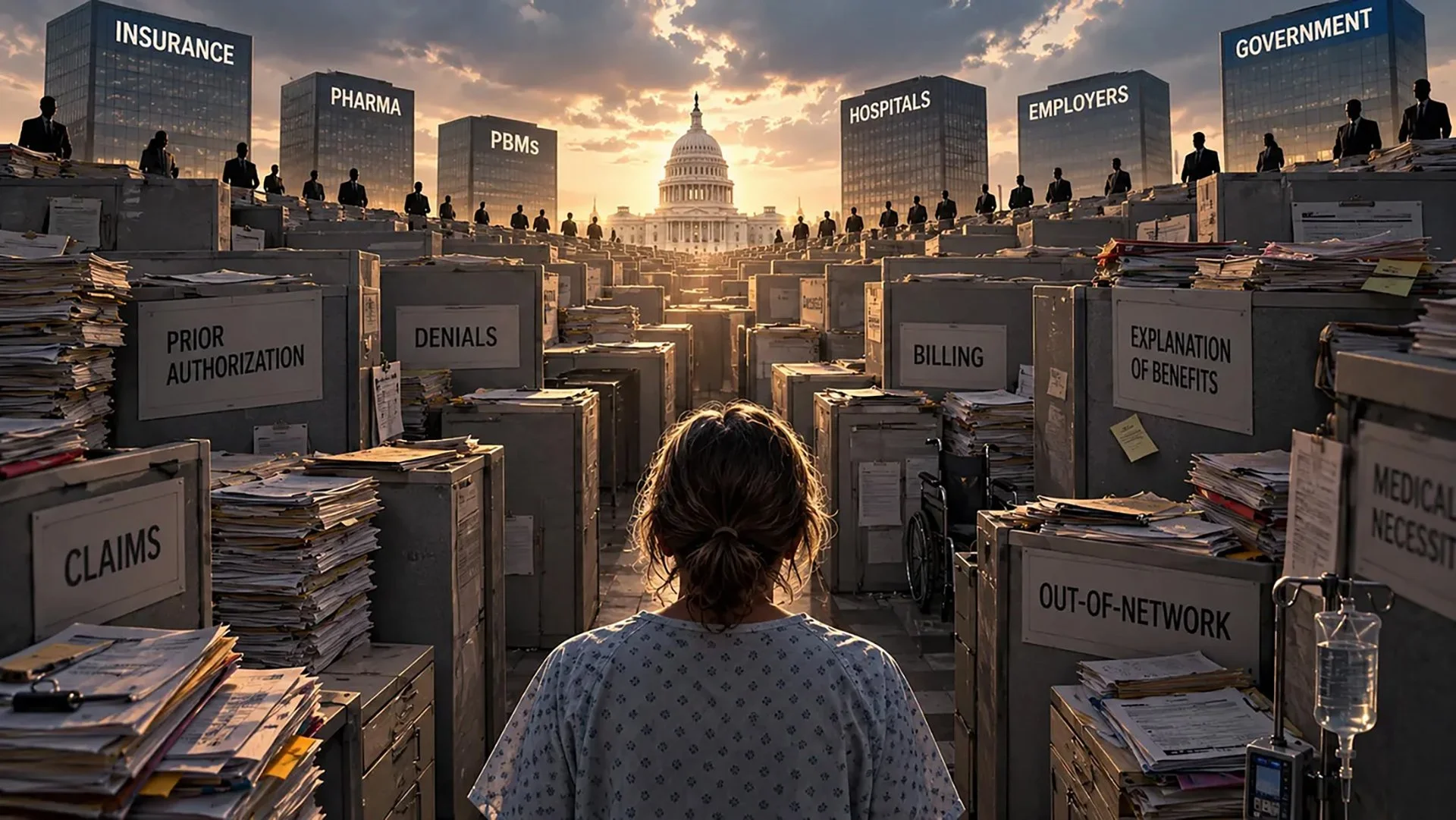
American Healthcare Isn’t Broken. It Was Built This Way.
American healthcare has insurers, hospitals, pharma, PBMs, employers, lobbyists and trade groups organized to protect their interests. The patient has a portal password. After 30 years inside the system, I think patients need something we’ve never had: a constituency.

We The Patients In The Front Window Of The Flagship Barnes & Noble On Fifth Avenue In Manhattan.
We the Patients is in the front window of Barnes & Noble on Fifth Avenue. For Matthew Zachary, the surreal milestone is about more than seeing his book on display. It’s about seeing patients, and the idea of patients as a constituency, finally occupying some very public real estate.
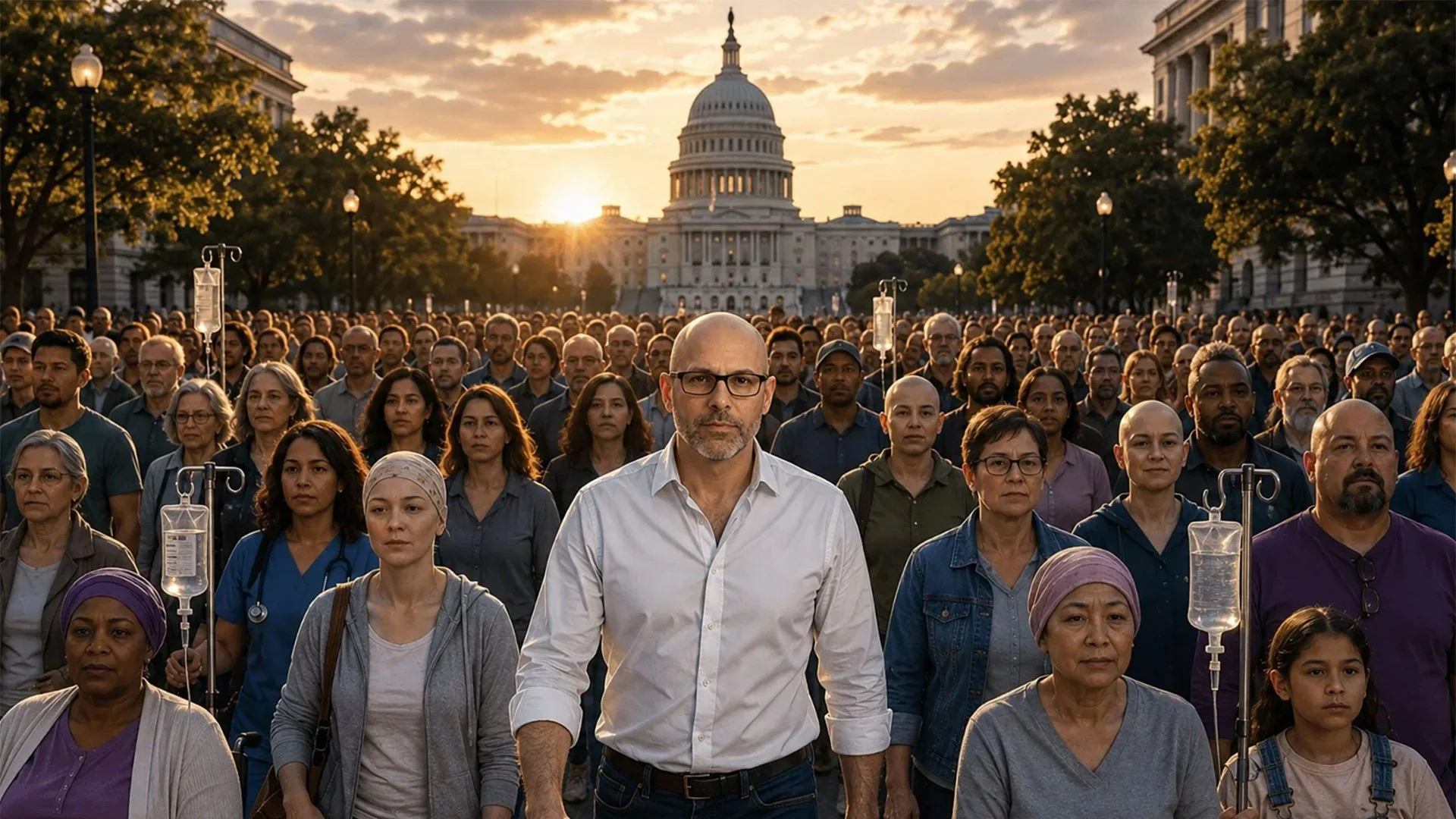
The Missing Constituency: What Comes Next for Patient Advocacy
Patients have always had the numbers. What they have never had is a shared political identity. After 30 years in patient advocacy, Matthew Zachary argues that the next chapter may be transforming shared healthcare experiences into civic and political power.
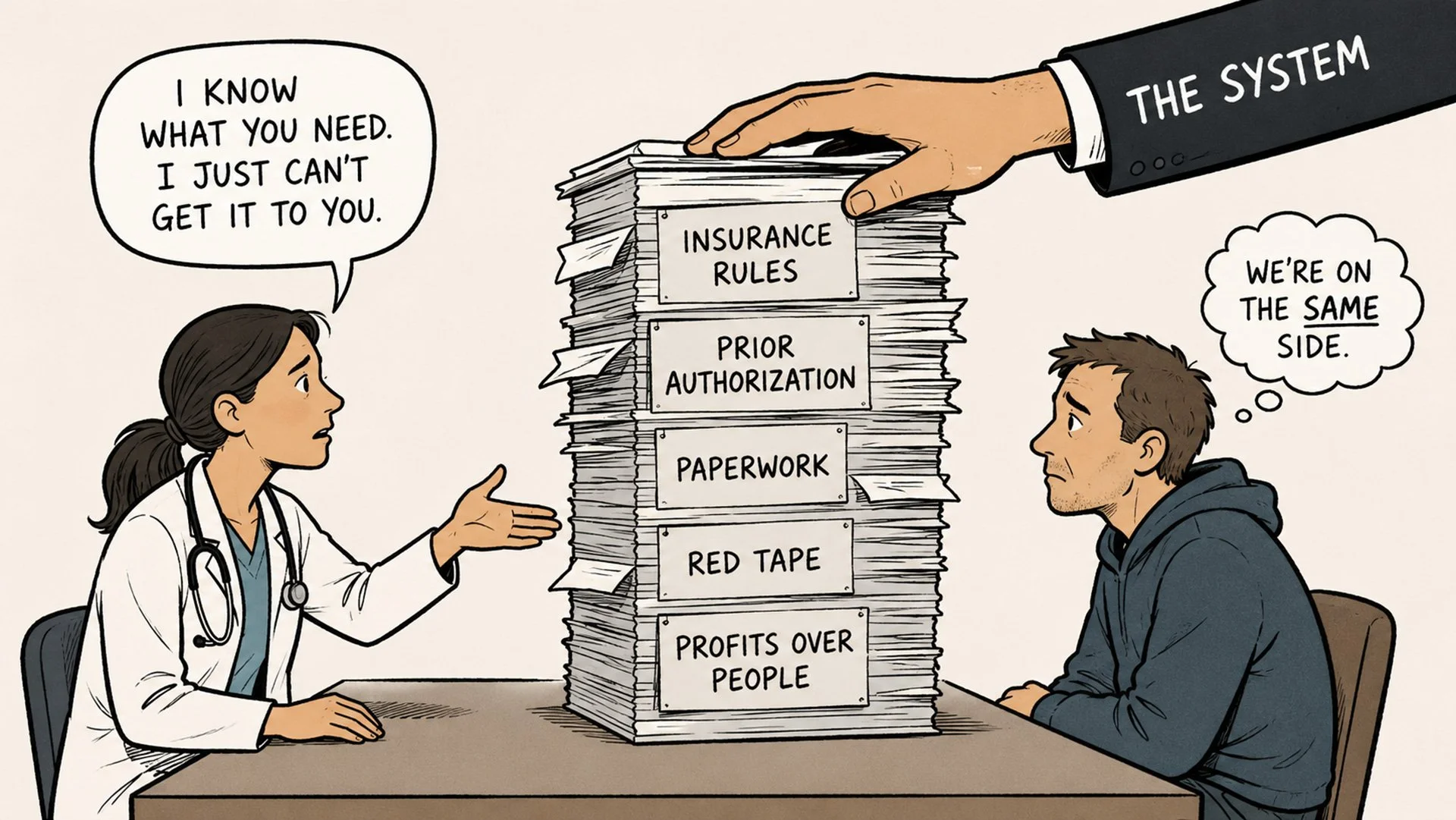
Doctors Aren’t Unable to Treat Their Patients. They’re Being Blocked.
Doctors know how to treat their patients. Increasingly, they’re being blocked from doing it. After decades in patient advocacy, I’m realizing that patients and physicians may be fighting different sides of the same healthcare battle.
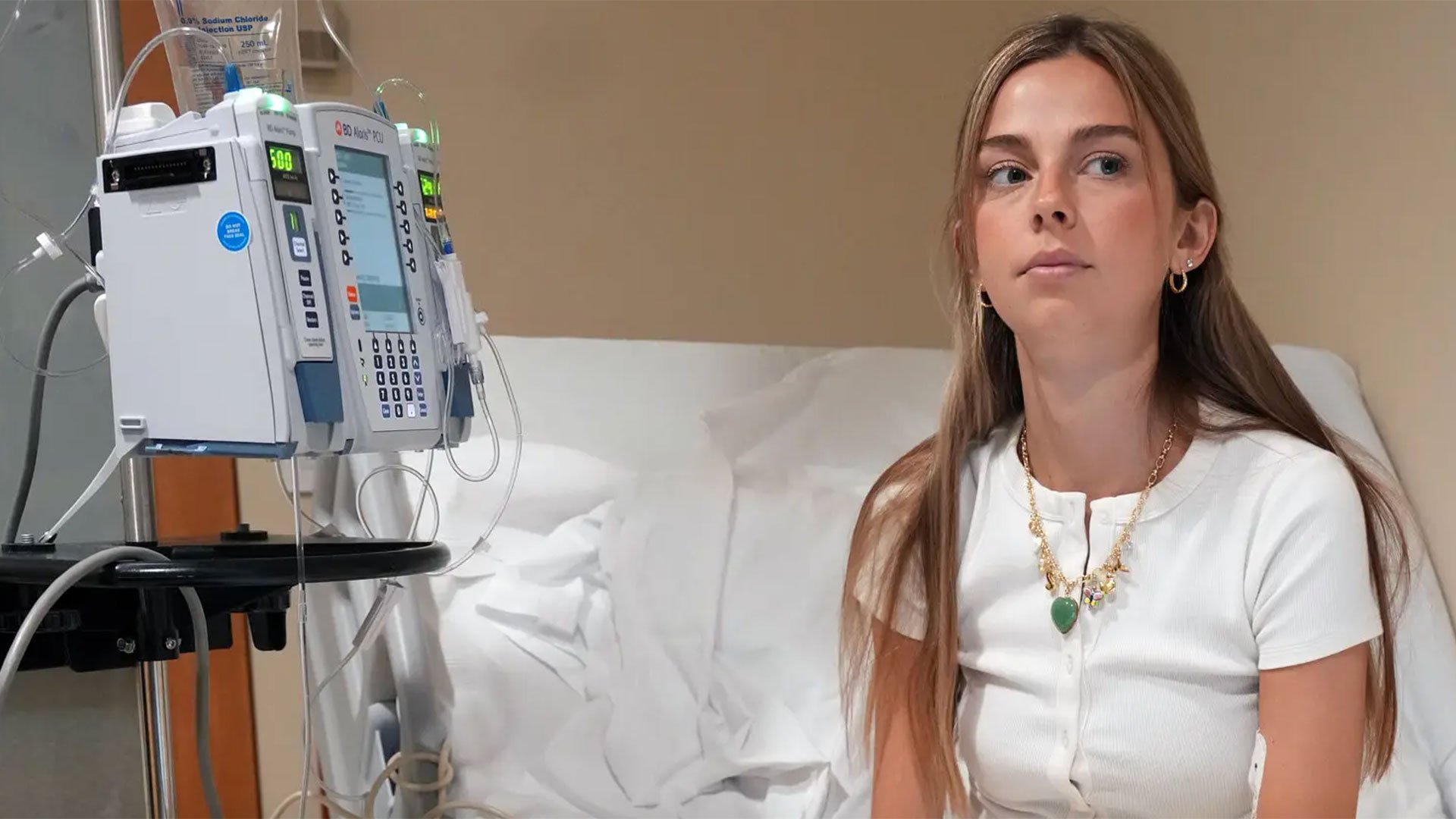
The Internet Demanded That She Look More Like She Was Dying
Sydney Towle didn’t fail to look sick enough. We failed to understand what living with cancer can actually look like. Her story exposes a culture that demands patients perform suffering before offering compassion, and what that says about all of us.
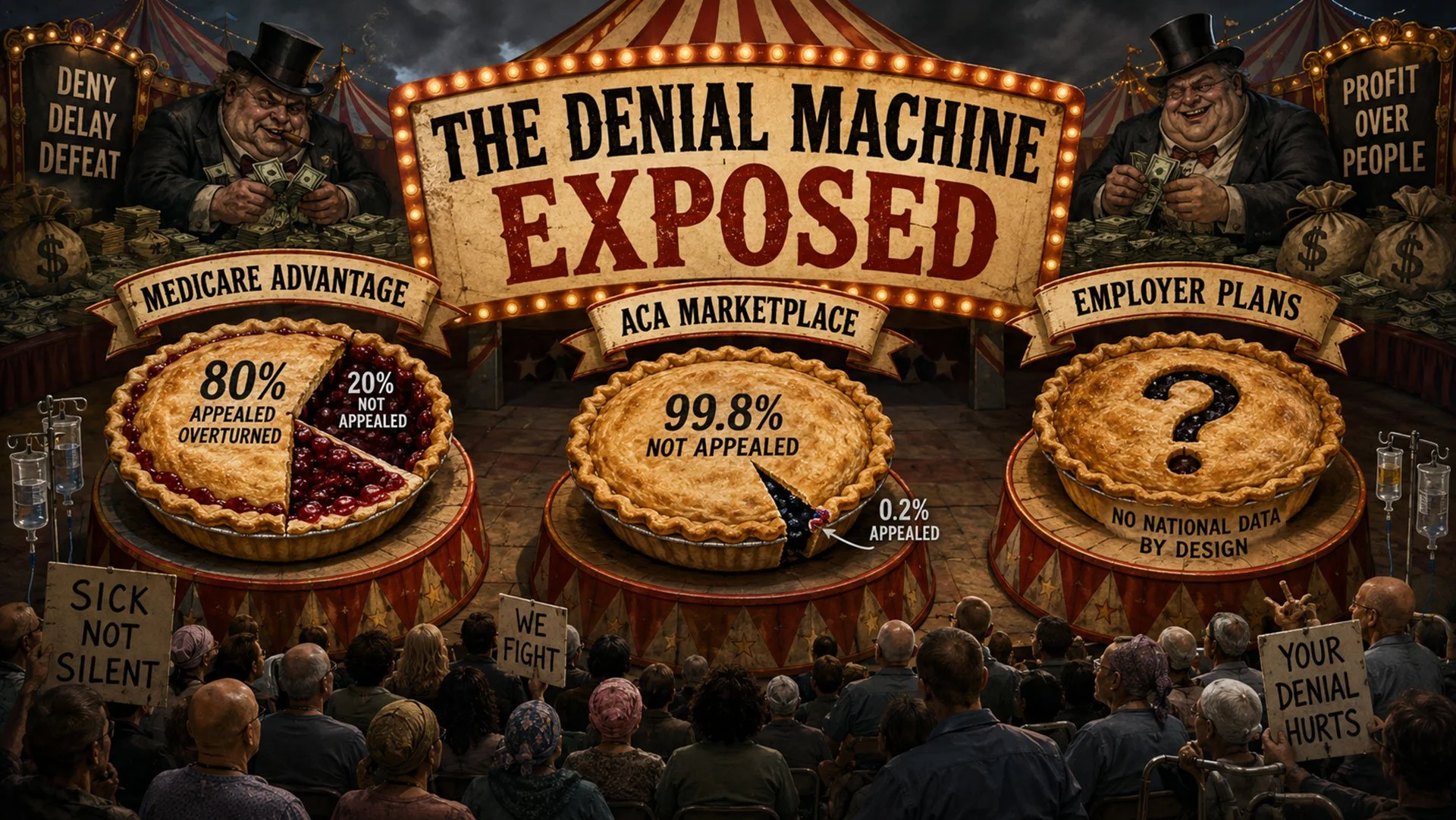
The Denial Machine: Why America’s Health Insurance Appeals System Rewards Patient Exhaustion
More than 80% of appealed Medicare Advantage prior authorization denials are overturned, yet fewer than 0.2% of ACA Marketplace denials are ever appealed. The problem is not only denial. It is a system that profits when patients run out of time, energy, and hope.
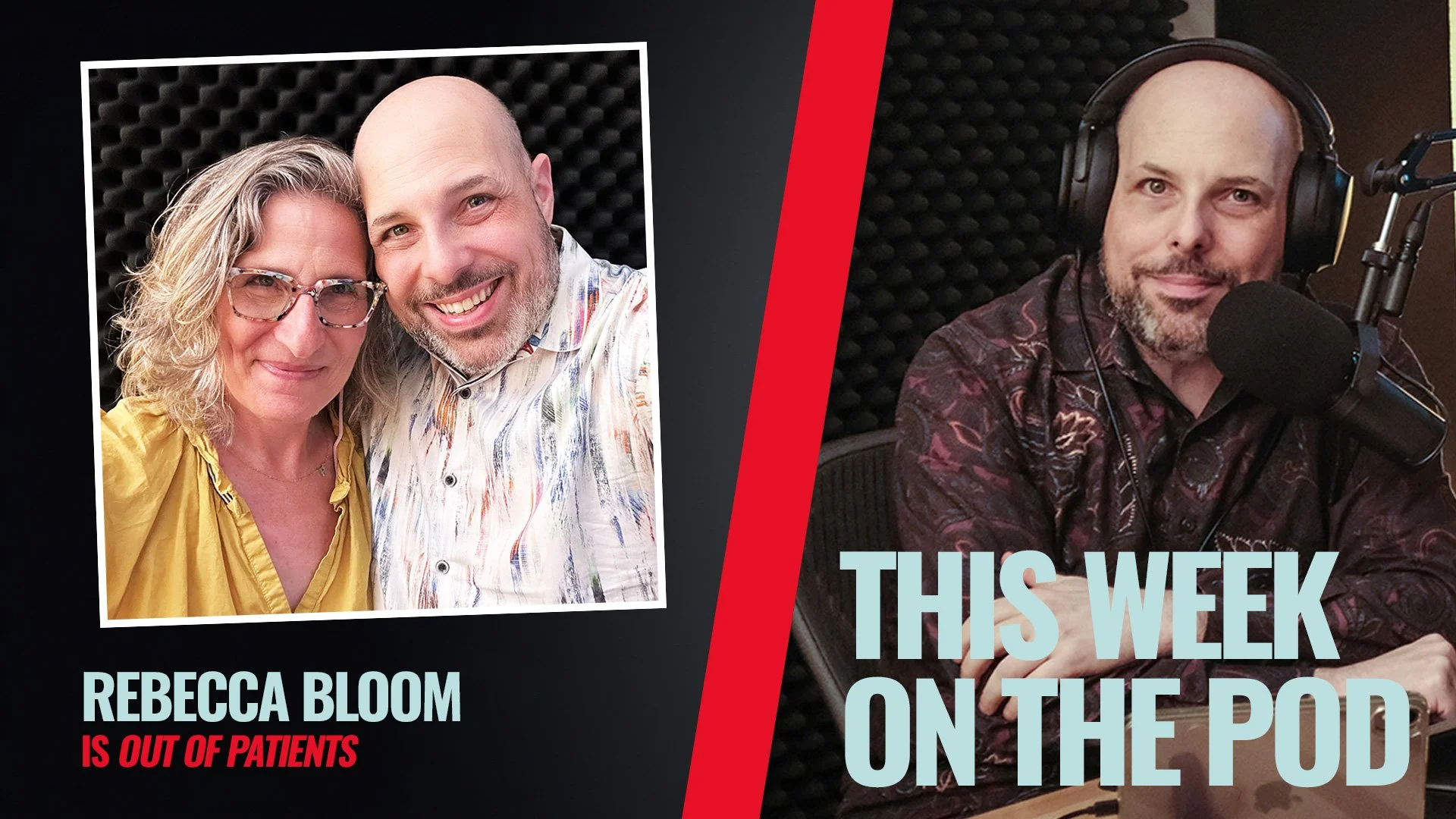
Out of Patients EP4534: Your Benefits May Vary: Rebecca Bloom
Rebecca Bloom spent decades inside employee benefits law before helping women navigate cancer, insurance, disability, work, and survival. This conversation exposes the hidden administrative labor patients inherit the second they get sick.
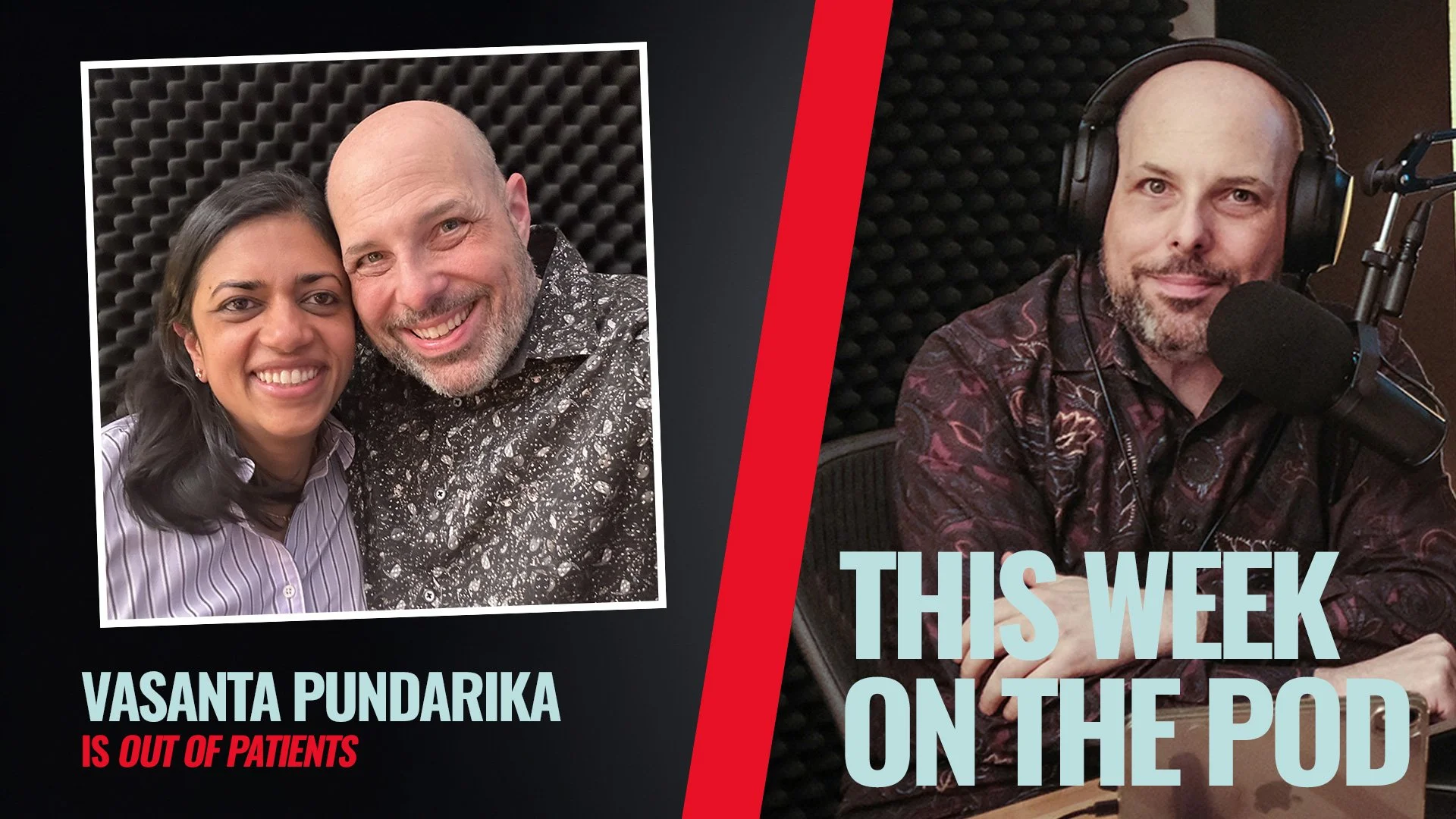
Out of Patients EP453: Mission, Margin, and the Women Left Waiting: Vasanta Pundarika
Women delay care while healthcare systems optimize around assumptions that no longer reflect how people live. Former healthcare investment banker Vasanta Pundarika explains how caregiving, behavioral health, women’s health, and capital incentives collide inside American healthcare.
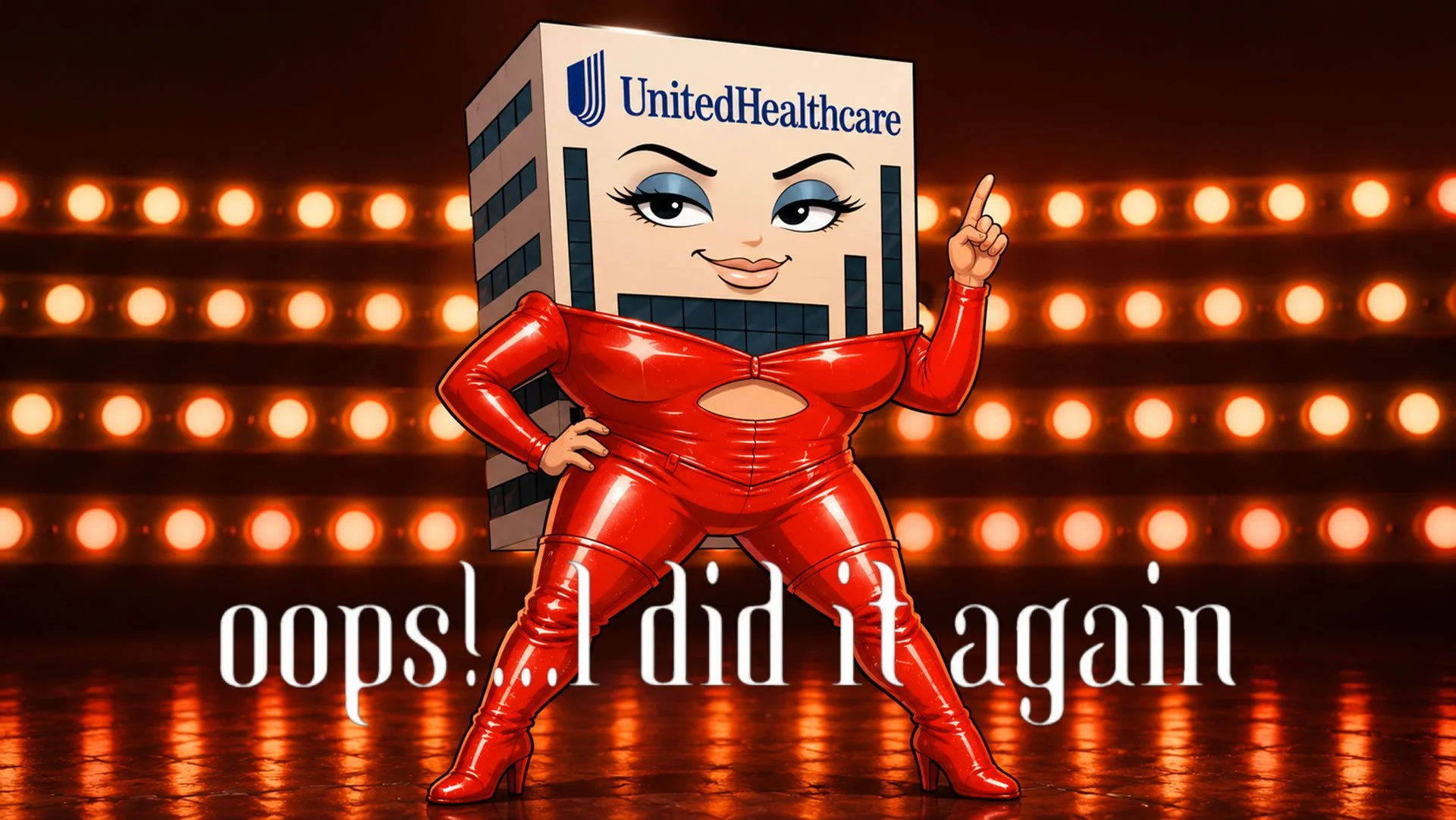
UnitedHealth Helped Write the Rules. Then It Started Losing.
UnitedHealth helped shape research behind the No Surprises Act expecting greater leverage over providers. Then neutral arbiters started ruling against insurers. Now it wants the rules changed. Wendell Potter’s reporting reveals how healthcare power works behind the scenes.
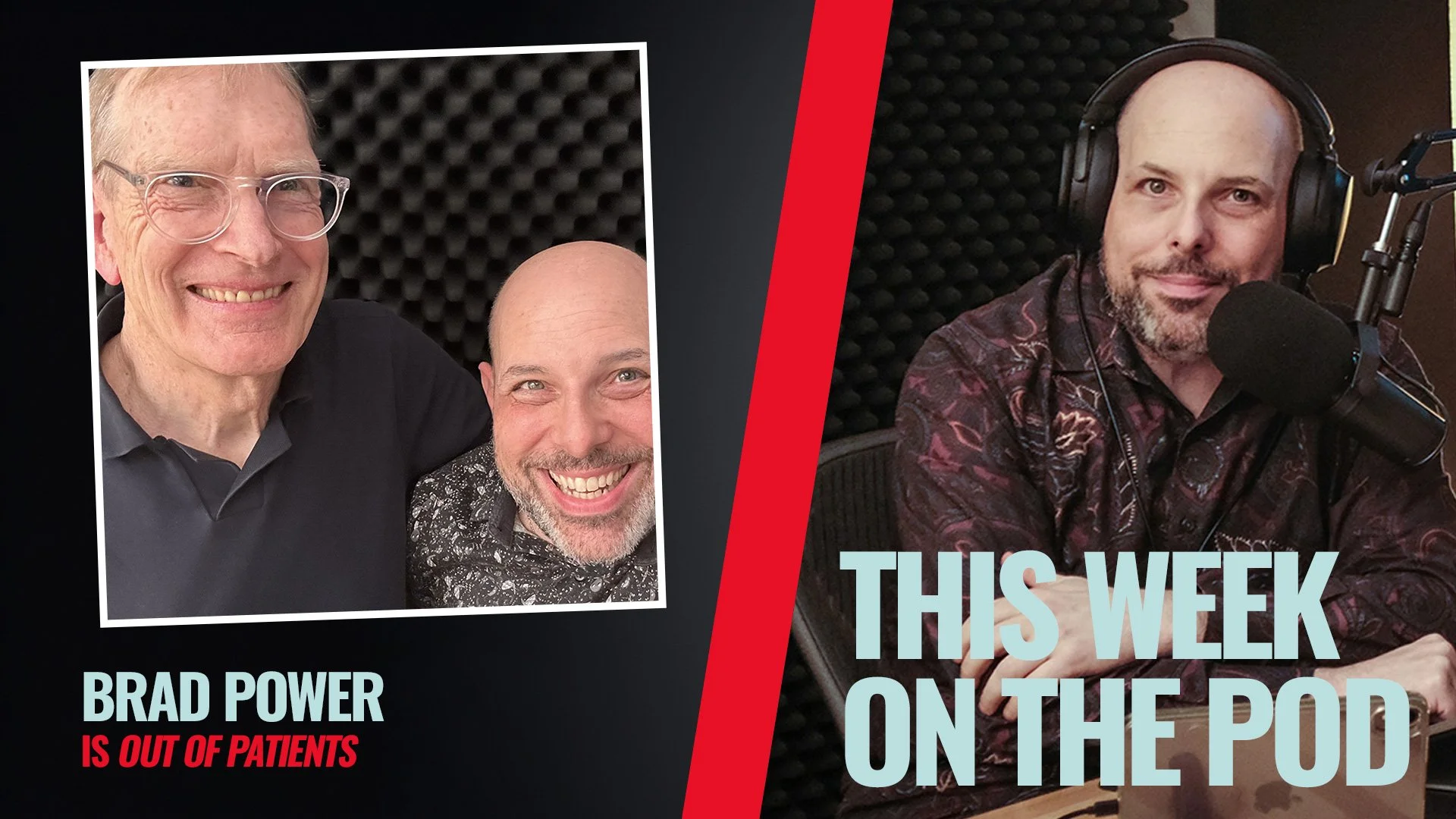
Out of Patients EP452:You Shouldn’t Need AI to Survive Cancer: Brad Power
Cancer patients increasingly rely on AI and patient networks to navigate a healthcare system built around fragmentation and administrative burden. Brad Power explains why patients now trust technology more than the institutions designed to care for them
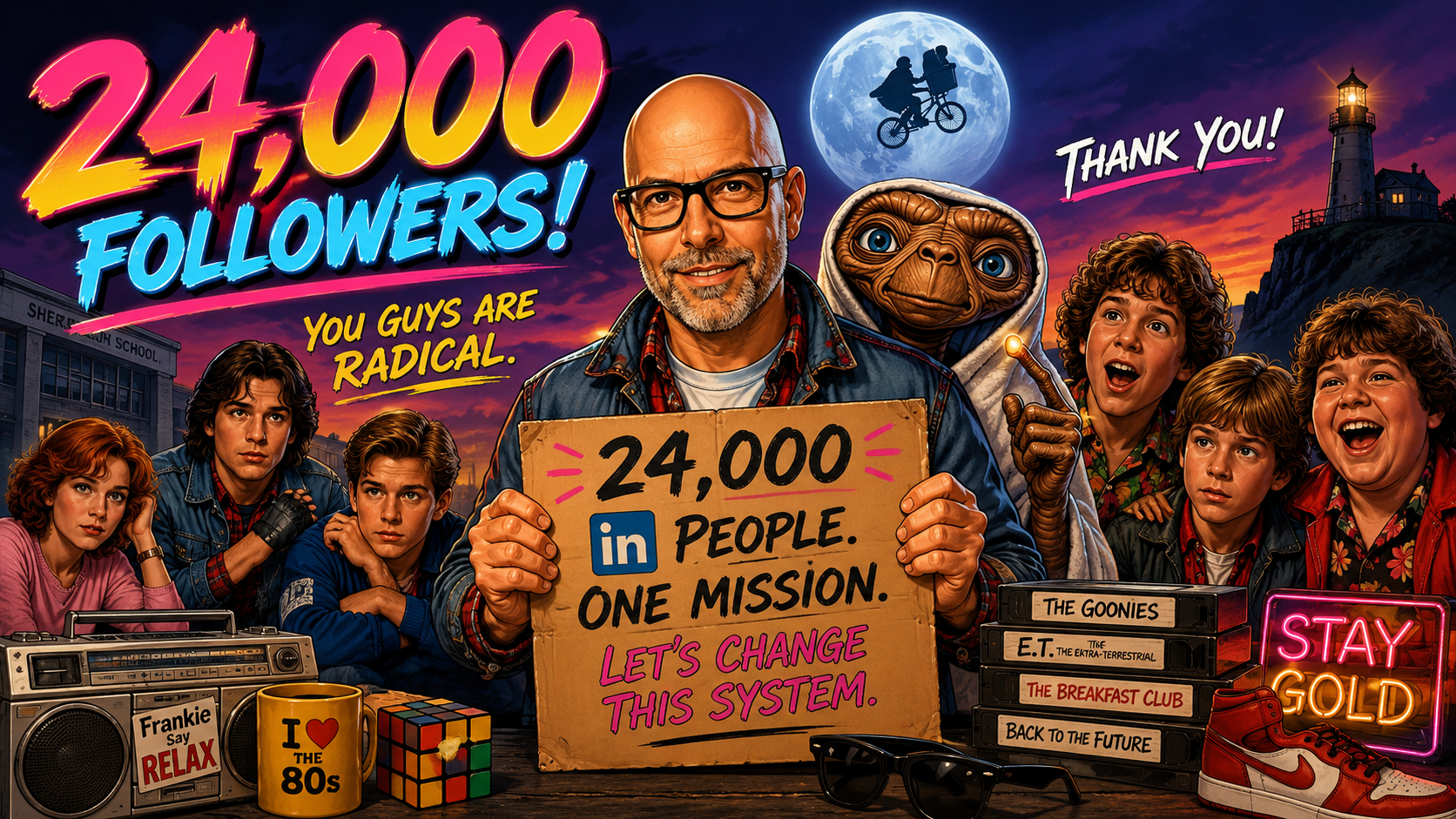
Twenty Four Thousand People Follow Me on LinkedIn. Healthcare Should Be Paying Attention.
Crossing 24,000 LinkedIn followers is more than a social media milestone. It reflects a growing community of patients, caregivers, and clinicians who are tired of insurance denials, medical debt, and a healthcare system that too often puts bureaucracy before people.
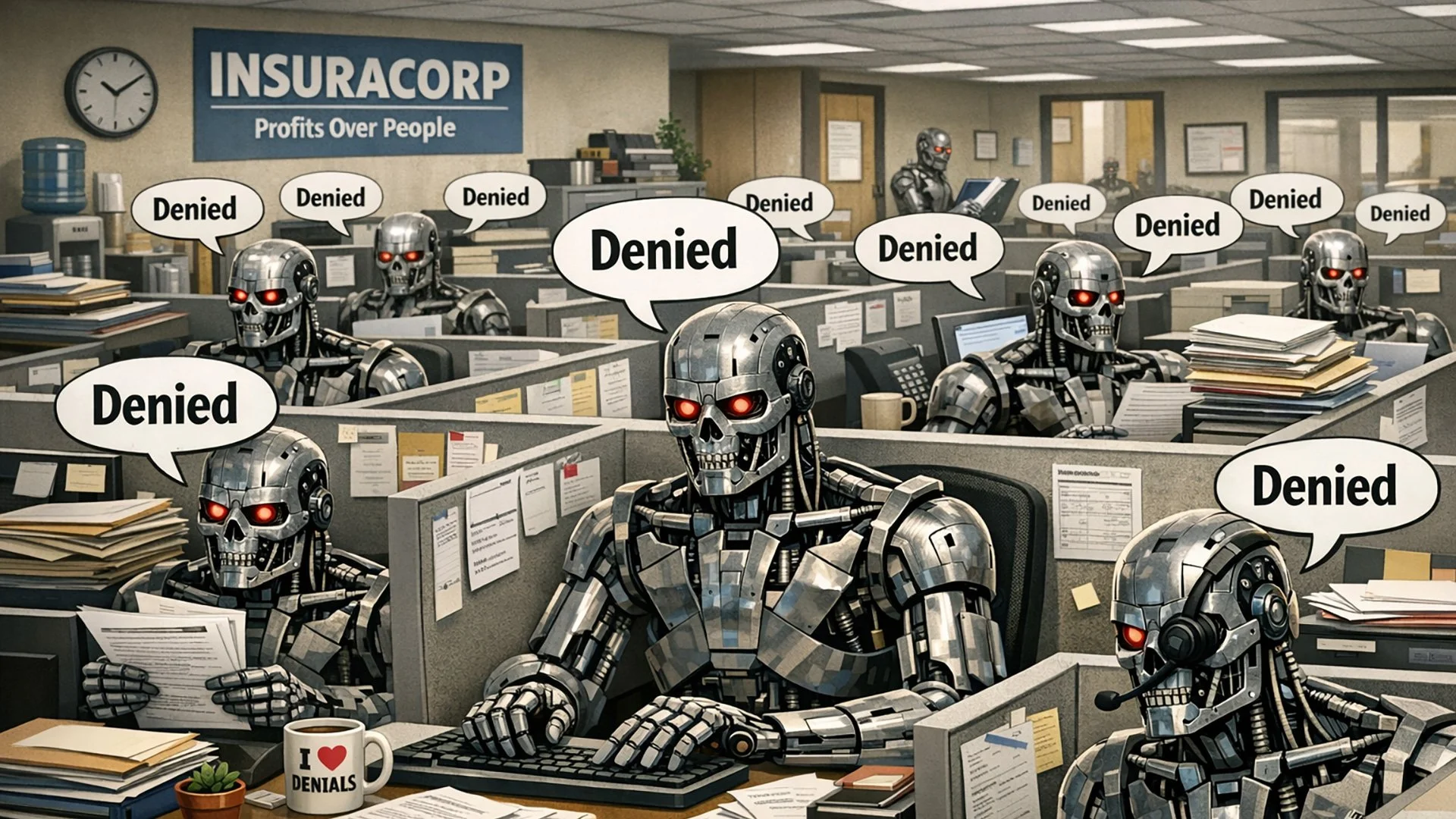
Insurance Denied? Here’s What They Hope You Never Learn.
Most people assume an insurance denial is the end of the story. It isn’t. Learn why appeals succeed more often than you think, why so few patients file them, and discover a free, plain-English guide to navigating denials, deadlines, and your rights before you give up.
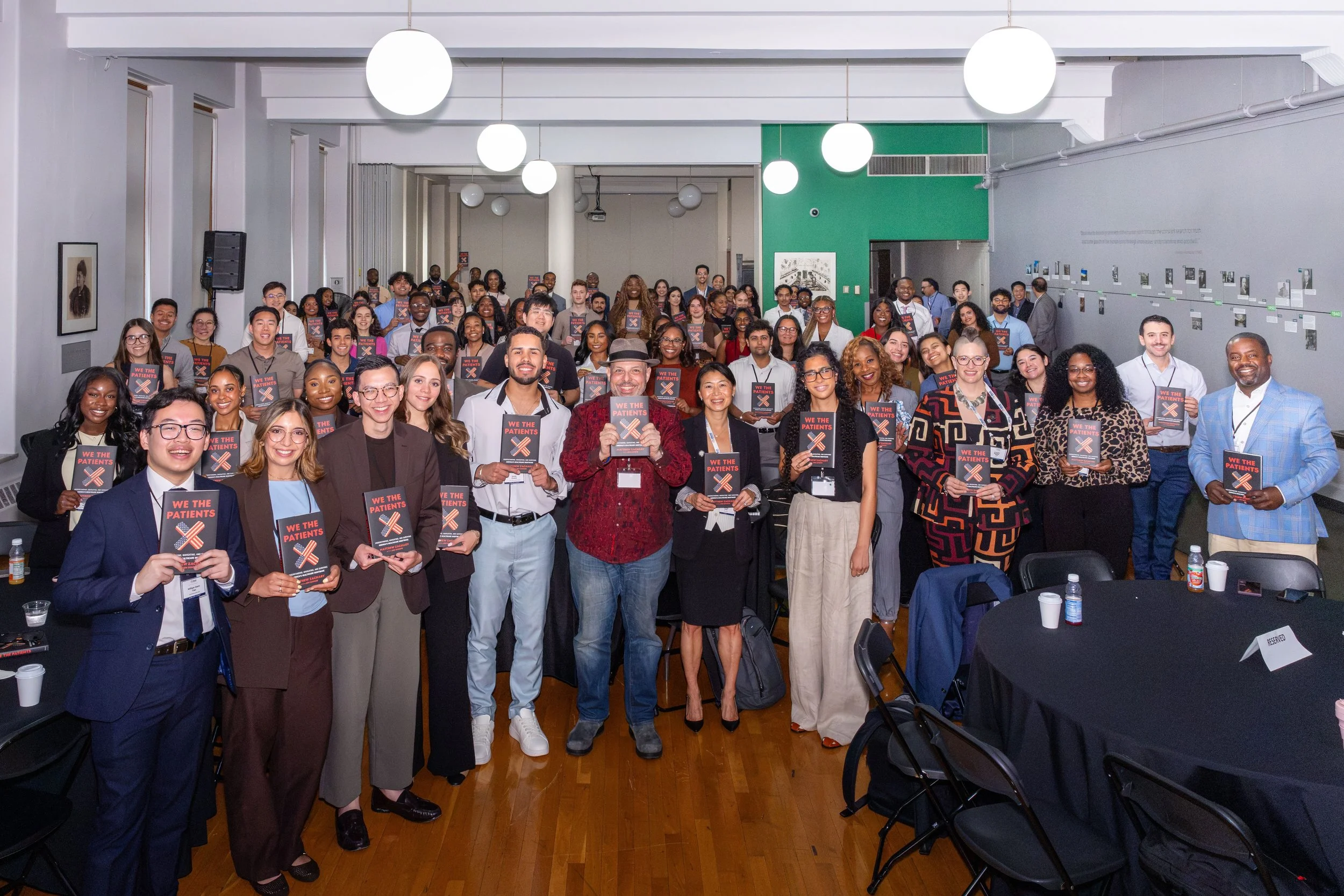
They Gave Every Medical Student My Book. Then We Talked About the Storm They’re Inheriting.
At the 2026 Robert A. Winn Clinical Investigator Symposium, hundreds of medical students received We the Patients and were challenged to see healthcare from the patient side of the bed rail, including the burden, bureaucracy, and hidden labor that medical training too often ignores.
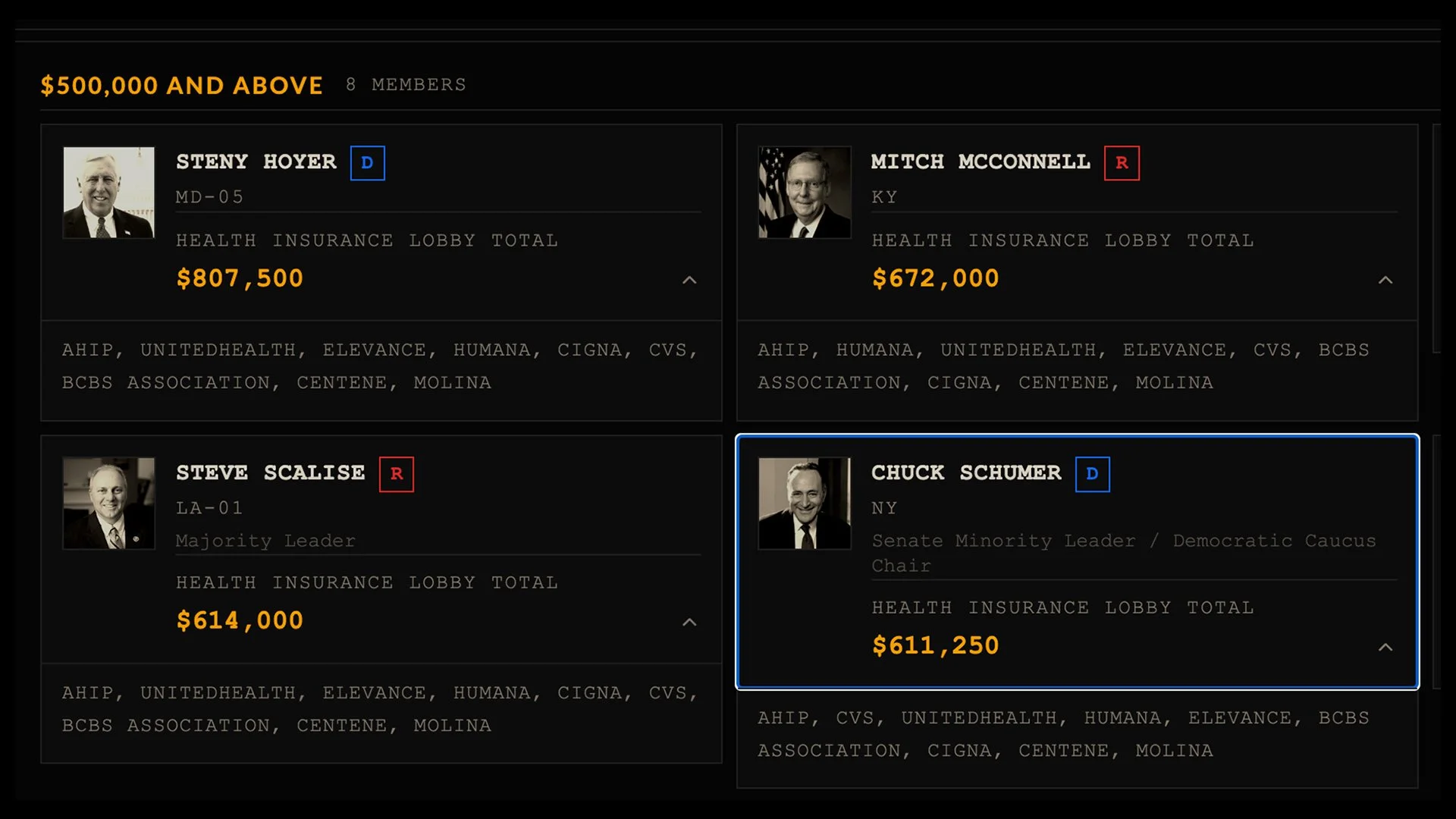
86% Of Congress Took Money From The Health Insurance Lobby. Now There’s A Tracker With The Receipts.
A new tracker shows that 86% of Congress took campaign money from major health insurance PACs. The biggest checks went to the lawmakers with the most power over healthcare policy, raising a brutal question: who exactly is Congress working for when patients are being denied care?
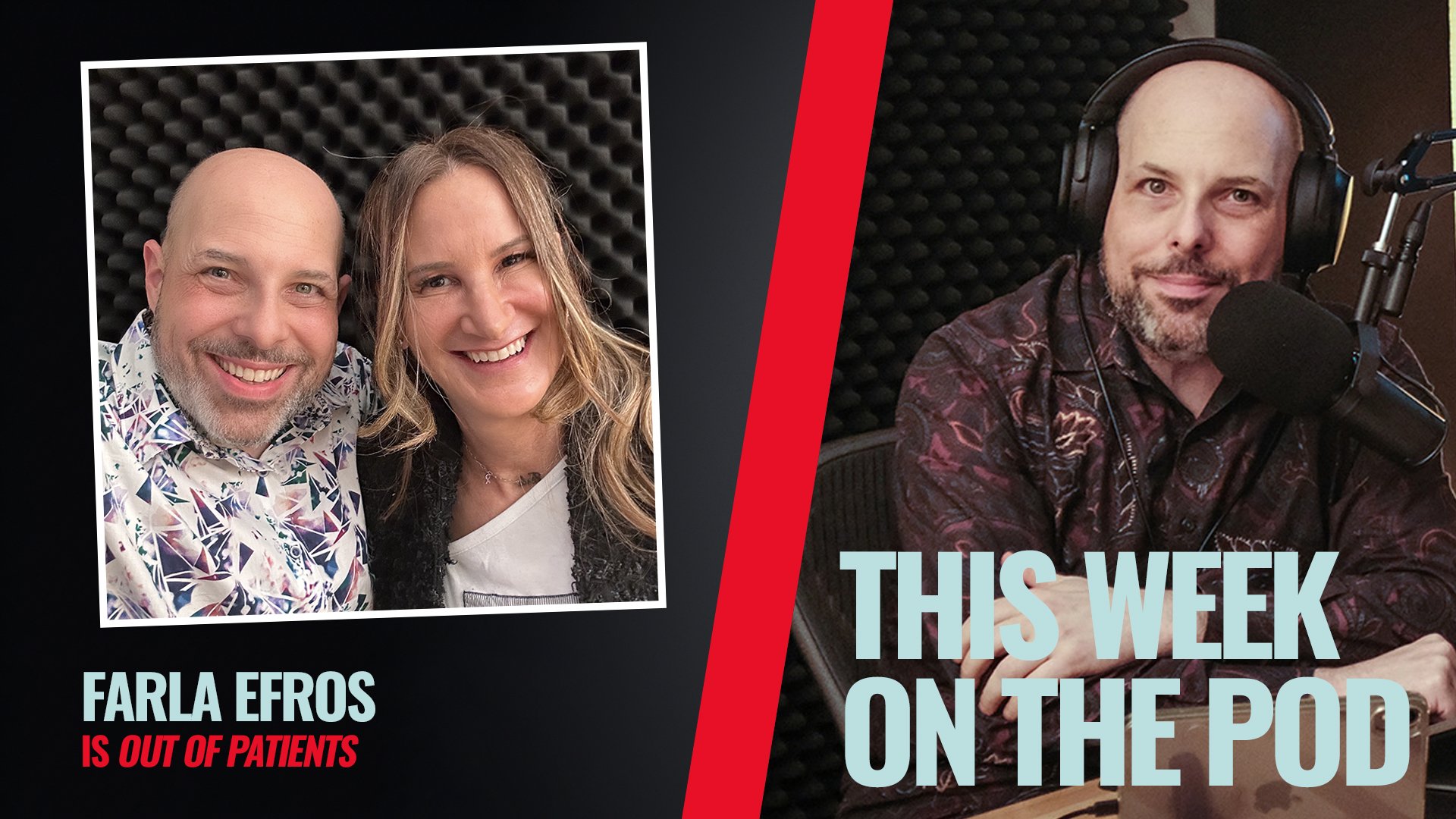
Out of Patients EP450: The Patient Wears Prada: Farla Efros
Retail executive and breast cancer survivor Farla Efros approached cancer the same way she rescued struggling companies: with strategy, discipline, and relentless preparation. She explains why patients are forced to become CEOs of their own care and why the system rewards those who can.

What My Annual ASCO Mosaic Reveals About Cancer Care
Every year I leave ASCO with hundreds of selfies that become one giant mosaic. This year’s image tells a bigger story than the science alone. It captures the people, conversations, and growing realization that the next challenge in cancer care isn’t discovery. It’s making sure patients can reach it.
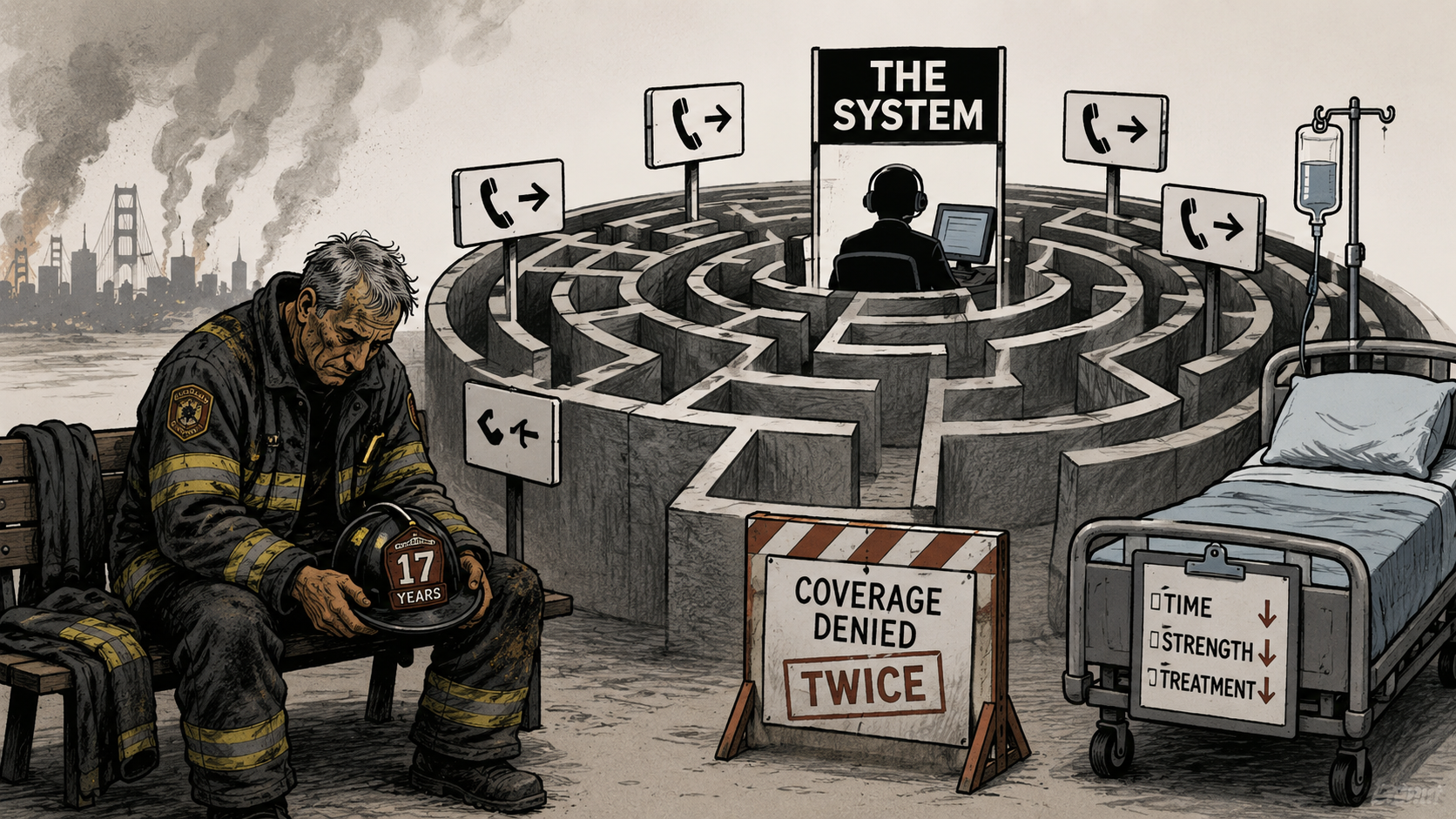
The Deadliest Part of American Healthcare Might Be the Waiting
A retired firefighter’s denied cancer treatment reveals a larger truth about American healthcare. Administrative friction has become an economic strategy that shifts costs onto patients and physicians while delaying care in ways the system rarely measures but patients always feel.
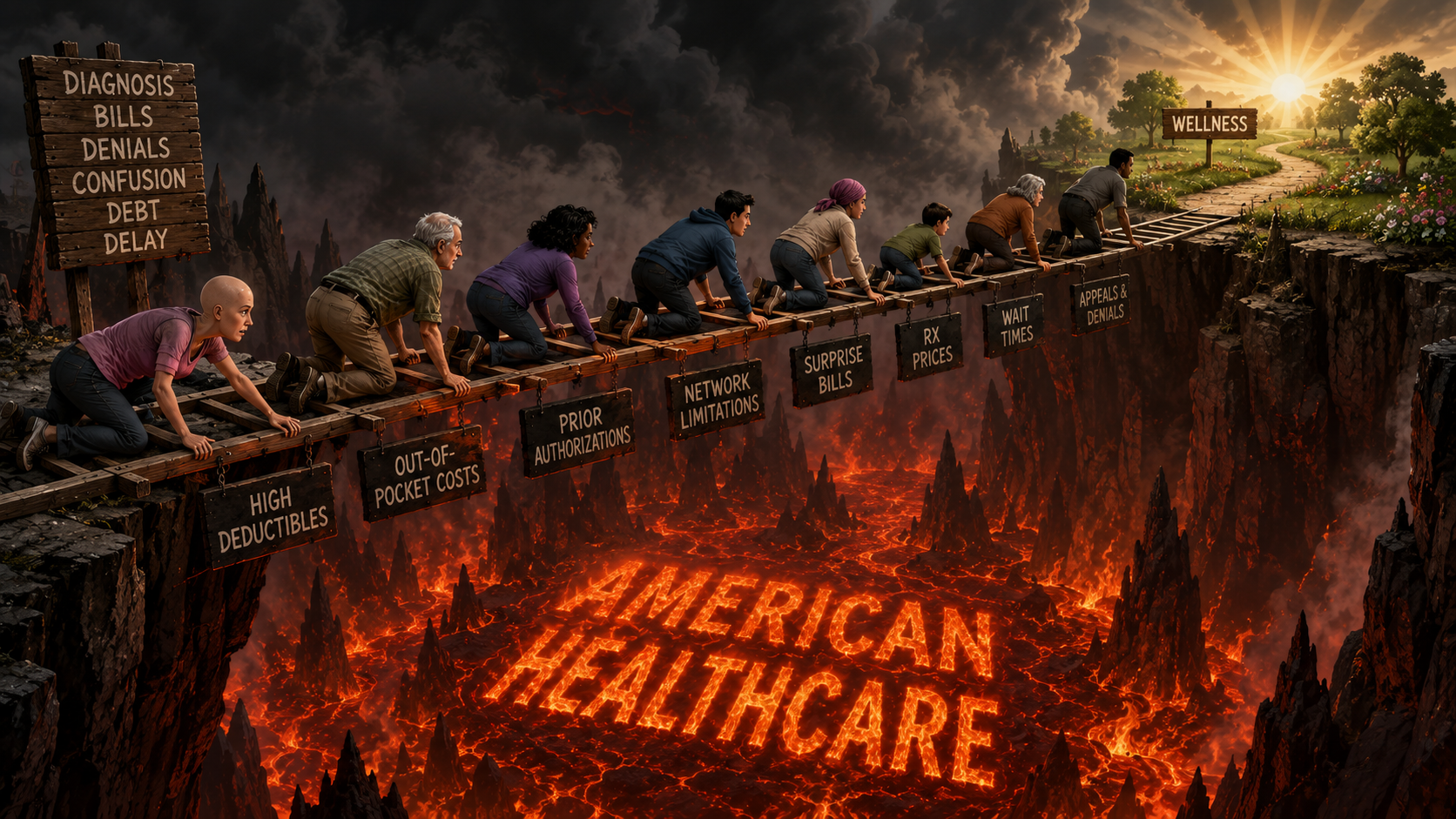
The Fact That Patients Need Survival Guides Is the Scandal
Americans now need books to survive healthcare. That’s not evidence of empowerment. It’s evidence of failure. As affordability collapses and complexity grows, patients are being forced to become advocates, navigators, and administrators just to access care they already pay for.
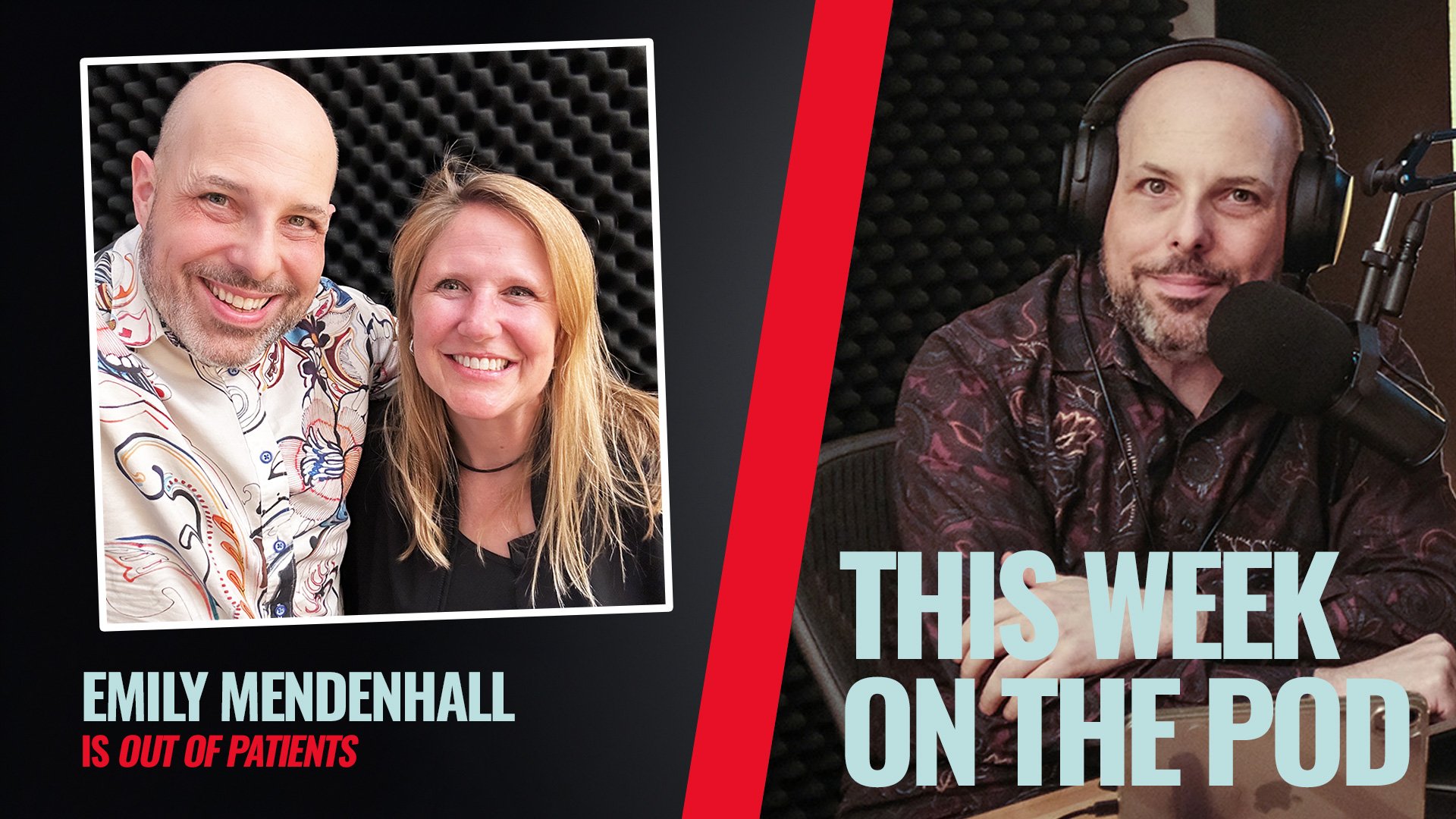
Out of Patients EP449: Coding the Invisible: Emily Mendenhall
Long COVID did not create a crisis. It exposed one. Patients without clear diagnoses lose access to care, coverage, and credibility. When medicine cannot measure your illness, the system moves on. Here is what that looks like and who pays the price
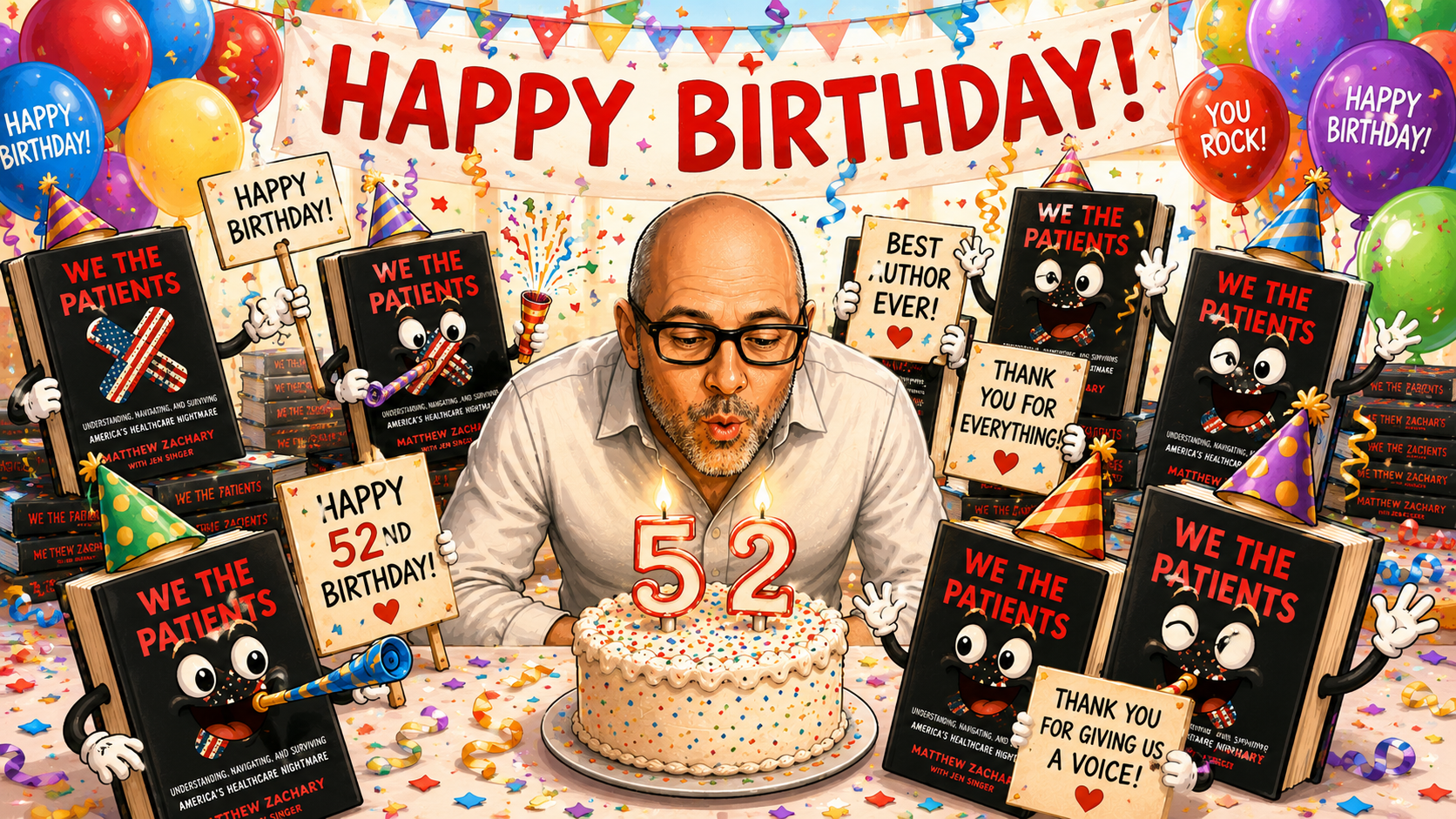
52 Years Old and Still Here
Brain cancer at 21 forced Matthew Zachary into the American healthcare system decades before he understood its economics, incentives, and failures. At 52, he reflects on how surviving long enough to see the whole machine clearly led to writing We the Patients.

Out of Patients?
Join the recurring Out of Patients dispatch from Matthew Zachary covering the latest American healthcare shenanigans. Essays, podcast episodes, media appearances, book updates, and live events delivered with a sardonic Gen X perspective from a patient who simply refuses to shut up.
Get the dispatch