23,000 LinkedIn Followers and the Reality of US Healthcare

23,000 people follow me on LinkedIn, and I want to explain why that number deserves your attention even if you spend most of your time reading me here on Substack. The audiences are not identical. Substack draws people who want depth and reflection. LinkedIn runs faster and captures the daily churn of what is happening across the healthcare system in real time. When you connect the two, you get the full picture. If you read me here and have not followed me there, you are missing the day to day evidence that feeds everything I write.
The people behind that 23,000 are not casual observers. They are patients who received a denial after their doctor approved care. They are caregivers who spent hours on the phone trying to reverse decisions made by someone who never met the patient. They are clinicians who know the right course of treatment and still have to argue with an insurance company to deliver it. I hear from them constantly. A woman in Ohio showed me a six figure bill after her insurer reversed approval on a cancer therapy. A father in Texas told me he crosses state lines every month to afford a prescription his plan refuses to cover locally. A nurse in California explained that entire shifts disappear into phone calls with payers instead of time with patients. These are not edge cases. They are routine.
The reason that number keeps growing is simple. People recognize the pattern. Delay and denial drive revenue. Complexity protects the people who benefit from it. The burden lands on the person who has the least leverage and the least time. You see it in the data when medical debt pushes families into bankruptcy. You see it in behavior when people ration medication or delay scans because they fear the bill more than the disease. You see it in outcomes when access determines survival more often than we want to admit.
I have watched this up close for three decades. I survived brain cancer at twenty one, and my father handled the insurance fights while I focused on staying alive. I spent the years after that building relationships across the system with people who speak candidly because they know I will not package their reality into something safe. Patients, doctors, executives, policy people. The story stays consistent across all of them.
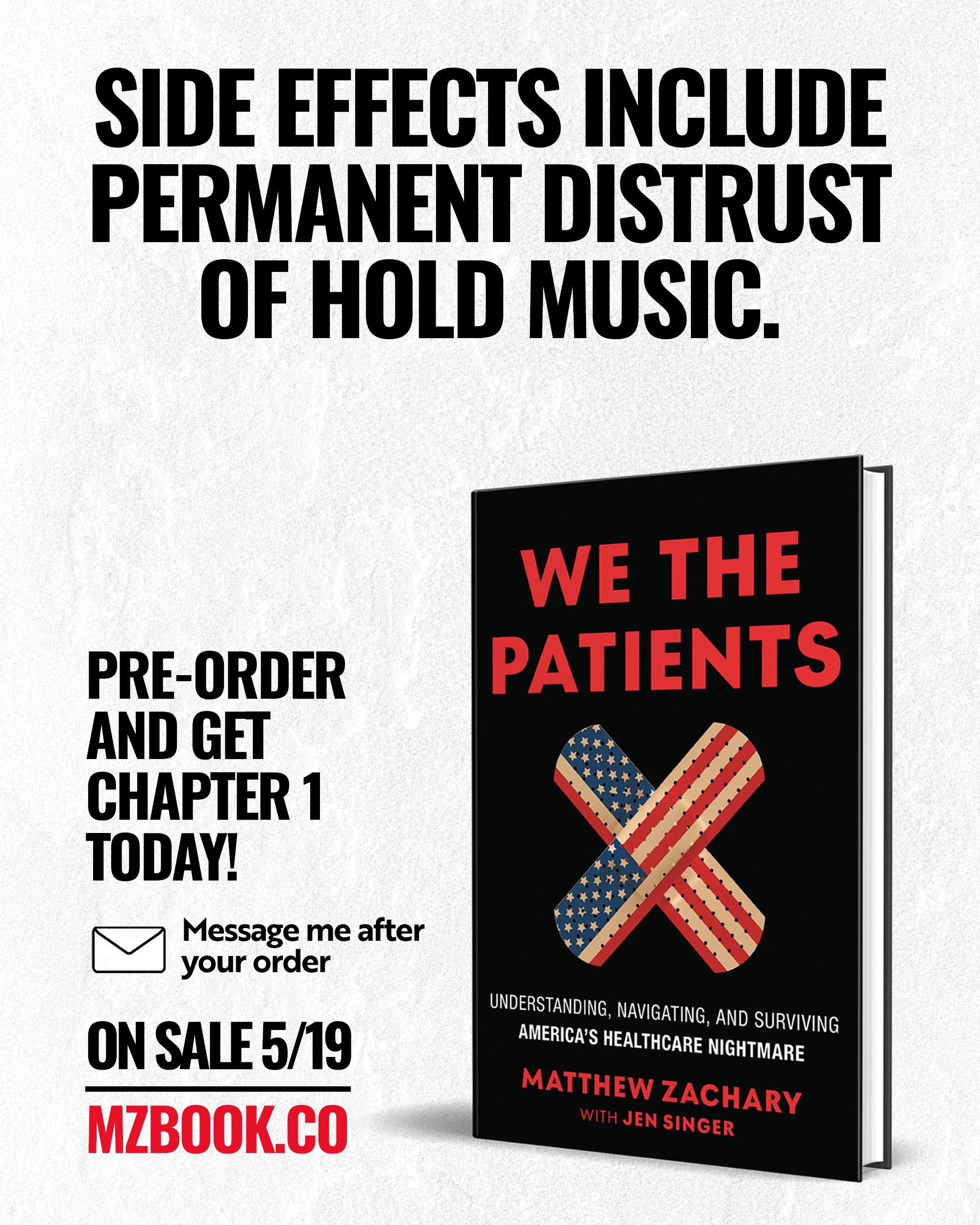
That consistency is the reason I wrote We the Patients: Understanding, Navigating, and Surviving America’s Healthcare Nightmare with Jen Singer. I put the mechanics in plain English so people can act when they hit a wall. I explain how denials happen, how to read the language, how to file an appeal, who to call, and what pressure points exist inside the system. I wrote the book I needed when I first got sick and had no idea how any of this worked.
If you want that level of clarity, pre order the book. If you want to see the daily evidence that feeds it, follow me on LinkedIn. The combination gives you both the playbook and the real time record.