
Out of Patients
with Matthew Zachary
Welcome to 2026: The Year of the Patient where the sick shall inherit the ballot.

The National Health Council Is Hosting A Conference On AI And Patient Advocacy. There Are Zero Patients On The Panel.
A conference on patient advocacy with zero patients on the panel says everything. The industry keeps explaining itself while excluding the people who live the consequences. Here is what that looks like and why it keeps happening.
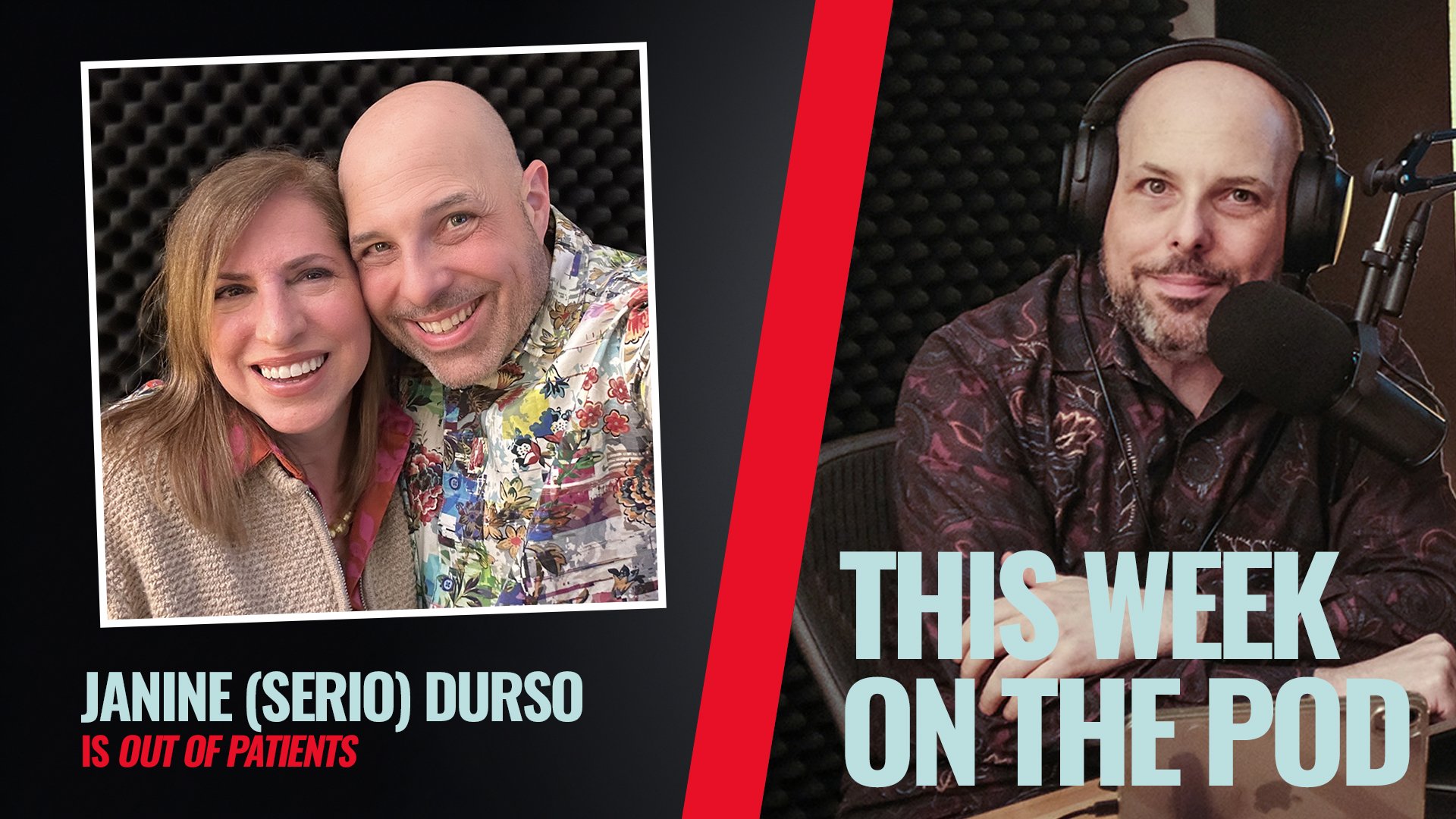
Out of Patients EP440:Not Today, Jesus: Janine Durso
A ruptured brain aneurysm triggered elite emergency care that saved a life. Insurance policy still blocks preventive screening for her child. This piece explains how US healthcare pays for catastrophe and delays detection, and what must change before the next bleed.

23,000 LinkedIn Followers and the Reality of US Healthcare
23,000 people follow me on LinkedIn. They are patients, caregivers, and clinicians dealing with insurance denials, medical debt, and delays in care. Here is what they are seeing every day and why it reflects a much larger problem across US healthcare.
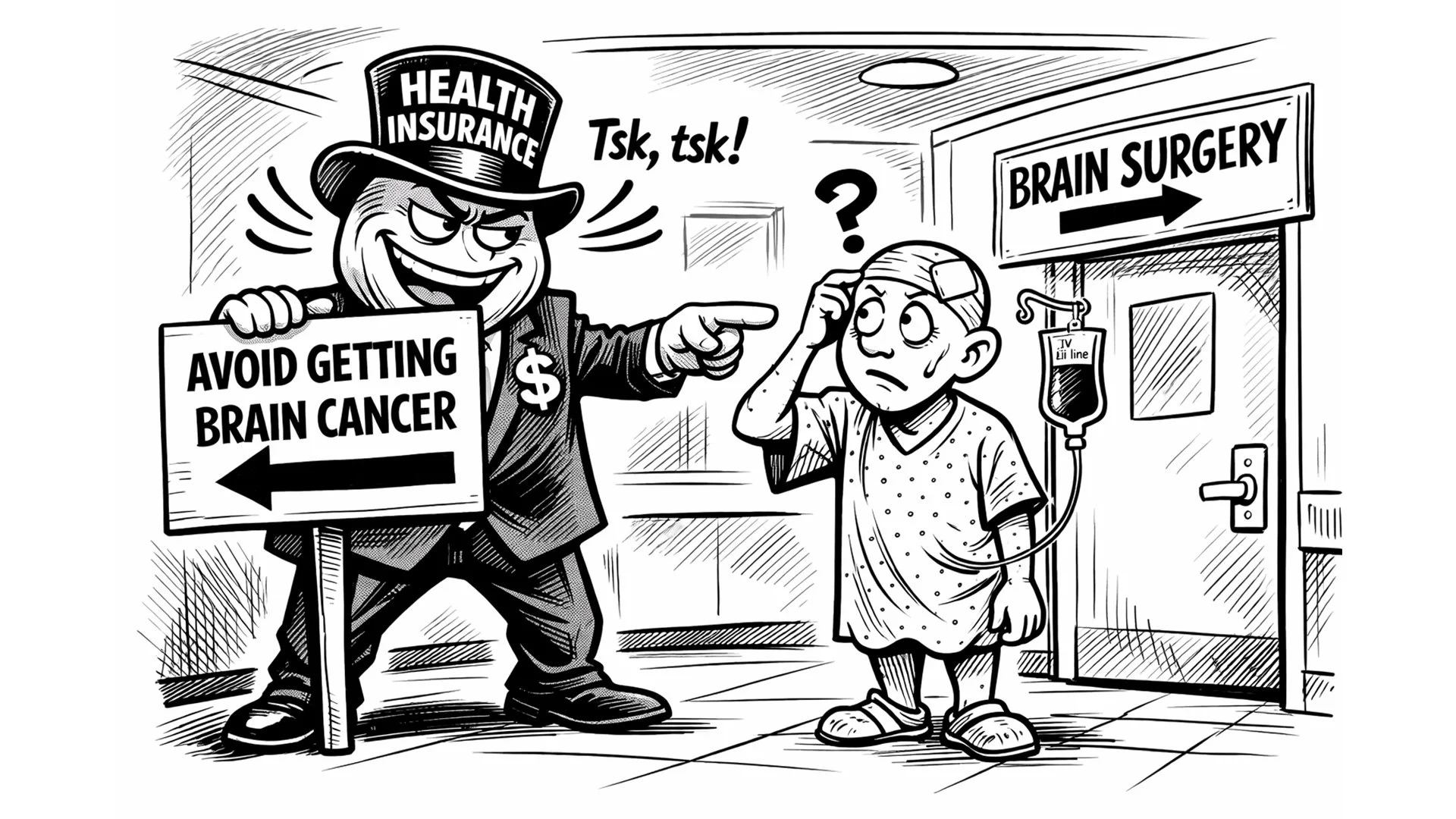
When an Insurer Calls Your Treatment Investigational and the Alternative Is Brain Surgery
When an insurer labels trigeminal nerve blocks investigational, patients may face brain surgery instead. This essay examines how coverage policy, coding decisions, and actuarial incentives shape care for trigeminal neuralgia and what must change to align patient protection with economic logic.

Patients Should *NOT* Have To Write Policy Briefs
Sally Neely Nix manages chronic pain with nerve block injections. No opioids. Her insurer calls them experimental. So she built a policy brief and sent it to the CEO. While in extreme pain. Patients shouldn't have to become researchers to access care that works.
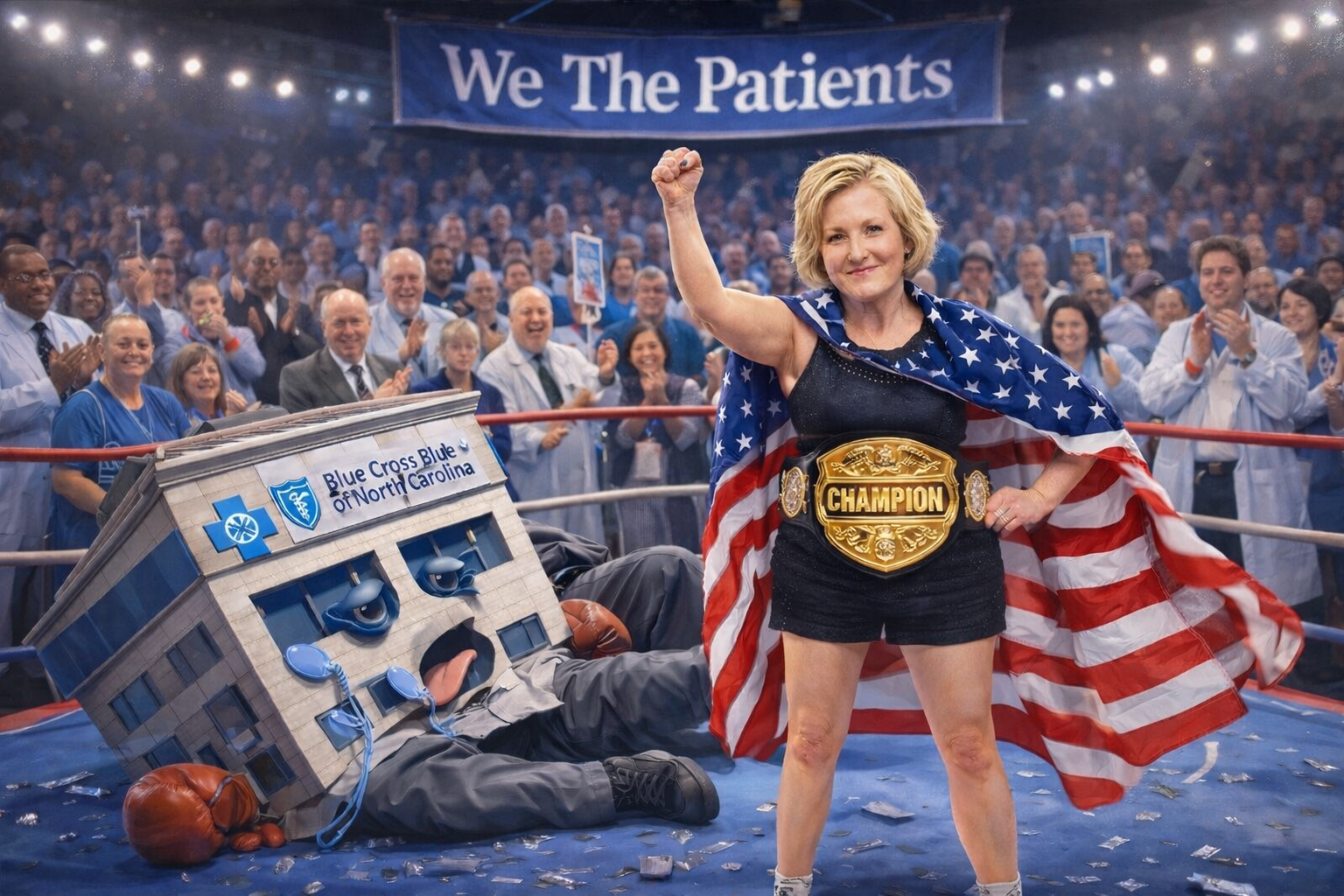
Blue Cross Blue Shield of North Carolina Tried to Kill My Friend
Blue Cross Blue Shield of North Carolina demanded another review of an already-approved, externally-reviewed IVIG infusion—48 hours before treatment. For a patient with life-threatening hypersensitivity reactions. This is how the denial machine works, and how one patient fought back and won.

Out of Patients?
Join the recurring Out of Patients dispatch from Matthew Zachary covering the latest American healthcare shenanigans. Essays, podcast episodes, media appearances, book updates, and live events delivered with a sardonic Gen X perspective from a patient who simply refuses to shut up.
Get the dispatch