
Out of Patients
with Matthew Zachary
Welcome to 2026: The Year of the Patient where the sick shall inherit the ballot.
Doctors and Patients Have Identified the Problem: American Healthcare
Doctors and patients were never opposing teams. They’re the 2 people healthcare was built around. So how did we create a system where both can sit in the same exam room feeling powerless while everyone else apparently has a login?
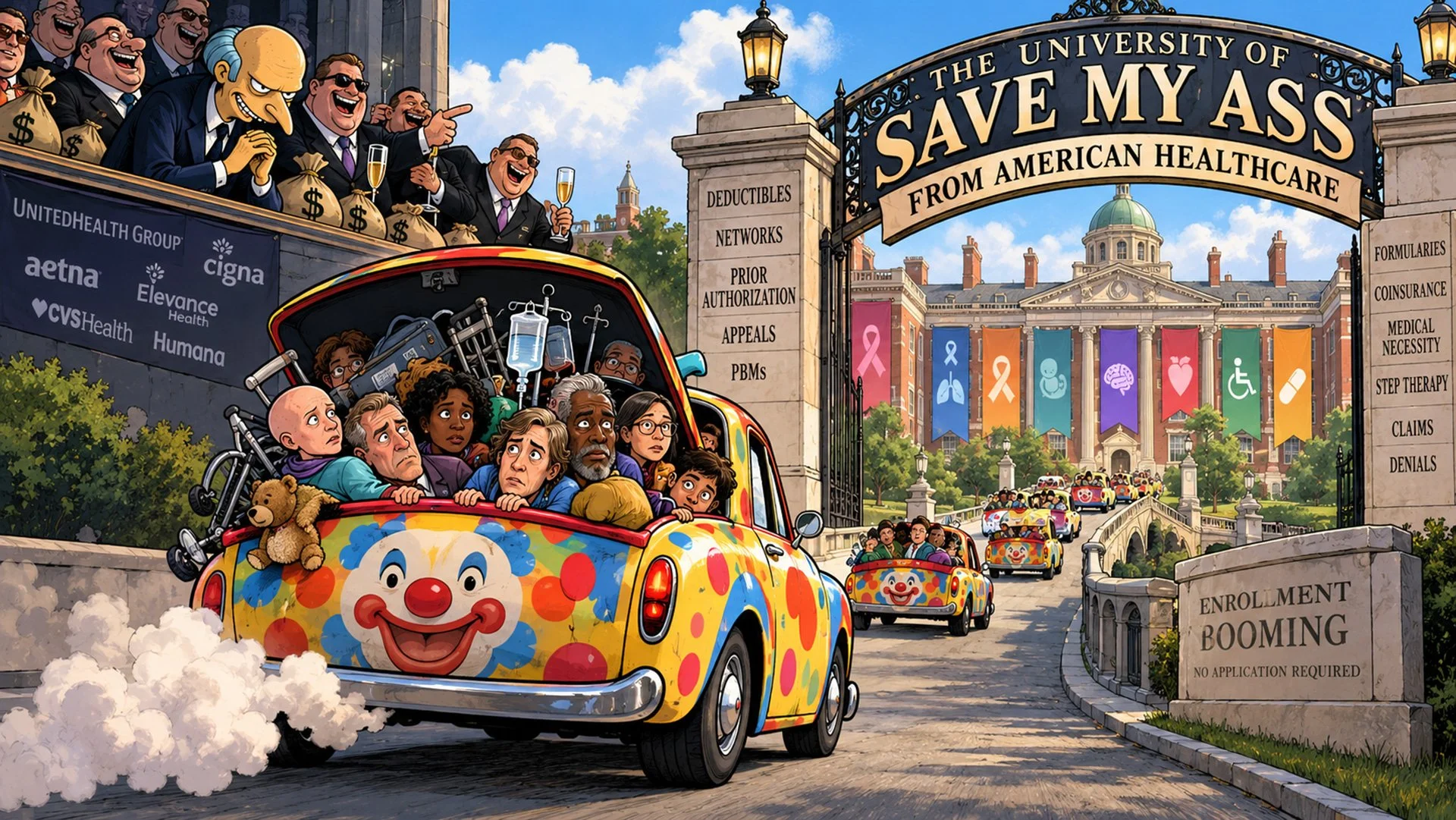
The University of Save My Ass From American Healthcare
American healthcare has spent decades teaching patients to become better mechanics instead of fixing the machine. We learn deductibles, networks, prior authorization, appeals and PBMs because something went wrong. When did surviving the healthcare system become the patient’s responsibility?
![[ICYMI] Your Denial Doesn’t Have to Be Correct. It Just Has to Exhaust You.](https://images.squarespace-cdn.com/content/v1/695180f1fb7a0c3ff10aae14/1790193640835-L6UWIXWRR0FBWHSJFOMR/UHC_LI.jpg)
[ICYMI] Your Denial Doesn’t Have to Be Correct. It Just Has to Exhaust You.
A lawsuit involving UnitedHealth Group alleges more than 90% of certain claim denials were reversed when appealed. The bigger story isn’t just AI. It’s a healthcare system that makes sick people fight decisions that may not survive scrutiny.
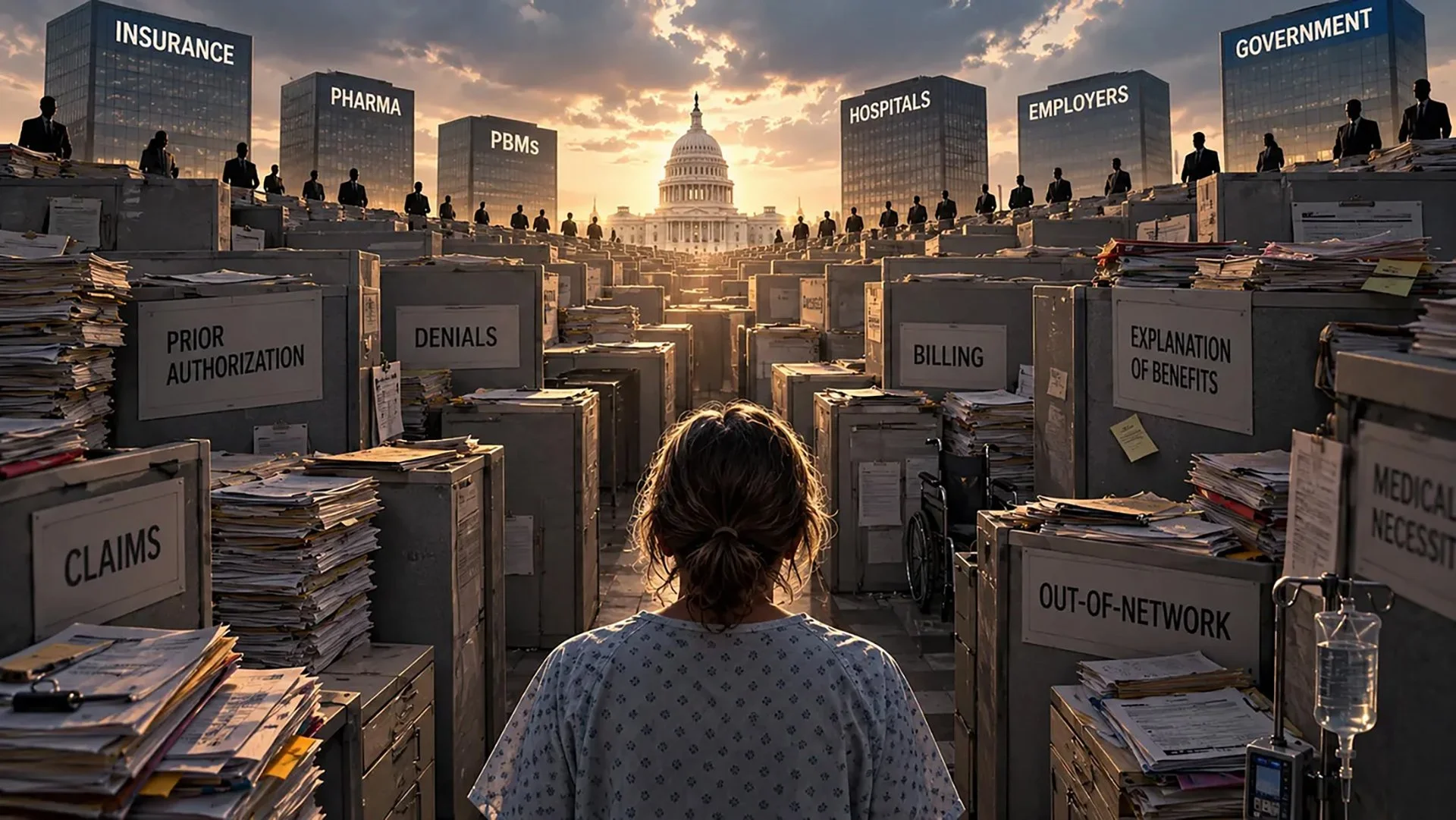
American Healthcare Isn’t Broken. It Was Built This Way.
American healthcare has insurers, hospitals, pharma, PBMs, employers, lobbyists and trade groups organized to protect their interests. The patient has a portal password. After 30 years inside the system, I think patients need something we’ve never had: a constituency.
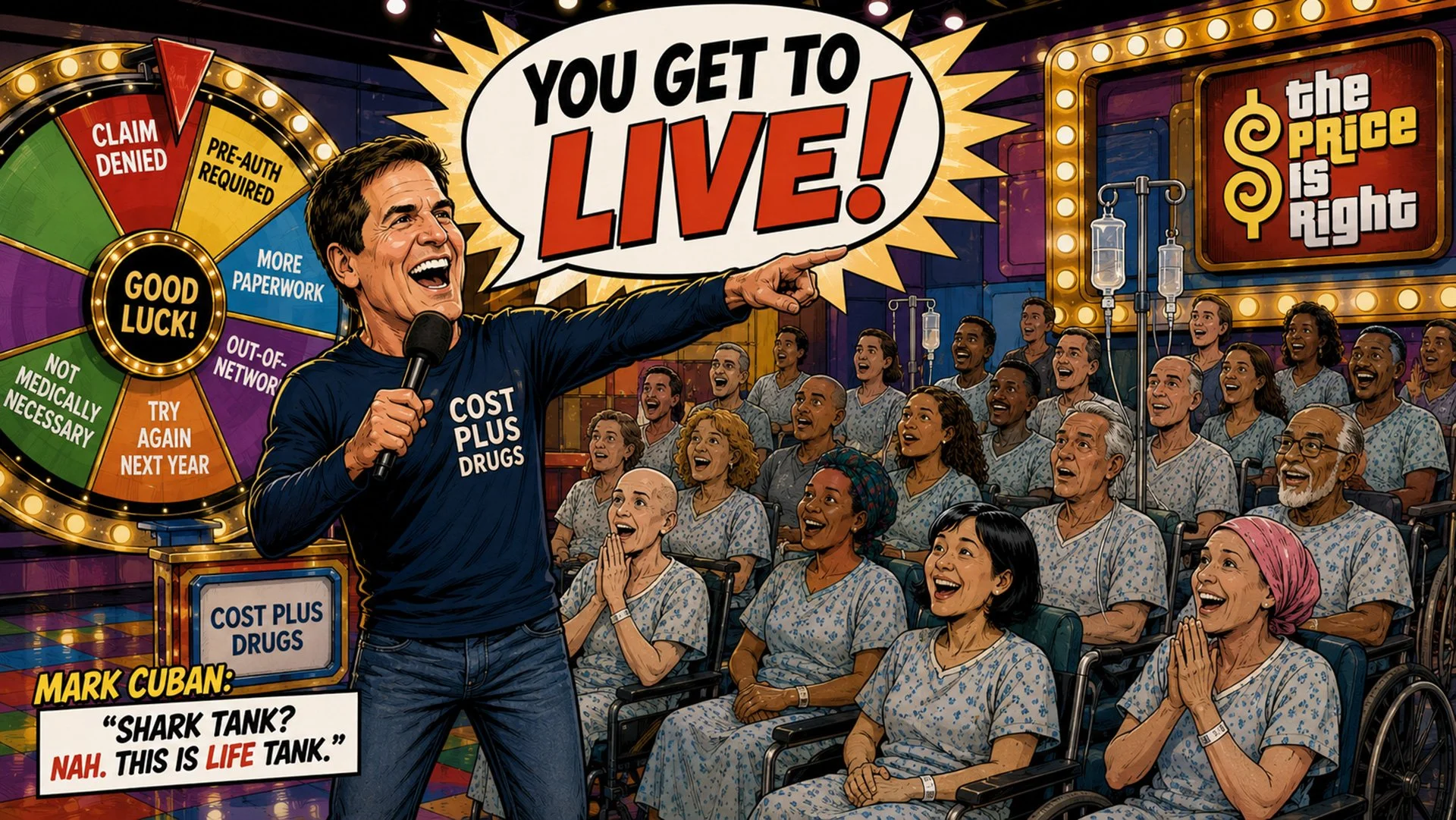
You Should Not Need To Know Mark Cuban To Get Unfucked From American Healthcare.
A heart transplant survivor lost affordable access to the drug keeping her alive. It took two viral stories, a grieving donor mother, a nonprofit, and Mark Cuban to fix it. The happy ending is the problem: nobody should need an audience, influence, or a billionaire to get healthcare.
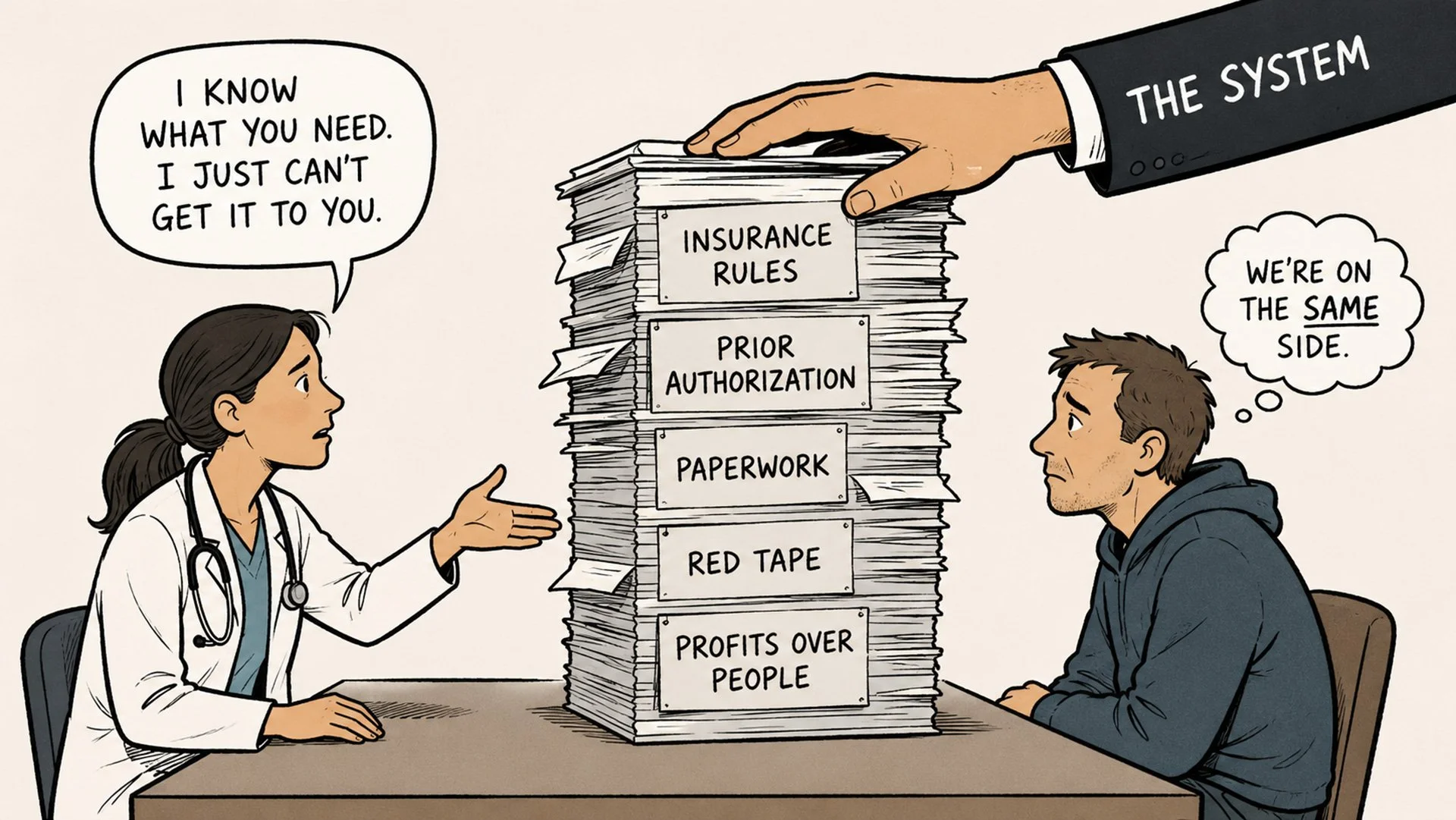
Doctors Aren’t Unable to Treat Their Patients. They’re Being Blocked.
Doctors know how to treat their patients. Increasingly, they’re being blocked from doing it. After decades in patient advocacy, I’m realizing that patients and physicians may be fighting different sides of the same healthcare battle.
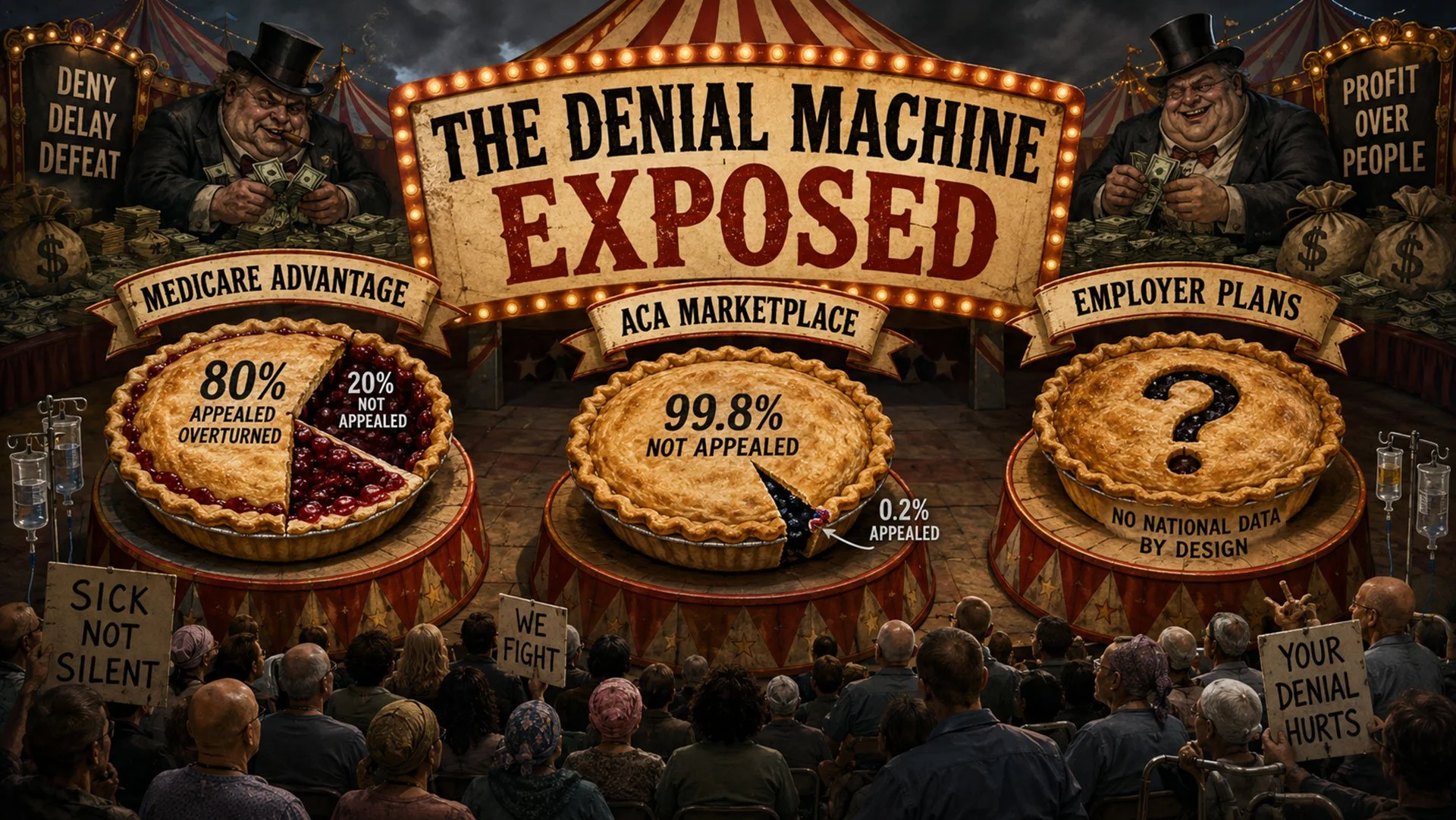
The Denial Machine: Why America’s Health Insurance Appeals System Rewards Patient Exhaustion
More than 80% of appealed Medicare Advantage prior authorization denials are overturned, yet fewer than 0.2% of ACA Marketplace denials are ever appealed. The problem is not only denial. It is a system that profits when patients run out of time, energy, and hope.
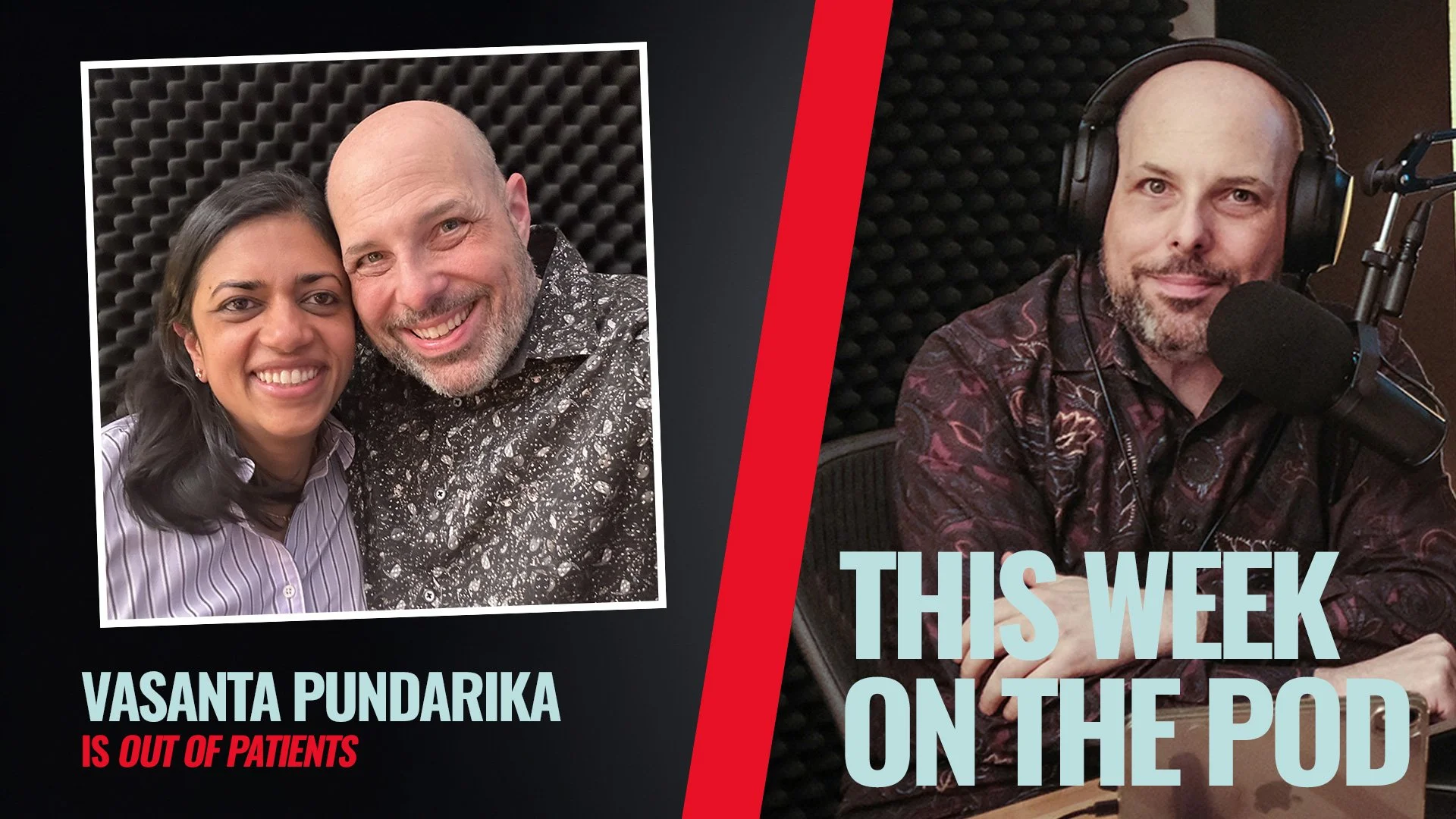
Out of Patients EP453: Mission, Margin, and the Women Left Waiting: Vasanta Pundarika
Women delay care while healthcare systems optimize around assumptions that no longer reflect how people live. Former healthcare investment banker Vasanta Pundarika explains how caregiving, behavioral health, women’s health, and capital incentives collide inside American healthcare.
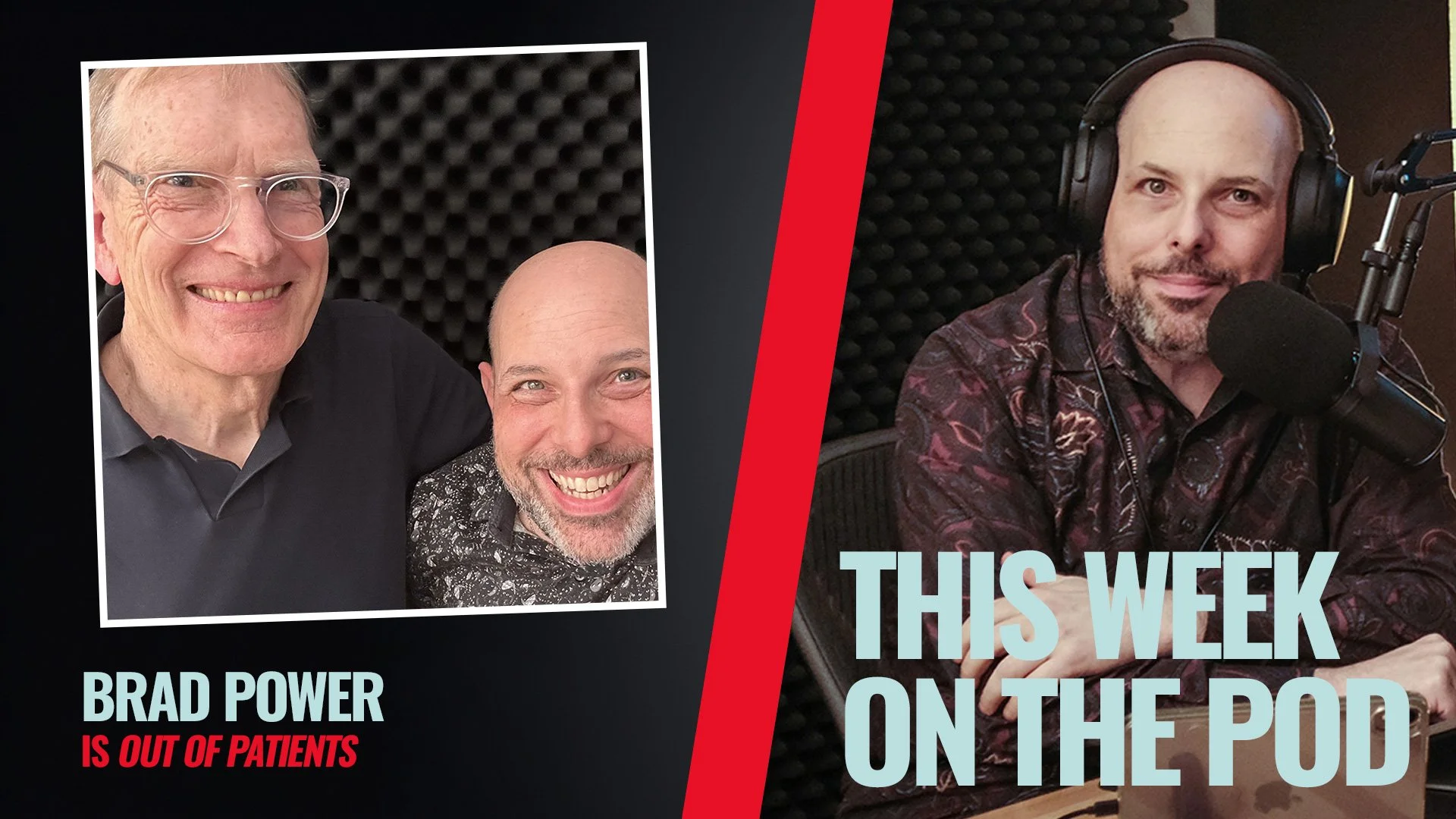
Out of Patients EP452:You Shouldn’t Need AI to Survive Cancer: Brad Power
Cancer patients increasingly rely on AI and patient networks to navigate a healthcare system built around fragmentation and administrative burden. Brad Power explains why patients now trust technology more than the institutions designed to care for them
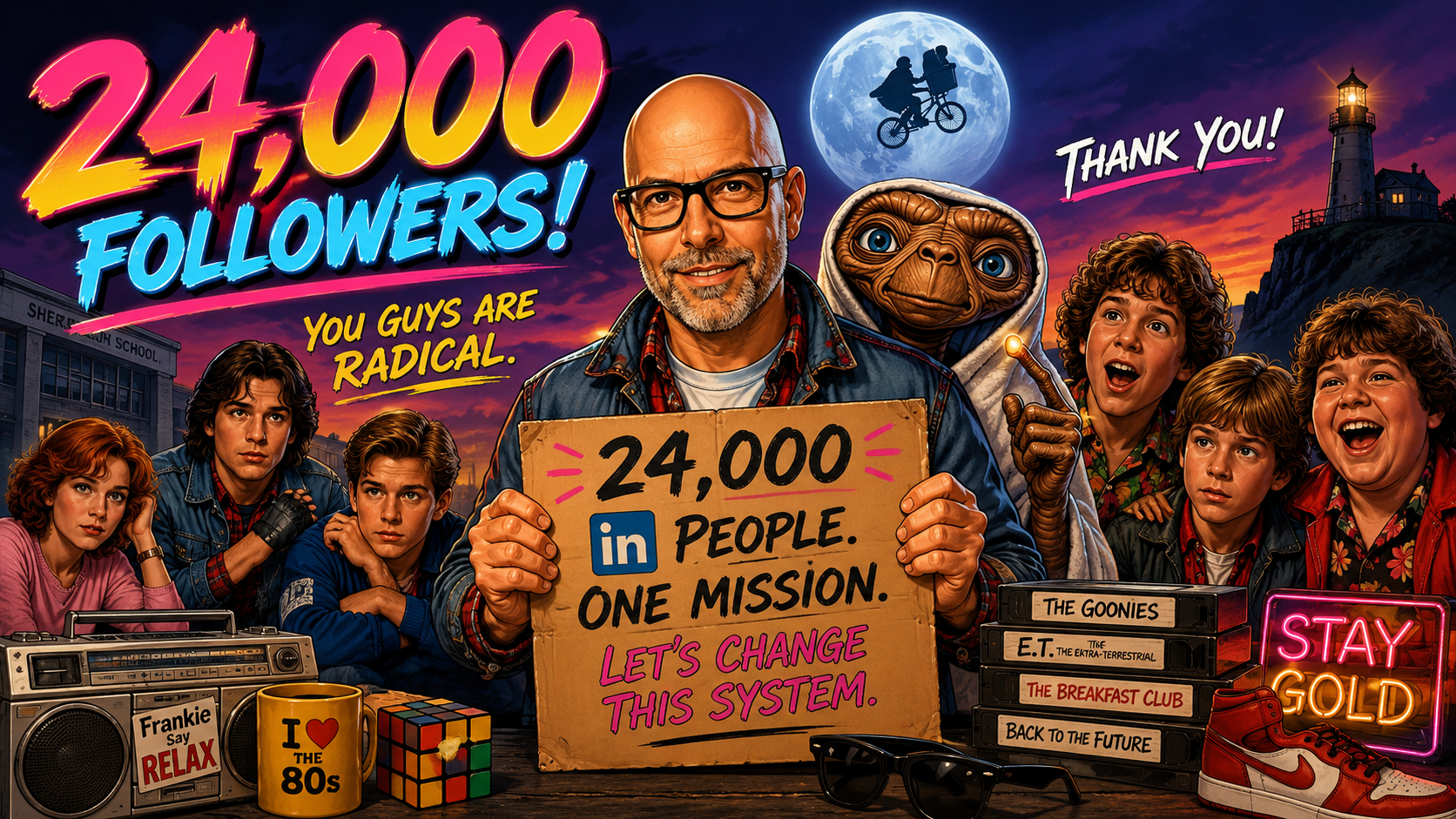
Twenty Four Thousand People Follow Me on LinkedIn. Healthcare Should Be Paying Attention.
Crossing 24,000 LinkedIn followers is more than a social media milestone. It reflects a growing community of patients, caregivers, and clinicians who are tired of insurance denials, medical debt, and a healthcare system that too often puts bureaucracy before people.
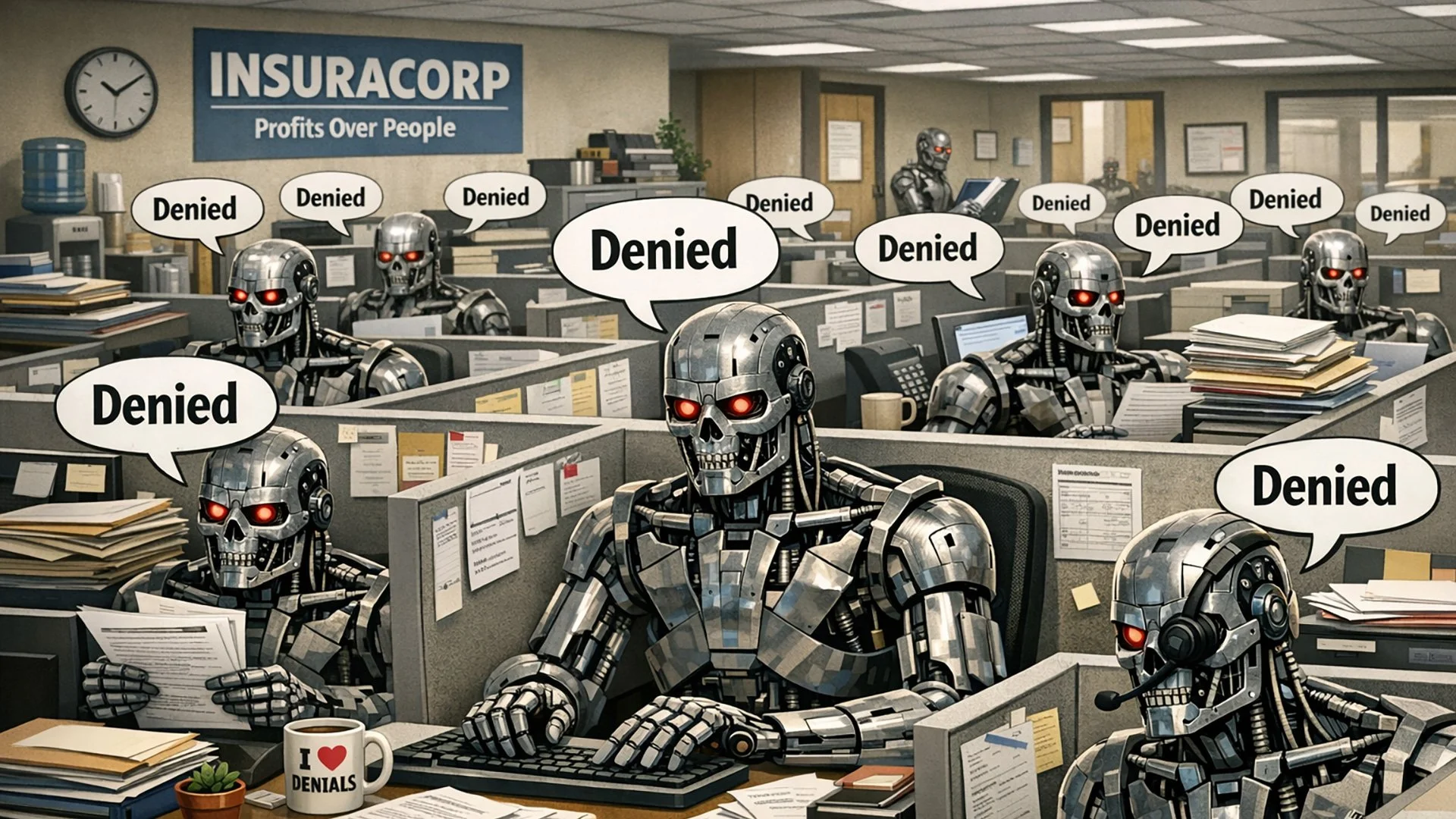
Insurance Denied? Here’s What They Hope You Never Learn.
Most people assume an insurance denial is the end of the story. It isn’t. Learn why appeals succeed more often than you think, why so few patients file them, and discover a free, plain-English guide to navigating denials, deadlines, and your rights before you give up.
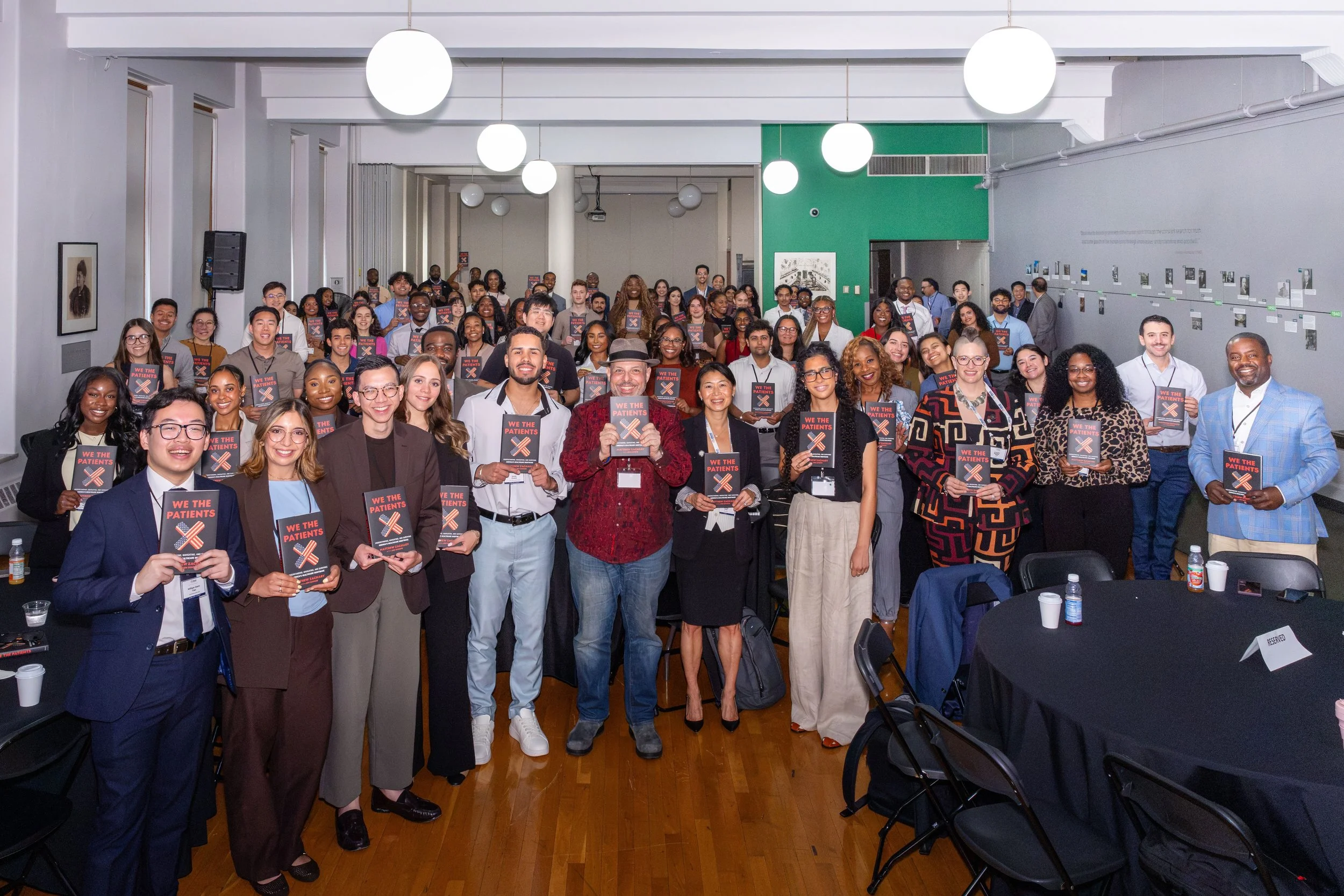
They Gave Every Medical Student My Book. Then We Talked About the Storm They’re Inheriting.
At the 2026 Robert A. Winn Clinical Investigator Symposium, hundreds of medical students received We the Patients and were challenged to see healthcare from the patient side of the bed rail, including the burden, bureaucracy, and hidden labor that medical training too often ignores.
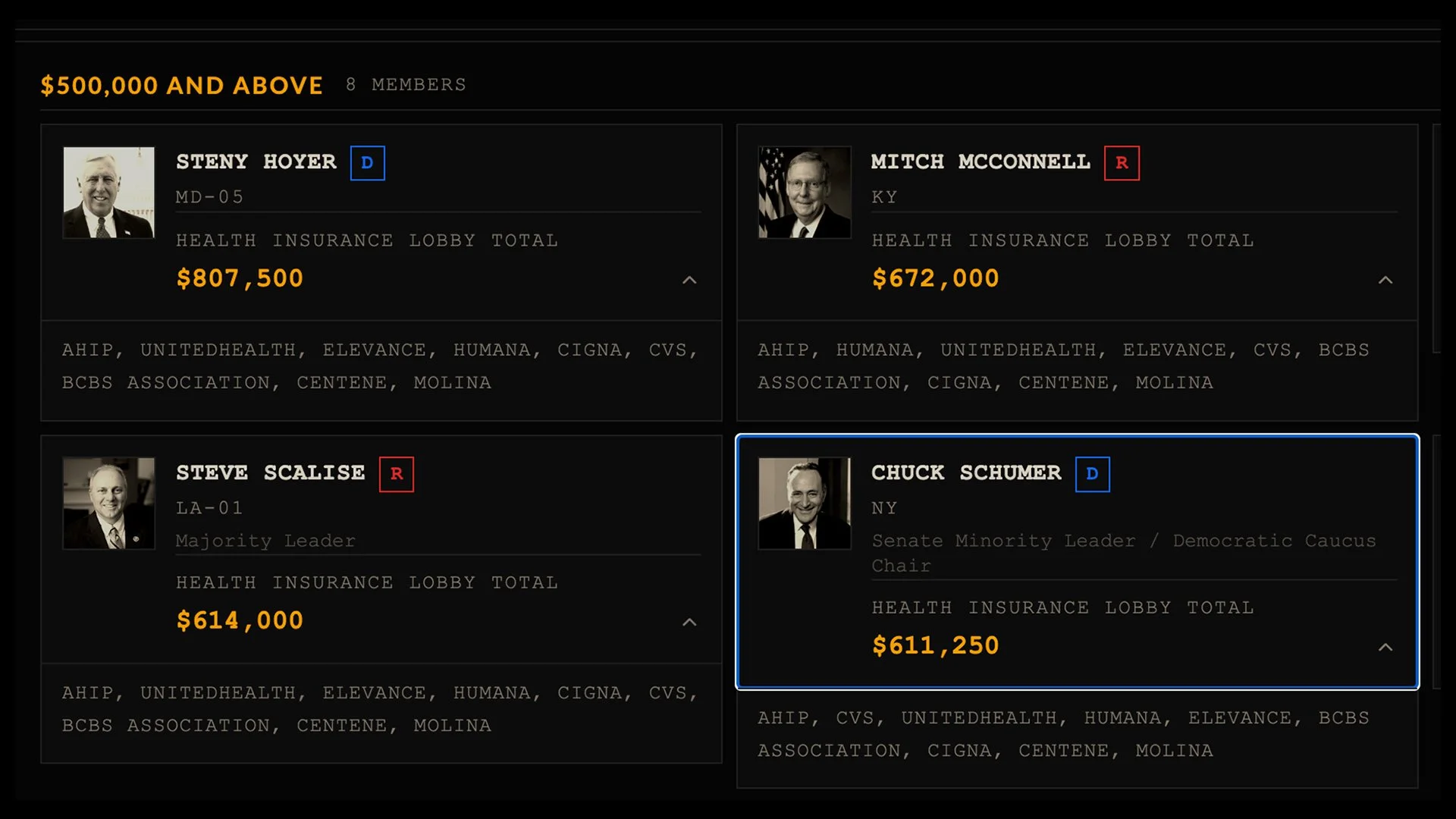
86% Of Congress Took Money From The Health Insurance Lobby. Now There’s A Tracker With The Receipts.
A new tracker shows that 86% of Congress took campaign money from major health insurance PACs. The biggest checks went to the lawmakers with the most power over healthcare policy, raising a brutal question: who exactly is Congress working for when patients are being denied care?
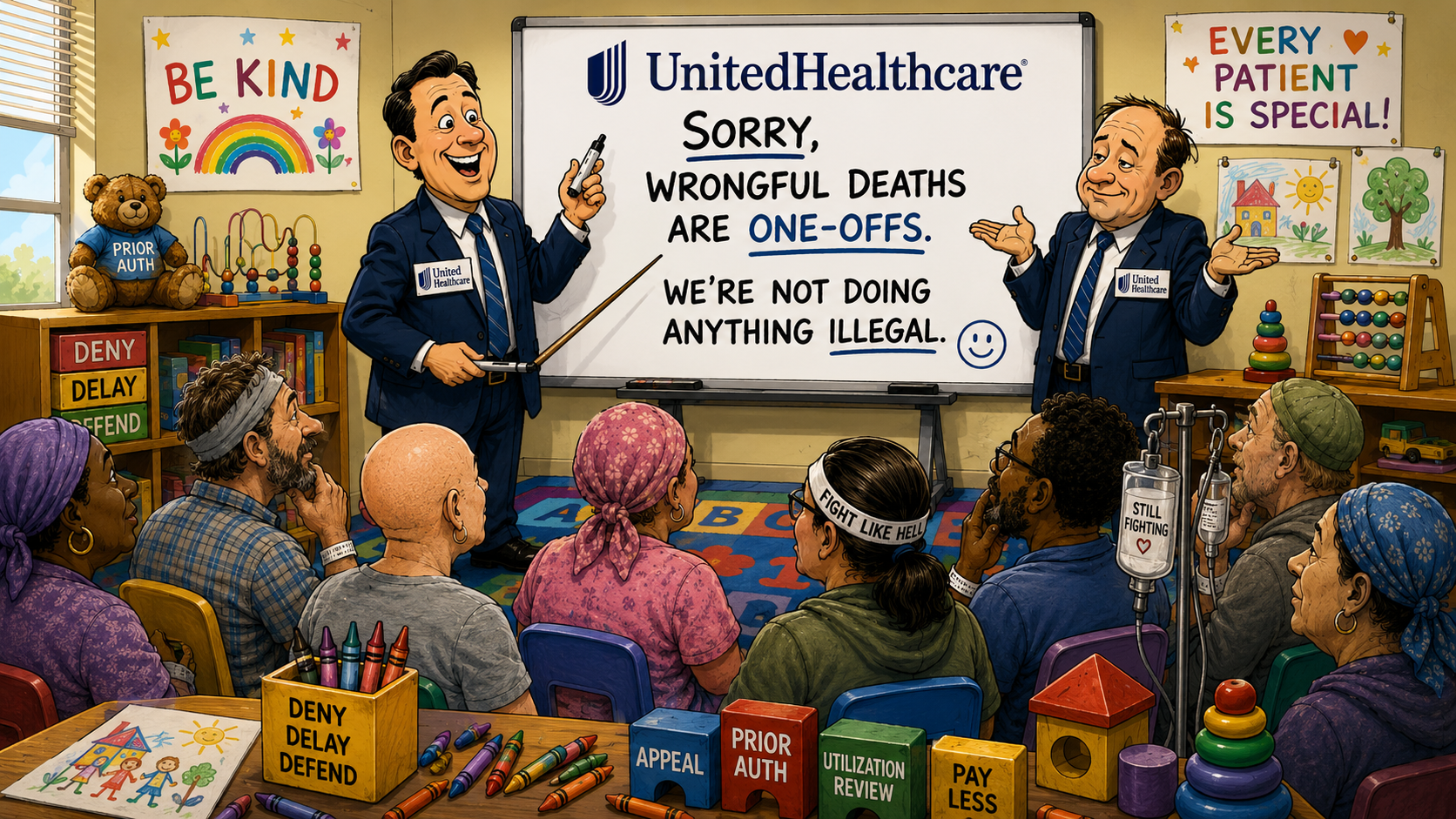
UnitedHealthcare Invited Journalists to Headquarters to Prove They’re the Good Guys. Then the CEO Called Wrongful Death Lawsuits “One-Offs.”
UnitedHealthcare invited journalists to headquarters to burnish its image. Then its CEO dismissed wrongful death lawsuits as “one-offs.” That phrase says everything about a system where denial, delay, and patient harm are treated as isolated incidents instead of the business model.

What My Annual ASCO Mosaic Reveals About Cancer Care
Every year I leave ASCO with hundreds of selfies that become one giant mosaic. This year’s image tells a bigger story than the science alone. It captures the people, conversations, and growing realization that the next challenge in cancer care isn’t discovery. It’s making sure patients can reach it.
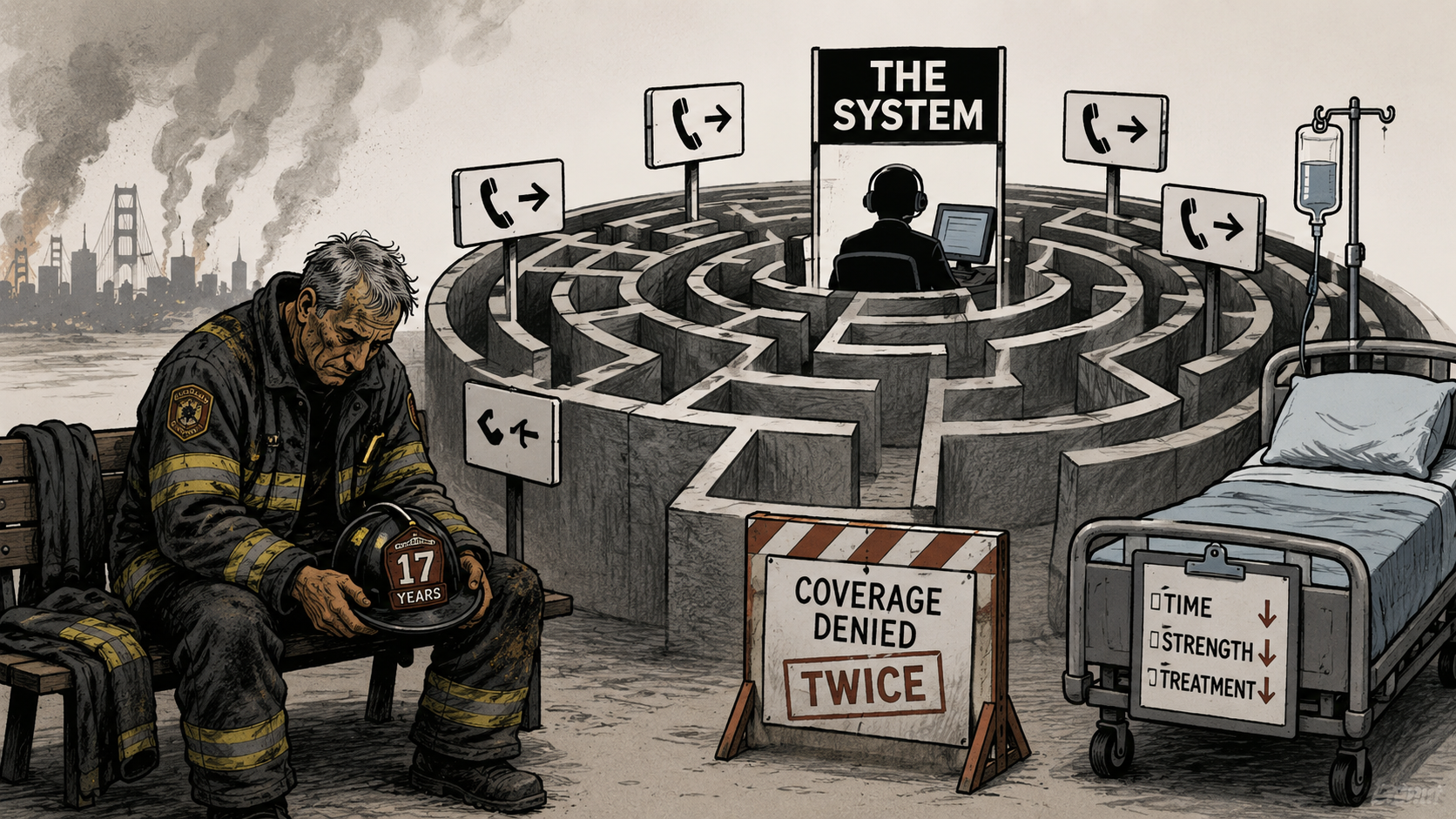
The Deadliest Part of American Healthcare Might Be the Waiting
A retired firefighter’s denied cancer treatment reveals a larger truth about American healthcare. Administrative friction has become an economic strategy that shifts costs onto patients and physicians while delaying care in ways the system rarely measures but patients always feel.
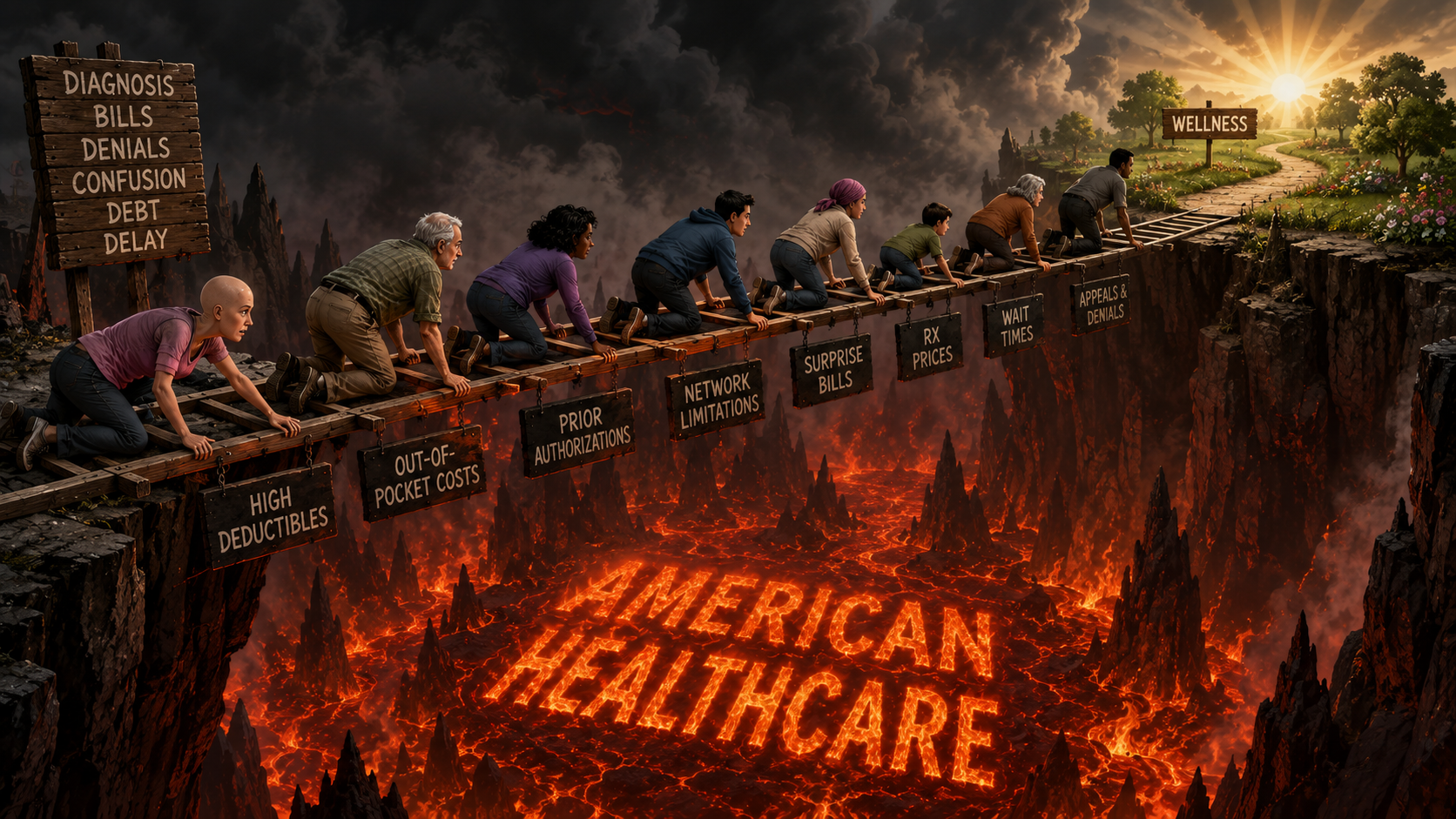
The Fact That Patients Need Survival Guides Is the Scandal
Americans now need books to survive healthcare. That’s not evidence of empowerment. It’s evidence of failure. As affordability collapses and complexity grows, patients are being forced to become advocates, navigators, and administrators just to access care they already pay for.
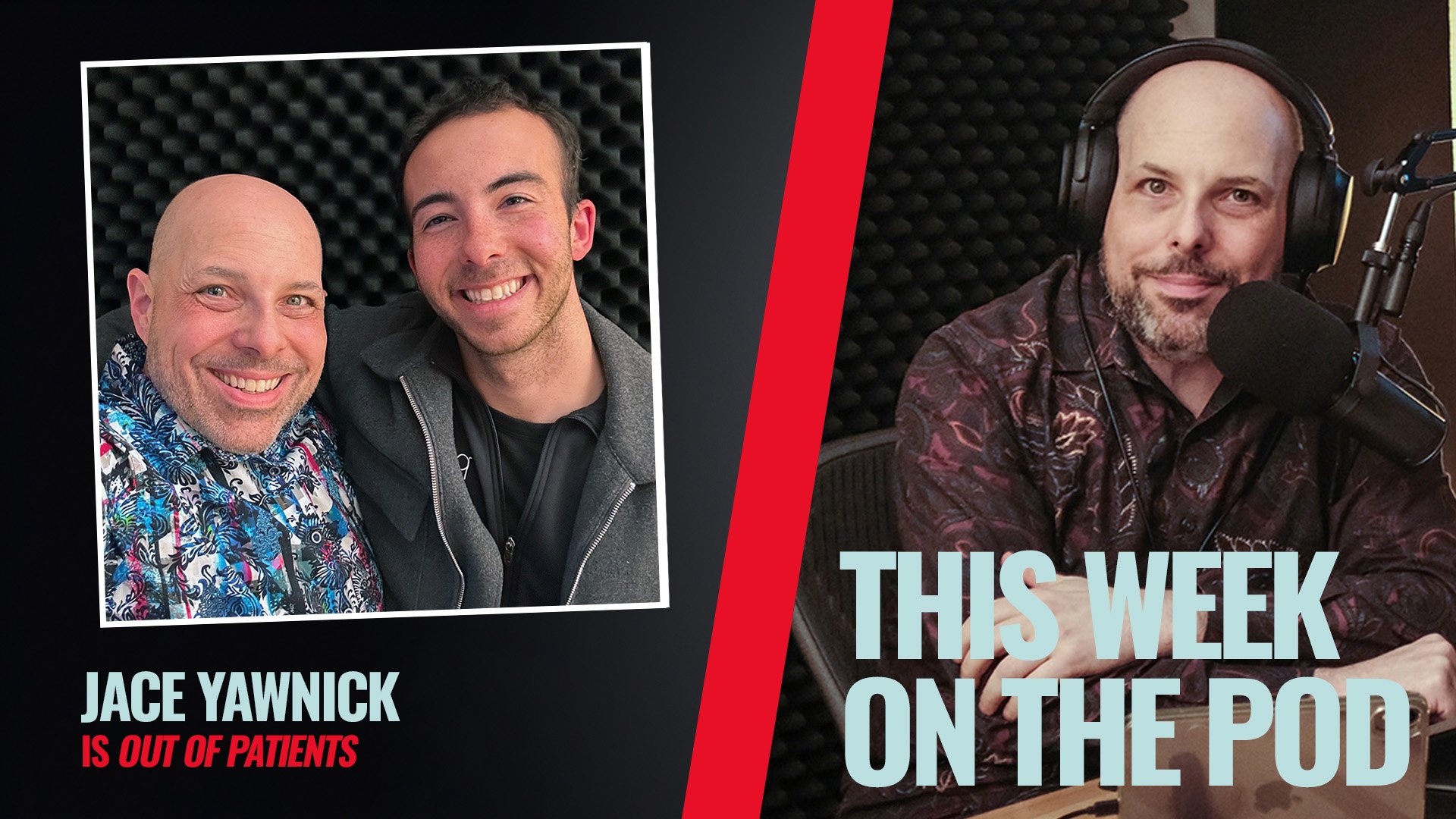
When Denial Becomes the System: Jace Yawnick
US healthcare does not fail when it denies care. It performs as designed. This essay involving the life of Jace Yawnick examines how insurance incentives, prior authorization, and employer based coverage shape access, delay treatment, and shift risk onto patients while increasing total cost.
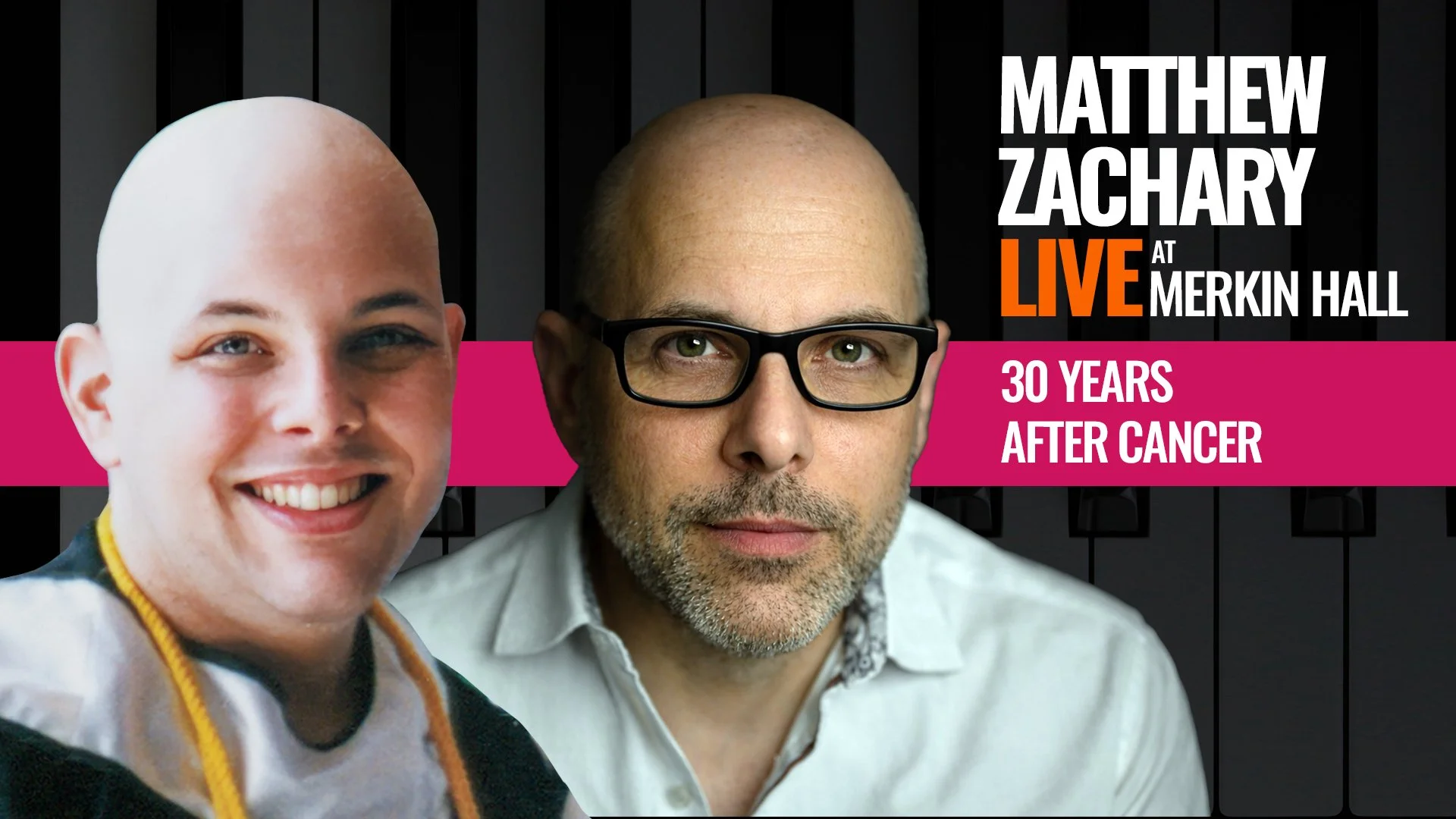
MZLIVE and the Accidental Creation of America’s Survivorship Movement
Thirty years after brain cancer, Matthew Zachary returned to the piano at Merkin Hall for MZLIVE, a night that became far more than a concert. Survivors, advocates, clinicians, and healthcare leaders confronted what survivorship actually costs and what the system still refuses to see
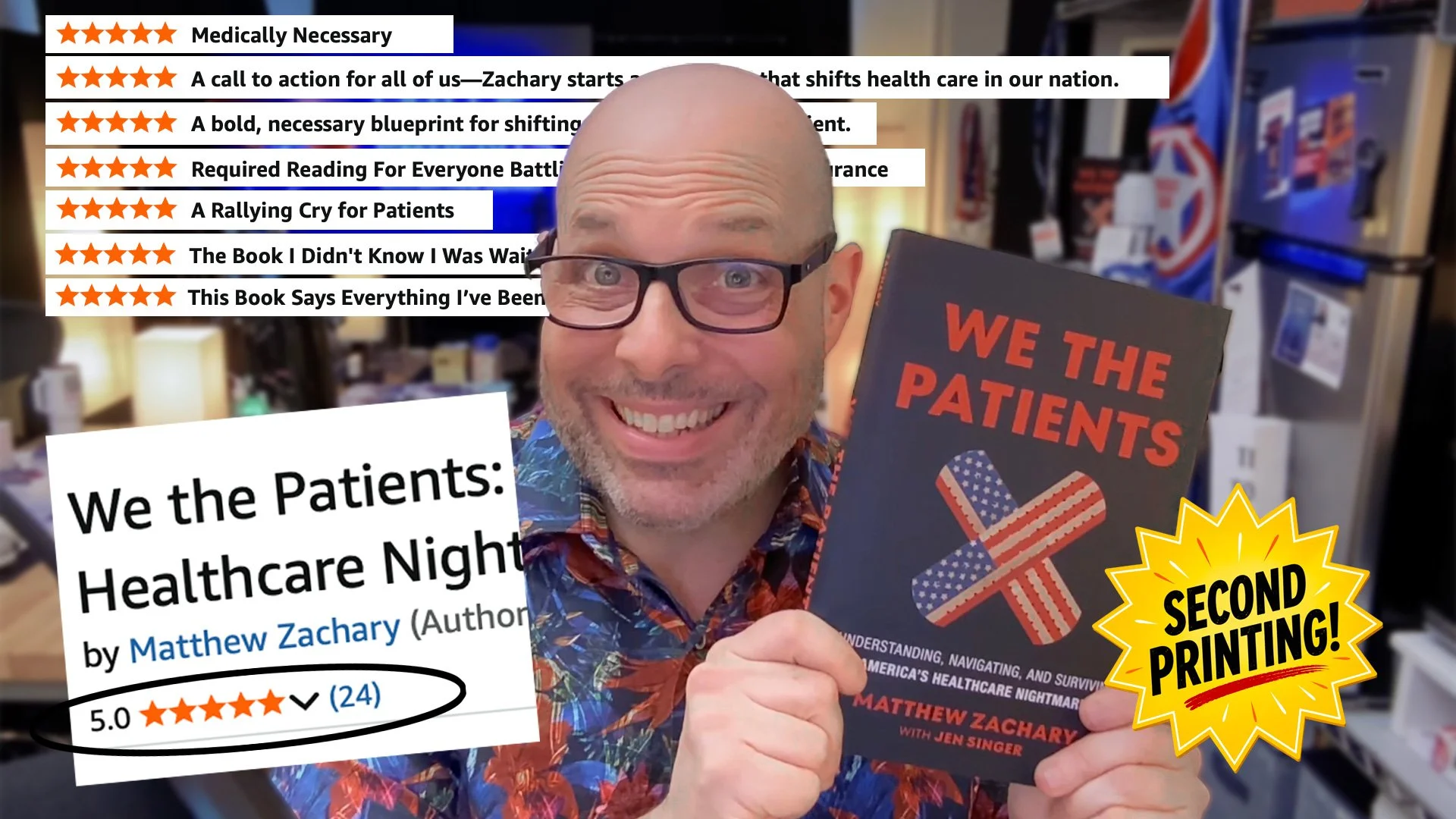
Today My Book Comes Out! It's Already In Its Second Printing. That Never Happens.
We the Patients officially launches today and is already in its second printing before release day. Matthew Zachary shares why readers across healthcare, advocacy, and survivorship circles are responding so strongly to a book that names the realities patients live through every day.

Out of Patients?
Join the recurring Out of Patients dispatch from Matthew Zachary covering the latest American healthcare shenanigans. Essays, podcast episodes, media appearances, book updates, and live events delivered with a sardonic Gen X perspective from a patient who simply refuses to shut up.
Get the dispatch