Healthcare Is a Private Tax Triggered by Diagnosis
In the Spring of 1996, while I spent nights throwing up from radiation for brain cancer, my father took control of everything else. He handled the insurance calls, and the billing departments, managing a system designed to exhaust families. while enduring endless fax machine snarls and dial-up internet congestion on AOL.
Gallup now reports that 82 million Americans cut back on daily life to pay for healthcare. 62% of uninsured Americans made at least one financial sacrifice. 32% borrowed money. 24% stretched medication. Even 29% of insured adults report trade offs. Coverage shifts risk. It does not remove it.
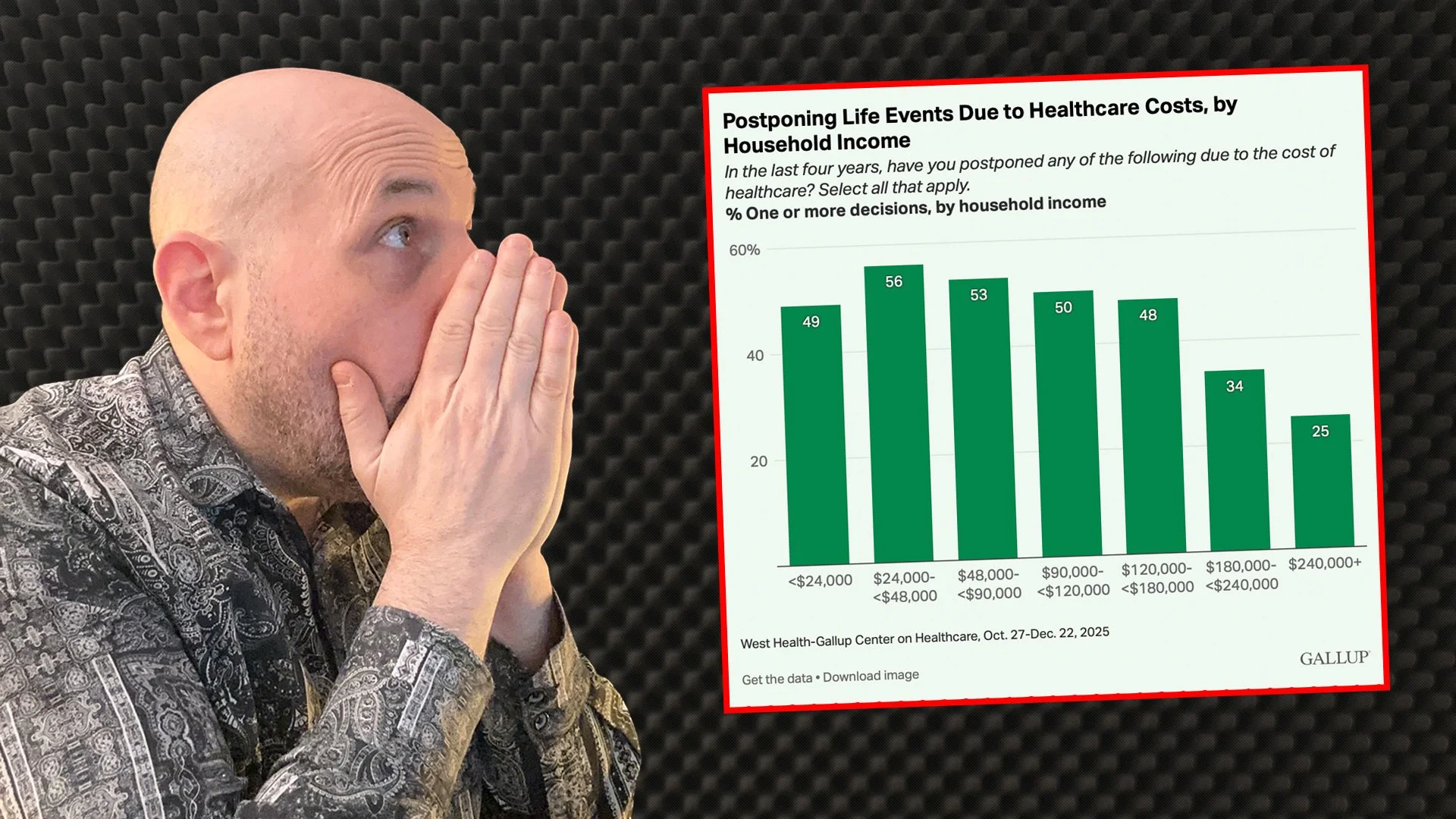
55% of households earning under $24,000 cut daily spending to cover care. A quarter of households earning $240,000 report the same behavior. Healthcare costs function like a private tax triggered by diagnosis.
The damage extends into life planning. 24 million Americans delayed retirement. 46 million delayed a job change. 37 million postponed buying a home. Insurers call it cost sharing. Families reorganize their futures around deductibles and prior authorization codes.
Congress let enhanced ACA subsidies expire. States purge Medicaid rolls to reduce budget exposure. Private equity acquires physician groups and pushes prices higher to satisfy investors. Each lever transfers financial risk to patients.
The system rewards delay, denial, and administrative friction. Families absorb the impact.
Welcome to 2026: The Year of the Patient where the sick shall inherit the ballot. See the Year of the Patient collection and join the movement
If this hits home, drop your horror story in the comments and tell me where you have seen it happen. How about a rage repost? Or tag a former colleague just for fun. Every impression pushes this in front of more people who deal with the same mess.
Are you new here? My condolences and my thanks. Follow along and stay loud with the rest of us. More voices means more pressure on a system that counts on silence
SOURCE ➡️ https://news.gallup.com/poll/702596/one-third-americans-cut-back-cover-healthcare-expenses.aspx