
Out of Patients
with Matthew Zachary
Welcome to 2026: The Year of the Patient where the sick shall inherit the ballot.

American Healthcare Isn’t Broken. It Was Built This Way.
American healthcare has insurers, hospitals, pharma, PBMs, employers, lobbyists and trade groups organized to protect their interests. The patient has a portal password. After 30 years inside the system, I think patients need something we’ve never had: a constituency.
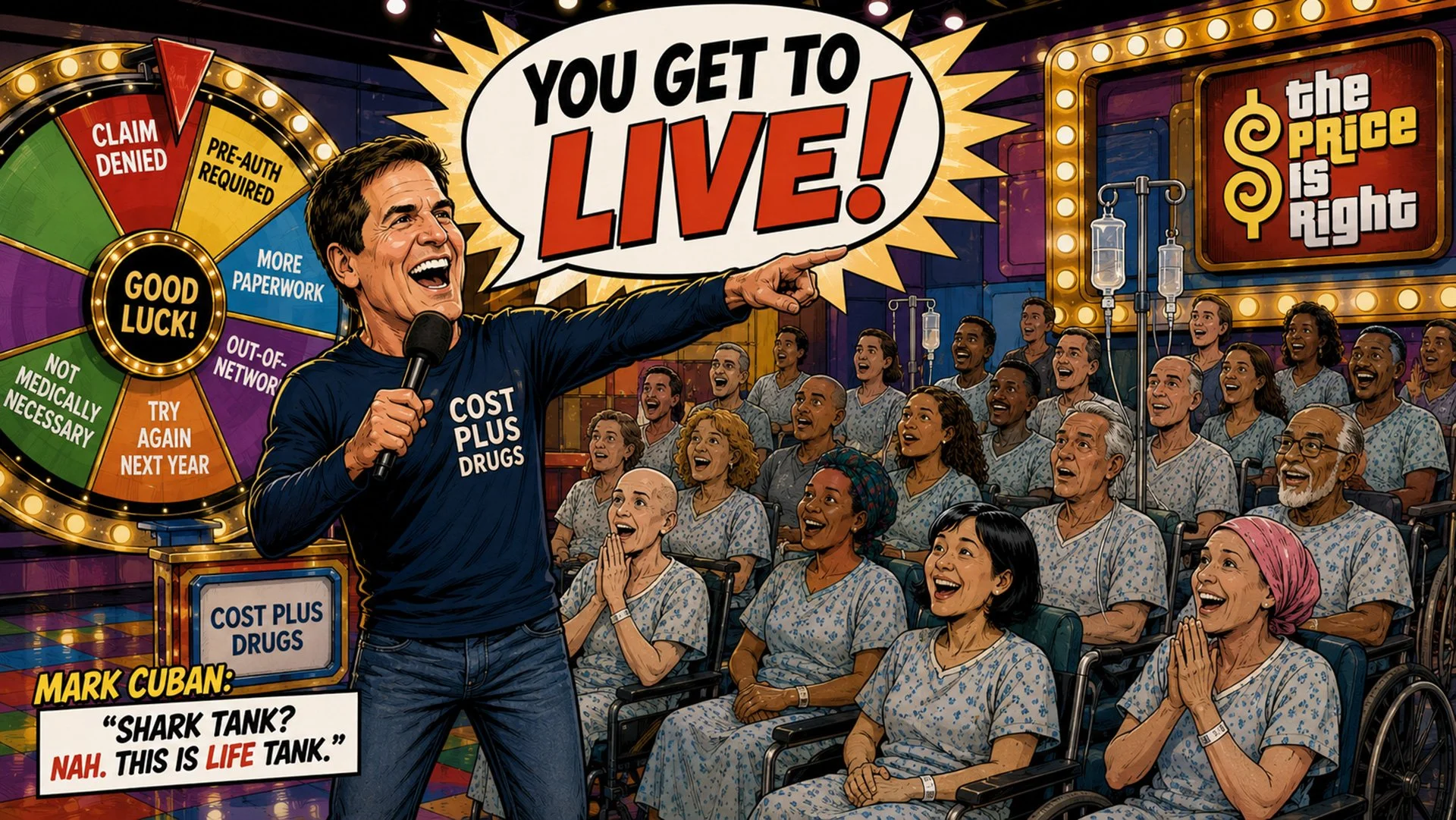
You Should Not Need To Know Mark Cuban To Get Unfucked From American Healthcare.
A heart transplant survivor lost affordable access to the drug keeping her alive. It took two viral stories, a grieving donor mother, a nonprofit, and Mark Cuban to fix it. The happy ending is the problem: nobody should need an audience, influence, or a billionaire to get healthcare.
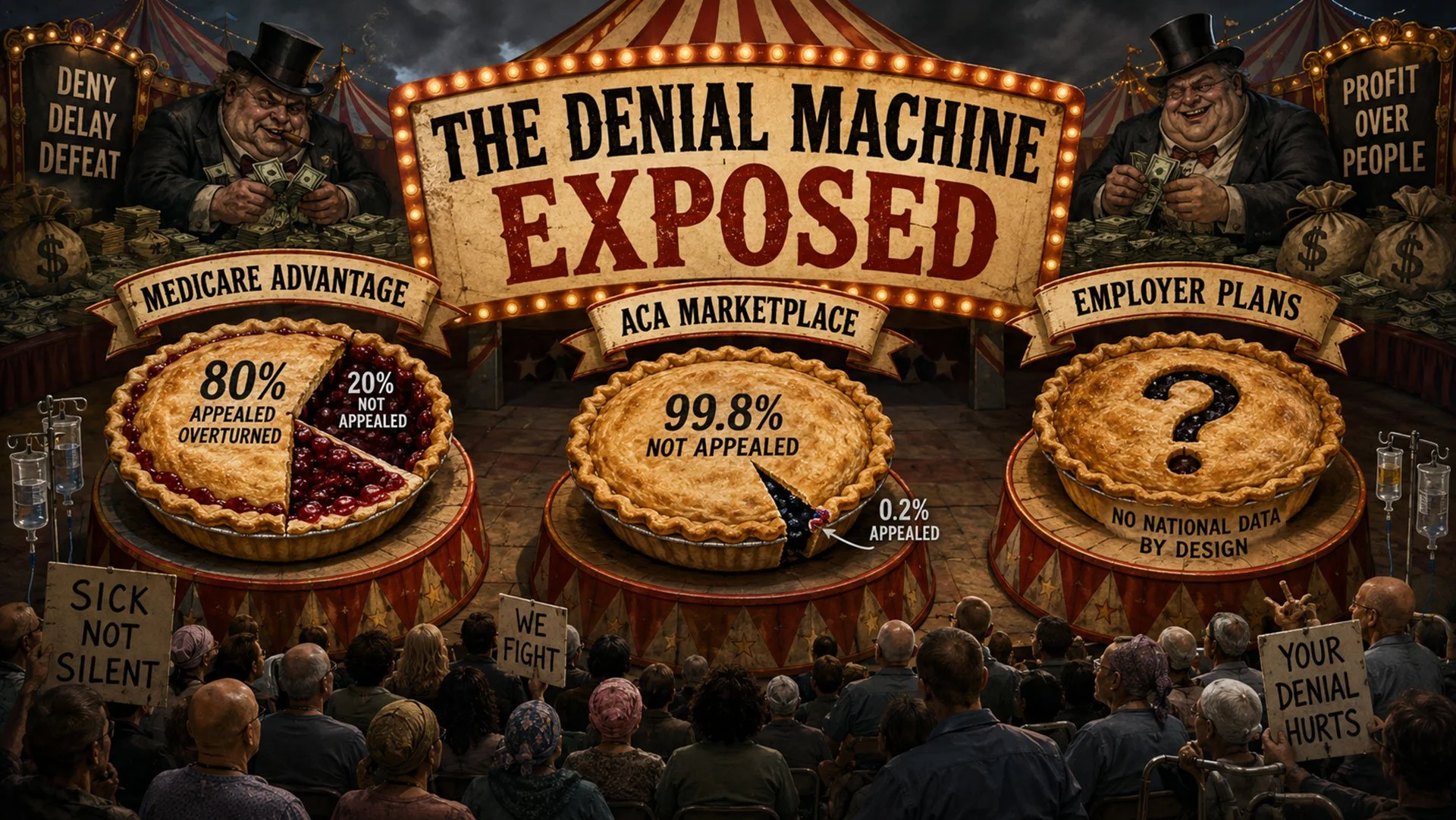
The Denial Machine: Why America’s Health Insurance Appeals System Rewards Patient Exhaustion
More than 80% of appealed Medicare Advantage prior authorization denials are overturned, yet fewer than 0.2% of ACA Marketplace denials are ever appealed. The problem is not only denial. It is a system that profits when patients run out of time, energy, and hope.
UnitedHealth Helped Write the Rules. Then It Started Losing.
UnitedHealth helped shape research behind the No Surprises Act expecting greater leverage over providers. Then neutral arbiters started ruling against insurers. Now it wants the rules changed. Wendell Potter’s reporting reveals how healthcare power works behind the scenes.
Twenty Four Thousand People Follow Me on LinkedIn. Healthcare Should Be Paying Attention.
Crossing 24,000 LinkedIn followers is more than a social media milestone. It reflects a growing community of patients, caregivers, and clinicians who are tired of insurance denials, medical debt, and a healthcare system that too often puts bureaucracy before people.
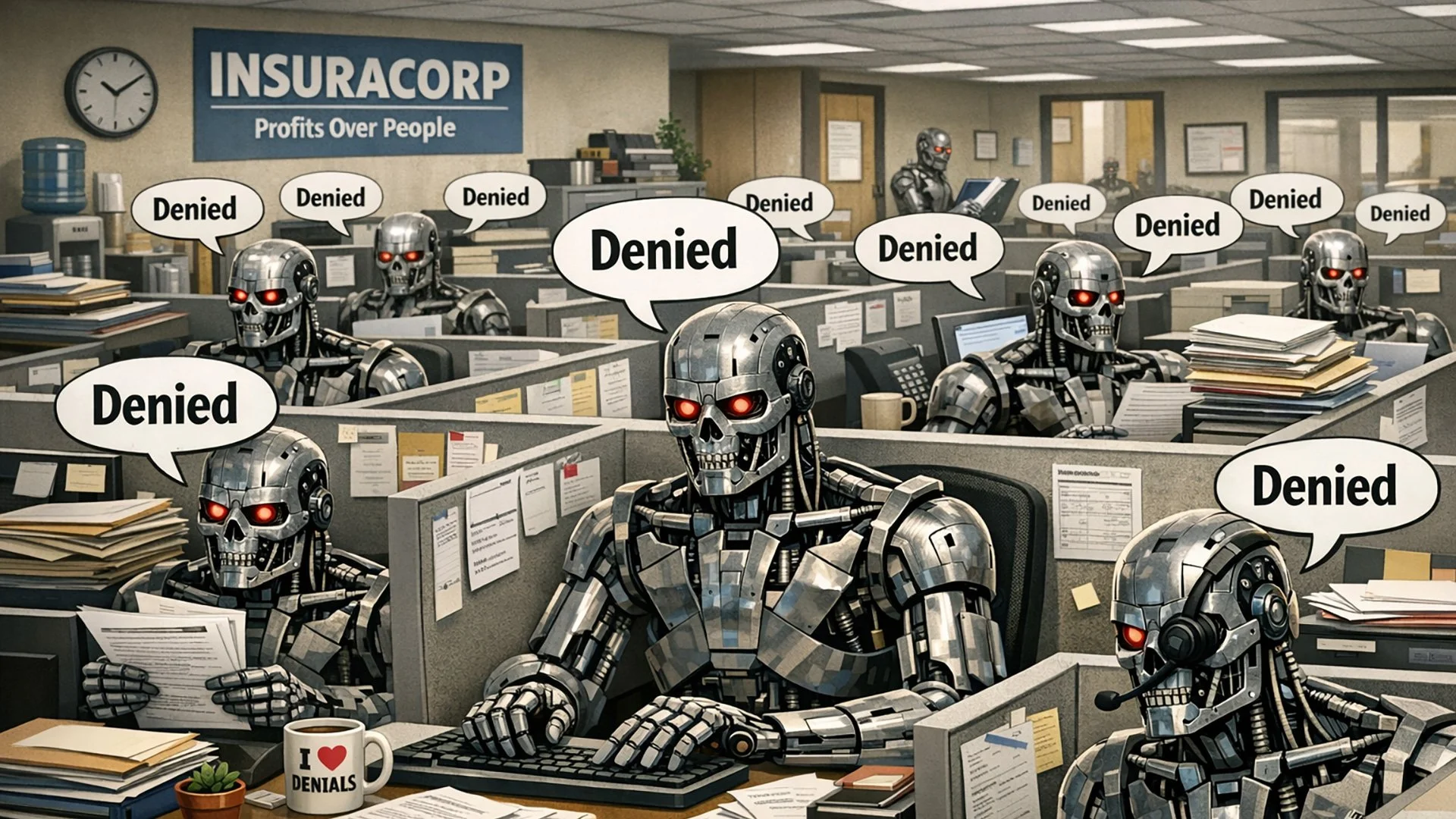
Insurance Denied? Here’s What They Hope You Never Learn.
Most people assume an insurance denial is the end of the story. It isn’t. Learn why appeals succeed more often than you think, why so few patients file them, and discover a free, plain-English guide to navigating denials, deadlines, and your rights before you give up.
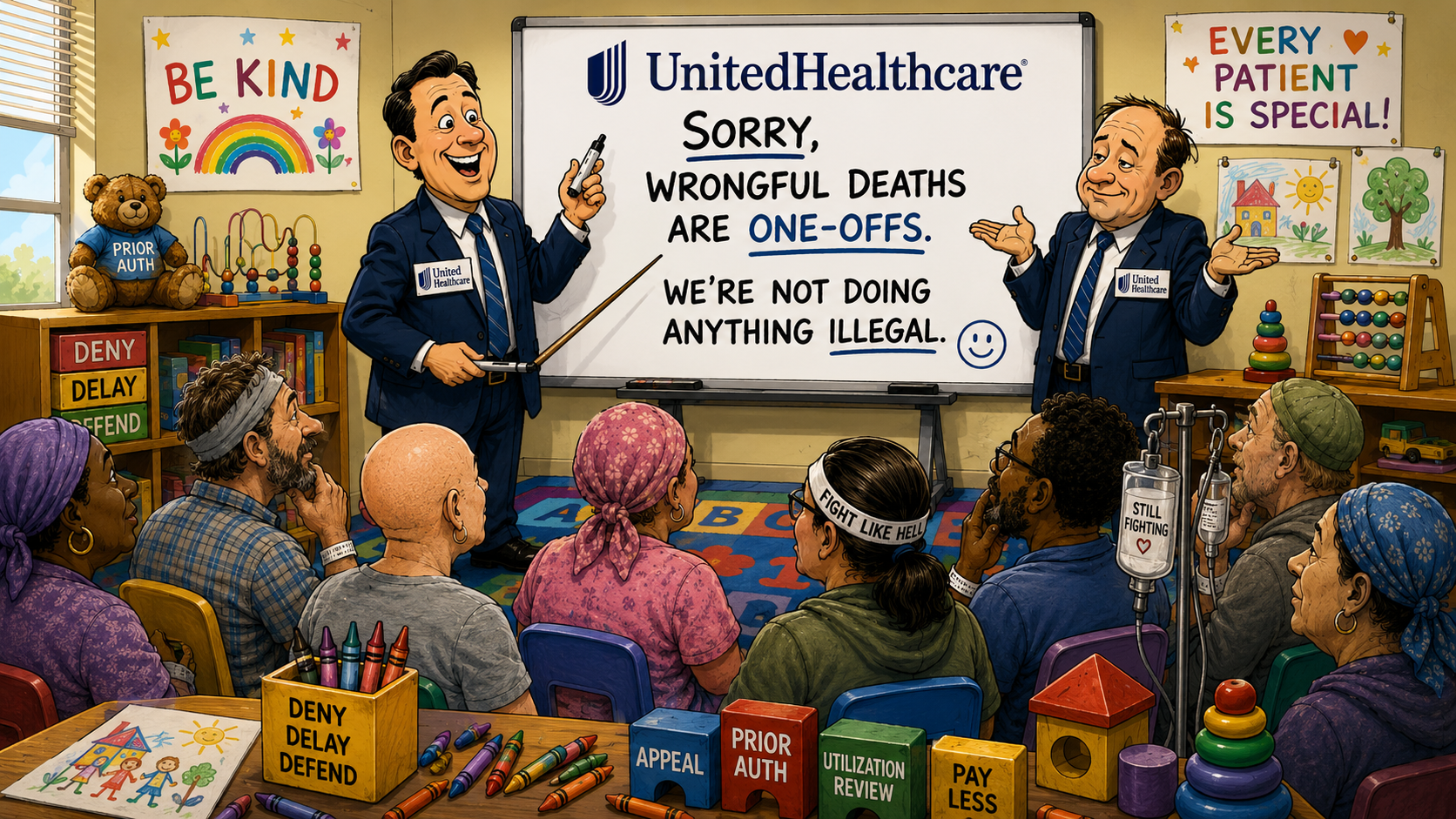
UnitedHealthcare Invited Journalists to Headquarters to Prove They’re the Good Guys. Then the CEO Called Wrongful Death Lawsuits “One-Offs.”
UnitedHealthcare invited journalists to headquarters to burnish its image. Then its CEO dismissed wrongful death lawsuits as “one-offs.” That phrase says everything about a system where denial, delay, and patient harm are treated as isolated incidents instead of the business model.
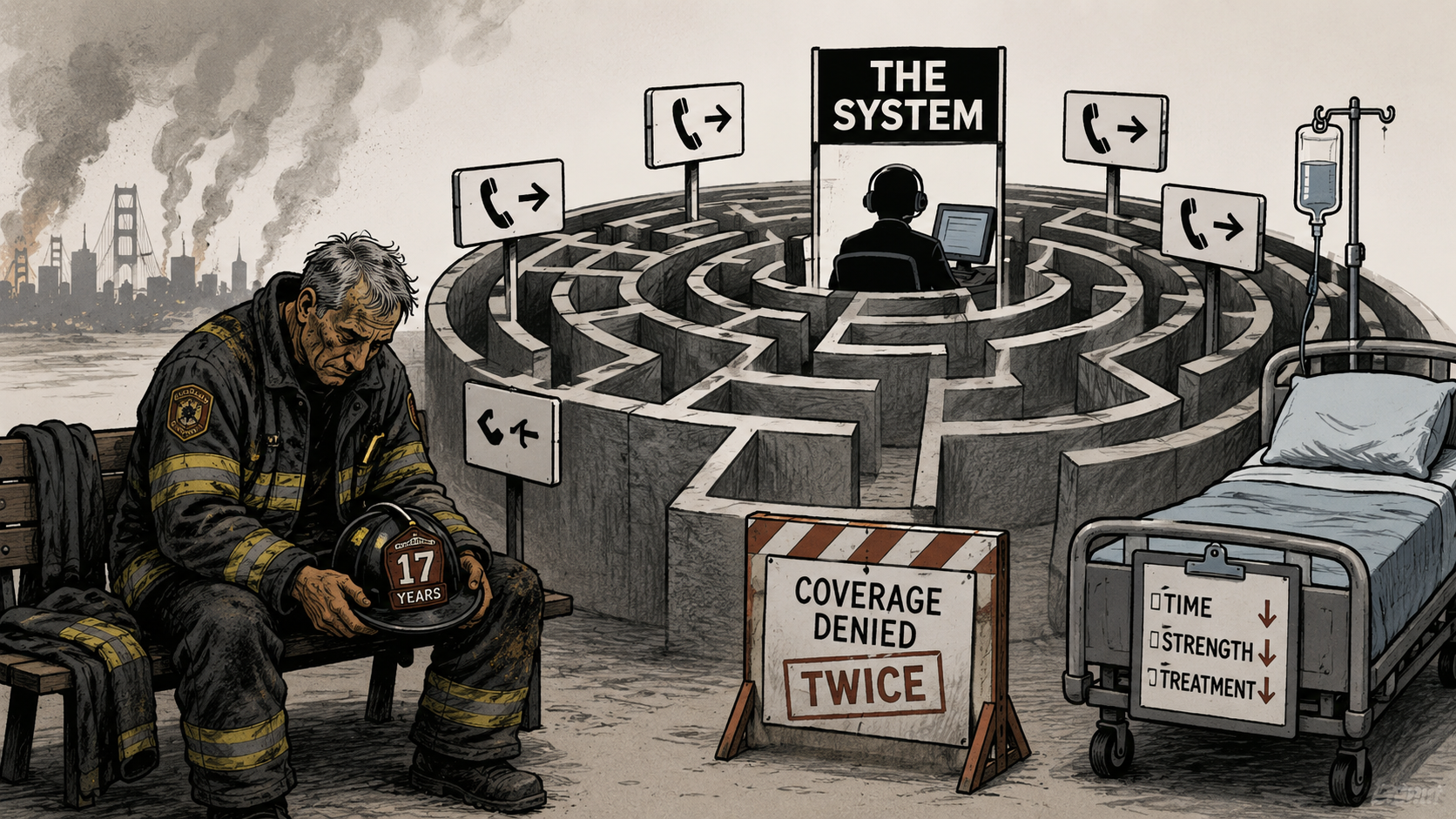
The Deadliest Part of American Healthcare Might Be the Waiting
A retired firefighter’s denied cancer treatment reveals a larger truth about American healthcare. Administrative friction has become an economic strategy that shifts costs onto patients and physicians while delaying care in ways the system rarely measures but patients always feel.
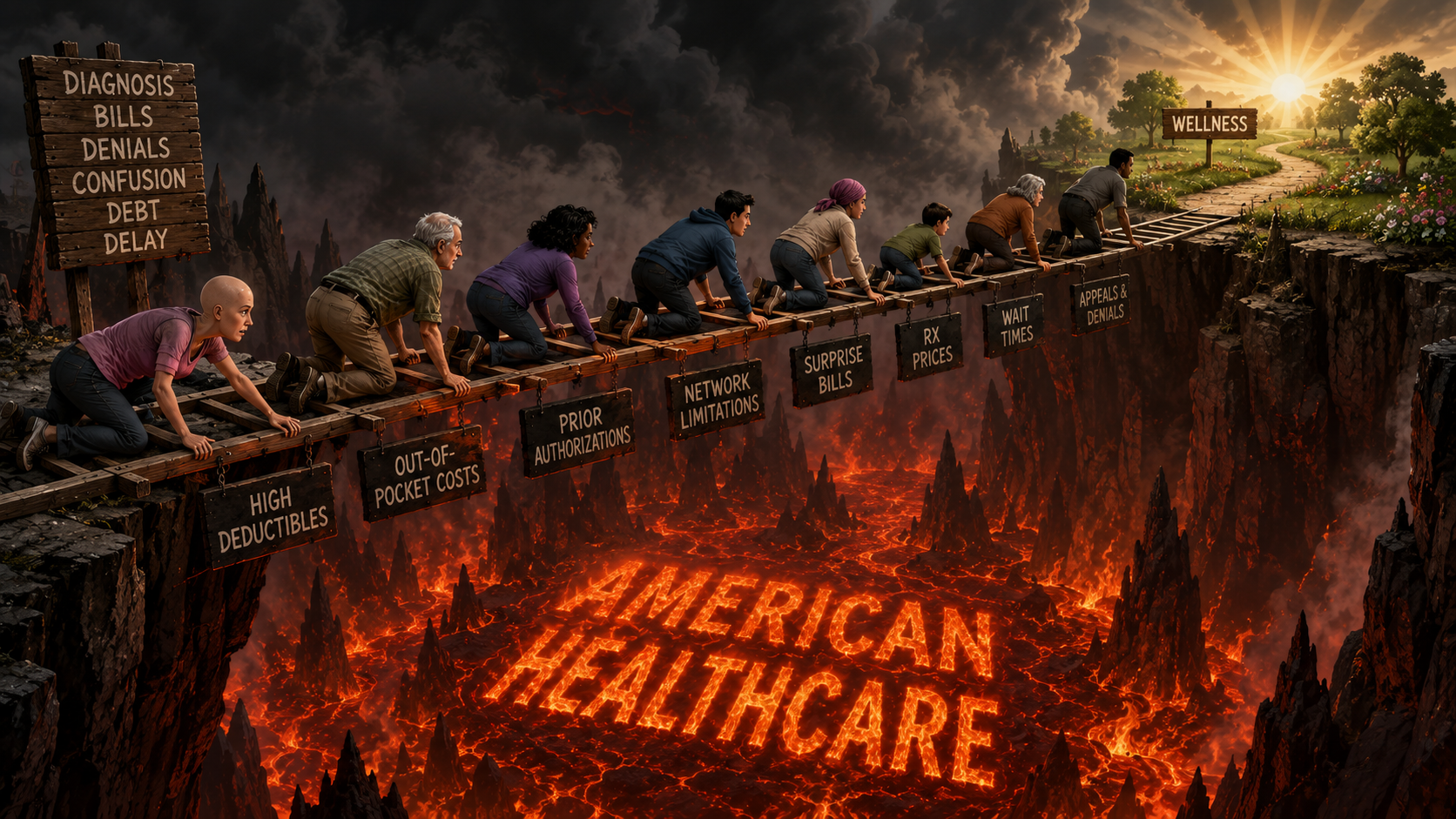
The Fact That Patients Need Survival Guides Is the Scandal
Americans now need books to survive healthcare. That’s not evidence of empowerment. It’s evidence of failure. As affordability collapses and complexity grows, patients are being forced to become advocates, navigators, and administrators just to access care they already pay for.
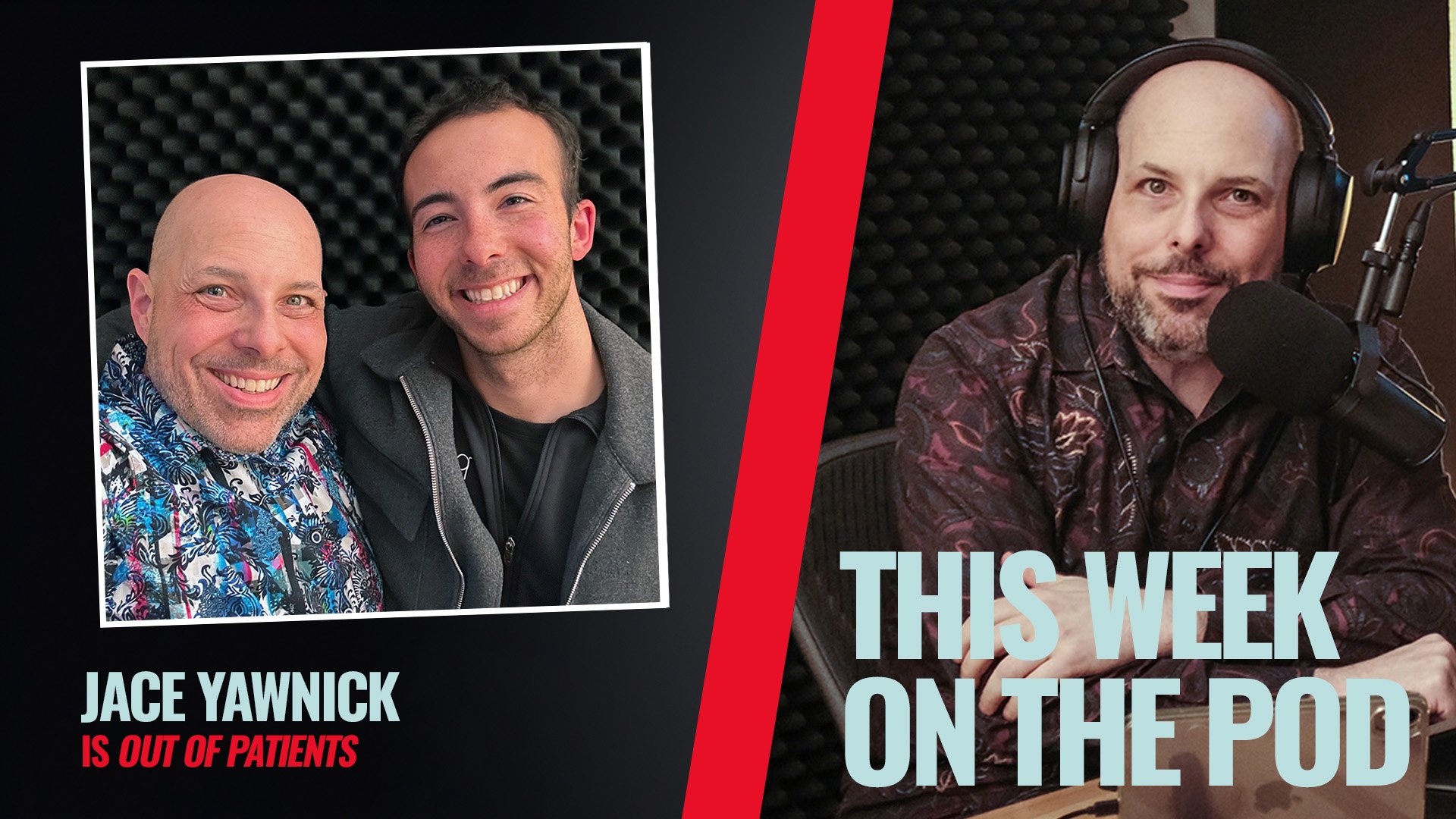
When Denial Becomes the System: Jace Yawnick
US healthcare does not fail when it denies care. It performs as designed. This essay involving the life of Jace Yawnick examines how insurance incentives, prior authorization, and employer based coverage shape access, delay treatment, and shift risk onto patients while increasing total cost.
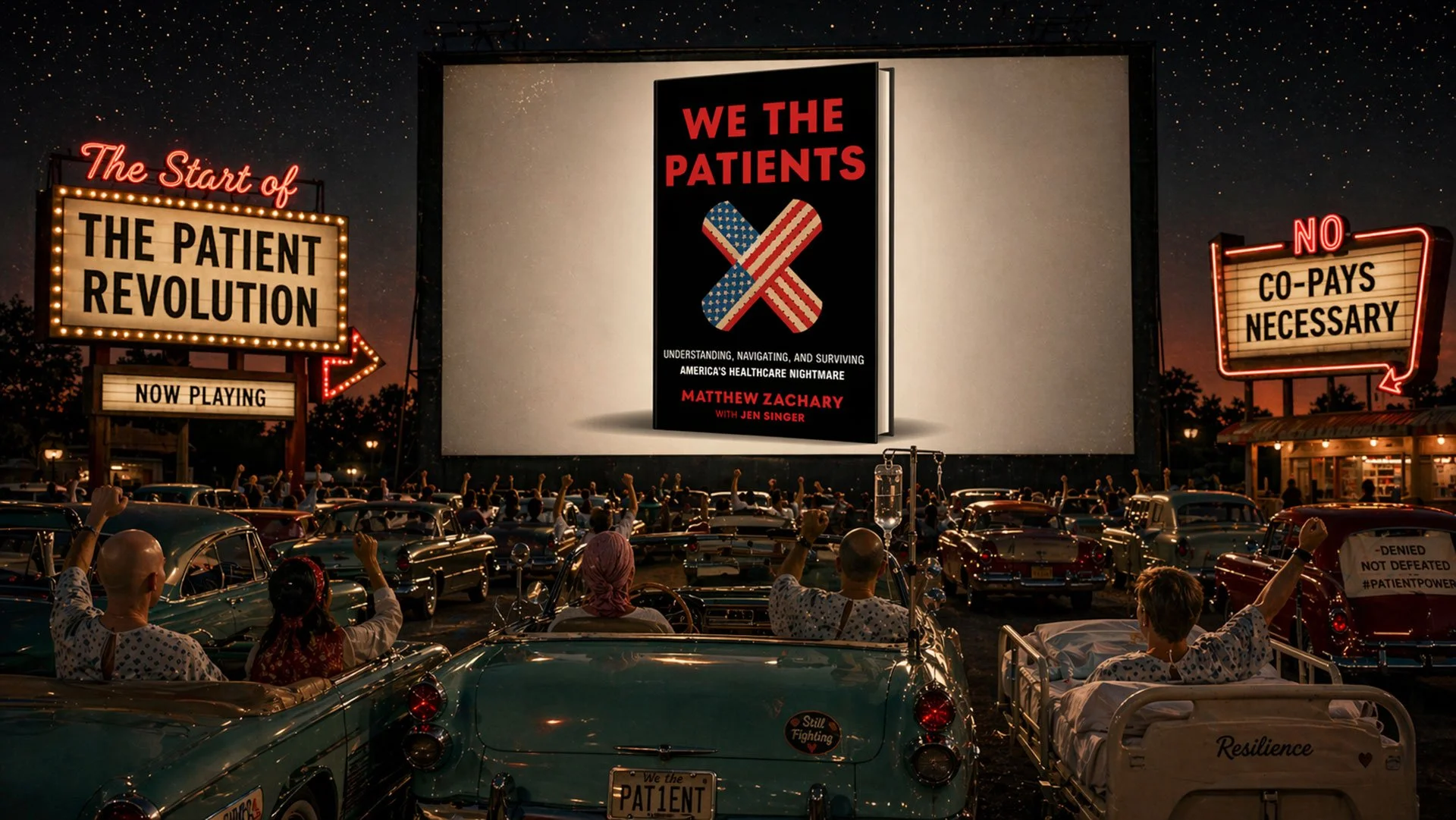
It's A Bird. It's A Plane. It's A Book Trailer! 🙀
After 30 years inside the healthcare system, Matthew Zachary watches his story and thousands of others come to life in a cinematic trailer for We the Patients and explains why this project now reaches far beyond a book.
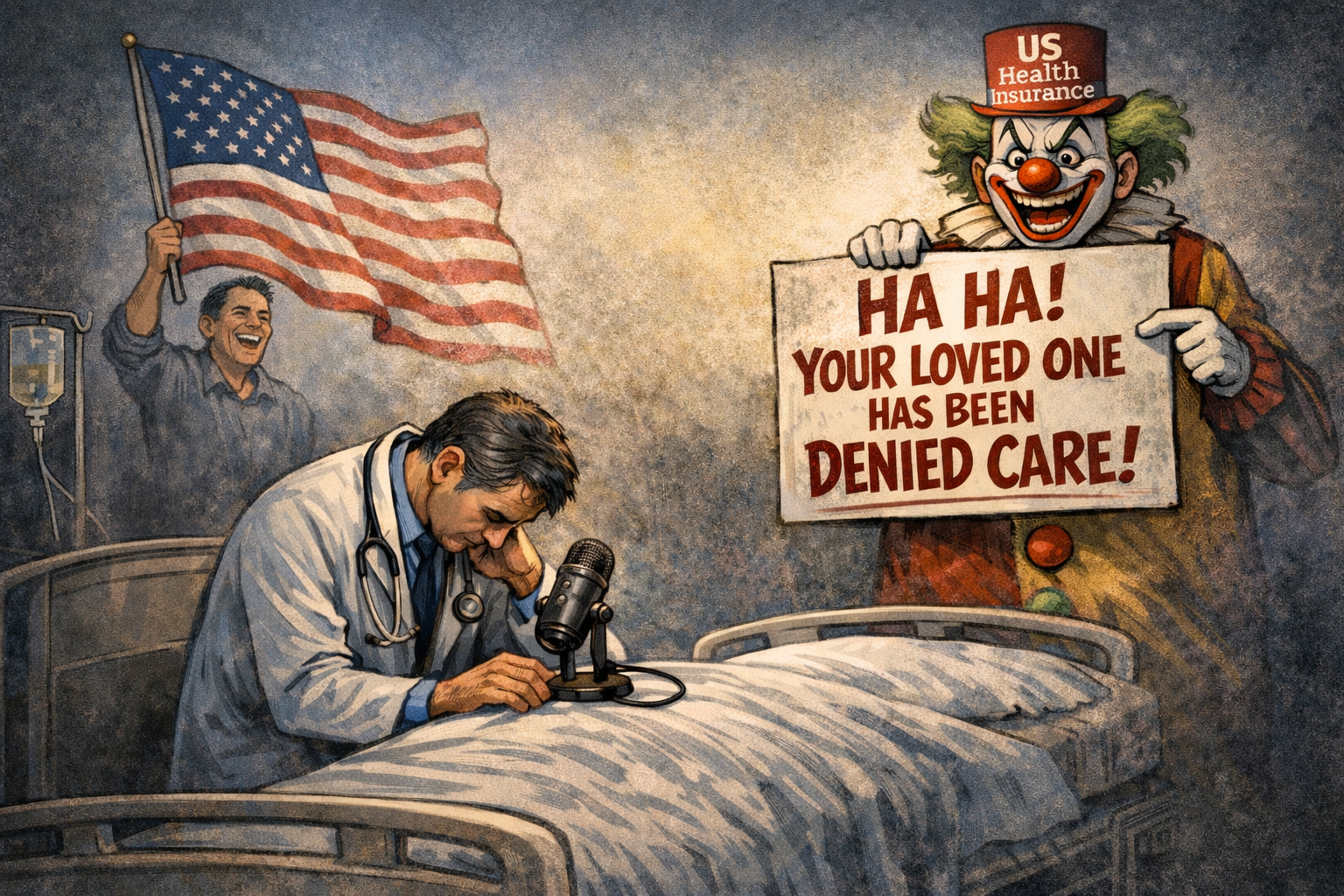
An ICU Doctor Checked His Insurance Portal Every Day While His Daughter Was Dying Of Cancer. He Was Terrified They Would Kick Her Off.
Dr. Hesham Hassaballa is board certified four times over with 20 years in the ICU. When his daughter was getting chemo, he checked his insurance portal daily, terrified they would drop her. A physician. In the system. Earning a good living. Still terrified of financial ruin because his child got sick.
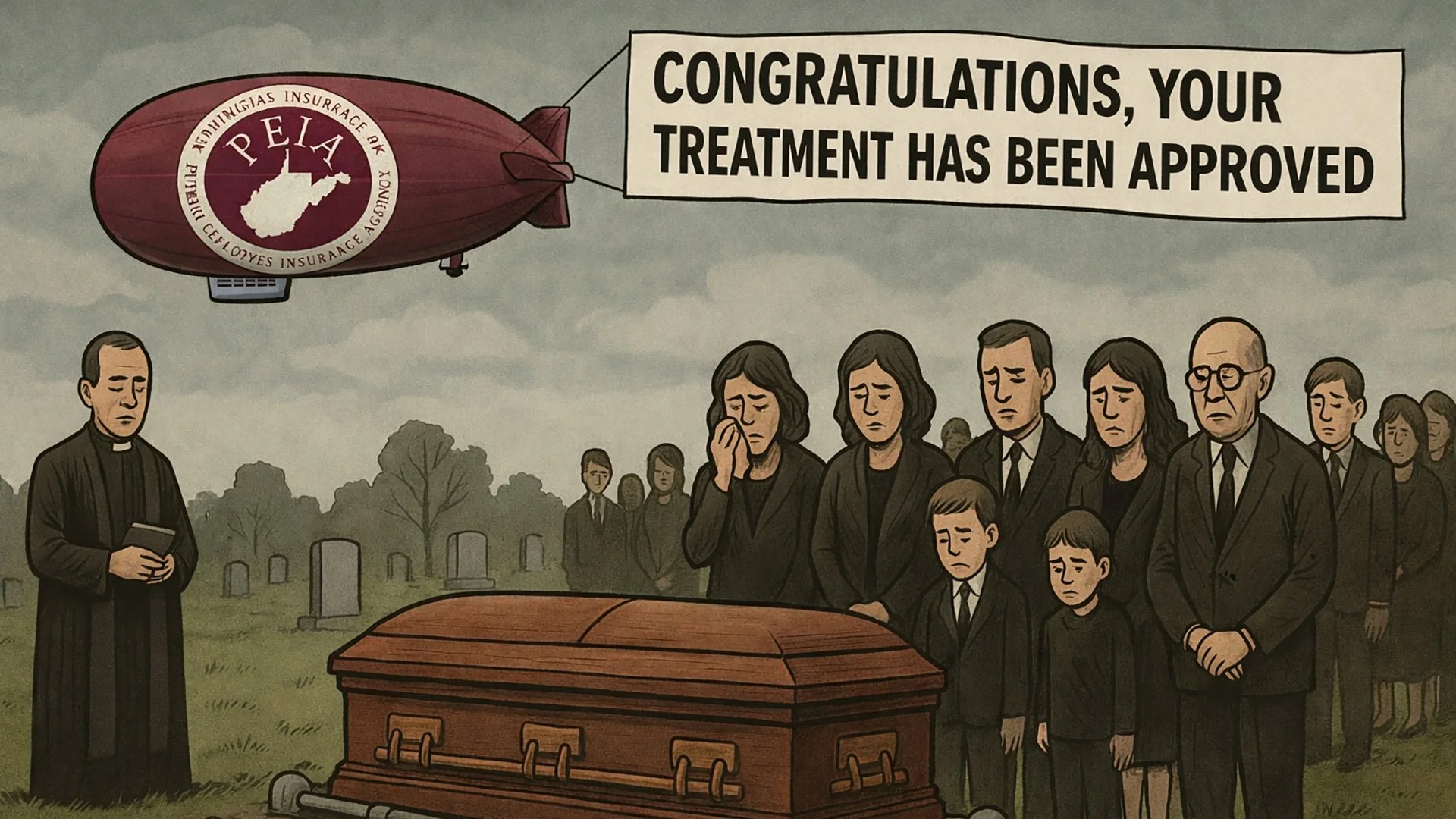
Prior Authorization Works Exactly as Designed and That Is the Problem
Prior authorization persists because it works for the system that created it. This essay explains how cost control, risk management, and delay shape patient outcomes, why reform keeps falling short, and what must change to align financial incentives with timely care.
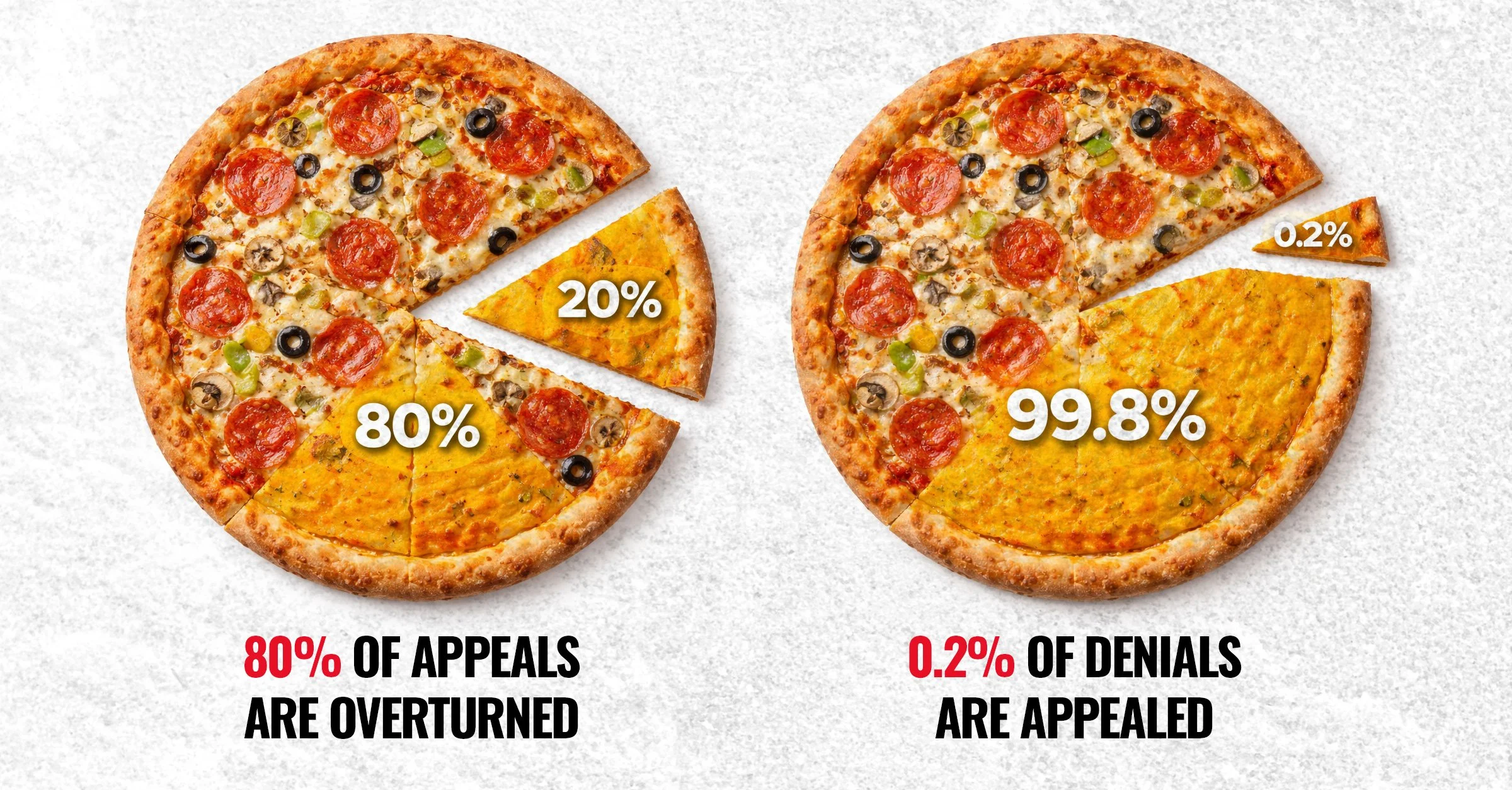
What Happens If More Patients Appeal Insurance Denials?
Only 0.2% of patients appeal insurance denials, yet 80% succeed. This article examines how even small increases in appeals could shift insurer behavior, raise costs, influence Wall Street expectations, and reshape the economics of American healthcare.

Why American Healthcare Delays Care and Denies Treatment
American healthcare delays care and denies treatment by design. Insurance rules, prior authorization, and administrative barriers control access to care, often slowing or blocking what doctors recommend and patients need.
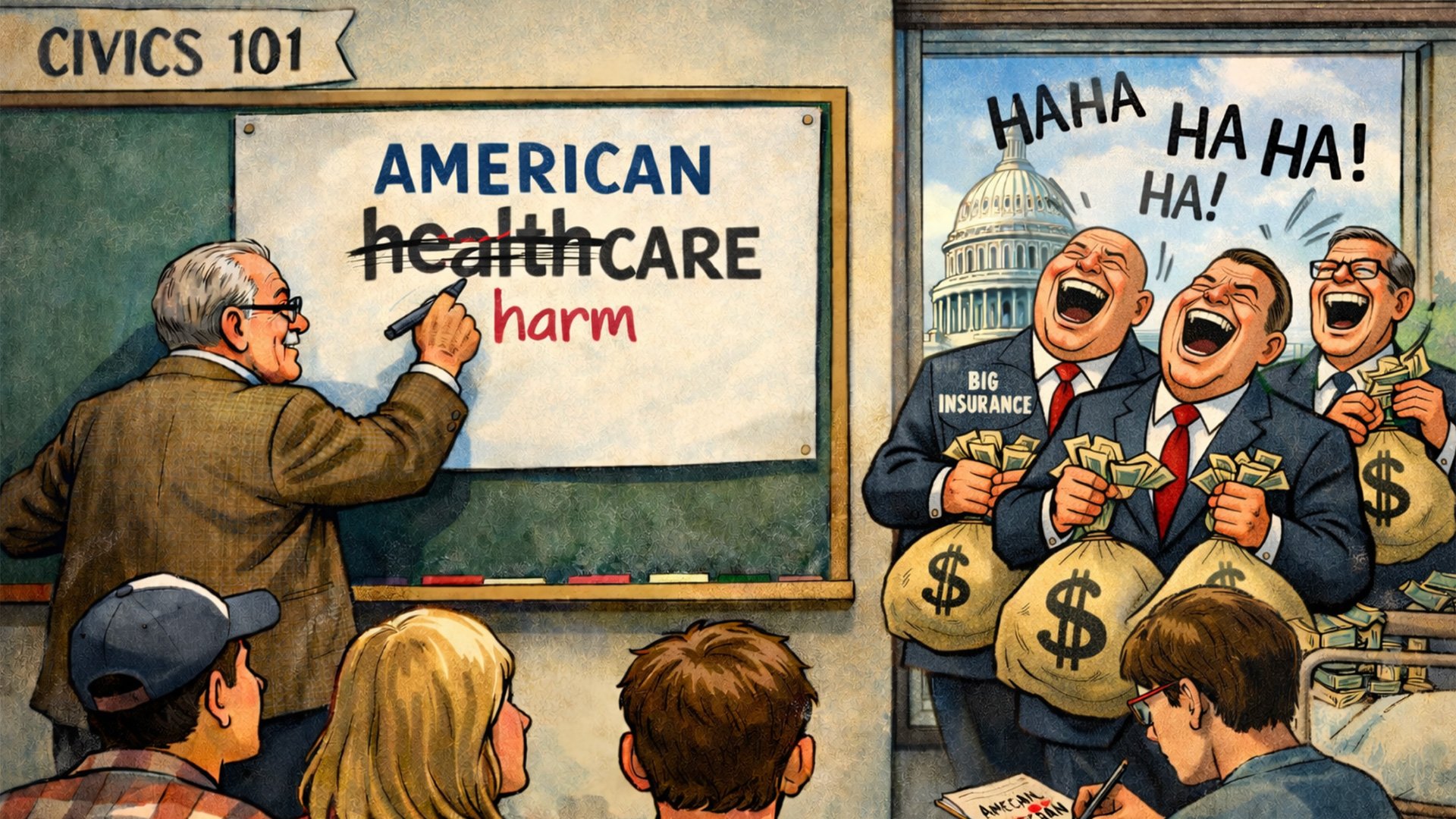
American Harmcare: The System Working Exactly As Designed
A 30 year brain cancer survivor breaks down how insurance delays, denials, and red tape harm patients by design. This is not dysfunction. This is the business model.
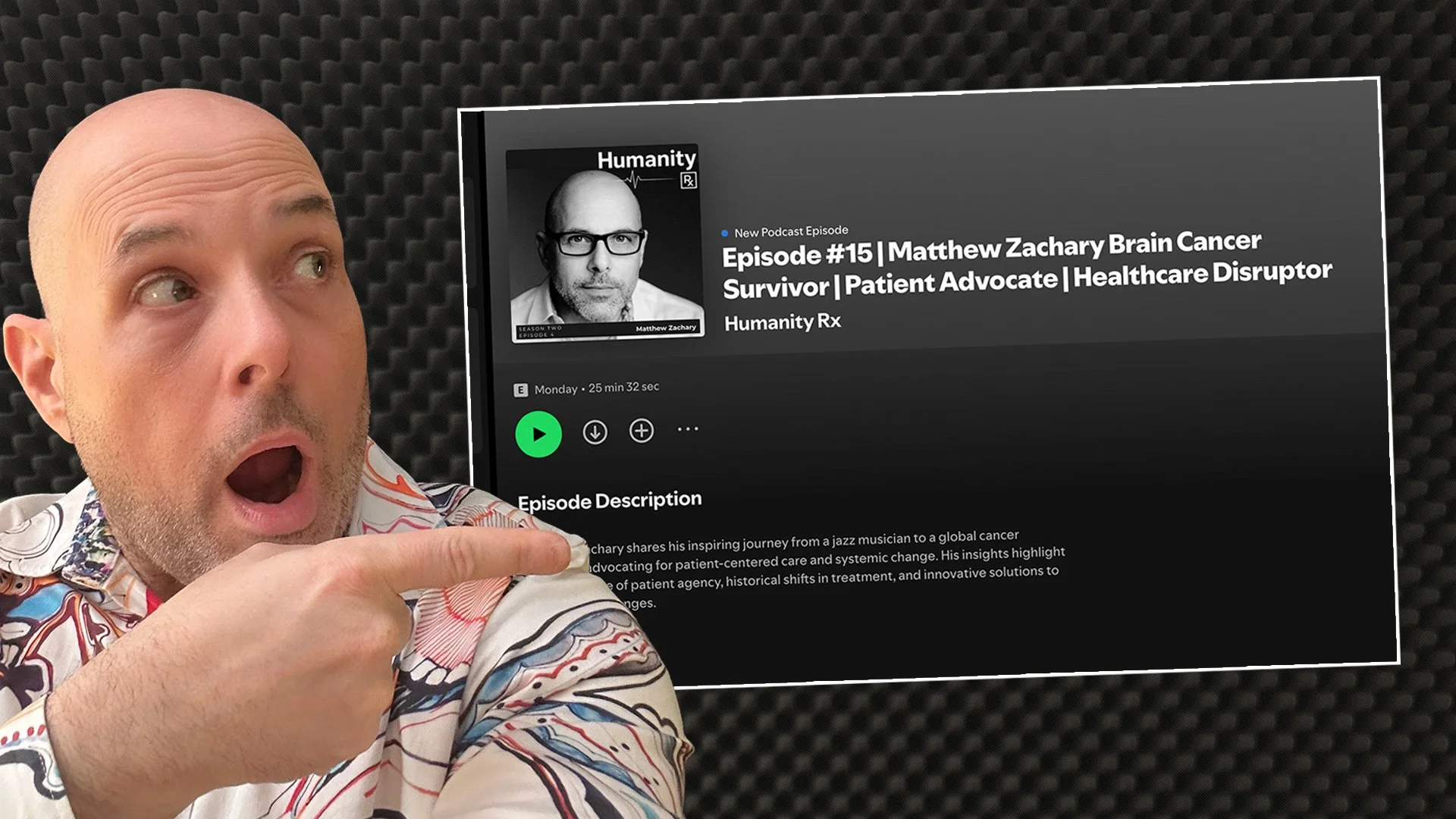
I went on Humanity Rx to say the quiet part clearly and attach names, timelines, and consequences to it.
Matthew Zachary joins Humanity Rx to break down how modern cancer care improves survival while leaving patients exposed to medical debt, prior authorization delays, and financial risk, and why policy change depends on organized patient power.
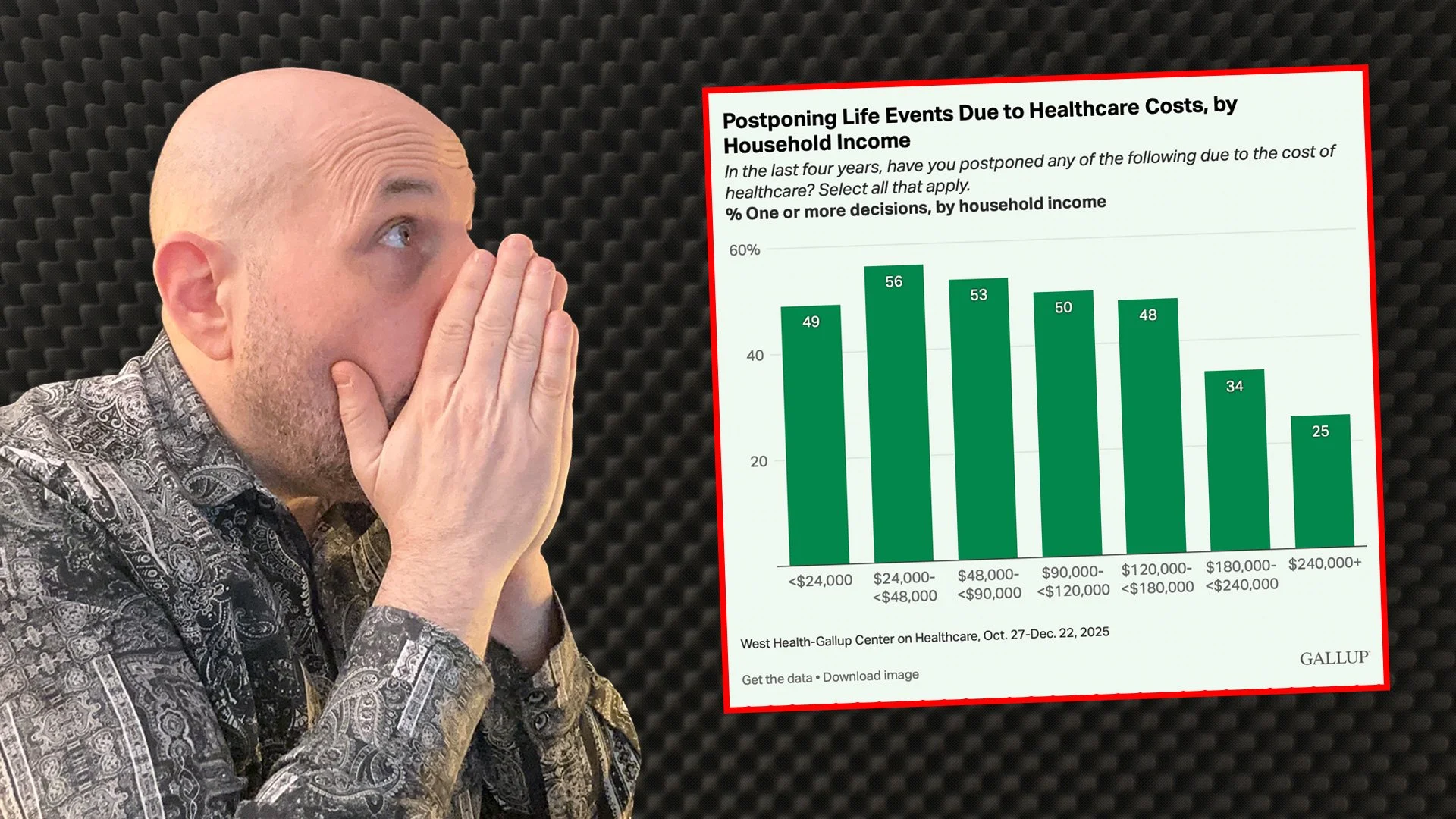
Healthcare Is a Private Tax Triggered by Diagnosis
Gallup reports 82 million Americans cut back on daily life to afford healthcare. Coverage shifts financial risk to families through deductibles and prior authorization. Diagnosis now operates like a private tax on survival and forces tradeoffs across work, housing, and retirement.
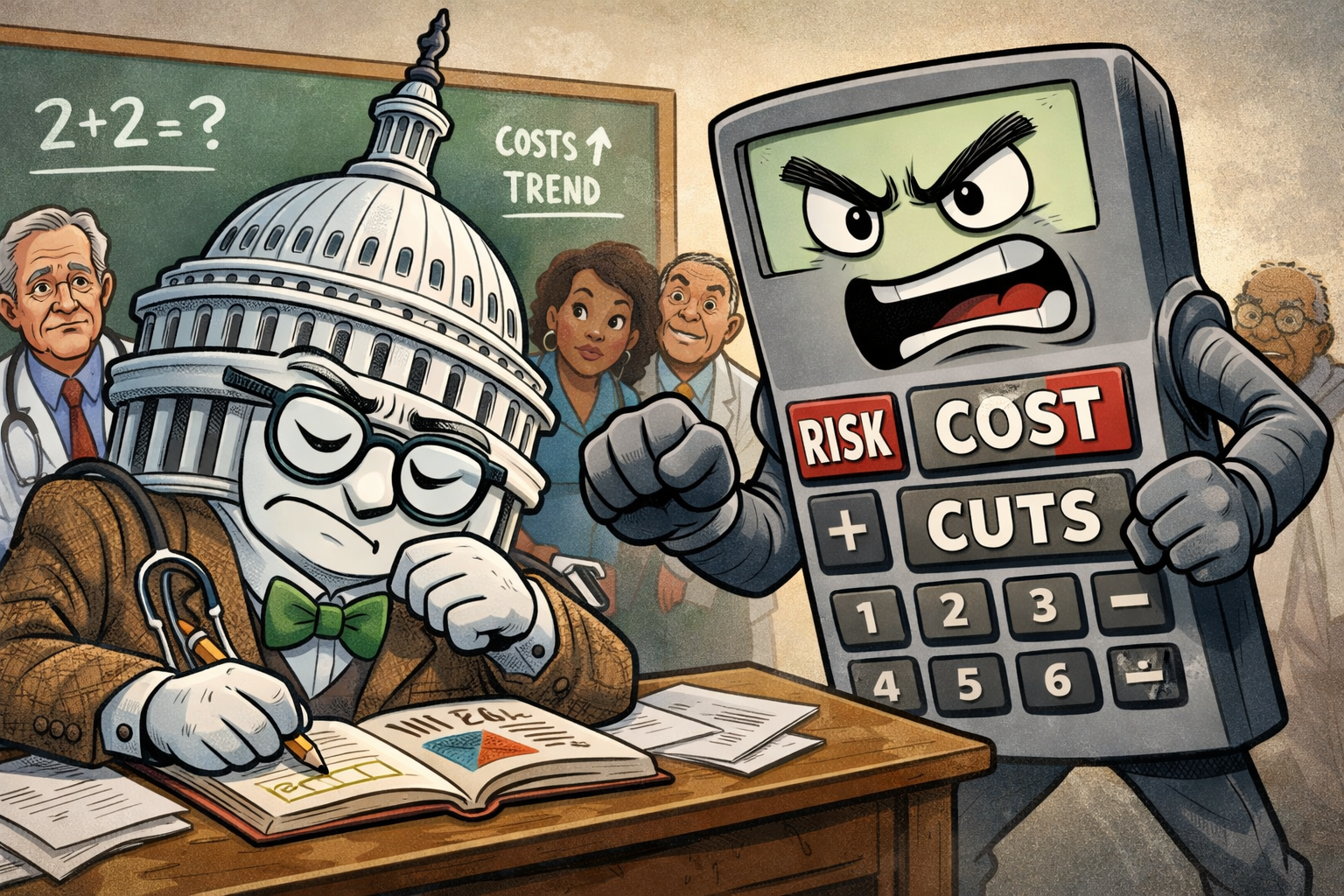
Medicare Advantage Works Until the Math Changes
UnitedHealth dropping Medicare Advantage plans for 600000 beneficiaries exposes a structural flaw in how private insurers manage public healthcare risk as costs from emergency care and specialty drugs accelerate faster than payment models can adjust.
Spoiler Alert: The Middlemen Cost More Than the Medicine
Health systems consolidate. Insurers post record profits. Employers spend $20,000 per employee on coverage while workers fight denials alone at 11 pm. Insurance middlemen now cost more than the drugs. The system rewards delay and calls it complexity. Families call it Tuesday.

Out of Patients?
Join the recurring Out of Patients dispatch from Matthew Zachary covering the latest American healthcare shenanigans. Essays, podcast episodes, media appearances, book updates, and live events delivered with a sardonic Gen X perspective from a patient who simply refuses to shut up.
Get the dispatch