
Out of Patients
with Matthew Zachary
Welcome to 2026: The Year of the Patient where the sick shall inherit the ballot.
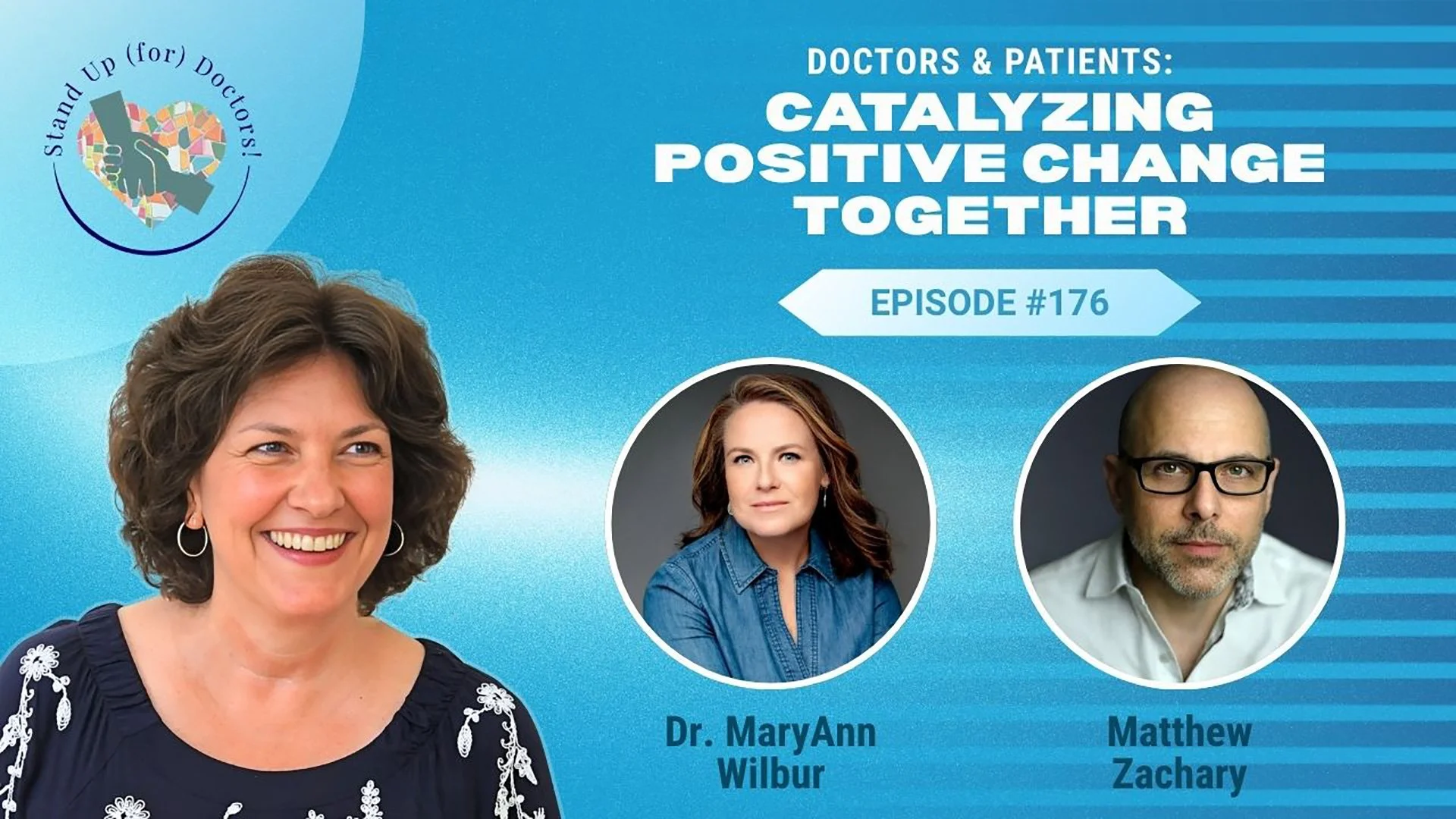
Doctors and Patients Have Identified the Problem: American Healthcare
Doctors and patients were never opposing teams. They’re the 2 people healthcare was built around. So how did we create a system where both can sit in the same exam room feeling powerless while everyone else apparently has a login?
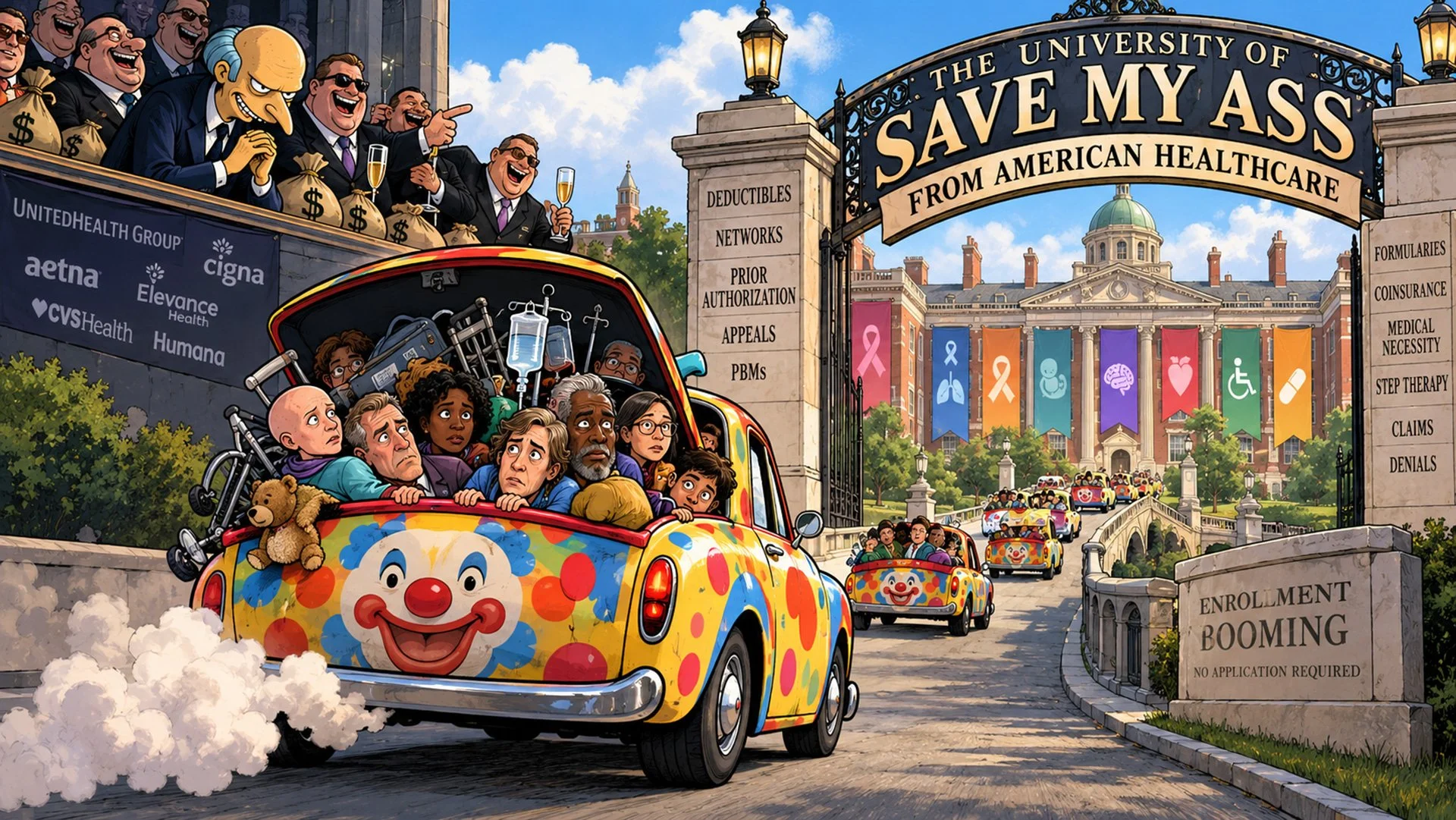
The University of Save My Ass From American Healthcare
American healthcare has spent decades teaching patients to become better mechanics instead of fixing the machine. We learn deductibles, networks, prior authorization, appeals and PBMs because something went wrong. When did surviving the healthcare system become the patient’s responsibility?
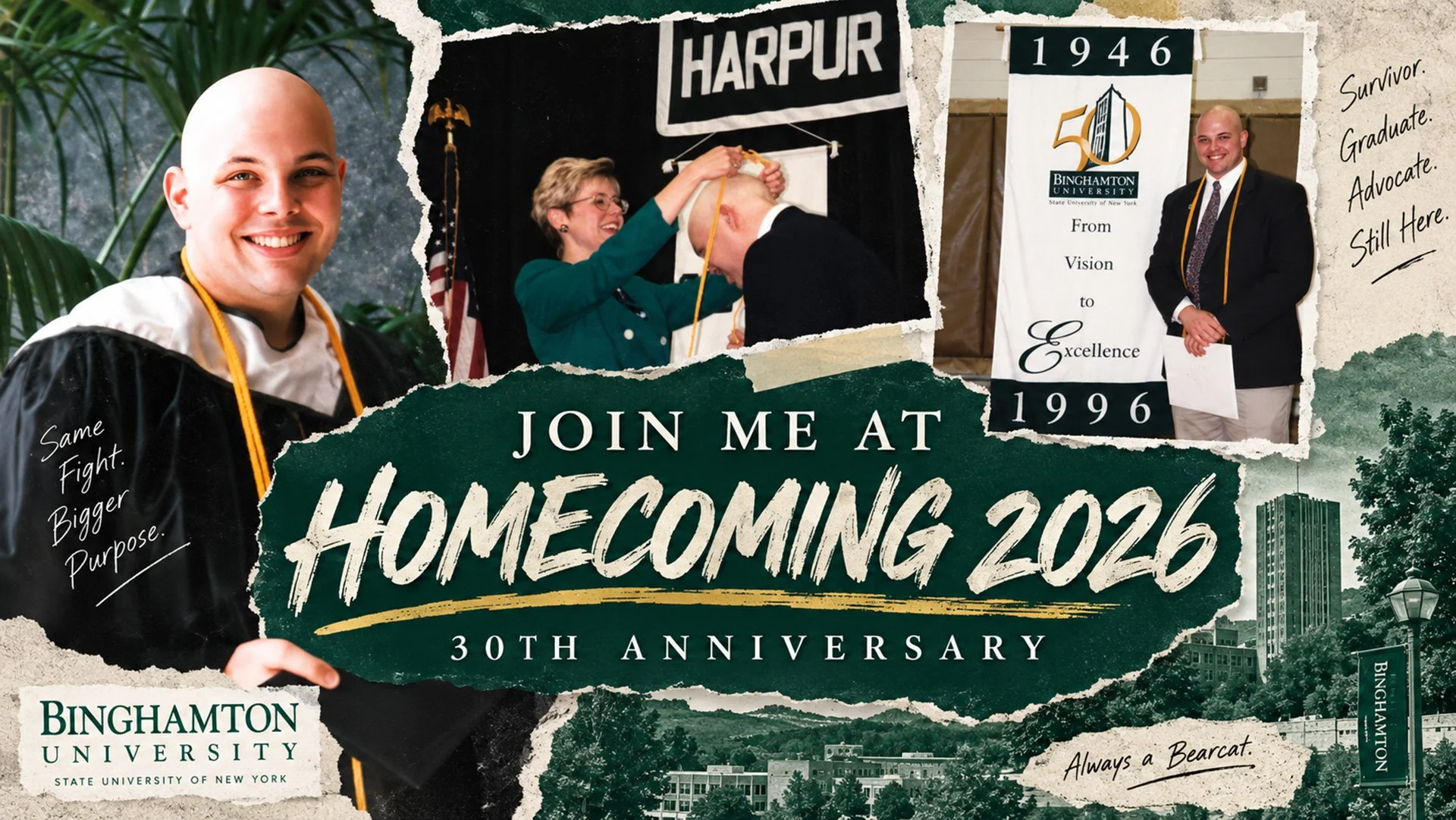
Thirty Years Later, I’m Going Home
In 1996, I graduated from Binghamton University at 21 while going through brain cancer treatment, with no idea what came next. 30 years later, I’m going home. A reflection on cancer, music, survival, and the extraordinary amount of ordinary life that happened in between.
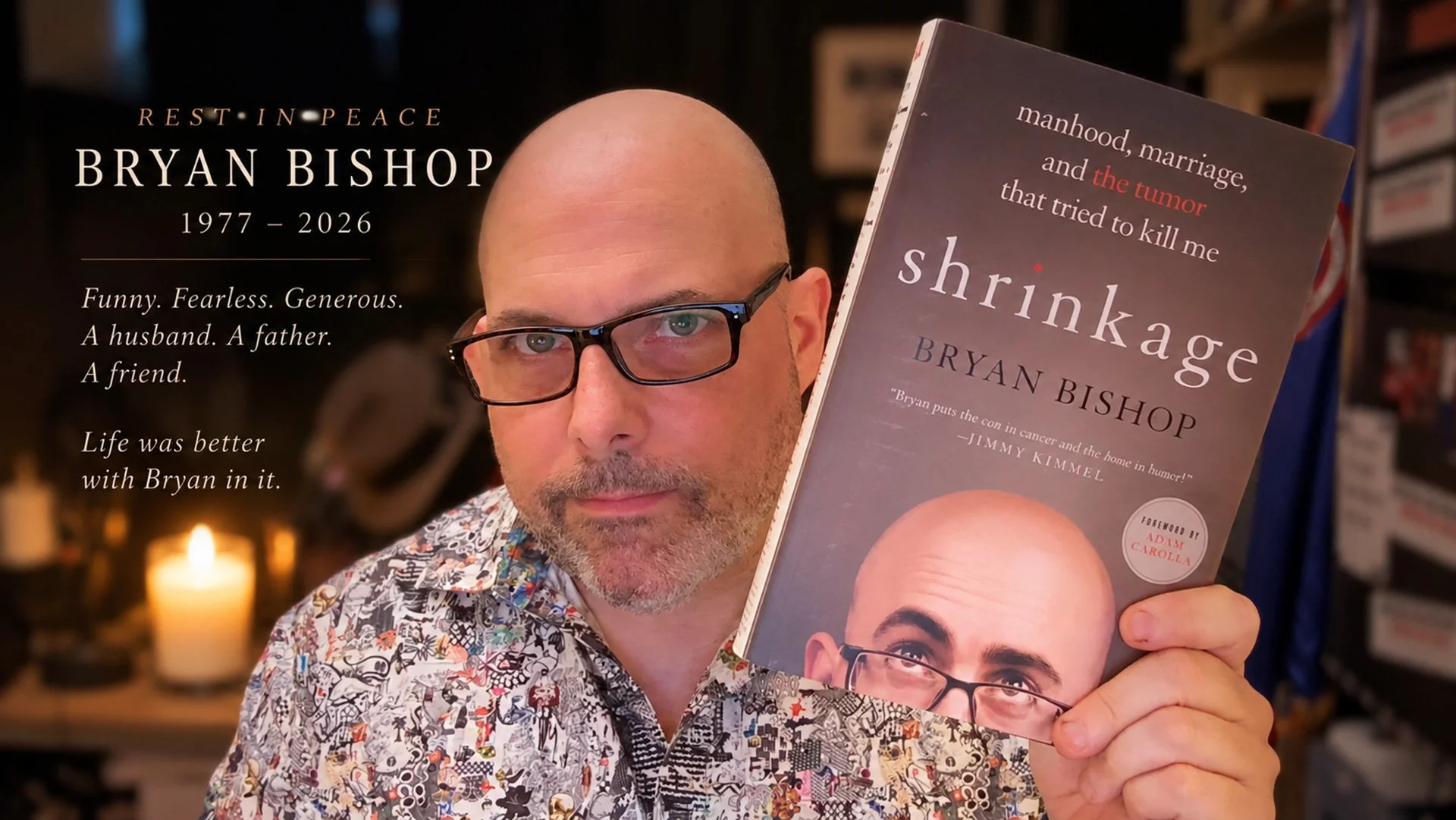
An Ode to My Bald Brother: Remembering Bryan Bishop
Bryan Bishop and I bonded over brain cancer, bald heads, microphones, dark humor, and being two Jews who refused to let cancer become our personalities. Fourteen years after one unforgettable conversation, I went back to hear his voice again. This is for my bald brother.
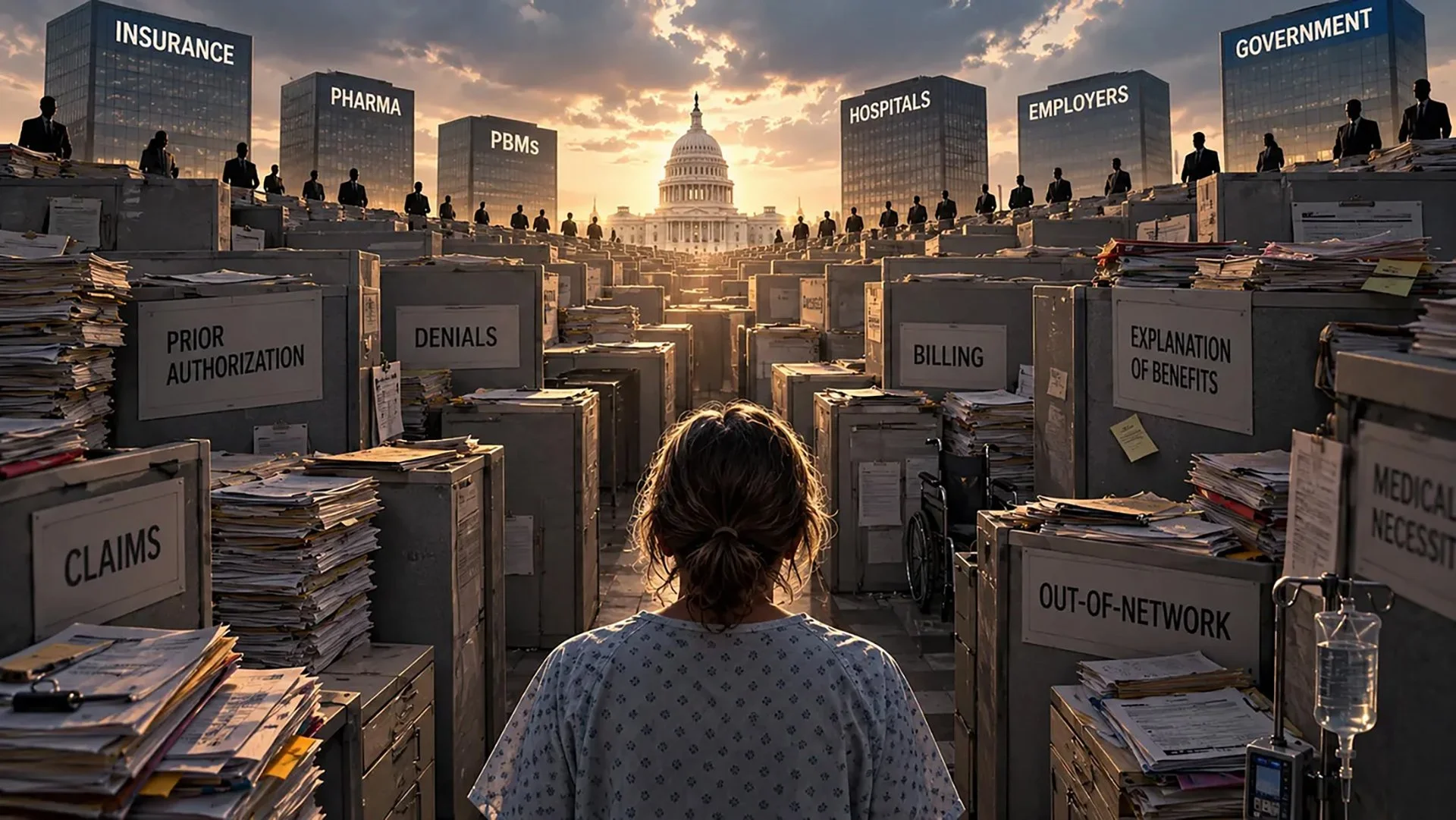
American Healthcare Isn’t Broken. It Was Built This Way.
American healthcare has insurers, hospitals, pharma, PBMs, employers, lobbyists and trade groups organized to protect their interests. The patient has a portal password. After 30 years inside the system, I think patients need something we’ve never had: a constituency.
![[ARCHIVES] Jargon and the Bastardization of “Patient” (2019)](https://images.squarespace-cdn.com/content/v1/695180f1fb7a0c3ff10aae14/1789056215399-M5UQVSOTDB65CIDX94I1/ARCHIVES.png)
[ARCHIVES] Jargon and the Bastardization of “Patient” (2019)
In 2019, I wondered whether American healthcare had turned “patient” into meaningless industry jargon. An unpublished essay from the archives about patient engagement, consumer power, and a healthcare system very good at talking about the people it serves.
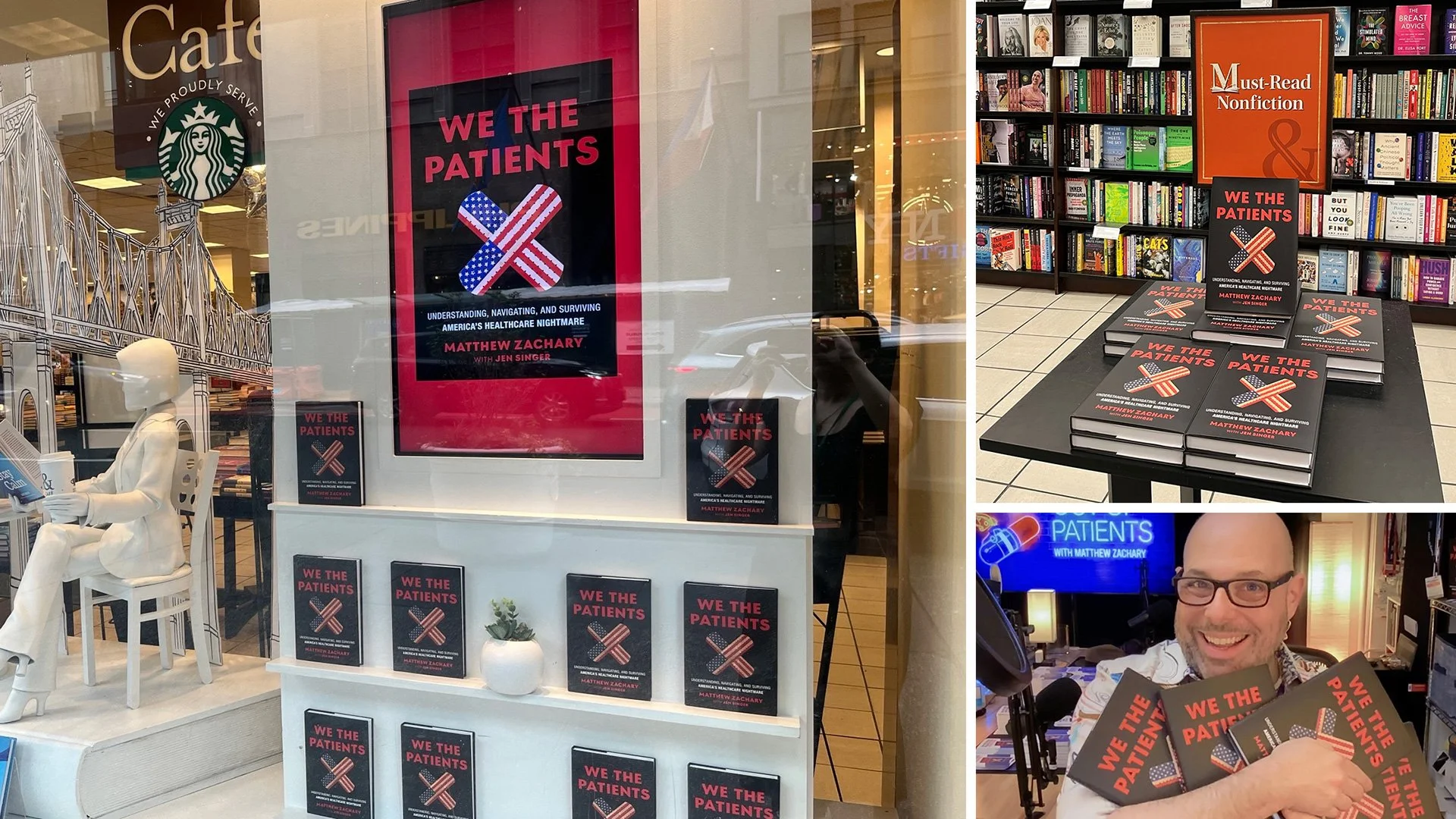
We The Patients In The Front Window Of The Flagship Barnes & Noble On Fifth Avenue In Manhattan.
We the Patients is in the front window of Barnes & Noble on Fifth Avenue. For Matthew Zachary, the surreal milestone is about more than seeing his book on display. It’s about seeing patients, and the idea of patients as a constituency, finally occupying some very public real estate.
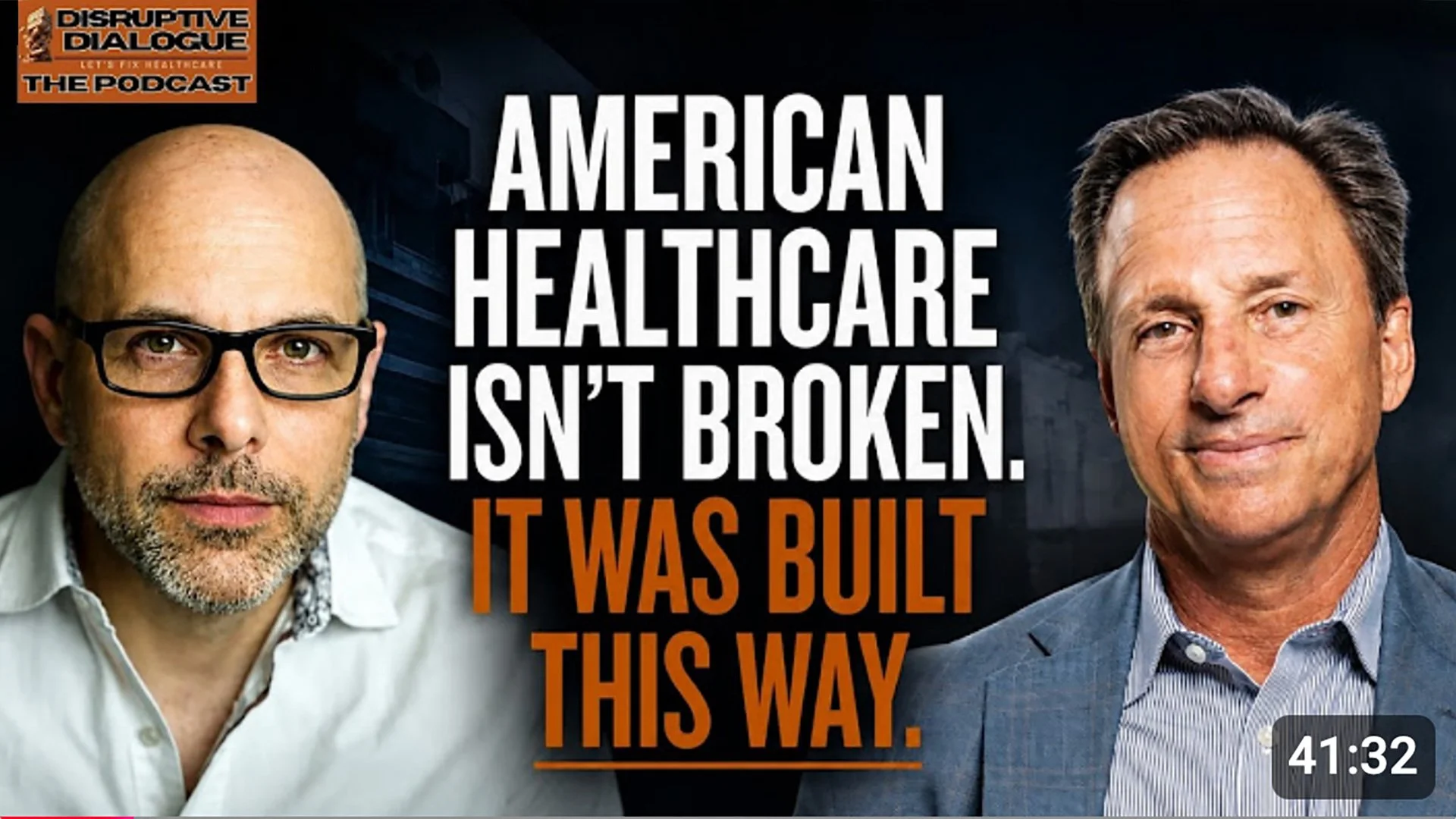
Apparently I’m A Healthcare Policy Guy Now: My Appearance on Disruptive Dialogue with Chuck Melendi
After 30 years in patient advocacy, I seem to have wandered into healthcare policy. A conversation with Chuck Melendi about insurance, incentives, political power, and what happens when patients stop merely navigating the system and start organizing to change it.
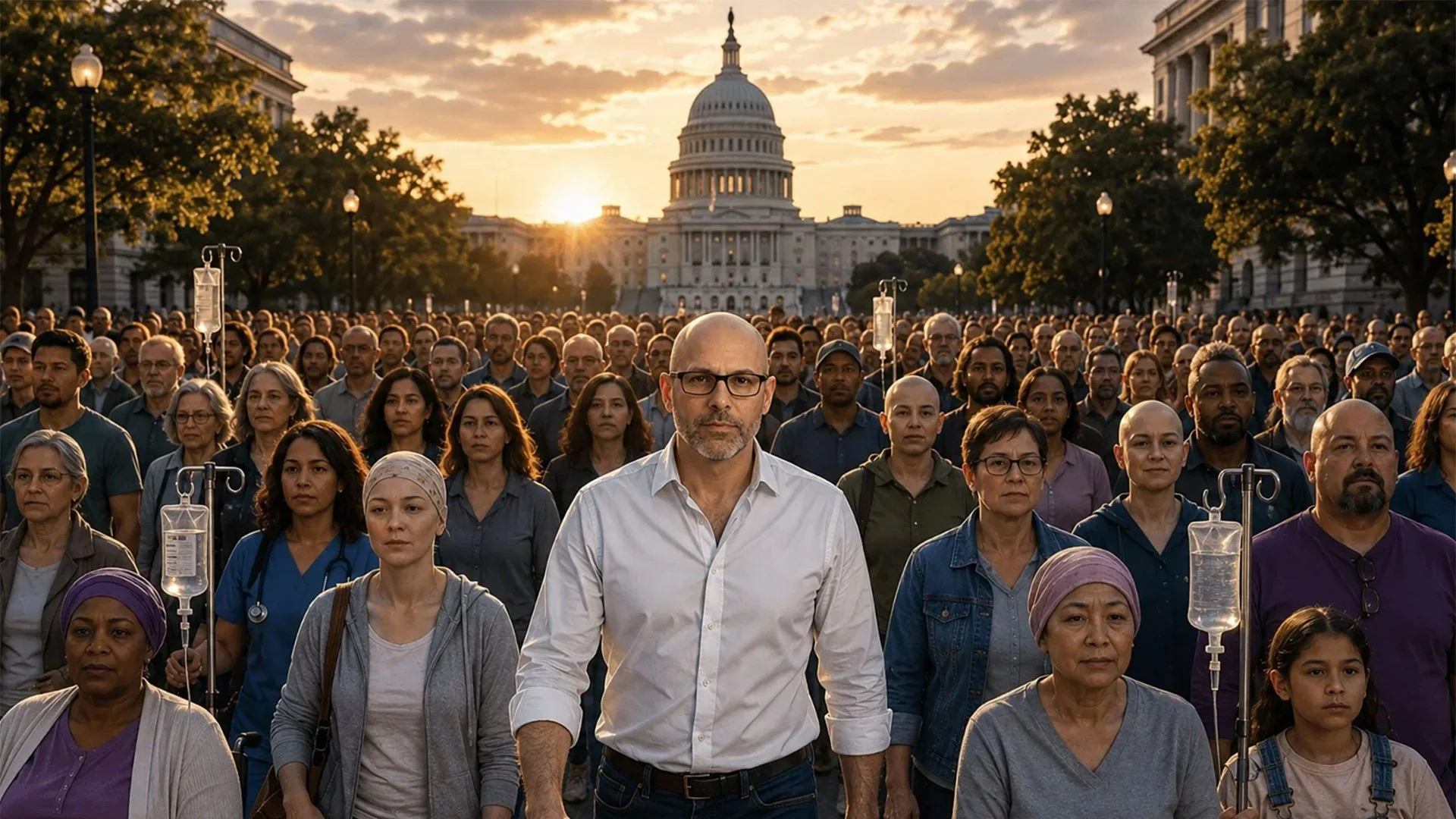
The Missing Constituency: What Comes Next for Patient Advocacy
Patients have always had the numbers. What they have never had is a shared political identity. After 30 years in patient advocacy, Matthew Zachary argues that the next chapter may be transforming shared healthcare experiences into civic and political power.
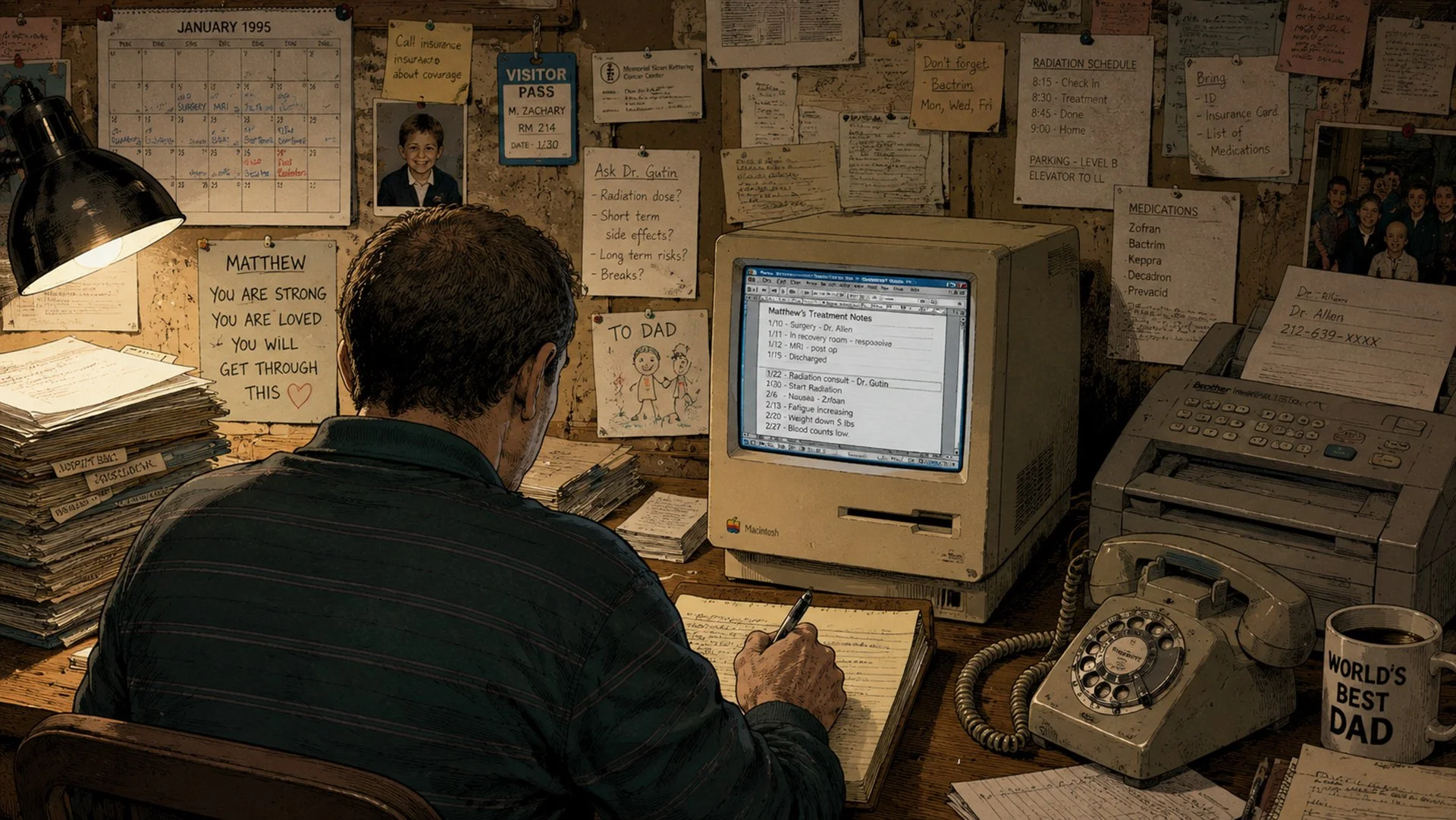
My Father Wrote Everything Down: Behind We the Patients | Story 5 of 5
During my cancer treatment, my father documented everything: doctors, appointments, weather, parking and even where I threw up. Thirty years later, I understood those notes differently. They were a record of what a terrified parent does when love cannot fix the problem.
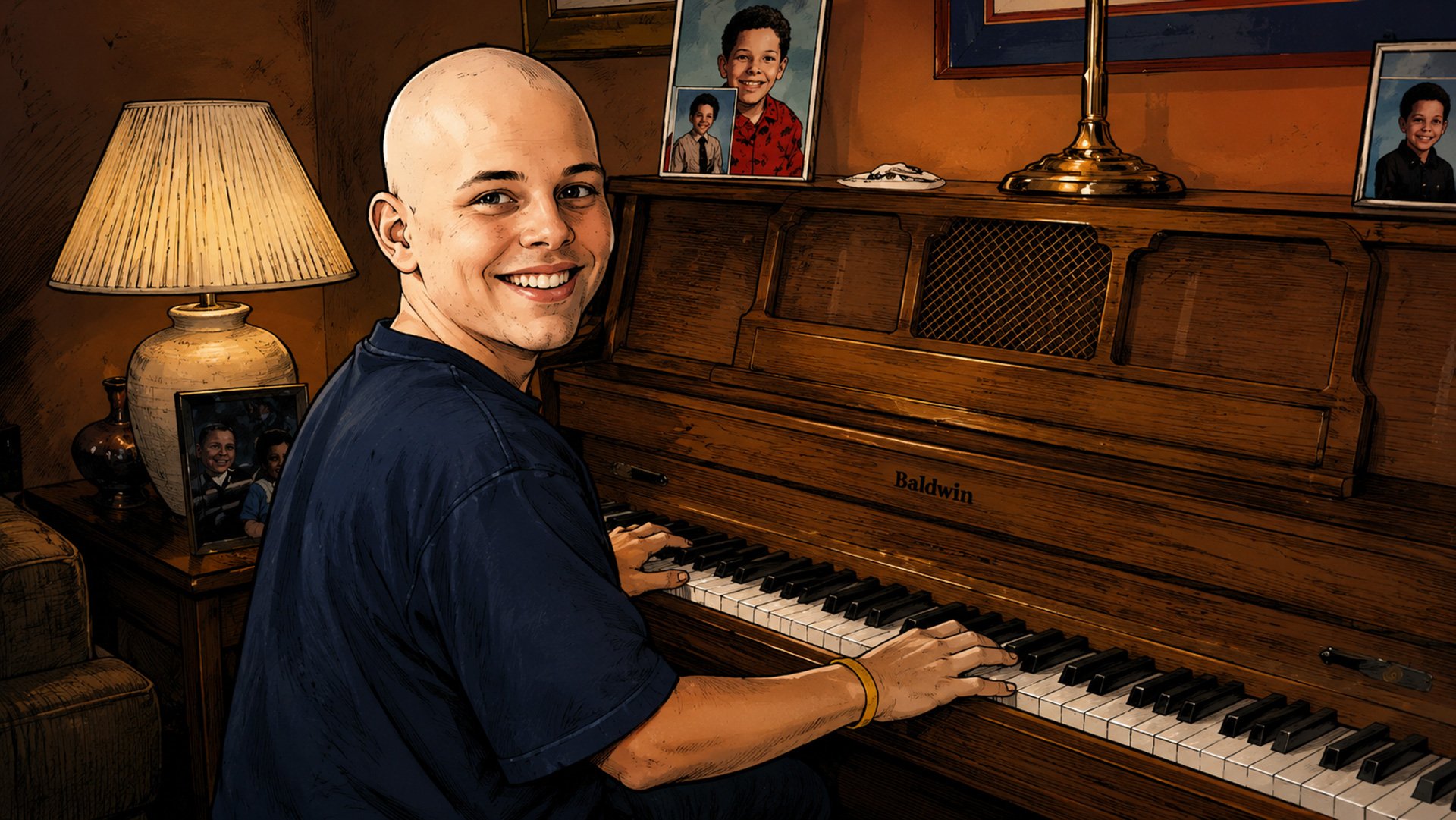
I Could Play: Behind We the Patients | Story 4 of 5
When I came home from brain surgery at 21, I went to the piano. I needed to know whether my left hand still worked. Medicine could measure whether the surgery succeeded. I had a different question: did the life being saved still feel like mine?
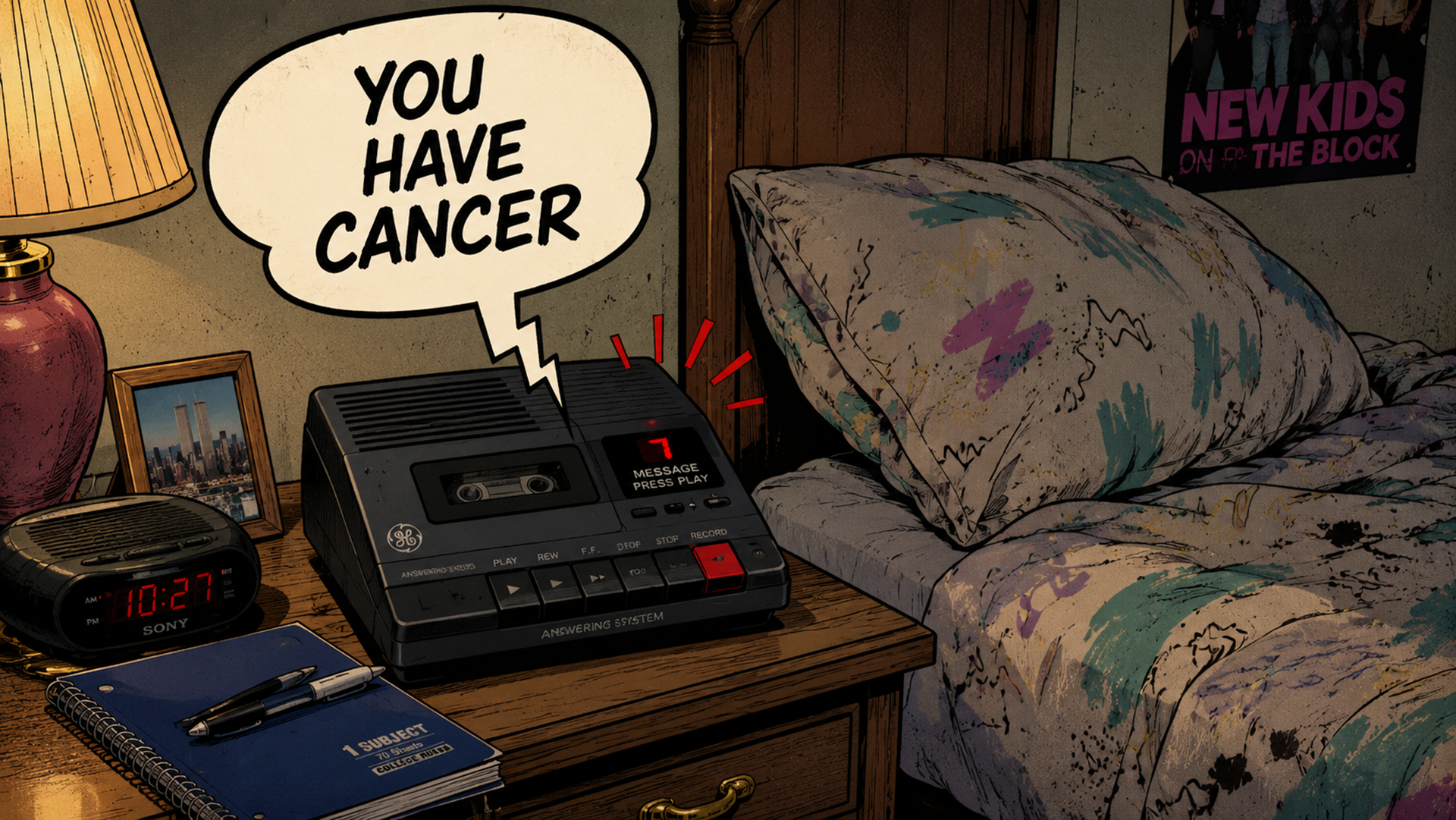
The Answering Machine Was Blinking: Behind We the Patients | Story 3 of 5
In December 1995, I came home from an MRI and saw the answering machine blinking. The doctor had “found something.” That tiny cassette tape became the dividing line between the life I knew and the bewildering new world of being a patient.
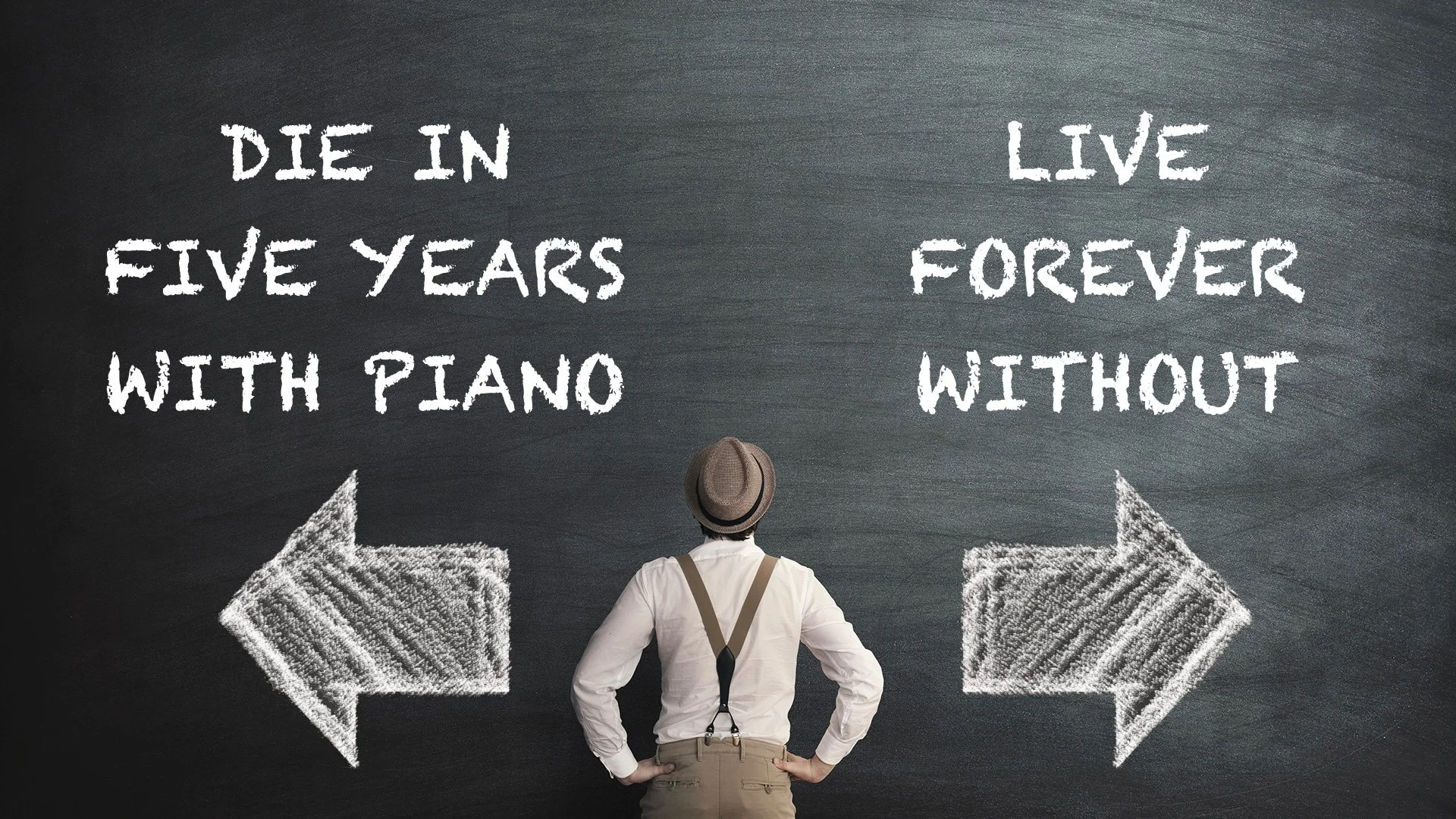
My Uncle Told Me I Might Be Better Off Dying Younger: Behind We the Patients | Story 2 of 5
At 21, chemotherapy might have improved my five-year survival odds by five points while risking my hearing, fingers and cognition. My Uncle Jay asked the question medicine hadn't: what exactly were we saving if treatment took away the things that made my life mine?
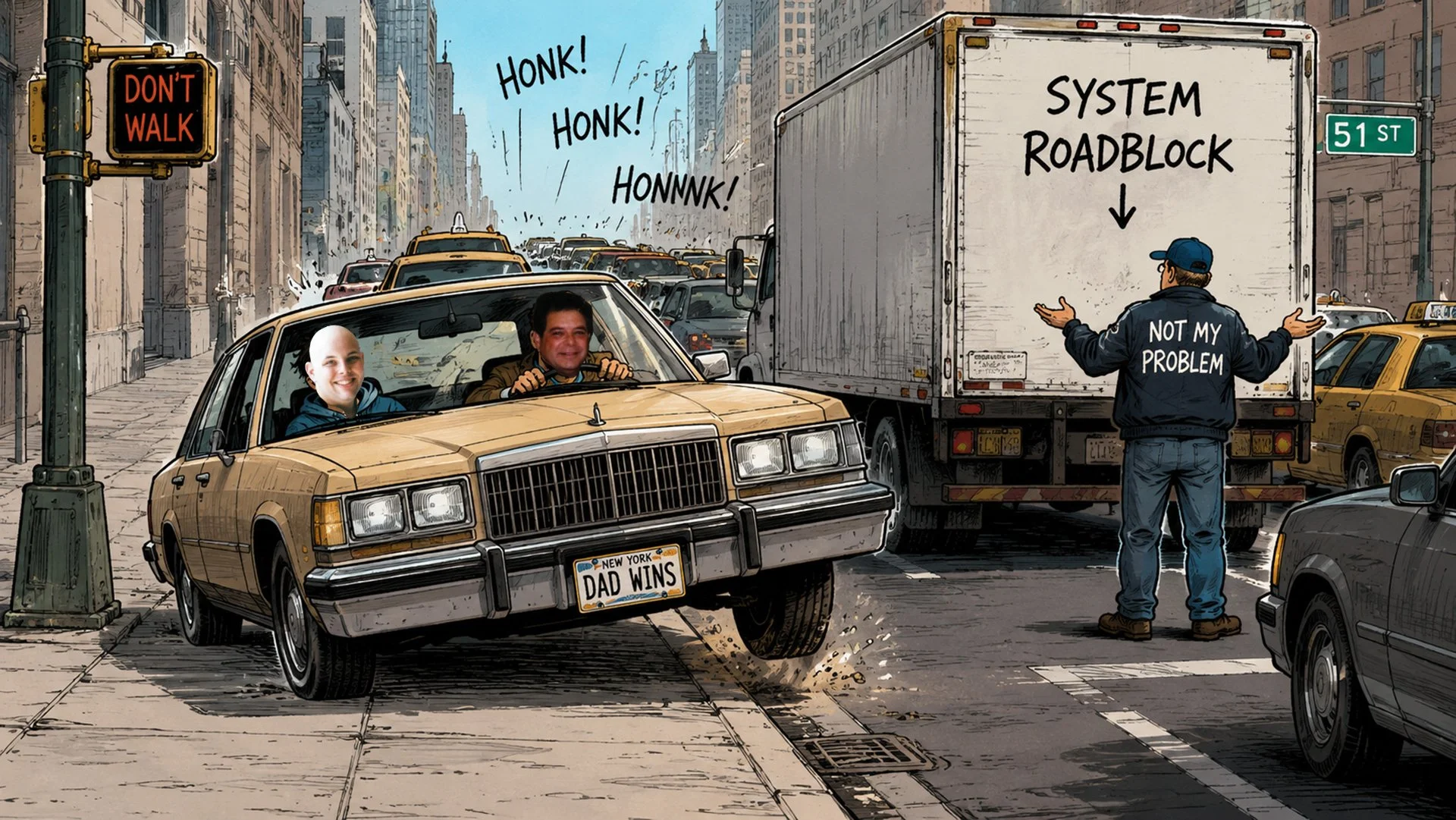
My Dad Drove on the Sidewalk: Behind We the Patients | Story 1 of 5
At 21, I watched my father drive onto a Manhattan sidewalk to get me home from brain cancer treatment. Thirty years later, I realized that absurd New York moment was a perfect metaphor for American healthcare: when the road is blocked, patients are expected to find the sidewalk.
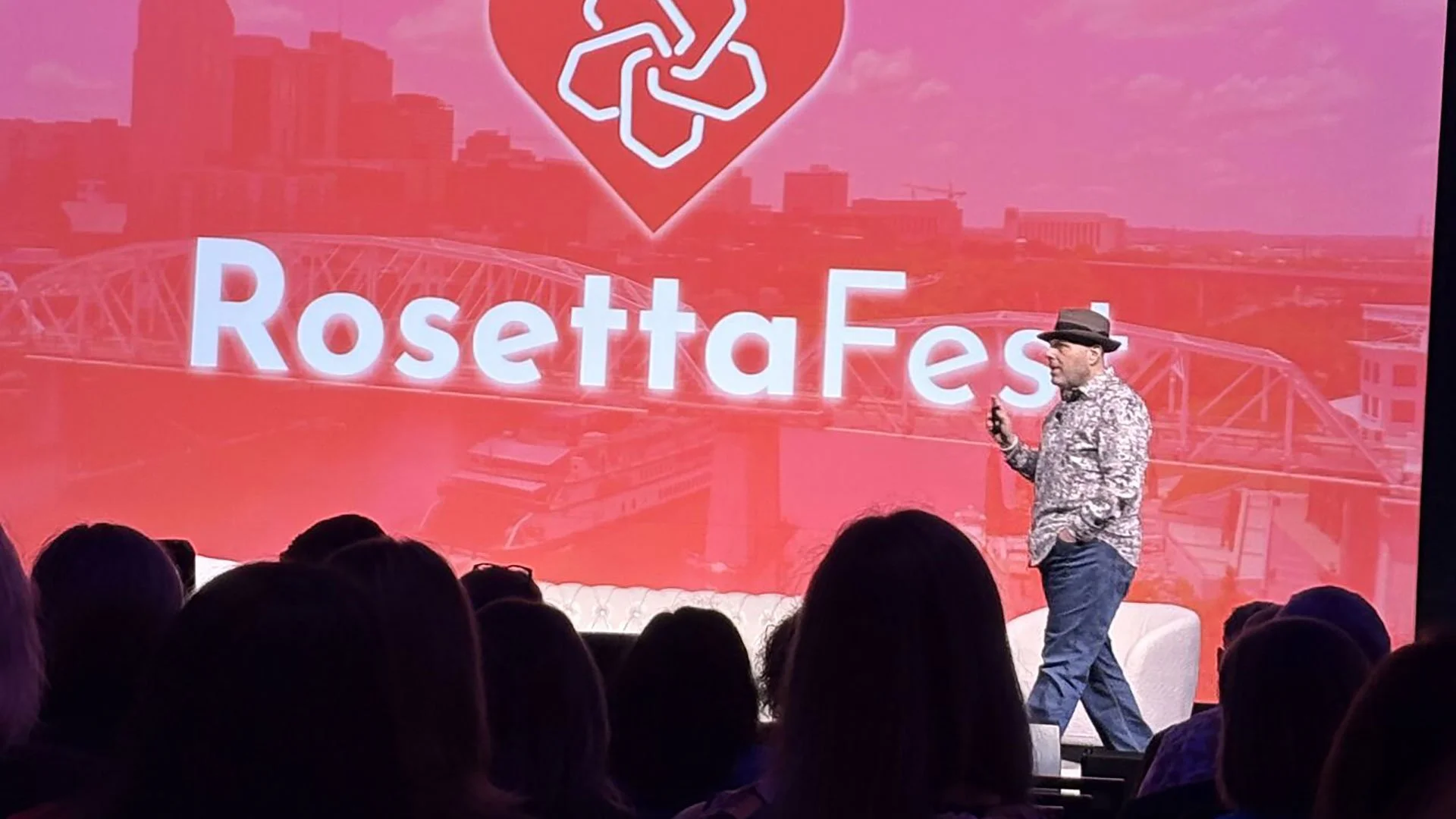
RosettaFest 2026: I Didn’t Expect Employer-Sponsored Healthcare to Restore My Faith in American Healthcare
I went to RosettaFest expecting to give a keynote. I left with the Marshall Allen Award and a completely different understanding of employer-sponsored healthcare, patient advocacy, and why the companies we work for may be one of the most overlooked forces shaping American healthcare.
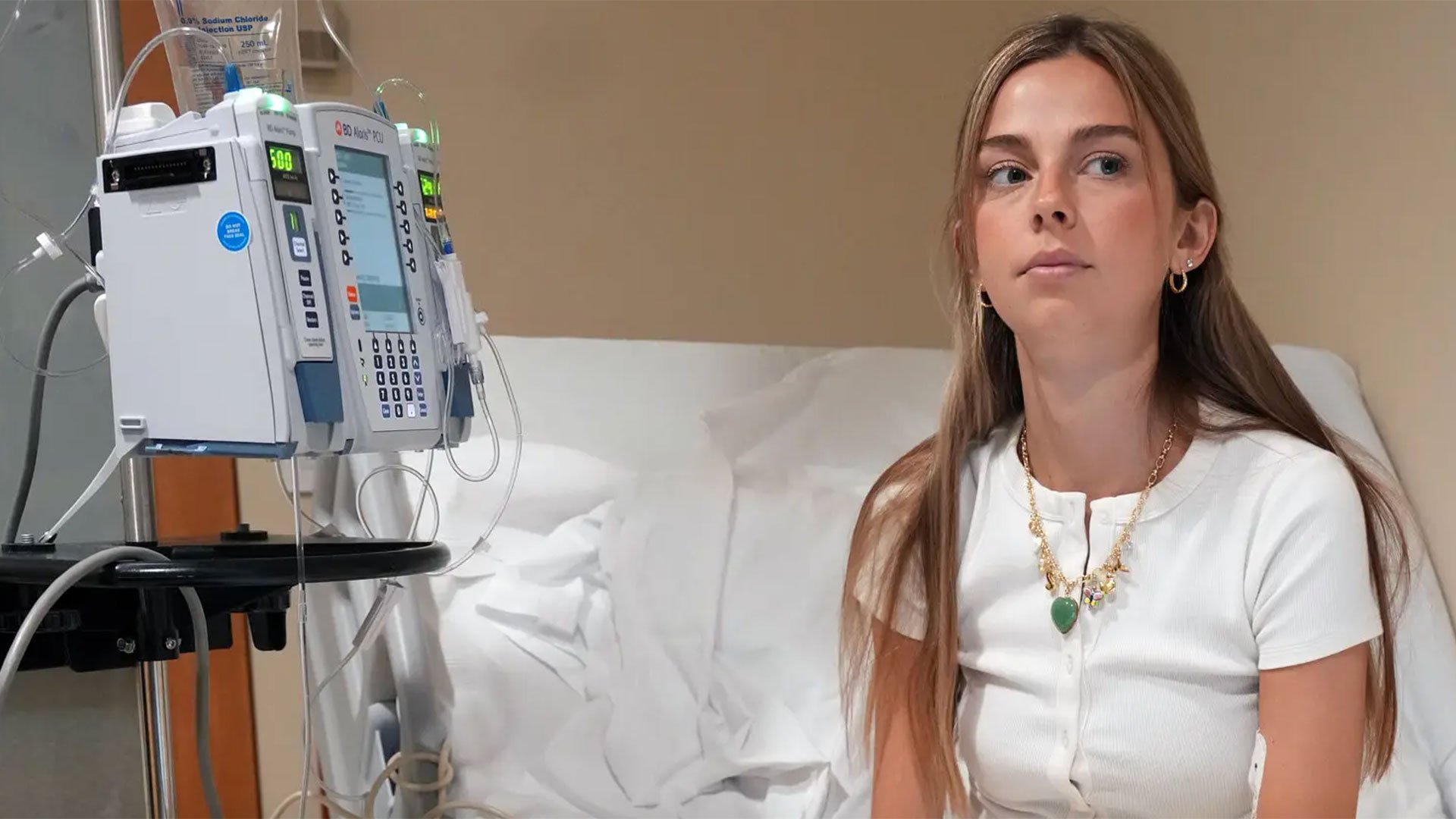
The Internet Demanded That She Look More Like She Was Dying
Sydney Towle didn’t fail to look sick enough. We failed to understand what living with cancer can actually look like. Her story exposes a culture that demands patients perform suffering before offering compassion, and what that says about all of us.
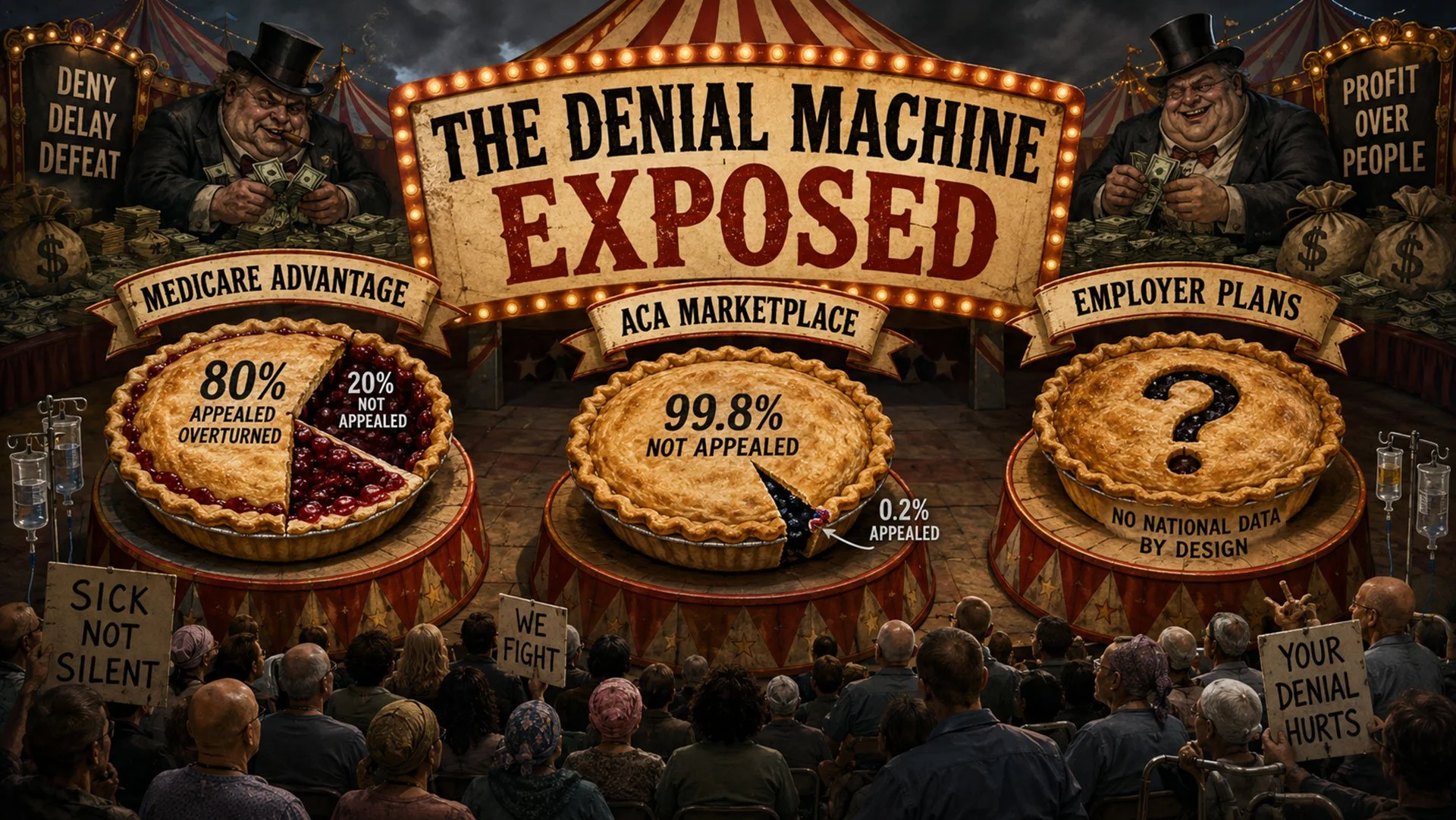
The Denial Machine: Why America’s Health Insurance Appeals System Rewards Patient Exhaustion
More than 80% of appealed Medicare Advantage prior authorization denials are overturned, yet fewer than 0.2% of ACA Marketplace denials are ever appealed. The problem is not only denial. It is a system that profits when patients run out of time, energy, and hope.
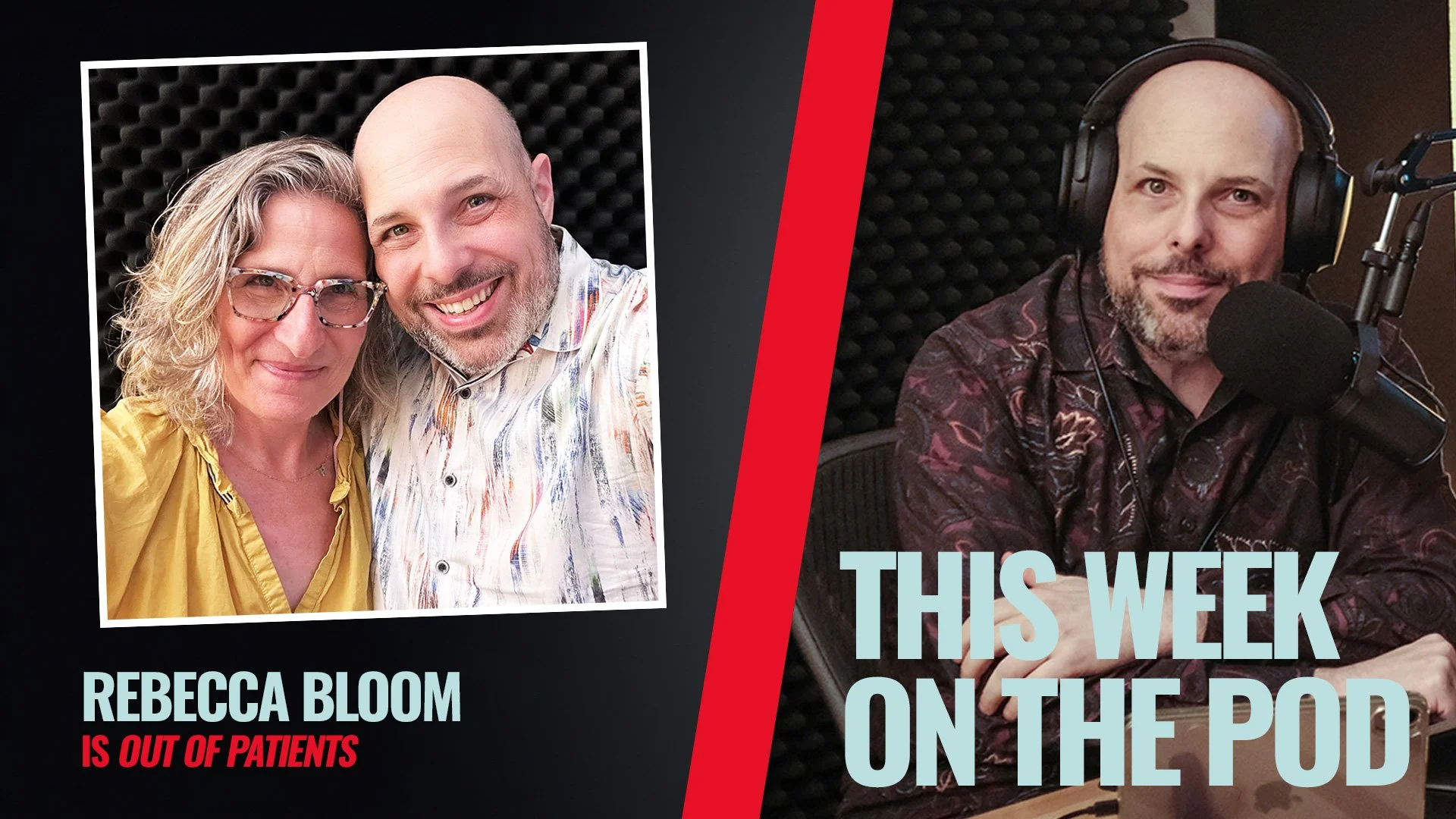
Out of Patients EP4534: Your Benefits May Vary: Rebecca Bloom
Rebecca Bloom spent decades inside employee benefits law before helping women navigate cancer, insurance, disability, work, and survival. This conversation exposes the hidden administrative labor patients inherit the second they get sick.
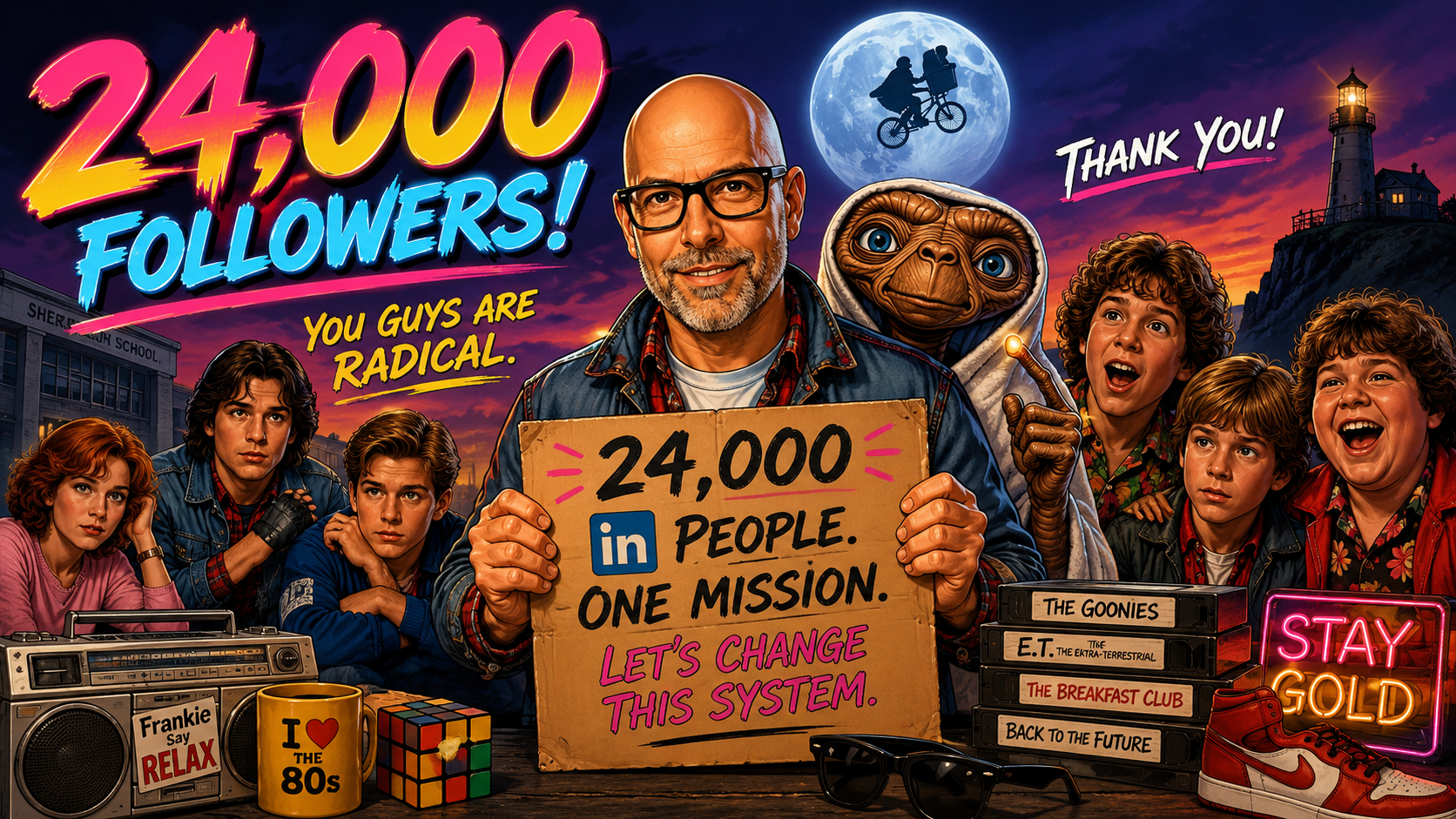
Twenty Four Thousand People Follow Me on LinkedIn. Healthcare Should Be Paying Attention.
Crossing 24,000 LinkedIn followers is more than a social media milestone. It reflects a growing community of patients, caregivers, and clinicians who are tired of insurance denials, medical debt, and a healthcare system that too often puts bureaucracy before people.
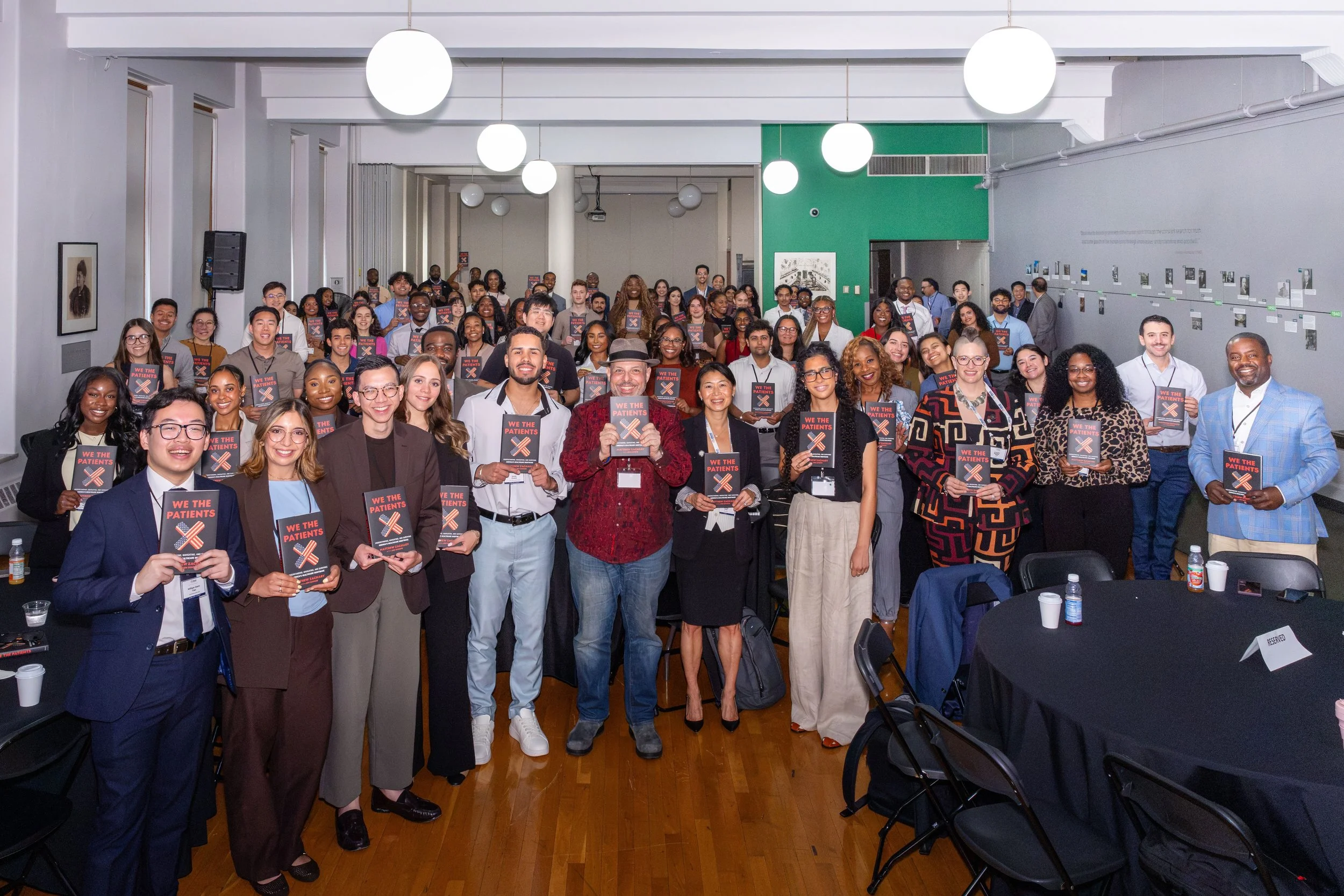
They Gave Every Medical Student My Book. Then We Talked About the Storm They’re Inheriting.
At the 2026 Robert A. Winn Clinical Investigator Symposium, hundreds of medical students received We the Patients and were challenged to see healthcare from the patient side of the bed rail, including the burden, bureaucracy, and hidden labor that medical training too often ignores.

Out of Patients?
Join the recurring Out of Patients dispatch from Matthew Zachary covering the latest American healthcare shenanigans. Essays, podcast episodes, media appearances, book updates, and live events delivered with a sardonic Gen X perspective from a patient who simply refuses to shut up.
Get the dispatch