
The Cancer Advocate's Terrible Privilege
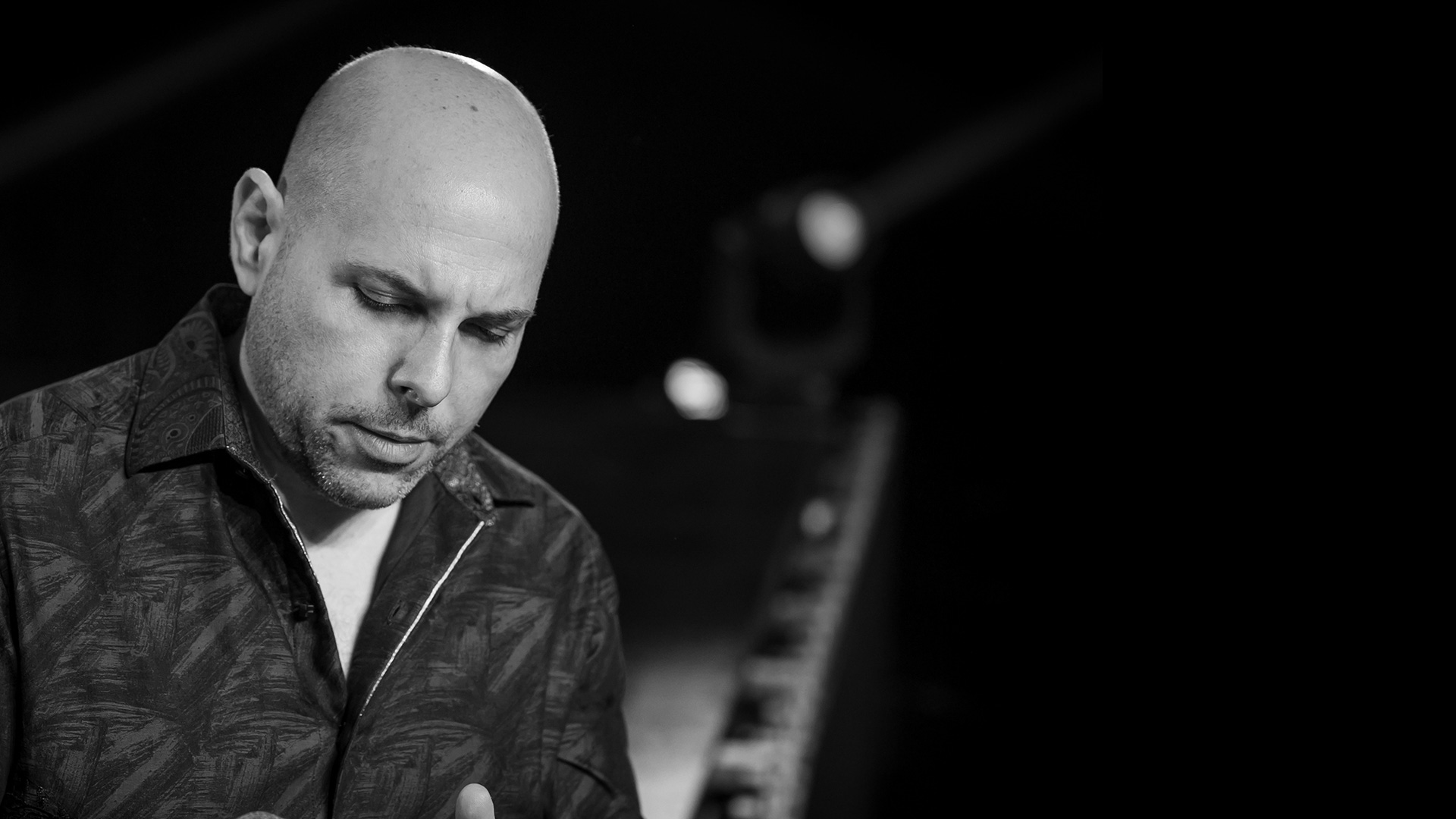
It's a surreal feeling to be alive 29 years after being handed a grim prognosis at 21. "Surreal" because of the sheer improbability of it all, but also because survival comes with its own emotional calculus: gratitude tempered by the sobering weight of everything you've seen, learned, and endured along the way.
I've come to call this the "terrible privilege."
It's the paradoxical gift of having lived through the worst and come out the other side with the knowledge, experience, and connections to help others navigate the system that almost swallowed me whole.
(I also stole the line from a random throwaway remark by Tony Stark as Iron Man in one of the Avengers movies)
Surviving brain cancer didn't just make me a statistic—it turned me into a lightning rod for everyone else's healthcare disasters.
Diagnoses, insurance disputes, fertility concerns, workforce discrimination, mental health crises—you name it. When healthcare comes crashing down on someone, I'm often the first person they call.
"MZ knows things," they'll say. And if I don't know the answer to a question, I probably know someone who does.
I've become, for lack of a better term, a "shit happens concierge."
What does that mean? I connect people to the right specialists, advocates, or resources. I decode insurance policies, demystify clinical trials, and help people navigate the labyrinth of our healthcare system.
And I do it all without begrudging the burden because who else will?
This is my terrible privilege.
The "Uncle Jay" Story Rehashed
[Preread "My Uncle Jay Story" ➡️ https://emz.ee/unclejay]
Back in 1995, I didn't know I needed an intervention in my care.
My parents and I thought my oncology team had everything under control and my best interests at heart.
They didn't.
Like many patients, we trusted the system to prioritize not only my survival but also my quality of life. Spoiler: it didn't.
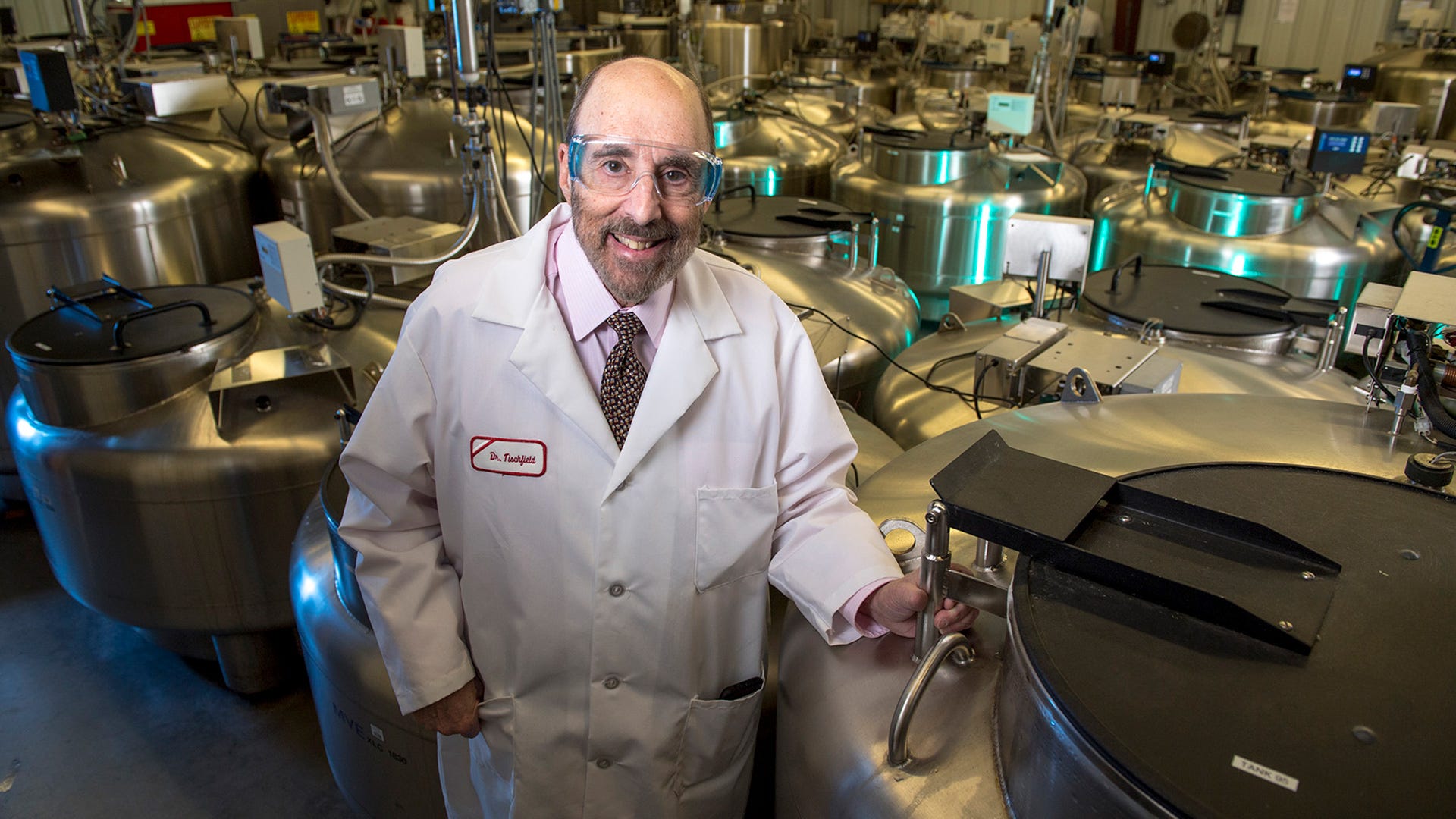
Enter Uncle Jay Tischfield—a world-renowned geneticist and the intervention I didn't know I needed. He stepped in not only to ensure I had the best possible treatment plan but also to protect my future self from the fallout of decisions made without regard for my long-term quality of life. Uncle Jay had both the expertise and the audacity to challenge the system on my behalf. He ensured that my treatment wasn't just about survival but about living—really living—on the other side of cancer.
Thanks to him, I was able to survive this long on my terms based on the controversial decisions I was able to make in 1996. Not everyone has an Uncle Jay. But now, for better or worse, many people have me.

The Indifference Is Killing Us
In an ideal world, no one would need an Uncle Jay—or a Matthew Zachary. The healthcare system would be built to anticipate and address patients' needs equitably and proactively.
Famous last words.
The truth is, the system doesn't care about you unless someone forces it to. Patients don't attend "Cancer University" to learn how to advocate for themselves before they get sick.
They don't have a syllabus for navigating insurance disputes, fertility preservation, or the psychological toll of illness. They don't even know what questions to ask until it's too late.
When bad things happen to good people, they're left to fend for themselves in a system designed to maximize profit, not outcomes.
That's where people like me come in.
And that's where people like you come in; all of you.
All of us.
But it shouldn't be this way.

The MZ Referral Network
Over the years, I've built what I jokingly call the "FOM Squad" (Friends of Matt), a.k.a. the MZ Shit Happens Referral Network.
It's a loose web of BFFs (experts, advocates, and professionals)—many of whom, like me, never asked for this wisdom but earned it the hard way.
It's a kinship born of shared lived experience and a desire to make the system suck less for the next person. We don't have fancy titles or official roles, but we've got each other. And, when shit happens, if you're unfortunately lucky enough to know someone like me, you've got access to the FOM-everse.
The terrible privilege of this network is that it exists at all. It shouldn't have to. But until AI or some magical healthcare utopia comes along, we're stuck in neutral.
Unless you "happen to know" someone who knows what to do, you're at the mercy of a system that doesn't care whether you live or die, let alone how well you live if you survive.
Paying It Forward
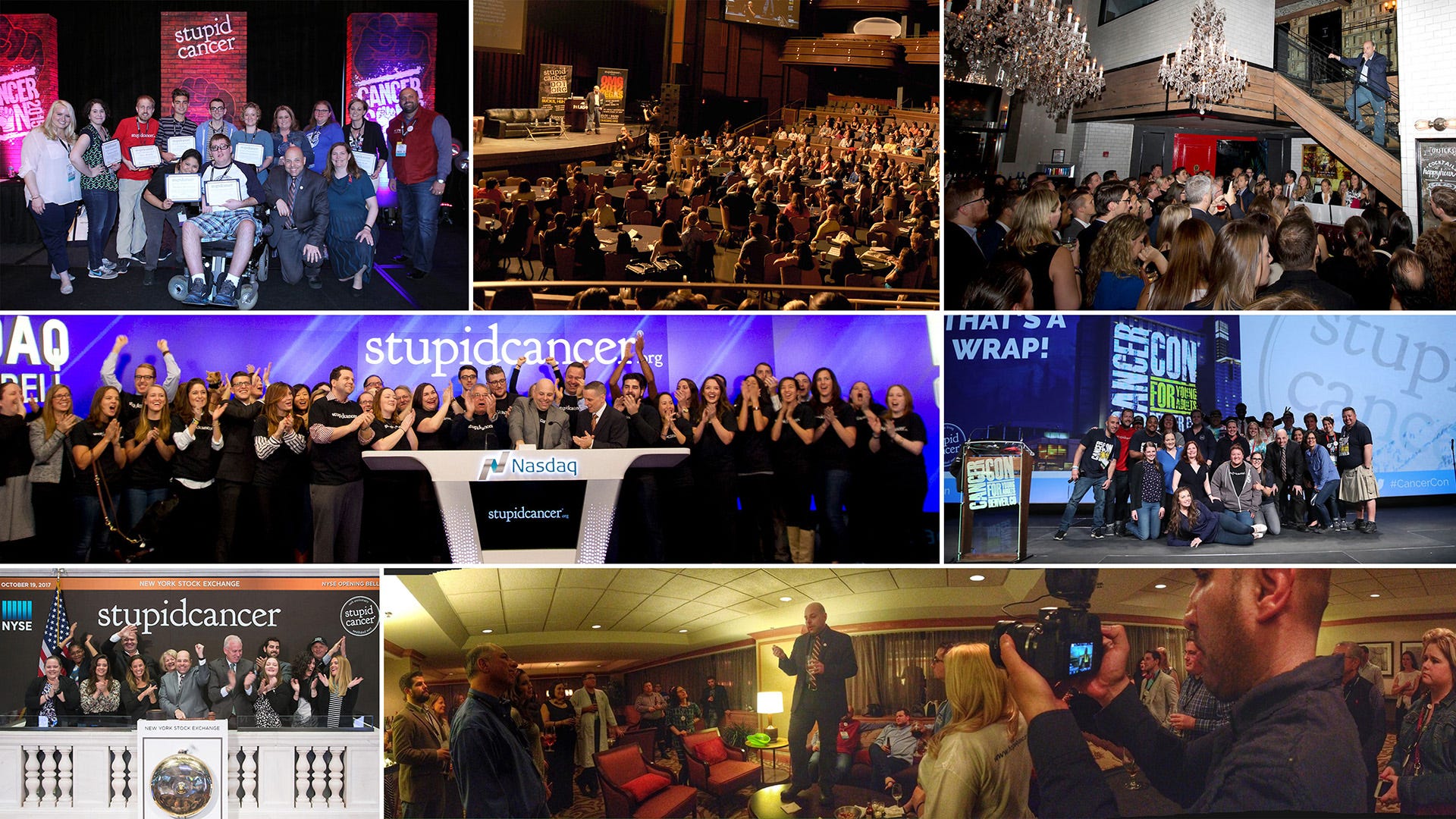
In 2002, Craig Lustig—a friend, colleague, and fellow survivor—asked me, "How'd you like to be a cancer advocate?" My response was, "What the fuck is a cancer advocate?" (It was a different time.) Craig's answer stuck with me: "Let's make sure the next "you" doesn't get Robitussin for brain cancer." [Yes, that was a thing. Read ➡️ https://emz.ee/mzusnews]
And just like that, I became a cancer advocate.
Today, my version of Craig's mission is this: Let's make sure the next me has an Uncle Jay at their immediate disposal. Let's ditch the roulette wheel of "just happening to know someone" and build a system that doesn't leave patients to fend for themselves.
The Weight of Knowing
The terrible privilege isn't just about the burden of knowledge—it's about the weight of responsibility. I can't unsee what I've seen or unlearn what I've learned.
And I wouldn't want to. Every person I've helped, every system I've challenged, every small victory I've won—it's all worth it.
The truth is, I shouldn't have to do this. None of us should. But until the system changes, until we build a world where healthcare is equitable, accessible, and humane, I'll keep answering the calls. I'll keep being the Uncle Jay people need when the system fails them.
Because what else can you do with a terrible privilege but embrace it?
If there's one thing I've learned in 29 years, it's this: Survival isn't just about living—it's about giving. It's about taking the terrible privilege of everything you've endured and using it to make the world a little less terrible for someone else.
It's not easy, and it's not fair, but it's worth it.
Uncle Jay once saved my life. Now, I spend mine paying it forward.
And maybe, just maybe, that's enough.
I am enough.