
The Price of Pulling the Plug: When Politics Kills Patients Rights
This Isn’t About Politics. It’s About Competence.
You don’t have to like public funding. But if you want cancer treatments, clean air, or a real plan to manage Alzheimer’s—cutting off research dollars isn’t just bad policy. It’s reckless. The Trump administration’s cuts to University of Washington research were not strategic reallocations. They were axe swings. Grants supporting investigations into STIs, dementia, and trauma responses were canceled or indefinitely delayed. These aren’t luxuries. They’re essentials. And let’s not pretend this was accidental. This was targeted defunding with political fingerprints all over it.
You may think this doesn’t affect you. Think again. The NIH held back millions from UW alone—one of the most respected research institutions in the country. What makes you think your city, your clinic, your community won’t be next?
What Gets Cut When You Don’t Pay Attention
Let’s get specific. One of the canceled UW studies looked into how trauma affects sexual assault survivors. Another was working on a new vaccine for chlamydia. A third was analyzing air pollution’s impact on Alzheimer’s development. You want answers to real health crises? This is where they start.
Pulling funding midstream forces research teams to lay off staff, halt clinical trials, abandon years of work. Try explaining that to a patient waiting on a treatment breakthrough. Or to a parent of a child with a preventable disease.
We keep acting surprised when American innovation lags, but this is what it looks like when you treat science like a partisan chess piece. You gut the infrastructure, then wonder where all the progress went.
Washington Fights Back (and Not Just the University)
Attorney General Nick Brown isn’t waiting around. Along with AGs from 15 other states, he’s suing the federal government. The claim is simple: NIH has no legal authority to arbitrarily freeze funding like this. Especially not when grants were already vetted, approved, and underway. It’s obstruction in a lab coat.
This lawsuit shouldn’t be necessary. But when federal agencies start treating public health research like a political liability, litigation becomes the last remaining tool. It’s not ideal, but it’s what’s left.
What’s wild is how far behind the scenes this all stayed. If you’re not reading grant bulletins or academic memos, you’d miss it. And that’s part of the problem. The cuts are quiet. The damage is not.
This is What Sabotage Looks Like
Across the board, NIH slashed over 230 grants focused on HIV—totaling nearly half a billion dollars. Half. A. Billion. These weren’t fringe projects. They were focused on access to PrEP, on transmission reduction in high-risk communities. That’s how you stop the spread. That’s how you save lives. That’s what got erased.
And it’s not just NIH. HHS gutted 25% of its workforce. FDA and CDC got folded, shuffled, neutered. That’s your food safety, drug approval, pandemic readiness, gone or diluted.
This isn’t government inefficiency. This is design. Starve the system. Blame it for failing. Then point to the failure to justify more cuts. We’ve seen this play before, and we know where it ends.
The Real Cost Isn’t in Budgets. It’s in Time.
Research isn’t just about data. It’s about continuity. Progress is cumulative. Cut a study mid-stride, and you don’t just waste today’s money—you set back tomorrow’s answers by years. Maybe decades.
Time is the one thing you can’t buy back in science. You can hire new staff. You can reapply for grants. But you can’t recreate the conditions of a paused study. You can’t replay the moment when the data was fresh and the insight was within reach.
And what do we get in return? A few headlines, a budget line shifted, and a lot of congratulatory press releases about “fiscal responsibility.” None of which will matter when the next epidemic hits and we have no prep work to fall back on.
You Don’t Have to Be in a Lab to Be Mad
If you work in tech, or policy, or business—don’t tune this out. This matters to you. You think innovation is siloed in the private sector? Guess again. Most of the medical advances that power your insurance plans, your biotech IPOs, your family doctor’s treatment options—started with publicly funded research. NIH, CDC, HHS. That’s the upstream source.
When you pull that funding, you don’t just slow science—you block it. The pipeline dries up. Suddenly your fancy new drug has no clinical trial partner. Your startup’s core dataset? Incomplete. The foundational research that underpins a whole industry? Gone.
And for what? A political score? A headline? A nod from donors who don’t understand how this all works?
Stand Up or Shut Up
There were rallies—“Stand Up for Science 2025”—30 cities, thousands of researchers, students, citizens. Good. But we need more than protests. We need people in boardrooms, classrooms, and government offices to treat this as what it is: systemic sabotage.=
If you lead a company, say something. If you're in health policy, act like this is a five-alarm fire. If you’re a voter, ask your representative why a proven STI prevention study got pulled. Ask what happens when Alzheimer’s research stalls. Ask why the people making these decisions won’t ever have to live with the fallout.
What Are You Willing to Lose?
Everyone loves science when it delivers. When the cancer screen comes back clean. When the air is breathable. When the COVID vaccine arrives right on time. But when science needs protecting? That’s when people go quiet.
Are you willing to speak up when the costs are invisible but compounding? When the work being cut today is the answer you’ll need ten years from now?
Because that’s what this is about. Long-term thinking.
And whether we’re capable of it.
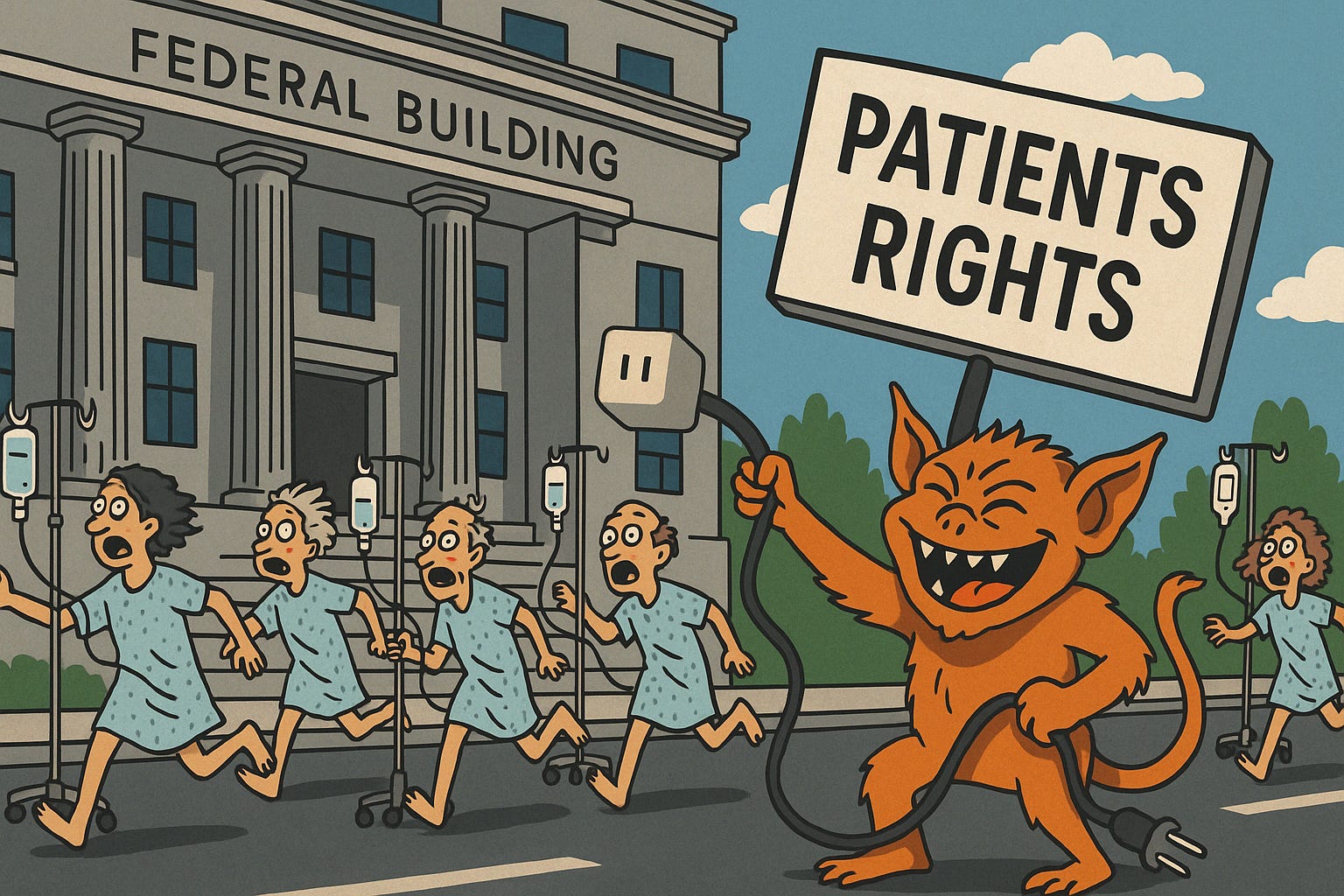
This isn’t theoretical. The Trump administration isn’t just playing budget games. It’s pulling the plug on life-saving work. The impact will show up in disease rates, in ERs, in funeral homes. Not today. But soon.
You want a healthy country? Fund the research. Let scientists work. And stop turning public health into political leverage.
You’ve seen the data. You know the stakes.
Now ask yourself—what are you going to do about it?