
Unfair Market Value: The Insulting Price Tag on Lived Experience

Introduction: The Buzzword Problem
The healthcare industry loves its buzzwords. One of its favorites lately? "Lived experience."
It sounds almost poetic, doesn't it?
Google it, and you'll find a vague definition suggesting it's about the insights drawn from actual life. But when you dig into how the term is used in healthcare, it becomes clear that "lived experience" is less about empathy and understanding and more about dollars and budgets.
Frankly, it's a convenient way to put a price on the suffering of patients — suffering that we never asked to endure.
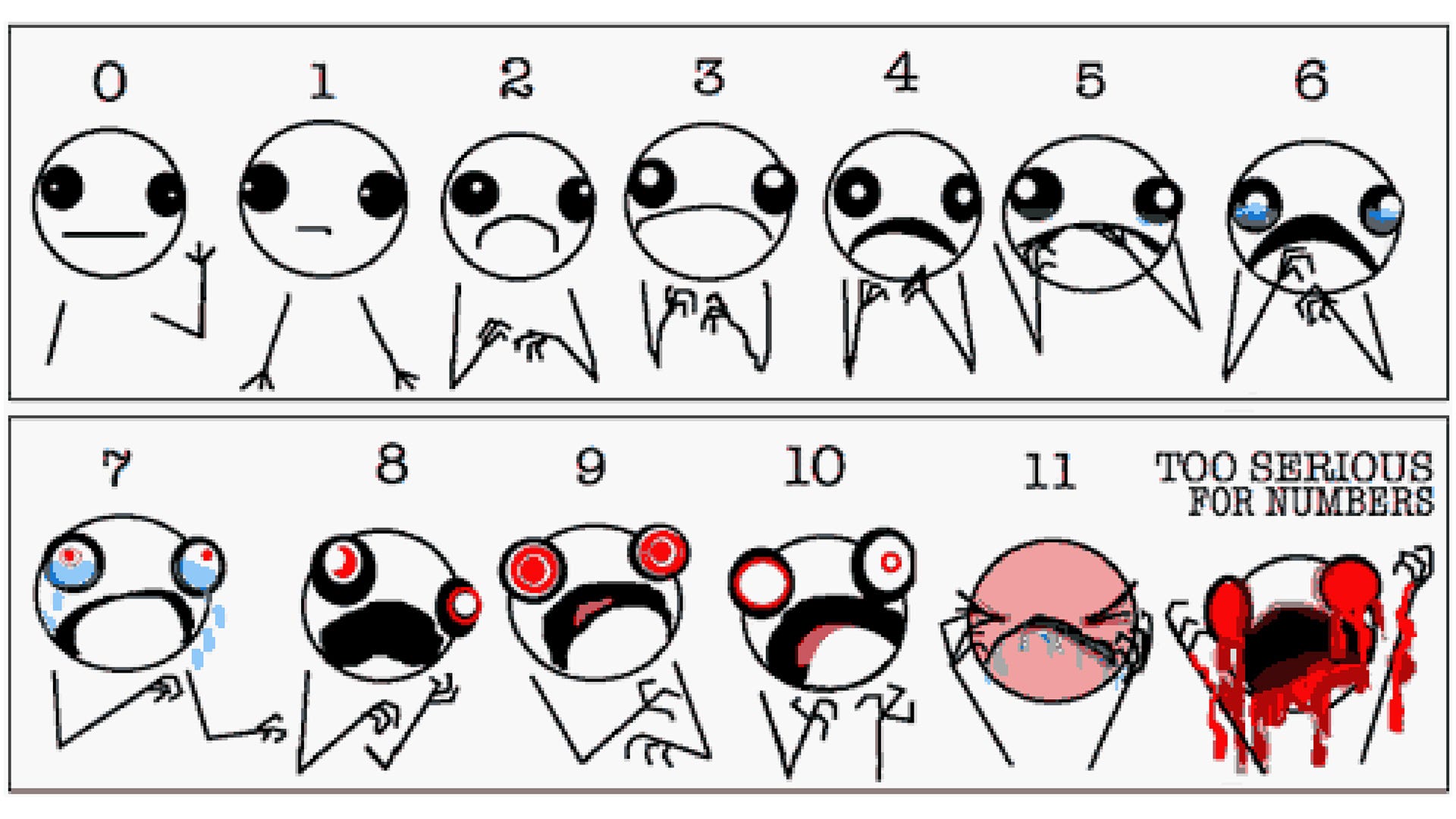
The Suffer-ometer: Valuing Pain
When patients are invited to share their "insights," they are compensated for their time according to "Fair Market Value."
How does this manifest in the real world? What is "fair market value" for lived experience? And who is the arbiter of said metric?
Fair, according to whom? Did I suffer enough to deserve your rate? Would I get more if I had cancer twice? Is losing a limb, a breast, or my esophagus a bonus? What if I'm still alive but just barely getting by? Does my survival knock me down a peg on the pay scale?
I didn't go to cancer college; I got sick. And for the rest of my life, my value is reduced to dollar terms based on my trauma, rates determined by someone who never lived a day in my shoes.
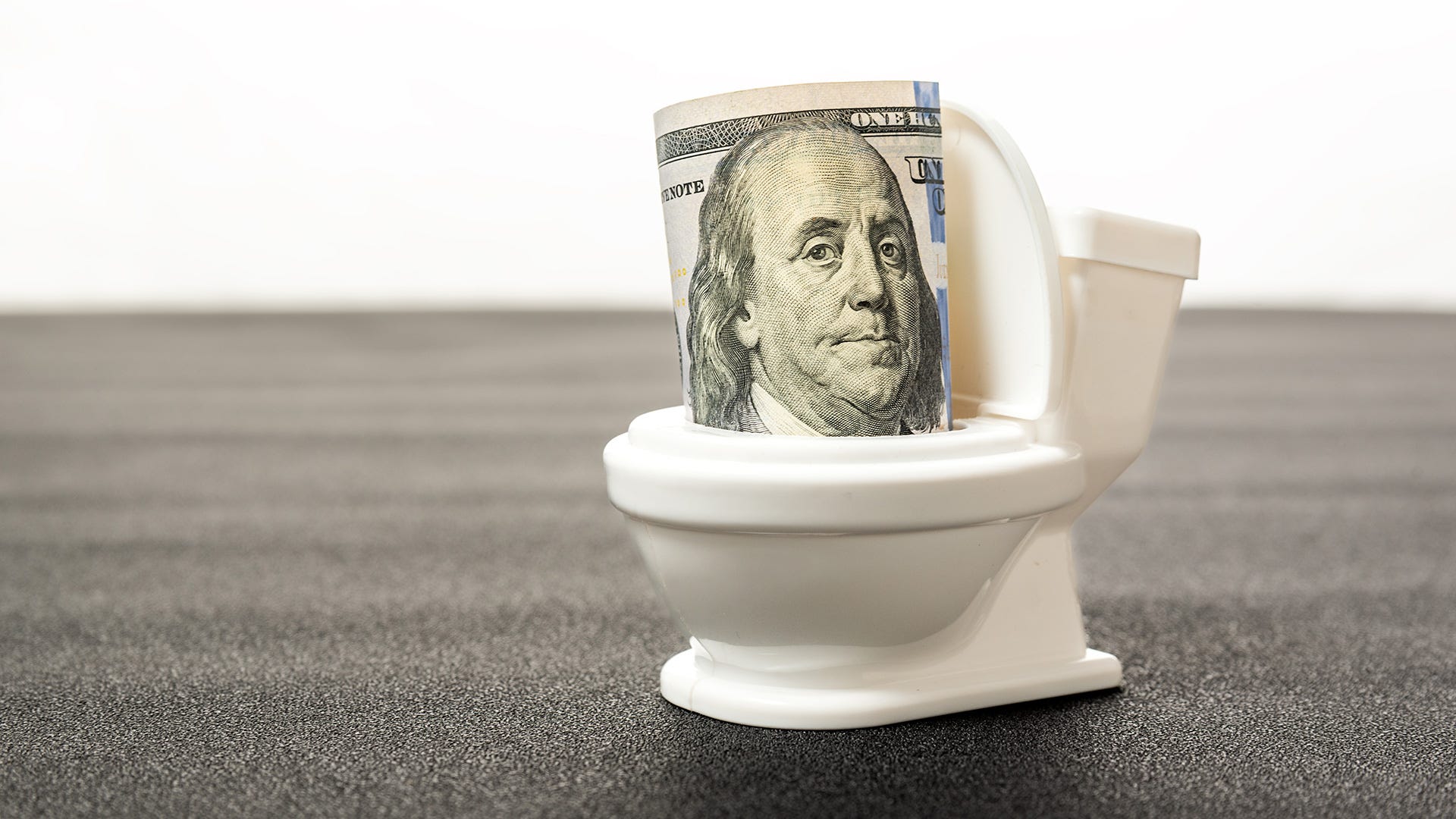
Fair Market Value: A Misfit in Healthcare
Fair Market Value (FMV) is supposed to be the equalizer — a yardstick for what's "fair." But how can FMV be applied to the value of someone's illness, to experiences that no one volunteers for?
What is fair, exactly? Who decides that? FMV makes sense for goods and services with clear benchmarks and measurable skills. But how can you apply that logic to a patient's life, their pain, or their resilience?
It's almost as if we need a "suffer-ometer" to determine how much to pay for someone's suffering. It's degrading to think of patient experiences being reduced to a marketplace like
"TaskRabbit." It's as if I'm on a list to be hired at an arbitrary rate, valued even less than a plumber.
My cancer story, my trauma, and my day-to-day reality are deemed less worthy than fixing a leaky sink. $125/hour? For serious?

Exploitation In Plain Sighht
All the while, billion-dollar enterprises are the ones asking for our stories. The gall of asking patients to share their experiences and then leaning on "fair market value" to avoid appropriately compensating them in the name of fostering more expedient drug development and or perhaps a GTM global launch strategy is astounding.
These companies profit off of what we endure, off of the things that were never supposed to happen to us. The ongoing exploitation of patient voices has to end because it has been a pan-industry practice for decades. All parties have found their own way to commodify the voices of patients, voices they rely on to make their research authentic, sell products, and market their insights as "patient-centered."
I will unapologetically call out the worst offenders: the conference planners who claim, "We don't pay our speakers." Sure, don't pay the corporate speakers with business-class airfare. But when the speakers are unaffiliated, regular Joe Schmoe citizens from Anywhere, USA, for the love of all things decent, pay up.

Emotional Labor: Not Just a Job
Imagine someone with lived experience, someone who's been through hell and back, standing up on stage at a conference. They're up there spilling their guts, sharing the most personal and painful parts of their lives because they genuinely believe it might help someone else.
And what do they get for it? A pat on the back and maybe a room at the Marriott Courtyard and "exposure."
For the patient, sharing lived experience isn't just a job — it's a deeply personal mission. It's the courage to make oneself vulnerable, the desire to contribute to something bigger than oneself, often at an emotional cost that is hard to quantify.
Yet, despite the courage it takes to share these stories, patients are often treated as if they should be grateful for the "opportunity" to speak. As if reliving trauma in front of strangers is some kind of gift.
Lived Experience as a Bargaining Chip
How did we get here? How did lived experience — the genuine, raw stories of people who've battled life-threatening diseases — become a bargaining chip? If you want my story, if you want my insights, then pay me what I'm worth.
If you wish to profit from my suffering, at least be upfront and compensate me according to a new standard that only the patient community should create and enforce.
This shouldn't be controversial. It's basic human decency.

Real Value for Real Stories
I'd like to see a change. We need a culture shift driven by, from, and for the patient advocacy community itself.
We deserve more than token payments and "FMV."
We deserve real, meaningful compensation for our time, our emotional labor, and the sacrifices we've made. Not just because it's right but because it's what we're worth.
Patients are not a means to an end, not just a box to check on a corporate list. We need to be seen as partners, as collaborators, as people whose voices matter and whose contributions deserve real recognition. Without us, without our stories, the entire healthcare system will fall apart.

Closing Thoughts: Time for Real Market Value
Maybe I'm wrong.
Maybe there's some evidence of progress, something tangible I'm not seeing. If there is, someone, throw me a bone because right now, it feels like the only fair market value for patients is whatever companies can get away with. And we deserve better than that.
Fair Market Value? It's insulting.
It's time for "Real Market Value."
It's time for us to decide what we're worth, not the other way around.