
Google: The Accidental Overlord of Healthcare
Before we dive into Google’s unintended audition for ‘Doctor of the Year,’ let’s break this down quickly for the folks in the back. Social Determinants of Health (SDOH) are the stuff that makes or breaks your health outside of what happens in a doctor’s office: where you live, how much cash is (or isn’t) in your wallet, your education, your friends, access to a clean toilet—the works. Basically, SDOH accounts for 80% of your health outcomes. Eighty. That’s almost as high as your cousin’s iPhone screen time.
Traditionally, SDOH had ten key buckets: housing, food, transportation, social support, yada yada yada. But surprise! Welcome to 2025, where technology isn’t just a bucket; it’s practically the damn water itself. Enter: Google. Yes, Google—your search engine turned social determinant of health, whether we like it or not.
Raise your hand if you’ve ever googled your symptoms and convinced yourself you’re 100% dying. Everyone? Thought so.
With over 90% of the search engine market locked down, Google is basically the unofficial front desk of modern healthcare. It’s where millions of people turn when they’re itchy, achy, or terrified by a weird mole. But here’s the kicker: Google isn’t built to prioritize your health; it’s built to prioritize clicks. So, while it’s given us the gift of instant information, it’s also thrown us into a pit of misinformation, ad overload, and algorithmic bias. Let’s unpack why your doctor is side-eyeing your latest Google-induced diagnosis.

Health Literacy vs. “What the Hell Do I Even Type?”
Look, not everyone knows how to Google like a pro. (Pro tip: Avoid the Reddit rabbit holes.) Health literacy—knowing how to search for, understand, and use health information—isn’t evenly distributed. Some people type “headache” and find reliable info from Mayo Clinic. Others type “brain explodes why” and land on a blog from 2003 recommending essential oils and moon crystals.
Here’s the rub: lower health literacy tends to hit marginalized and vulnerable communities hardest, widening the gap between those who can access accurate care and those who can’t. Spoiler alert: the internet doesn’t come with training wheels.
Ever googled “sore throat” and found yourself bombarded with ads for cough syrups, herbal teas, and a $400 blender that promises eternal youth? Welcome to the commercialization of your health anxiety.
Google’s ad-driven model means whoever ponies up the most cash gets the top spot. And let’s be real—the first link is probably where you click, even if it’s pushing snake oil disguised as healthcare. For someone without the digital literacy to sniff out credible sources, this is more dangerous than clicking on a sketchy link promising a free iPad in 2007
Algorithm Roulette: Fact or Facebook Mom Wisdom?
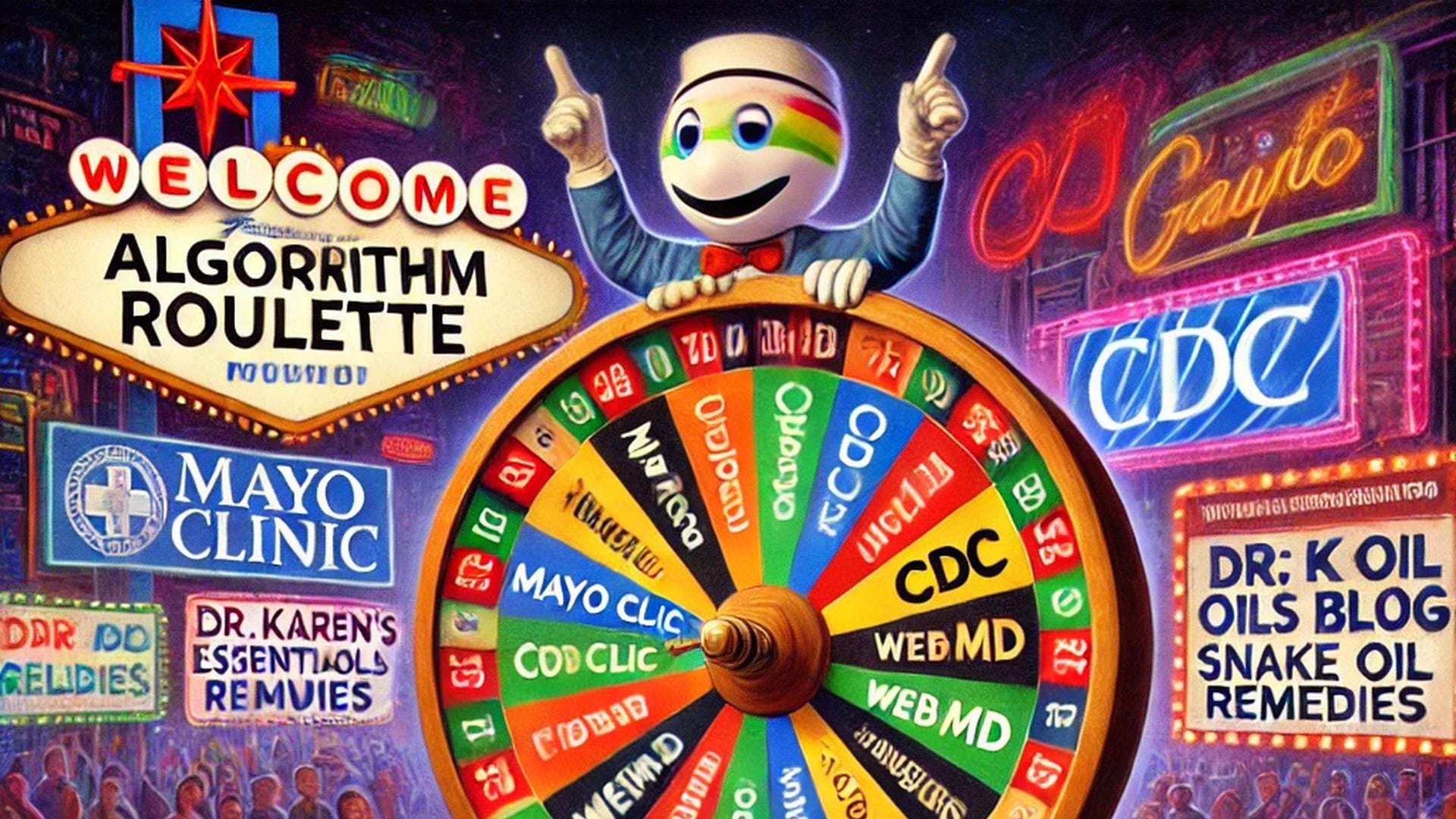
Here’s how Google works: It shows you what’s popular—not necessarily what’s accurate. And while there are credible results (shoutout to Mayo Clinic, CDC, and Johns Hopkins), you’re also two clicks away from “Dr. Karen” on YouTube explaining why vaccines are a government mind-control conspiracy.
Case in point: a 2024 Pew study showed that nearly 30% of health searches included misinformation. That’s like asking for a flu shot and getting a vial of Mountain Dew instead.
Algorithmic bias is another buzzkill. Health topics for women, minorities, or underserved communities often get buried under less relevant, generalized search results. Good luck finding accurate info about Black maternal health or menopause care—unless you know the exact, academic-sounding keywords Google demands.
\Ever walked into your doctor’s office armed with a stack of Google printouts and an unwavering belief you’ve nailed your diagnosis? Yeah, they love that.
Here’s the problem: Google can make you think you’re informed, but half the time, you’re working off shaky intel. This leads to patients either delaying actual care (because Dr. Karen said turmeric cures everything) or demanding unnecessary treatments because the internet told them so. Doctors, meanwhile, have to waste precious time untangling this mess—time they could spend, I don’t know, actually treating you.
.
The Digital Divide: No Wi-Fi, No Health Info
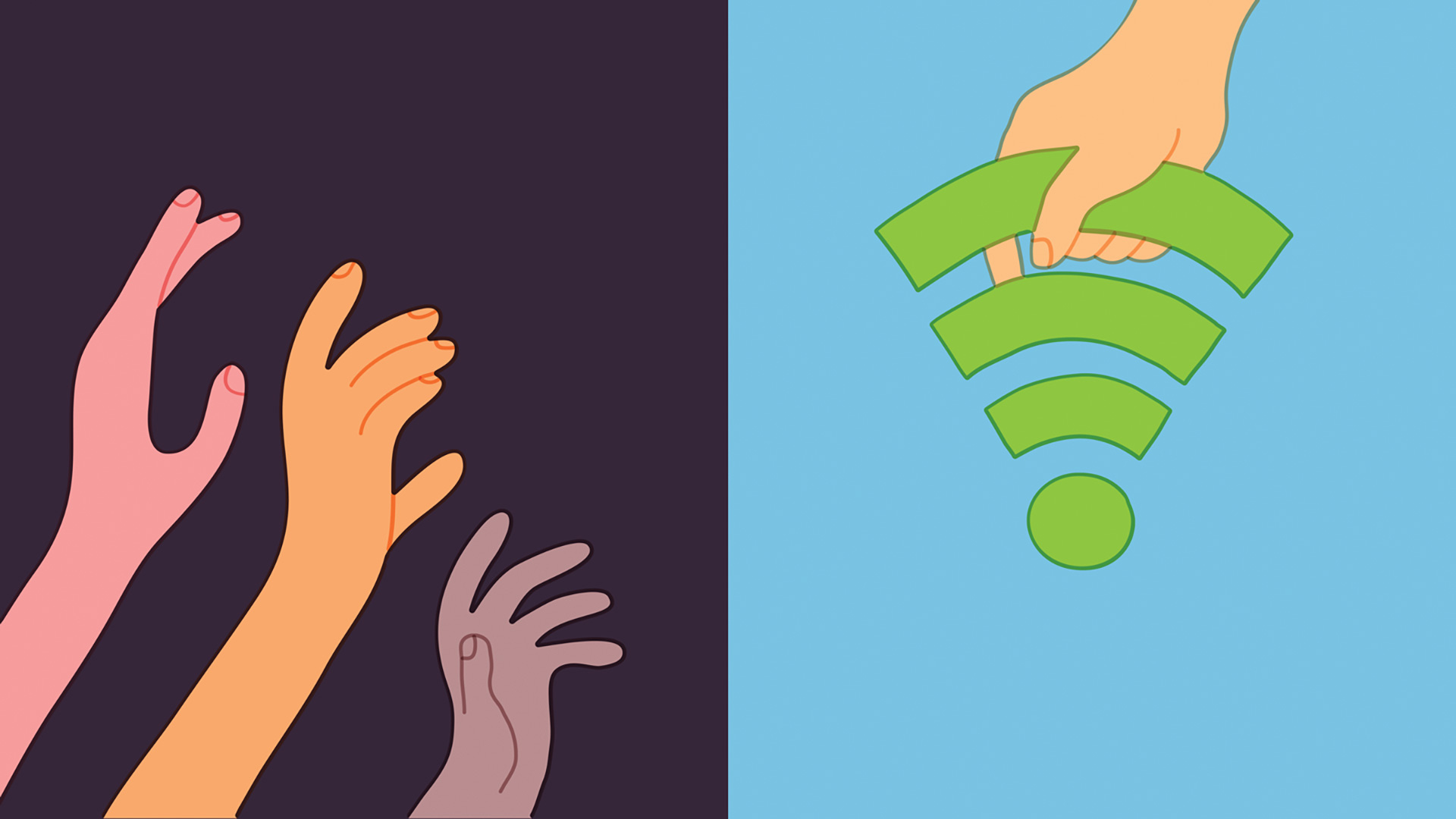
Here’s the ugly truth: Google isn’t equally accessible. If you’re older, low-income, or living in a rural area without reliable internet, you’re already screwed out of this “Google doctor” thing. And if you do get online but don’t have the skills to navigate the clutter? Double screwed.
For those keeping score: the digital divide + healthcare disparities = a hot mess that leaves vulnerable populations even more vulnerable. Oh, and Google’s tools aren’t always disability-friendly, either. So, good luck using voice search when the AI misinterprets your accent or condition.
Google didn’t ask to be a social determinant of health. It’s like that slacker kid who accidentally aced the group project and got put in charge. But here we are.
Healthcare systems, policymakers, and tech giants need to step up and fix this mess. That means:
-
Teaching people how to spot reliable health information (aka digital health literacy).
-
Demanding transparency around how Google’s algorithm ranks health content.
-
Regulating the hell out of health-related ads.
-
Ensuring underserved communities have equal access to digital tools that actually work for them.
If we want Google to play this big a role in health outcomes, it needs to do better. And if it can’t? Well, maybe we’ll all go back to WebMD and call it a day. (Narrator voice: No, we won’t.)
The Takeaway
In the great SDOH bingo card of 2025, Google has found itself a wildcard spot. It has democratized health information, yes, but it has also democratized misinformation, corporate ads, and confusion.
Google has become an unintentional health overlord, and the stakes couldn't be higher.
So next time you type "weird rash" into the search bar, take a beat. Google might help you… or it might convince you that your arm is about to fall off.
Either way, maybe call your doctor first.
(Hopefully, they're not Googling it, too.)