
This One Time at #ASH2025
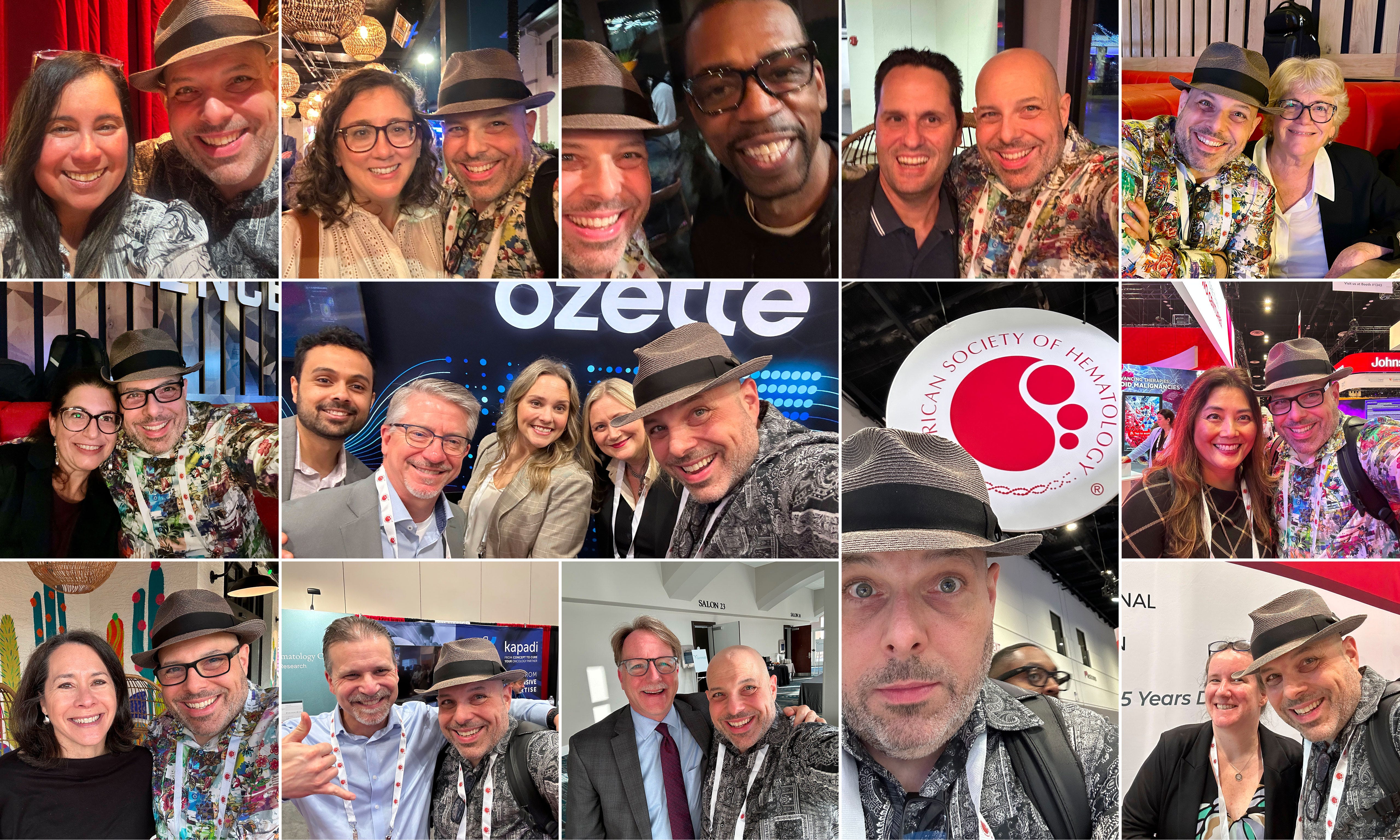
I walked into ASH this year as press, the same way I have for the past few years, carrying a notebook and a body that remembers what it costs to survive. I had brain cancer at 21. That fact never leaves the room, even when people pretend it should. It gives me clarity. It strips away patience for nonsense. It makes certain absences impossible to ignore.
Let’s start with the part people rarely write about. Orlando worked. It worked beautifully. The convention center fit the meeting. Sessions flowed. Breakouts made sense. Meetings happened without feeling like a hostage negotiation. ASH outgrew San Diego years ago and everyone knew it. This move felt like an organization finally choosing a grown up venue. If they stay in Orlando, good. They should.
And yes, ASH remains what it has always been. A massive clinical research meeting for hematologists. Doctors. Scientists. Data. Pipelines. Protocols. On that front, the meeting delivered. The science moved. The future of hematologic oncology looked aggressive, precise, and expensive. We can hold that truth alongside everything else.
Here is where my patience runs out.
Patient advocacy was almost entirely absent.
Not underrepresented. Not quietly present. Absent.
In 2024, advocates barely made it on stage and when they did, it felt performative. This year felt worse. Outside of the biggest and best funded organizations, the advocacy ecosystem might as well have stayed home. I saw the Leukemia and Lymphoma Society. Blood Cancer United. The International Myeloma Foundation. The Multiple Myeloma Research Foundation. That was about it.
No Stupid Cancer. No Cancer and Careers. No Triage Cancer. No Livestrong. No familiar faces from the organizations doing the daily work patients rely on when the appointments end and the bills arrive. The people who explain insurance at 10:00 PM. The people who help someone keep their job. The people who translate science into survival. Gone.
I was told nonprofits could not attend or exhibit without paying. I cannot verify the policy, but the outcome tells the story. The environment did not welcome them. Whether by design or indifference, the result looked the same.
That absence speaks.
It says patient advocacy sits outside the mission. It says lived experience belongs on the margins. It says the people who volunteer their bodies, their blood, and their data to research only matter once they become endpoints.
I have covered ASCO for years. ASCO did not wake up enlightened. It took about 20 years of advocates pushing, organizing, embarrassing, and demanding space. ASCO now integrates patient voice because it had to. Because the hypocrisy became impossible to defend. ASH feels stuck in an earlier decade, wearing blinders and calling it focus.
This matters. Advocacy fills the gaps the system refuses to own. If that work vanished tomorrow, this entire ecosystem would collapse. Clinics would drown. Patients would disappear. Outcomes would get worse. That reality never appears in the abstract slides.
This is not a call for inspiration panels or soft storytelling. This is about accountability. Conferences like ASH shape culture. They signal who belongs. They tell early career physicians what matters. Right now, the signal says patient advocacy remains optional.
That is hubris.
And still, I will be back next year. Because ASH matters. Because the science matters. Because ignoring the meeting helps no one. This is a rave review with a hard stop attached to it.
ASH can do better. The examples already exist. SABCS. ASCO. The blueprint sits in plain sight.
If ASH wants to evolve, the work starts by admitting who they forgot.
If they want help doing that, they know exactly where to find me.