
Out of Patients
with Matthew Zachary
Welcome to 2026: The Year of the Patient where the sick shall inherit the ballot.

When Patients Stop Trusting Dermatology
Millions of eczema patients increasingly distrust the treatments medicine tells them to rely on. Matthew Zachary examines topical steroid withdrawal, chronic inflammation, patient distrust, and the healthcare incentives driving one of medicine’s fastest growing credibility crises
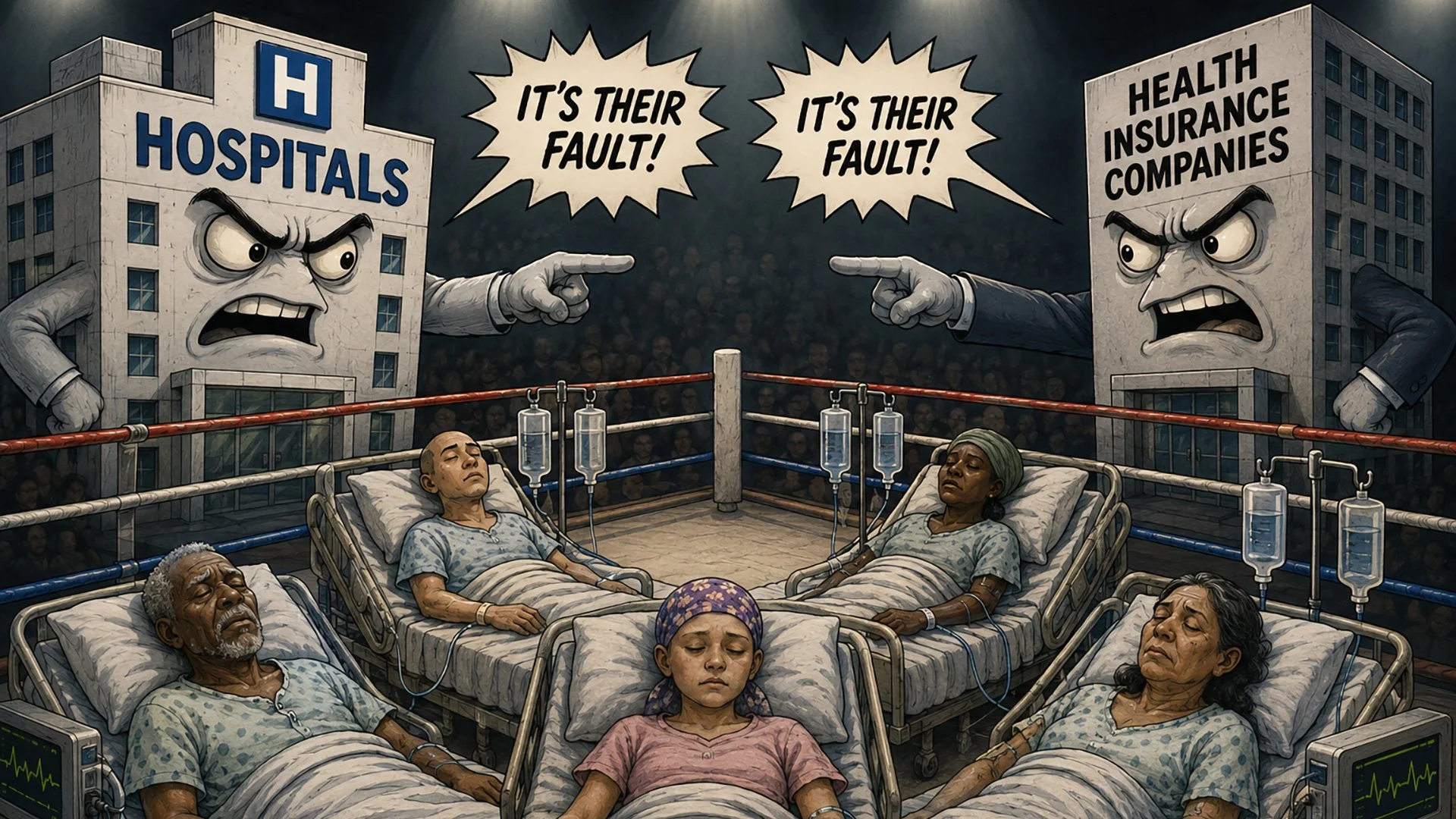
Hospitals and Insurers Keep Blaming Each Other While Patients Finance the Entire System
Hospitals blame insurers. Insurers blame hospitals. Patients finance the entire system through premiums, deductibles, debt, and confusion. Matthew Zachary examines the incentive structures, financial flows, and institutional dependencies that keep American healthcare expensive, opaque, and exhausting.
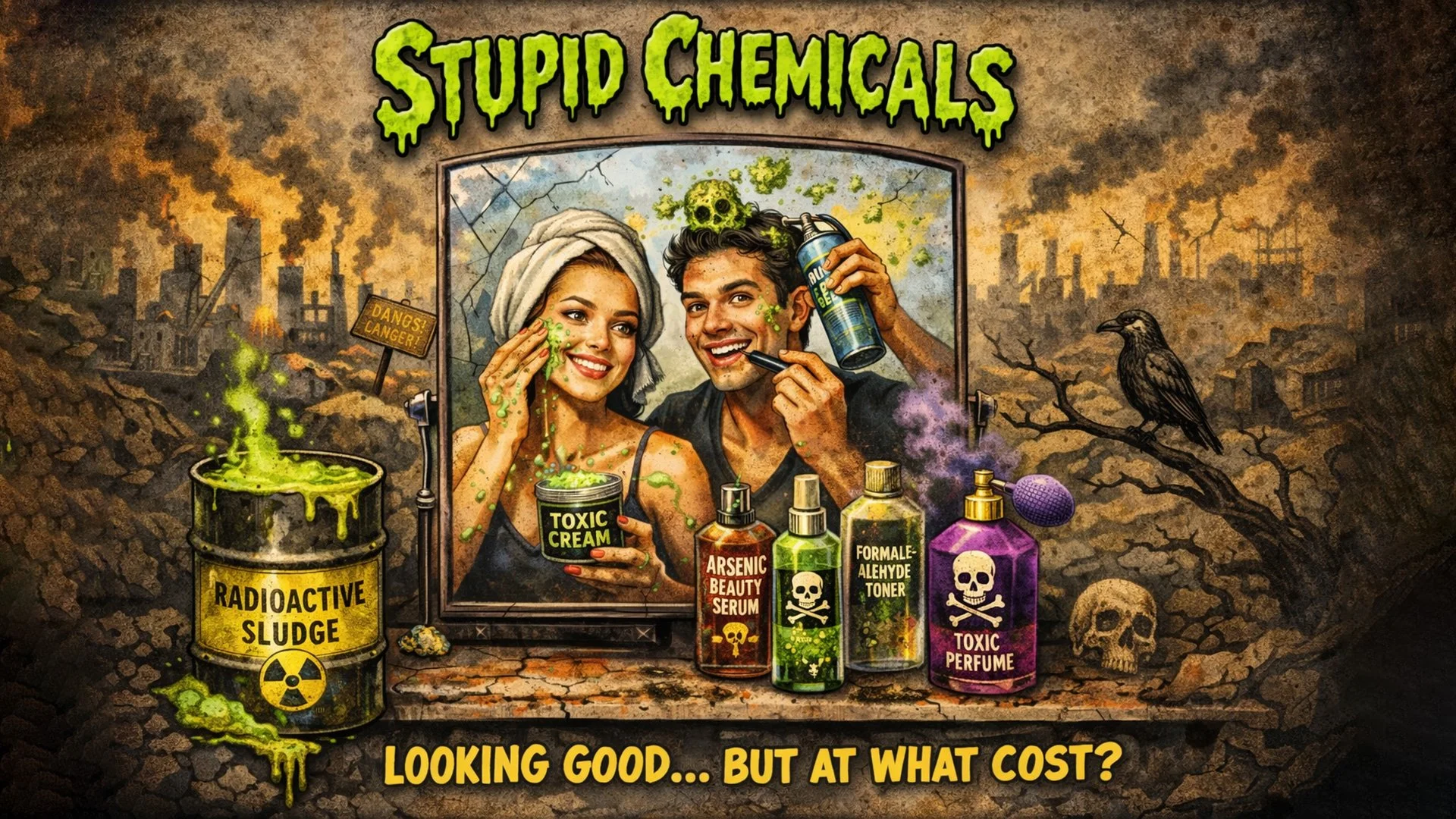
The Chemical Safety Gap: How Incentives Still Outpace Protection
For 20 years, chemical reform promised protection. The system still allows widespread exposure while shifting risk to patients. This analysis explains how incentives, not science, determine what ends up in the products people use every day.
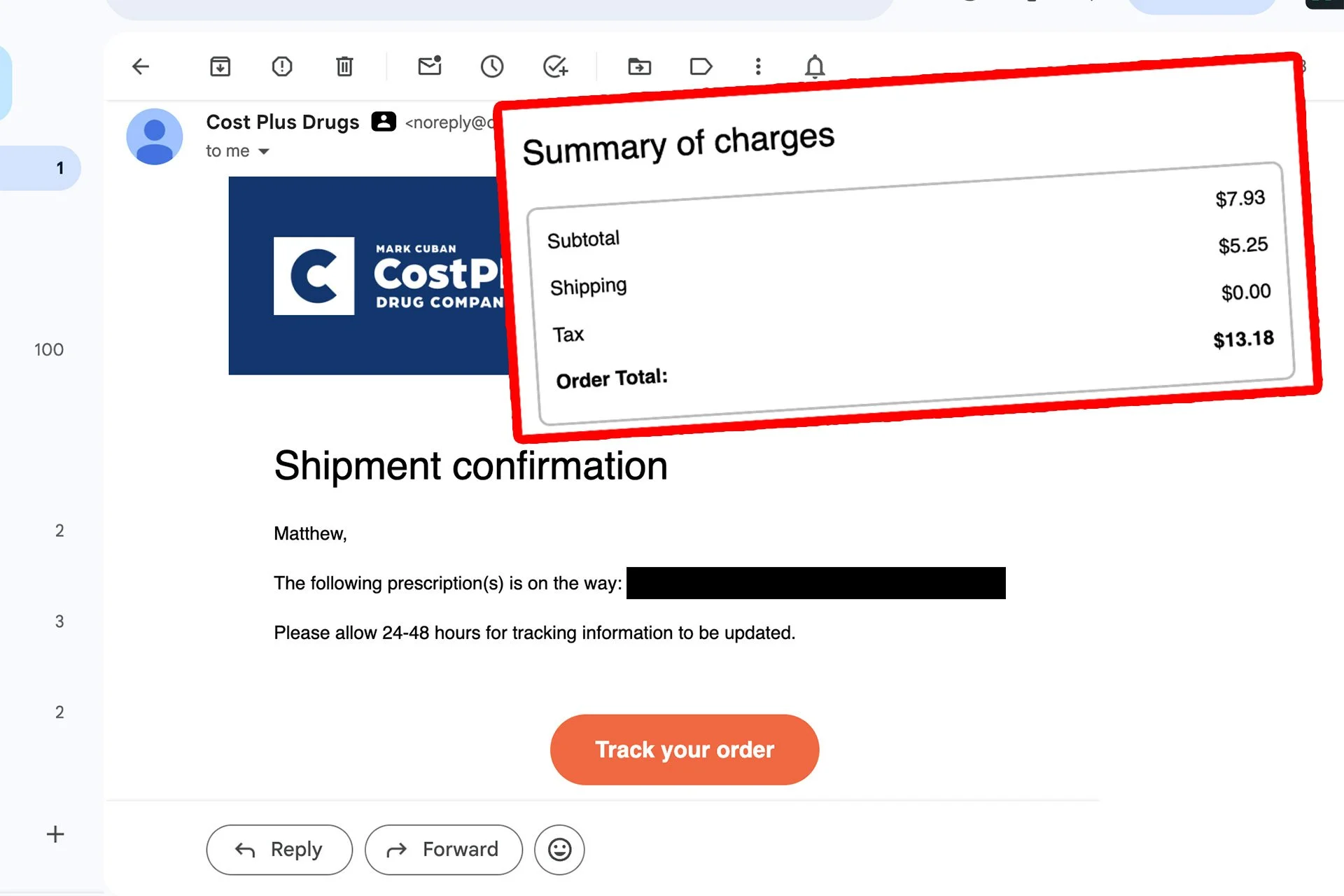
Cost Plus vs Walgreens: My 90 Day Prescription Cost Less Without Insurance
I paid $13.18 for a 90 day prescription through Cost Plus. Walgreens charged $30 with insurance. Same drug. Same supply. This is what PBMs do to pricing and why transparency exposes the middlemen.
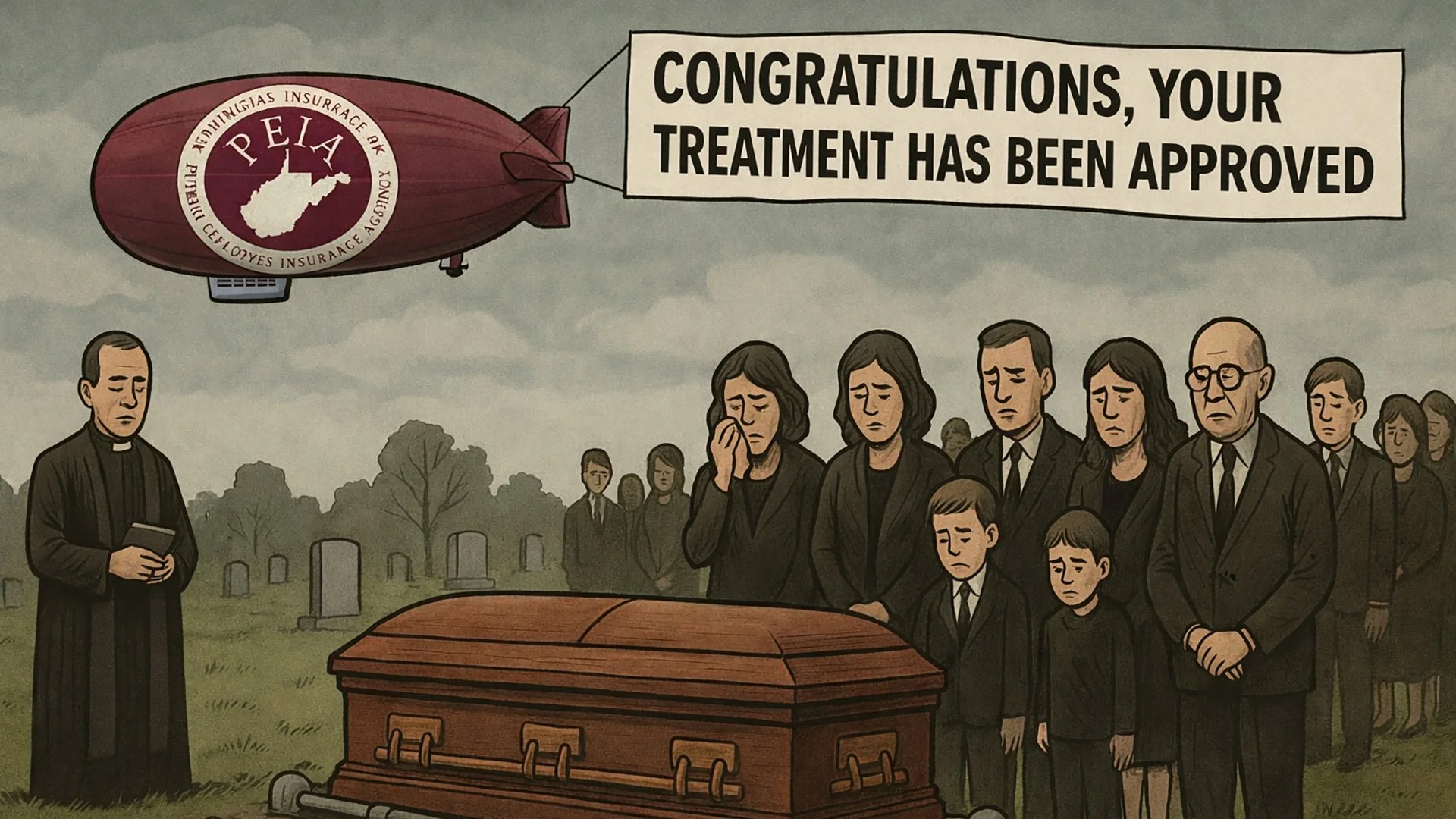
Prior Authorization Works Exactly as Designed and That Is the Problem
Prior authorization persists because it works for the system that created it. This essay explains how cost control, risk management, and delay shape patient outcomes, why reform keeps falling short, and what must change to align financial incentives with timely care.
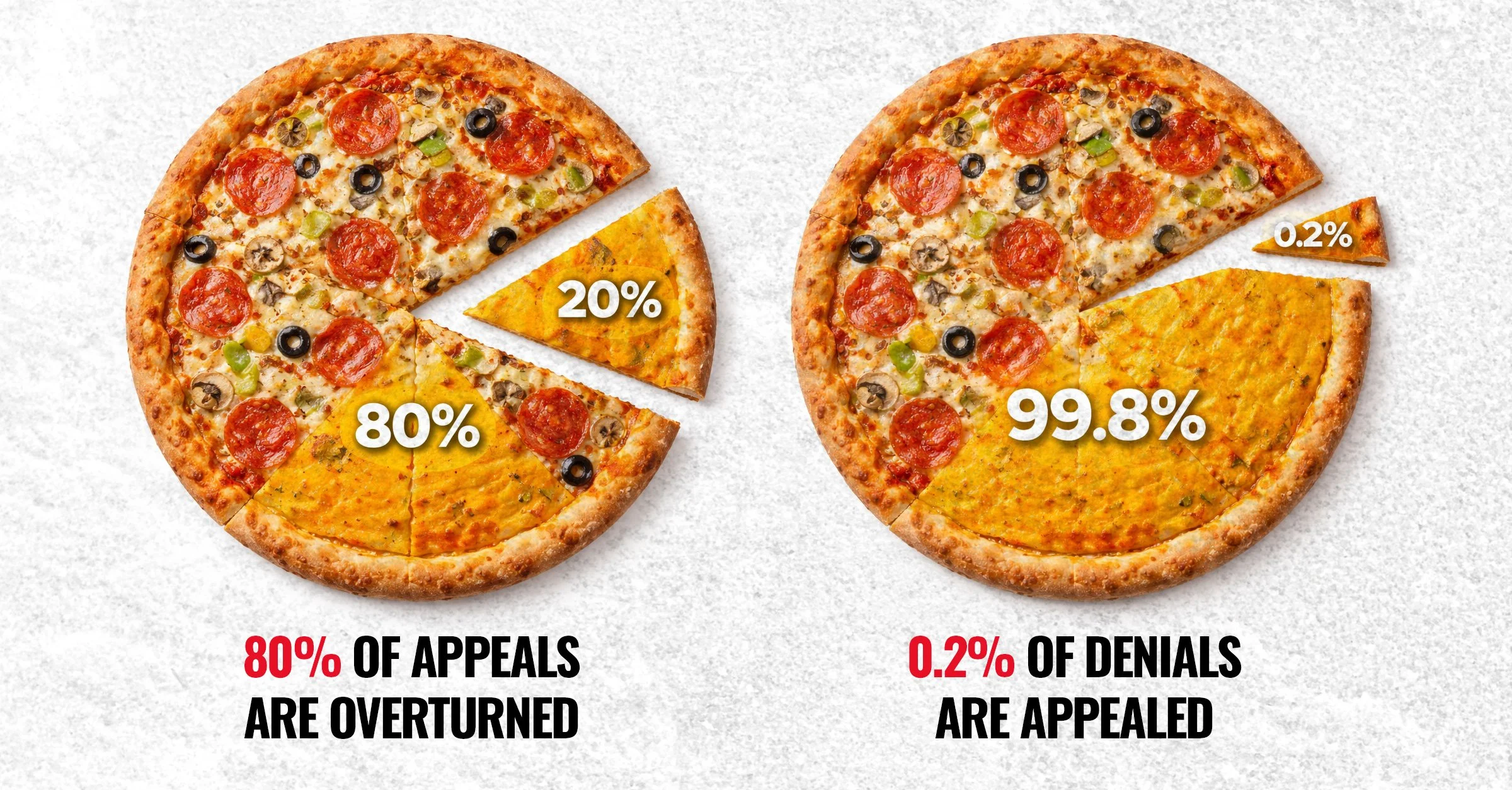
What Happens If More Patients Appeal Insurance Denials?
Only 0.2% of patients appeal insurance denials, yet 80% succeed. This article examines how even small increases in appeals could shift insurer behavior, raise costs, influence Wall Street expectations, and reshape the economics of American healthcare.

Why American Healthcare Delays Care and Denies Treatment
American healthcare delays care and denies treatment by design. Insurance rules, prior authorization, and administrative barriers control access to care, often slowing or blocking what doctors recommend and patients need.
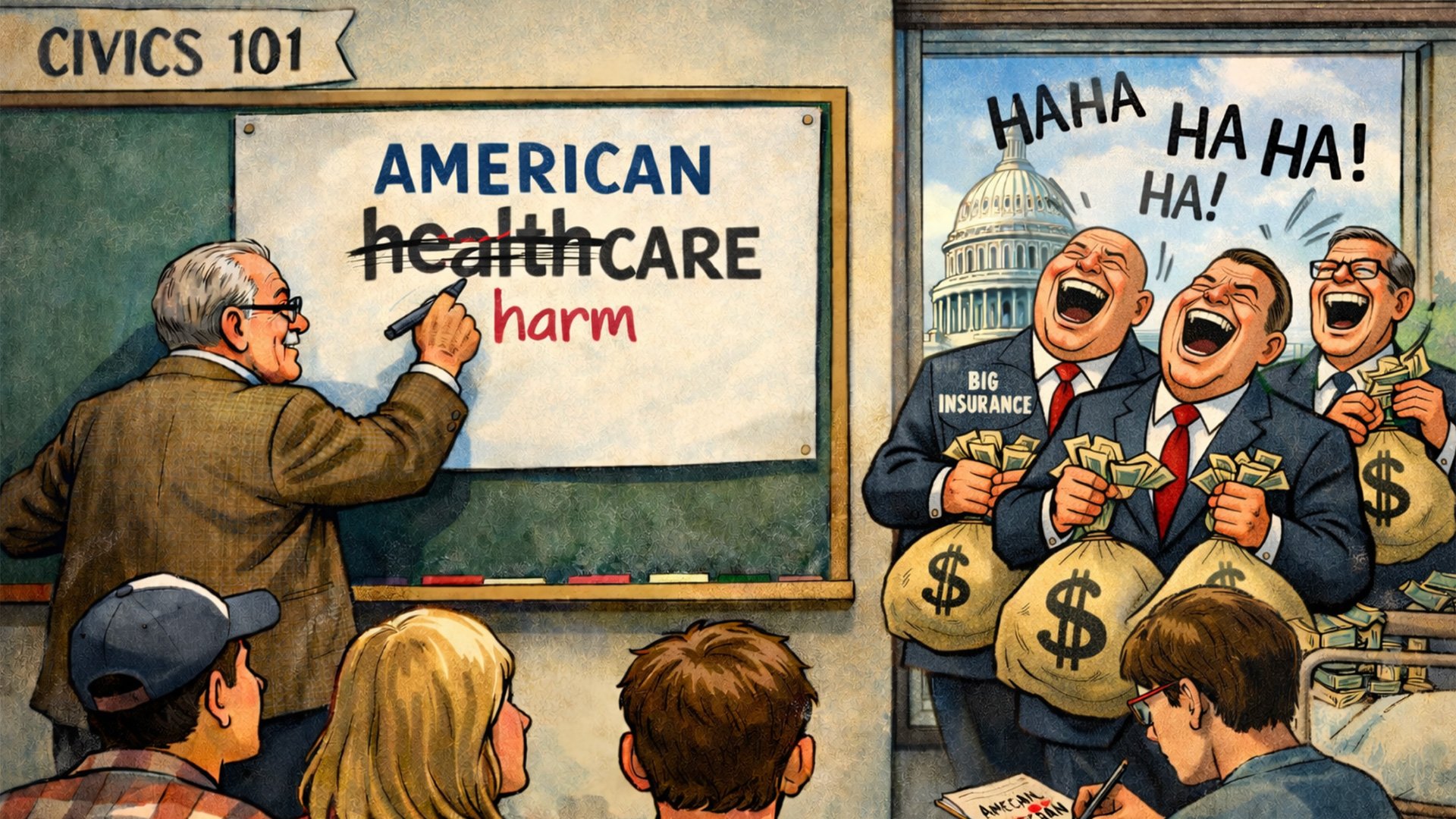
American Harmcare: The System Working Exactly As Designed
A 30 year brain cancer survivor breaks down how insurance delays, denials, and red tape harm patients by design. This is not dysfunction. This is the business model.
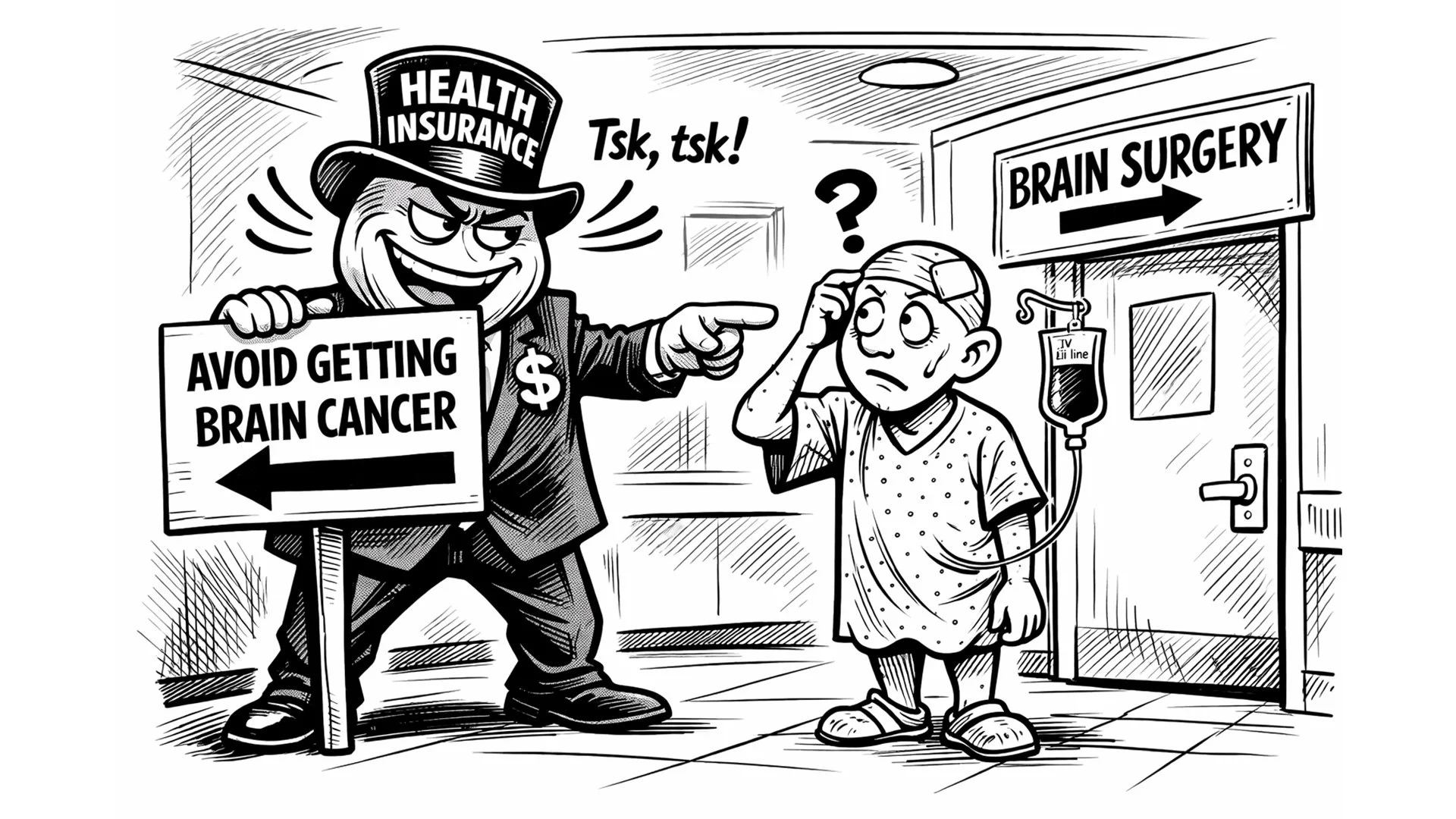
When an Insurer Calls Your Treatment Investigational and the Alternative Is Brain Surgery
When an insurer labels trigeminal nerve blocks investigational, patients may face brain surgery instead. This essay examines how coverage policy, coding decisions, and actuarial incentives shape care for trigeminal neuralgia and what must change to align patient protection with economic logic.
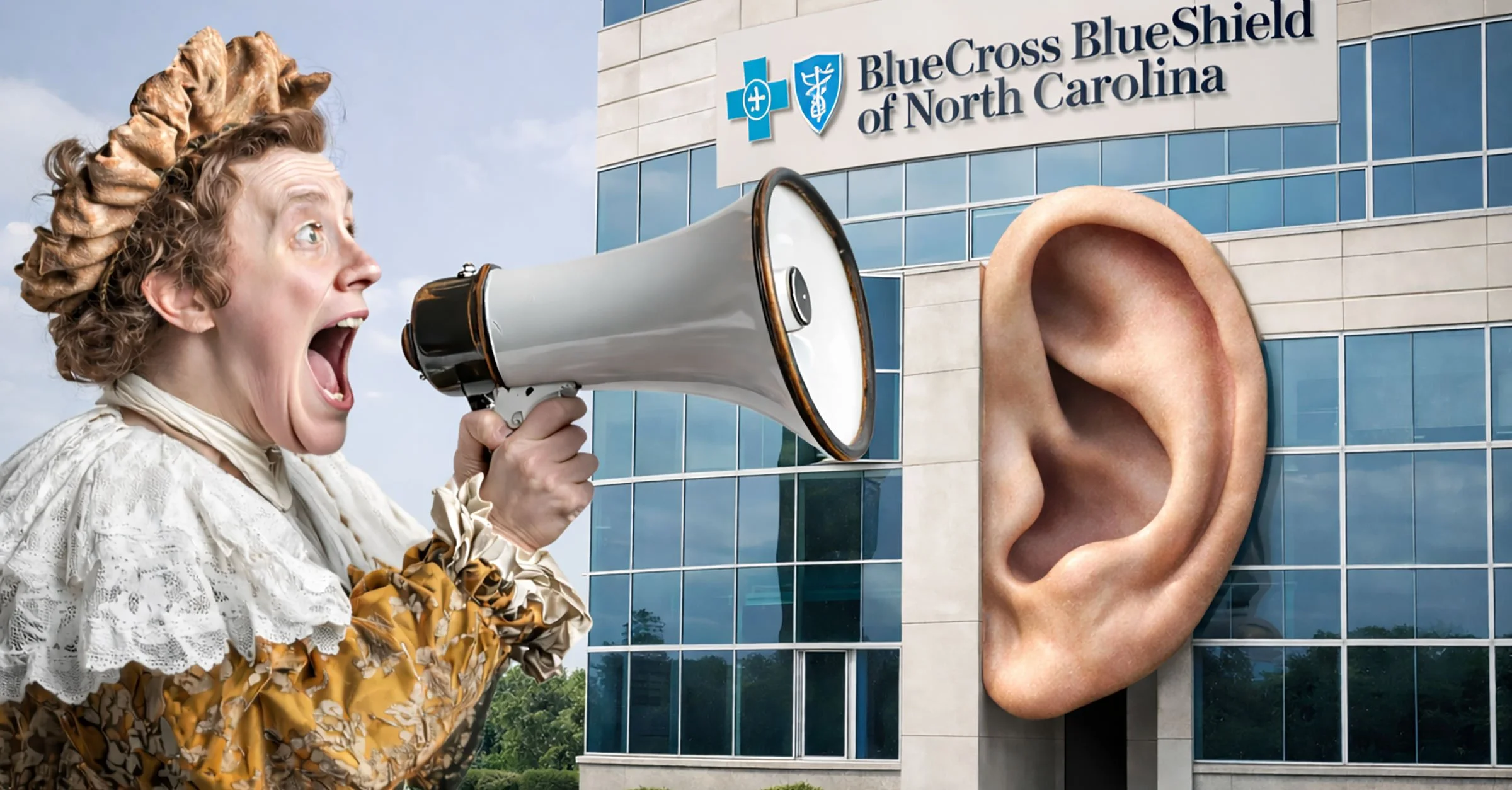
Patients Should *NOT* Have To Write Policy Briefs
Sally Neely Nix manages chronic pain with nerve block injections. No opioids. Her insurer calls them experimental. So she built a policy brief and sent it to the CEO. While in extreme pain. Patients shouldn't have to become researchers to access care that works.
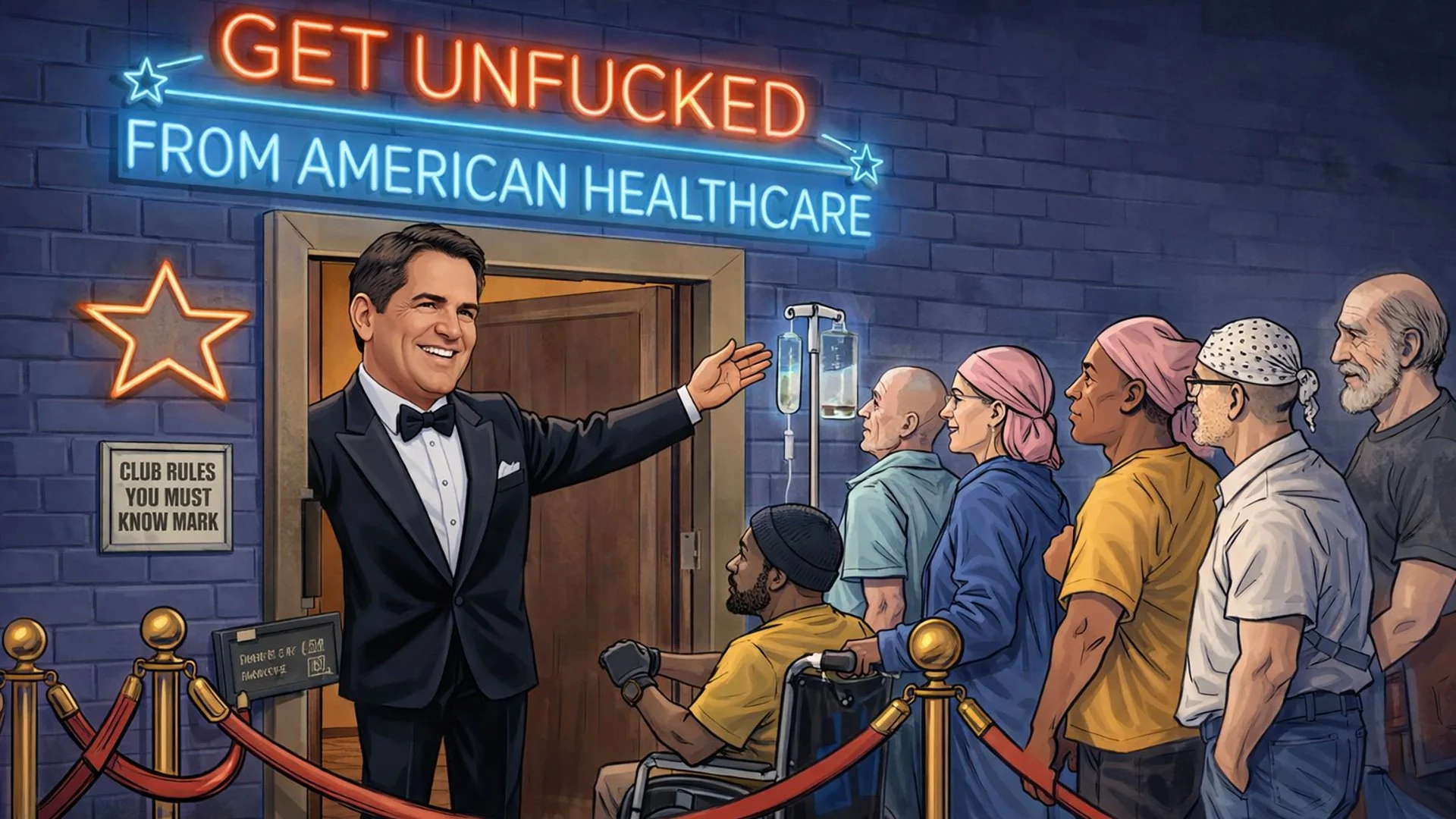
An Open Letter (Again) to Mark Cuban on Behalf of American Patients
Mark Cuban walked into the Senate with spreadsheets and receipts. He called PBMs a cartel. He saved Medicare $2 billion. But math doesn't show up at town halls. Receipts don't vote. Here's the hole in his equation and an invitation to fix it.
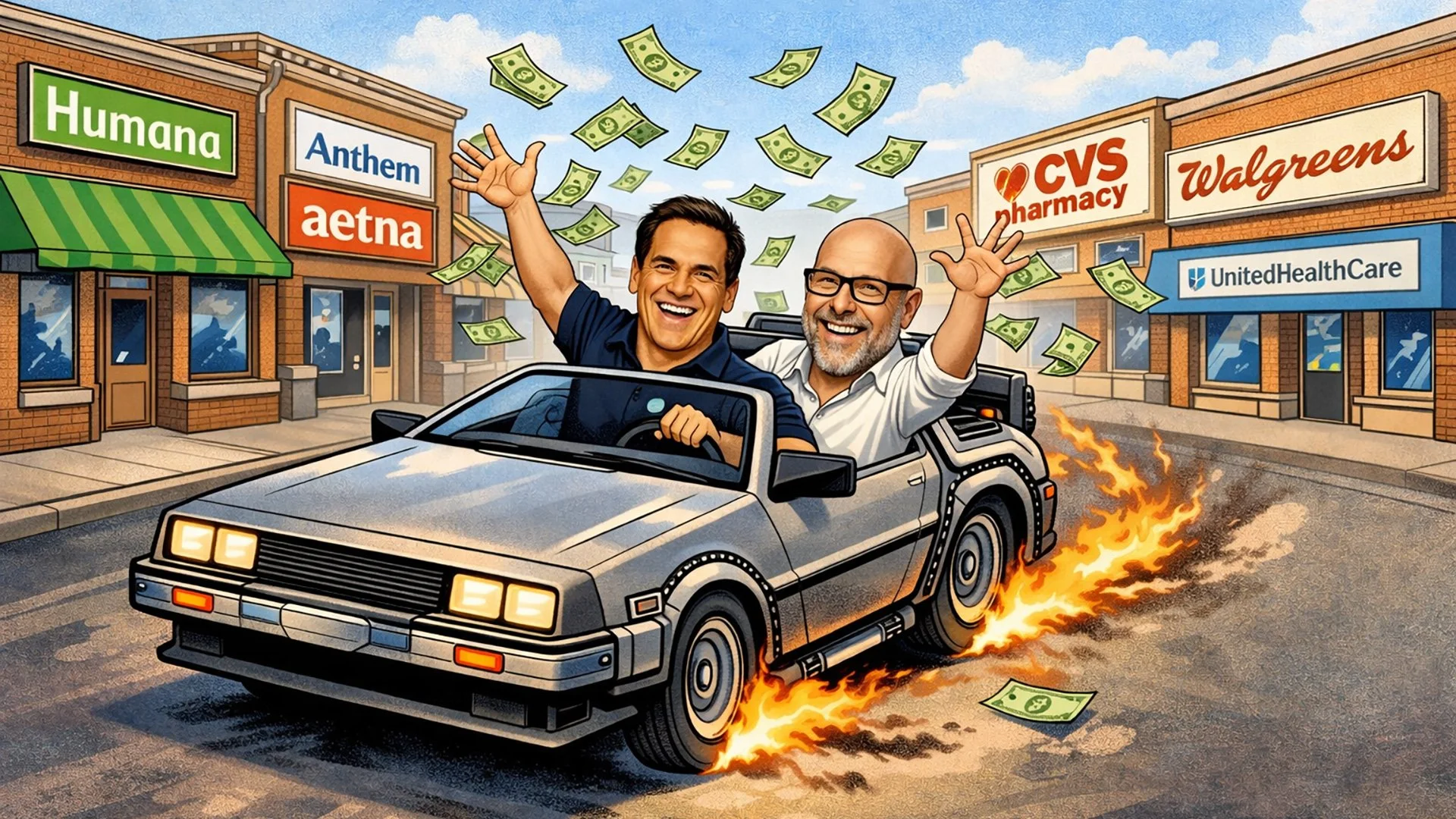
Mark Cuban Wants to Take Us Back To 1955
Mark Cuban exposes PBM corruption and champions transparent drug pricing. He is right about generics. He is wrong about cash solving catastrophic care. A brain cancer survivor explains why $12 prescriptions and $960,000 transplants live in different universes.

$1.7 Trillion Dollars. $54 Billion in Profits, 10 Million Fewer People.
In 2025, seven insurers generated $1.7 trillion in revenue and $54 billion in profit while covering 10 million fewer people. Premiums hit $26,993 for families. Public funding expanded. Consolidation deepened. The incentive structure driving American health insurance stands exposed.
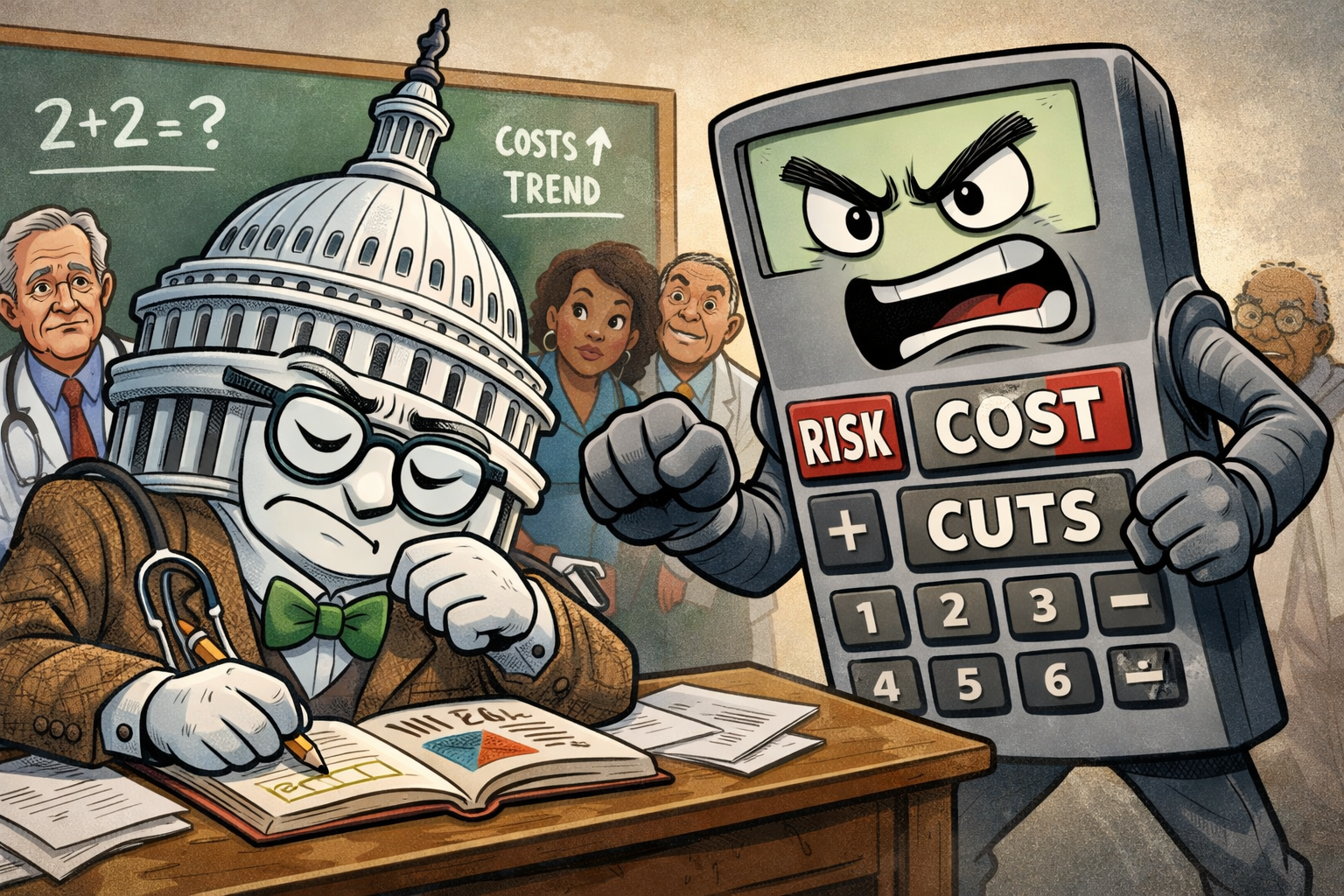
Medicare Advantage Works Until the Math Changes
UnitedHealth dropping Medicare Advantage plans for 600000 beneficiaries exposes a structural flaw in how private insurers manage public healthcare risk as costs from emergency care and specialty drugs accelerate faster than payment models can adjust.
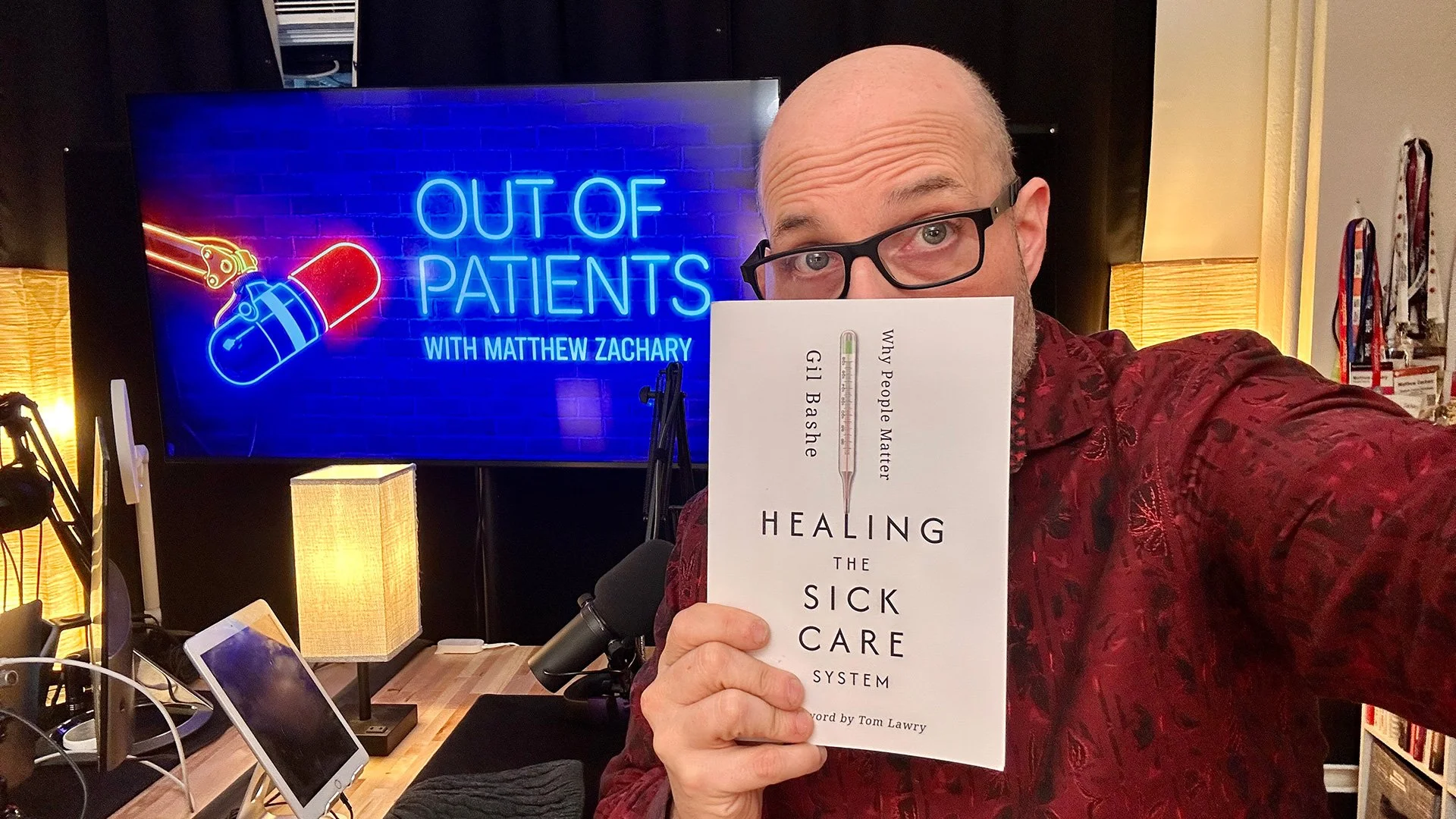
Healing The Sick Care System
A personal reflection on Gil Bashe’s Healing the Sick Care System and the growing revolt against insurance driven harm. From hospital memories to national accountability, this piece calls out who holds the wheel and why 2026 signals the rise of the patient voter bloc.
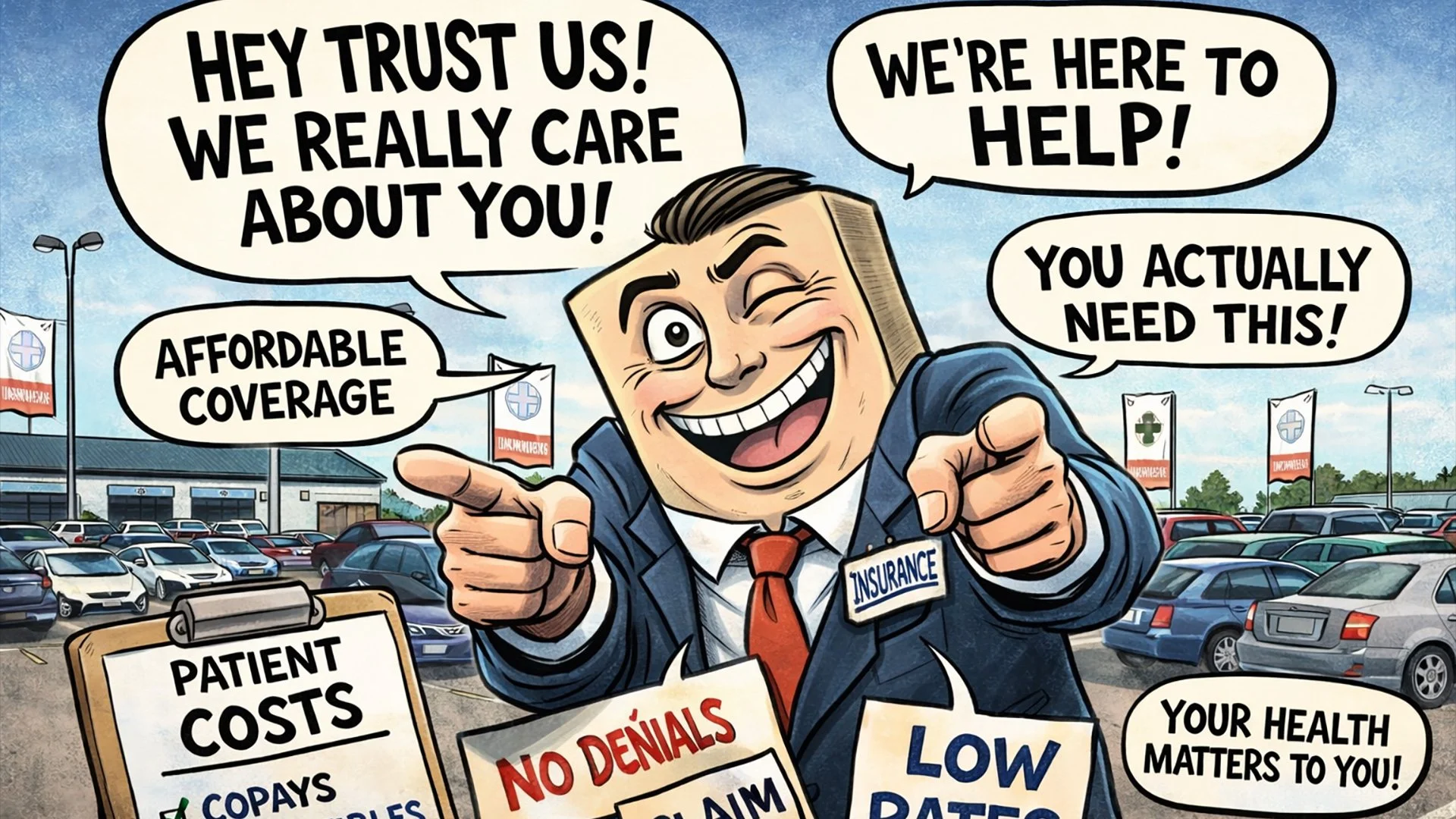
The Health Insurance Industry is the new Joe Isuzu #TrustMe
Blue Cross Blue Shield says insurers protect patients from high drug prices. The real world shows delays, denials, and blame shifting while patients wait, appeal, and deteriorate. A closer look at how insurers deflect responsibility in the drug pricing debate.
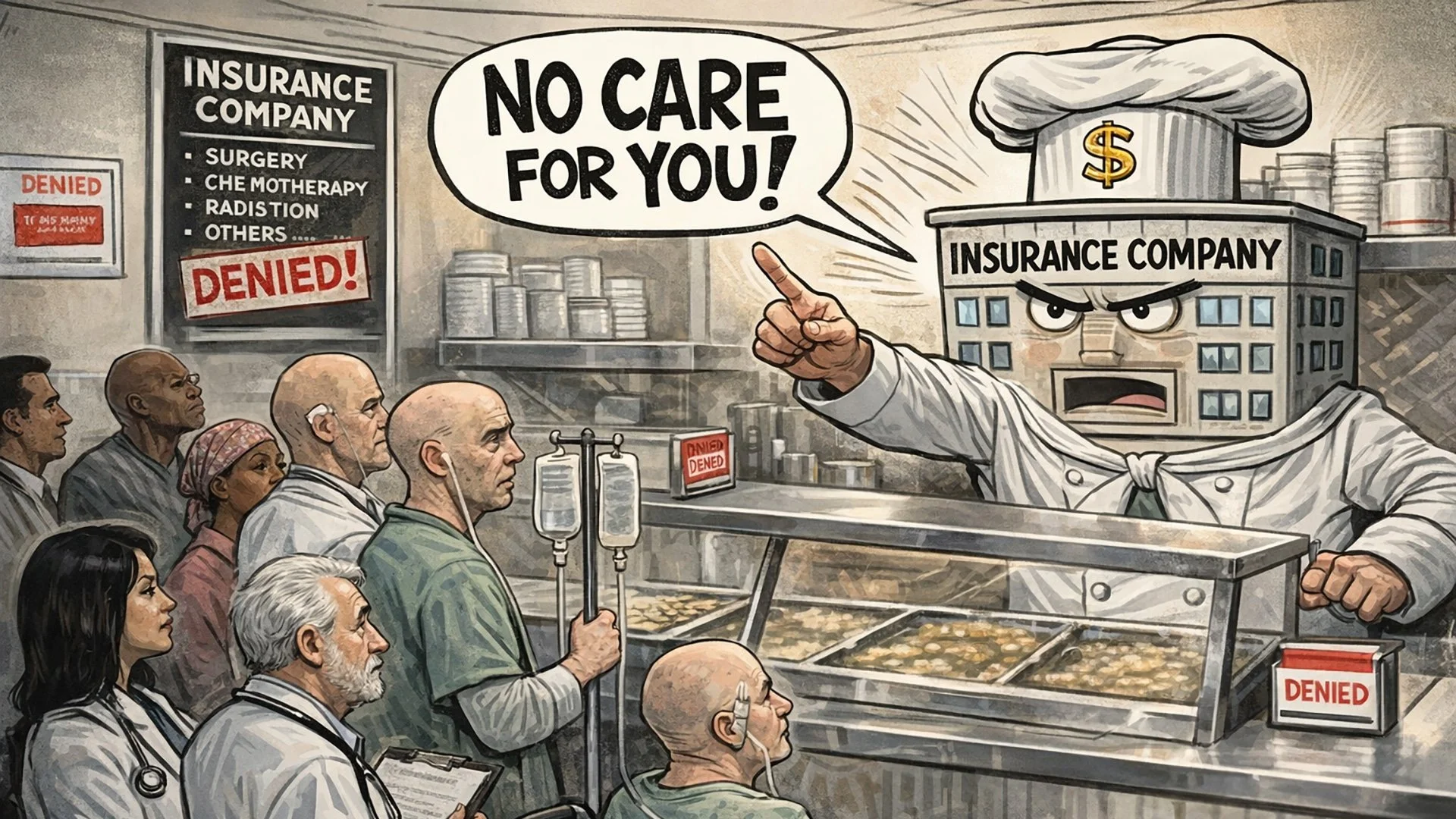
No Care For You!
A new KFF poll shows prior authorization now ranks as the biggest burden in American healthcare. Delays and denials affect nearly half of insured adults, with severe mental, financial, and physical consequences. Patients across every plan agree.
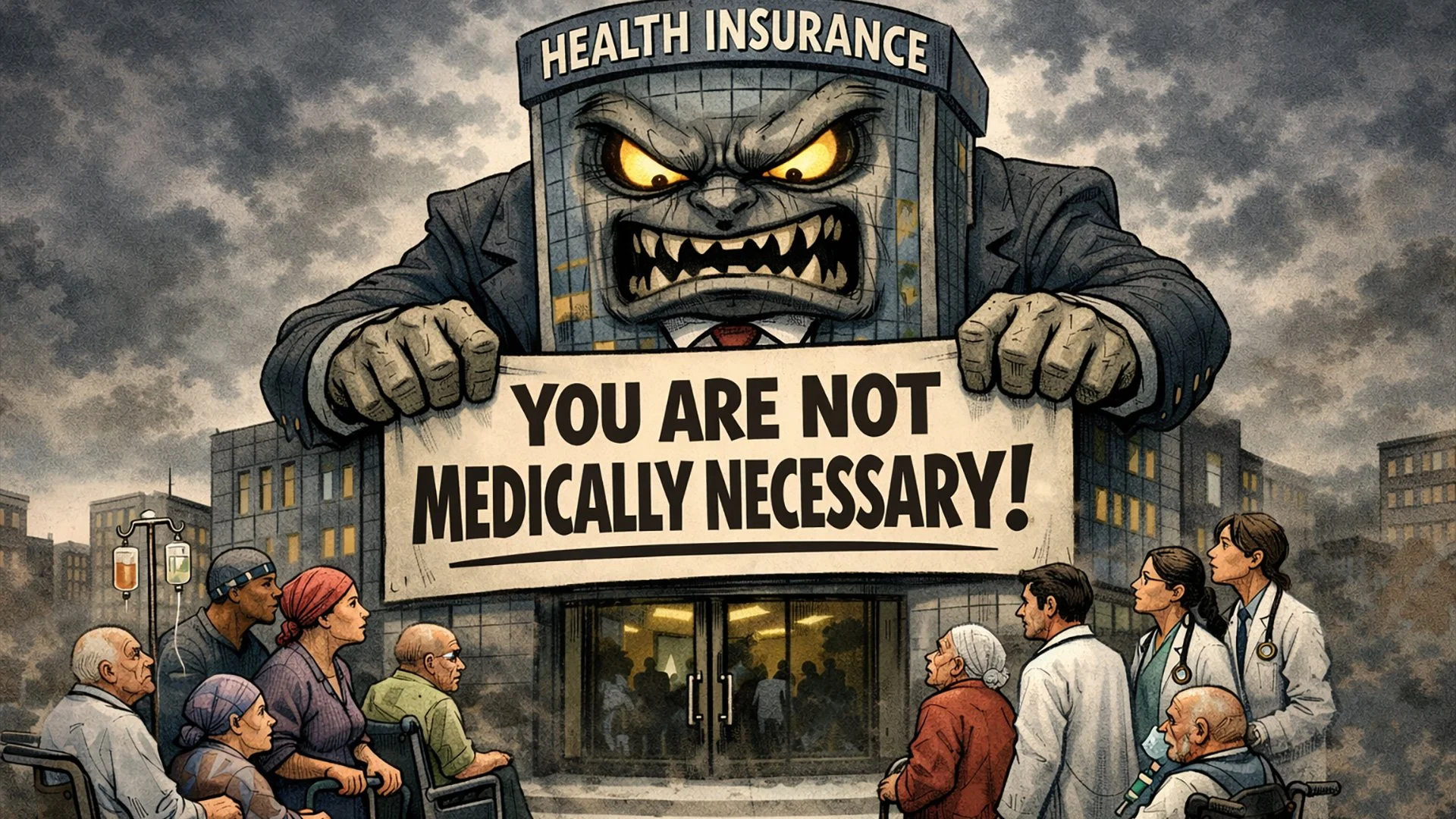
You Are NOT Medically Necessary
Health insurers turned “medically necessary” into a denial weapon. This article breaks down how coverage policies, anonymous medical directors, and financial incentives allow insurers to override doctors and block cancer care, then outlines concrete fixes that could shut the system down.
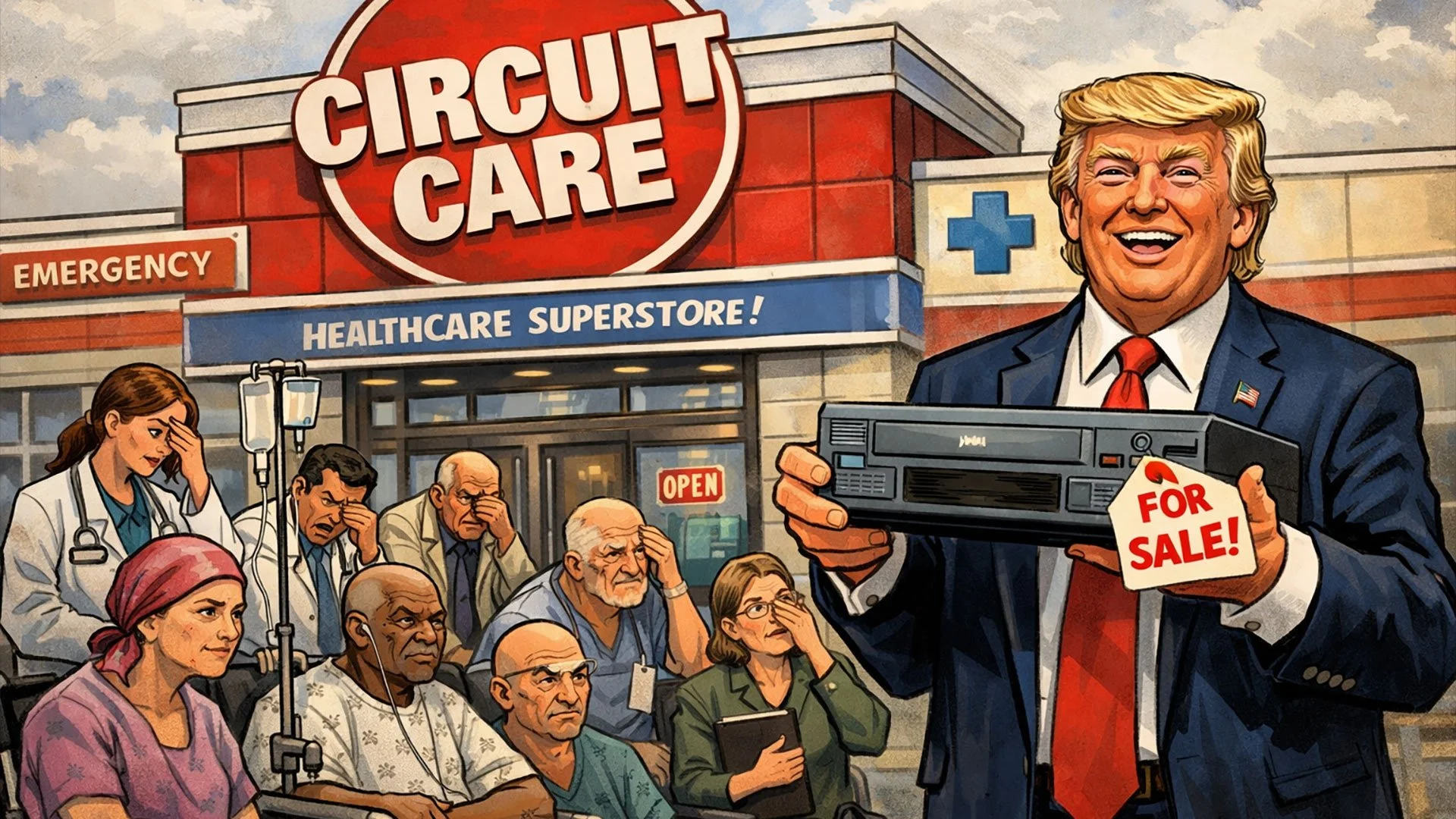
Freedom to Go Broke
After surviving brain cancer at 21, Matthew Zachary examines how modern healthcare policy repackages risk as freedom. From cash subsidies to math free promises, this essay exposes why consumer style healthcare fails the moment illness enters the room.
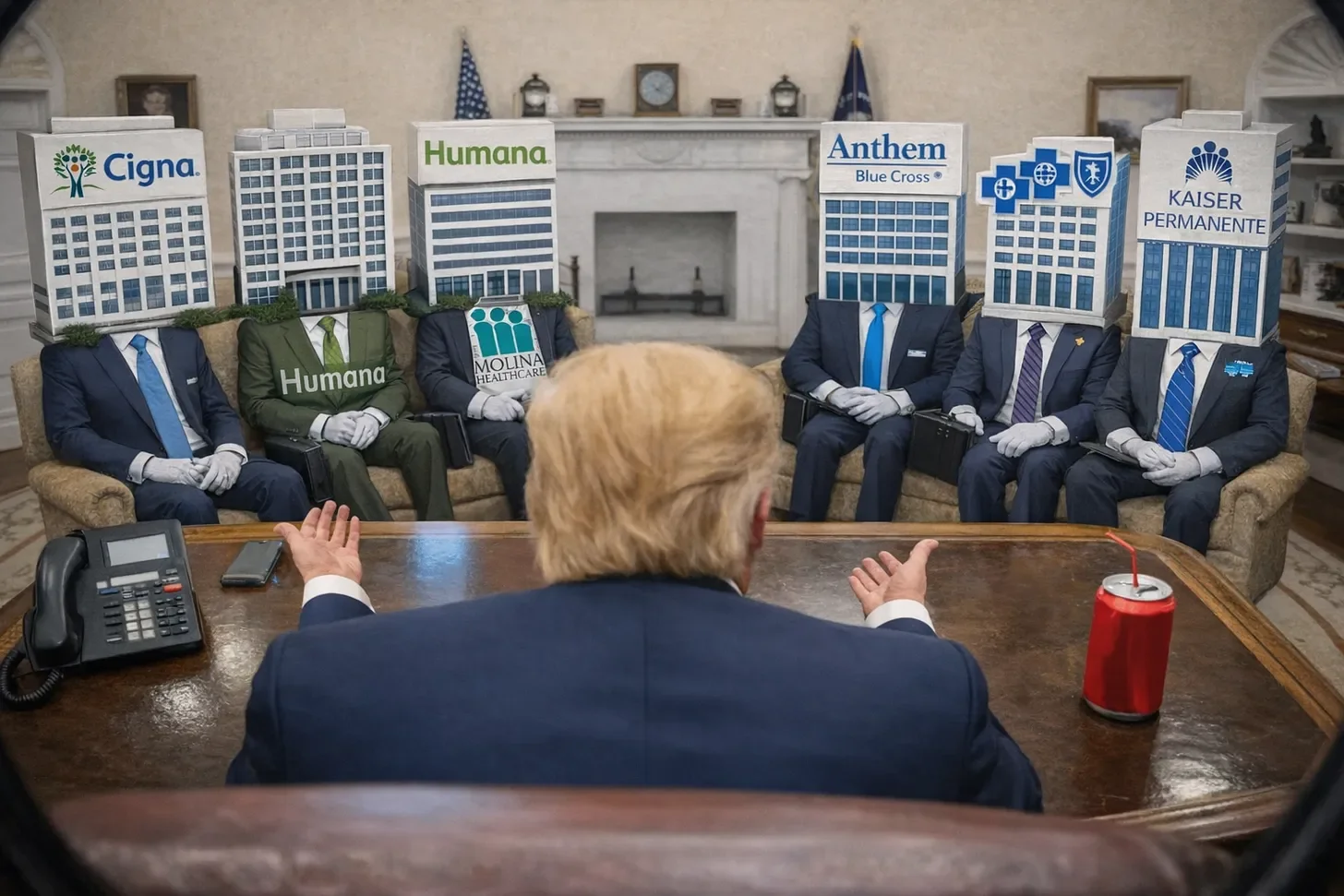
Trump's Meeting With Insurers Is Already Over Before It Starts
24 million Americans watched premiums double overnight. Now Trump plans to pressure insurers who banked $543 billion in profits over a decade. The solution? HSAs—which create new revenue streams for the same industry while shifting costs onto patients who already can't afford care. This isn't reform.

Out of Patients?
Join the recurring Out of Patients dispatch from Matthew Zachary covering the latest American healthcare shenanigans. Essays, podcast episodes, media appearances, book updates, and live events delivered with a sardonic Gen X perspective from a patient who simply refuses to shut up.
Get the dispatch