
Out of Patients
with Matthew Zachary
Welcome to 2026: The Year of the Patient where the sick shall inherit the ballot.
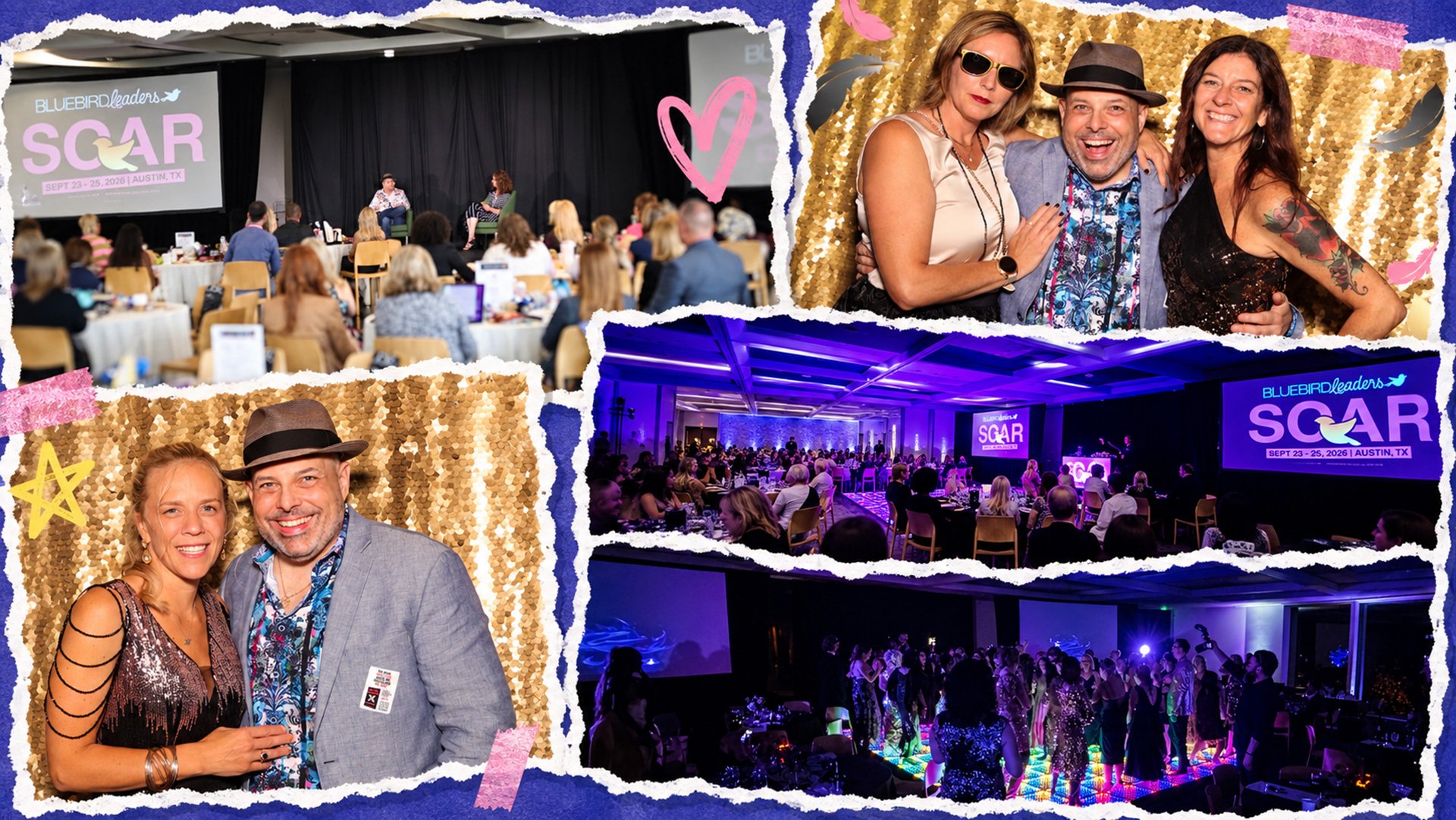
The Y-Chromosome Patient at the Women’s Health IT Conference
I spent 3 days at a conference for women in Health IT despite lacking the professional credentials and approximately half the necessary chromosomes. I came home thinking differently about healthcare insiders, patient communities, and one surprisingly consequential pronoun.
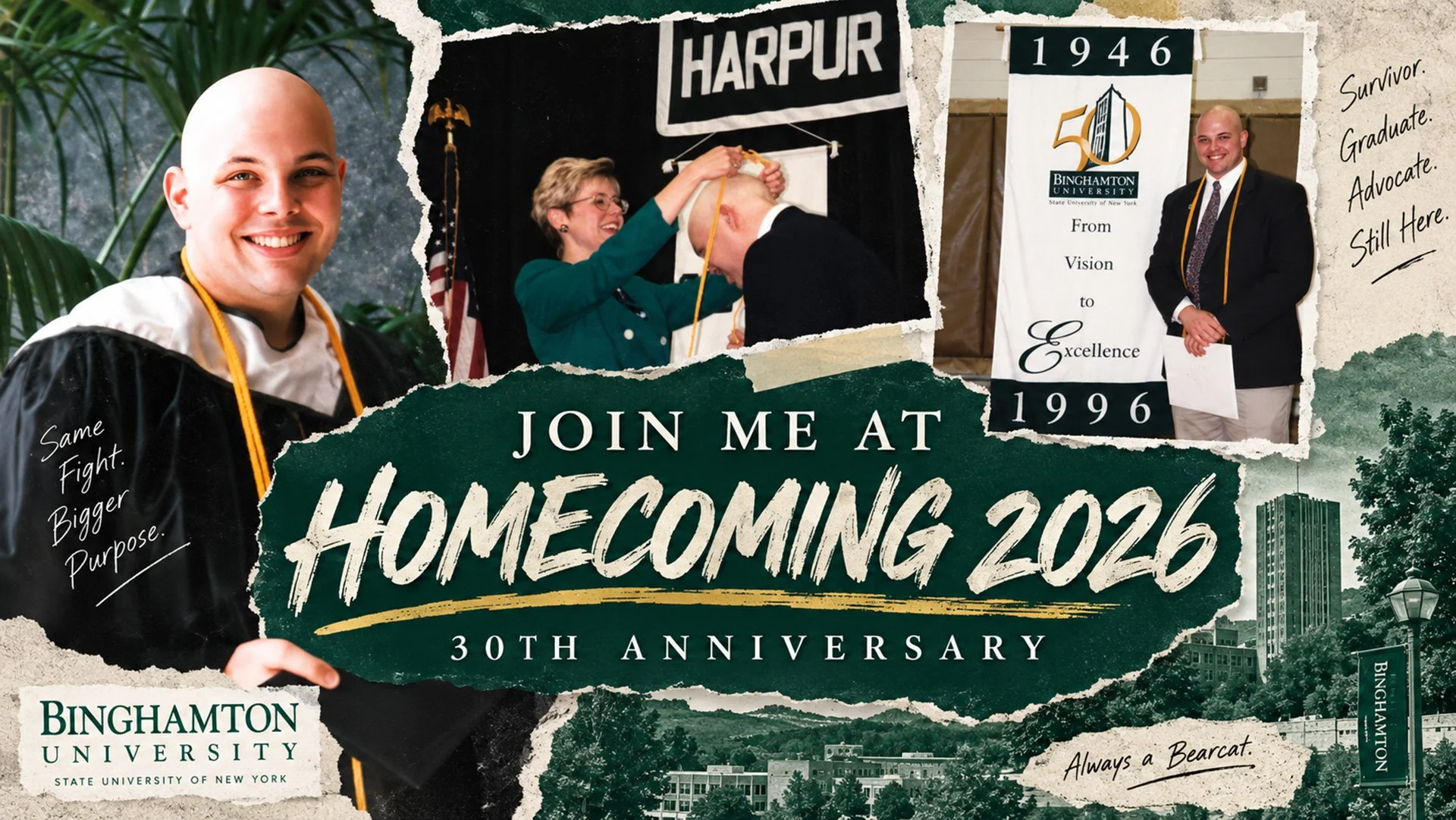
Thirty Years Later, I’m Going Home
In 1996, I graduated from Binghamton University at 21 while going through brain cancer treatment, with no idea what came next. 30 years later, I’m going home. A reflection on cancer, music, survival, and the extraordinary amount of ordinary life that happened in between.
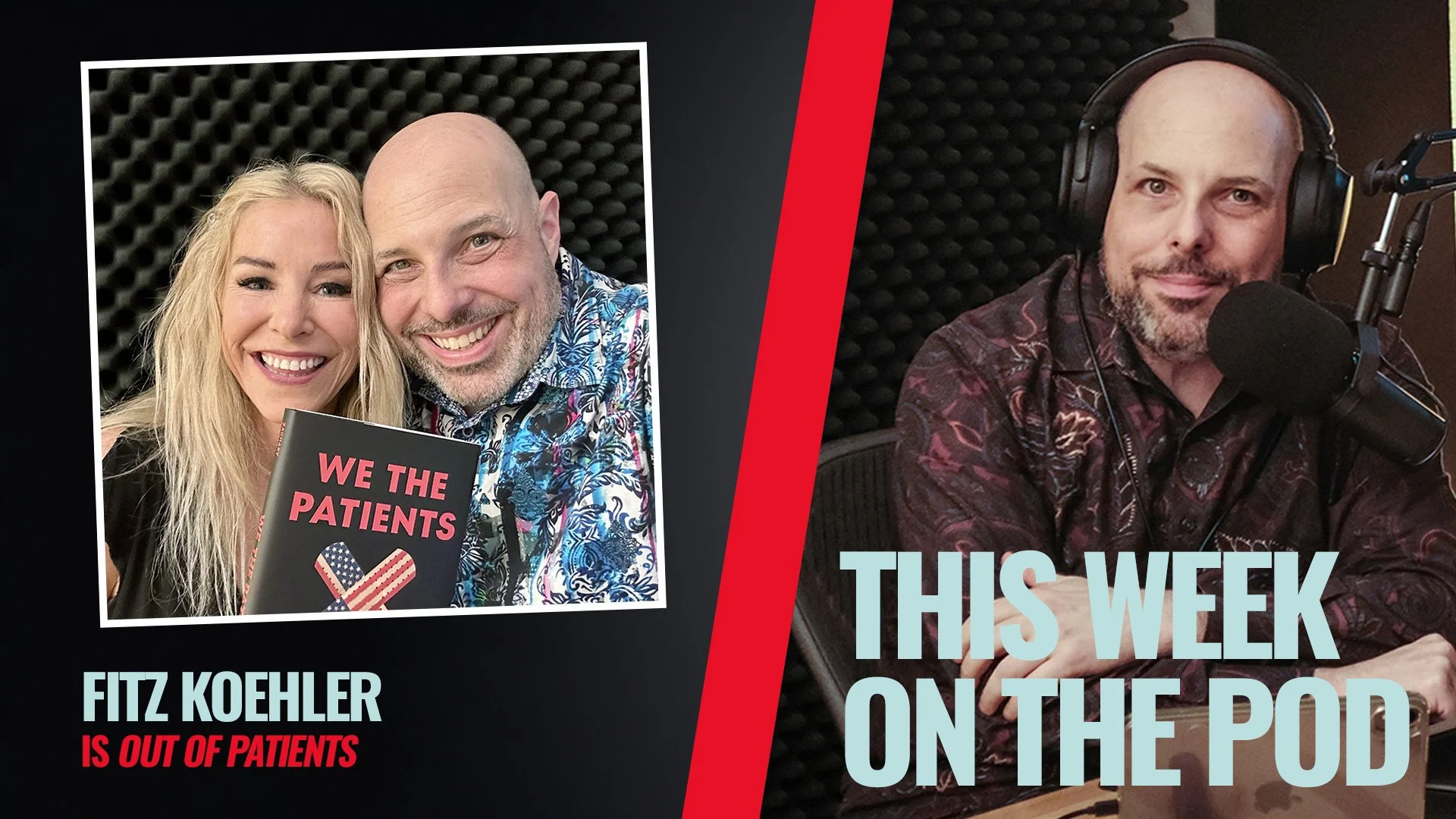
Out of Patients EP456: Fitz Happens: The Marvelous Fitz Koehler
Fitness expert Fitz Koehler did everything “right” and still got breast cancer. She joins Out of Patients to talk exercise oncology, survivorship, wellness snake oil, and why fitness cannot prevent every diagnosis but can help prepare the body for what comes next.
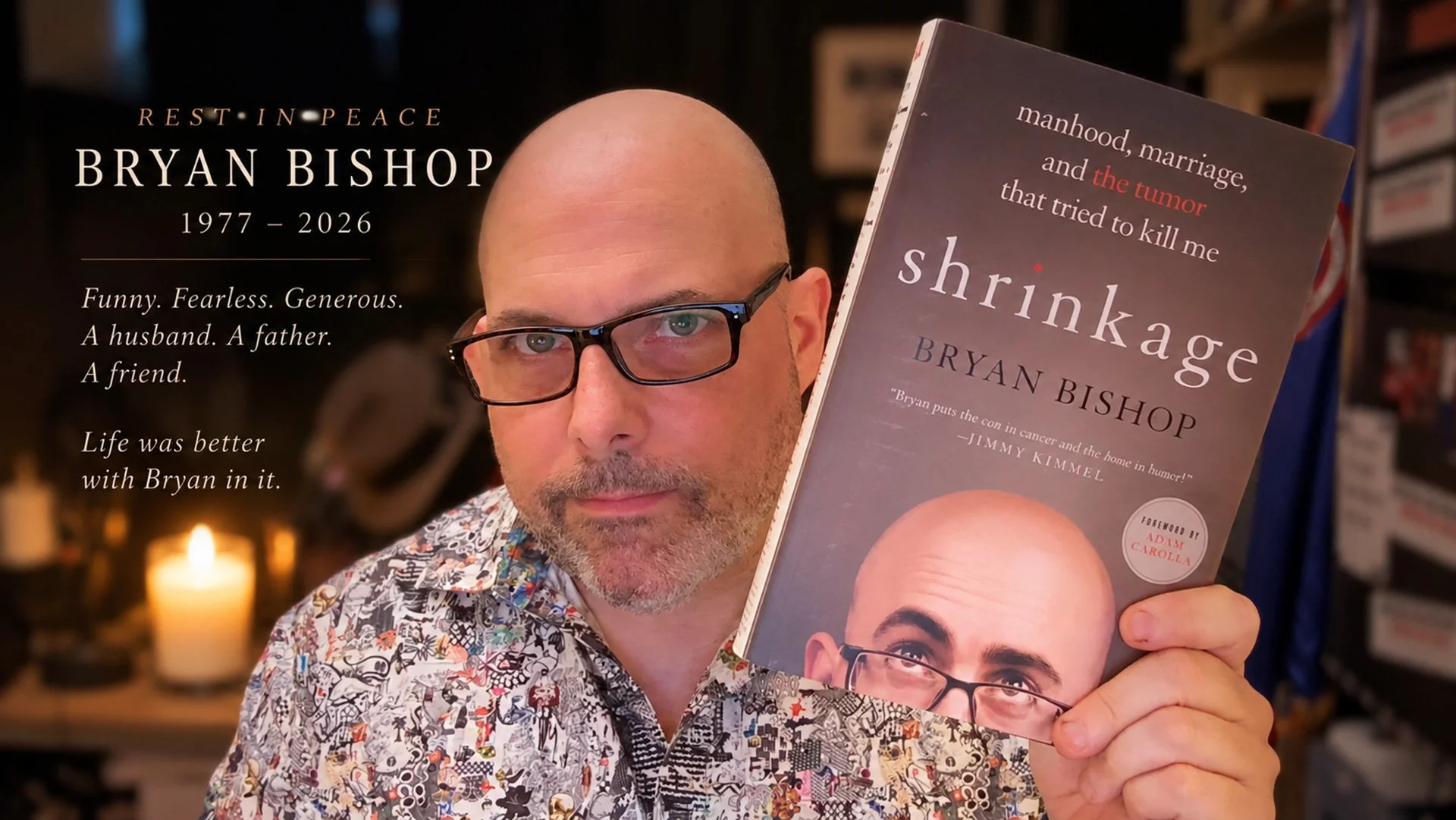
An Ode to My Bald Brother: Remembering Bryan Bishop
Bryan Bishop and I bonded over brain cancer, bald heads, microphones, dark humor, and being two Jews who refused to let cancer become our personalities. Fourteen years after one unforgettable conversation, I went back to hear his voice again. This is for my bald brother.
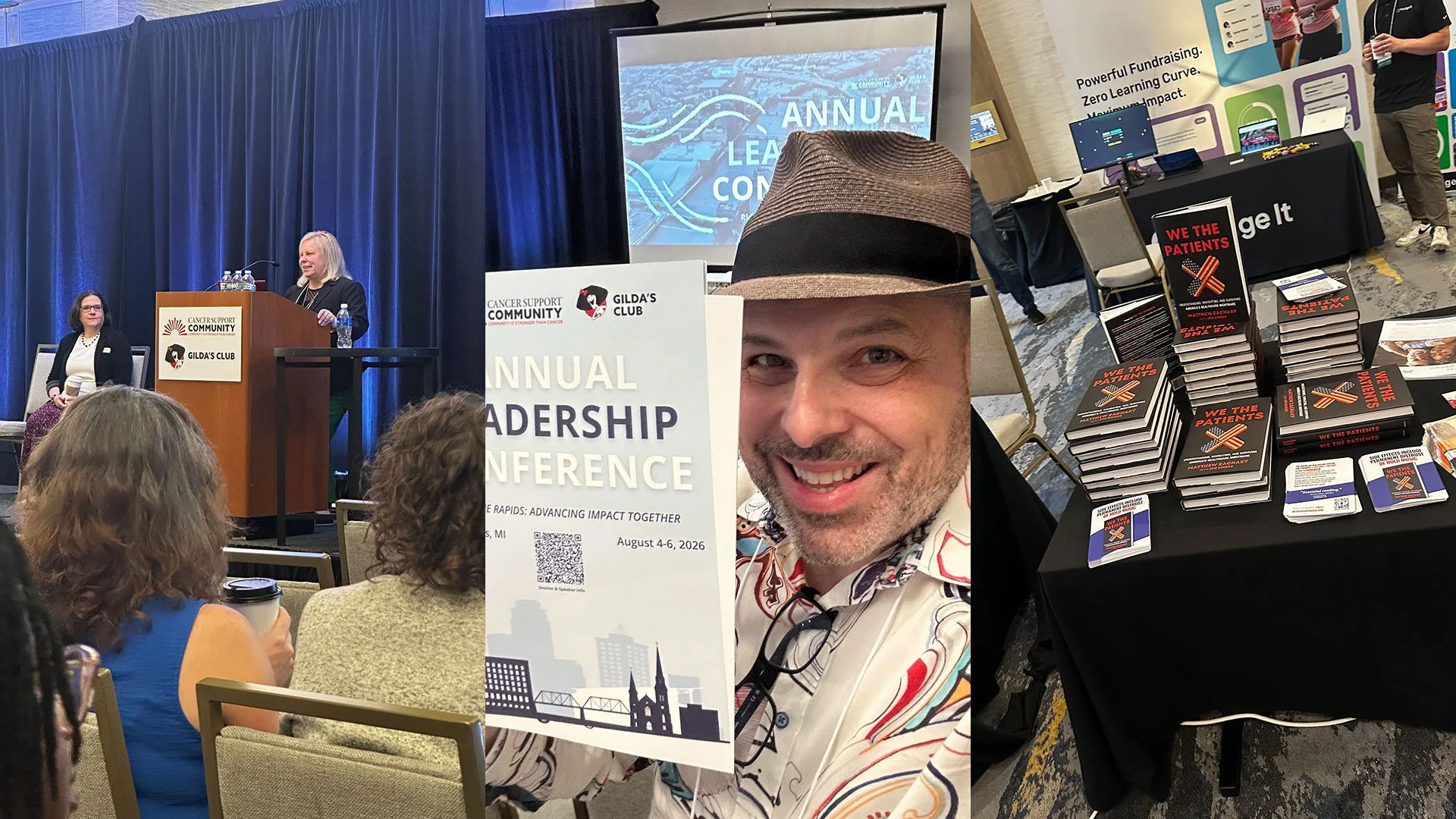
Someone Left the Light On: An Ode to the Cancer Support Community
Thirty years ago, I walked into Gilda’s Club and the Wellness Community as a 22-year-old brain cancer survivor looking for people who understood. I recently returned to its successor, Cancer Support Community, and finally understood what those rooms, and the people who kept them open, had given me.
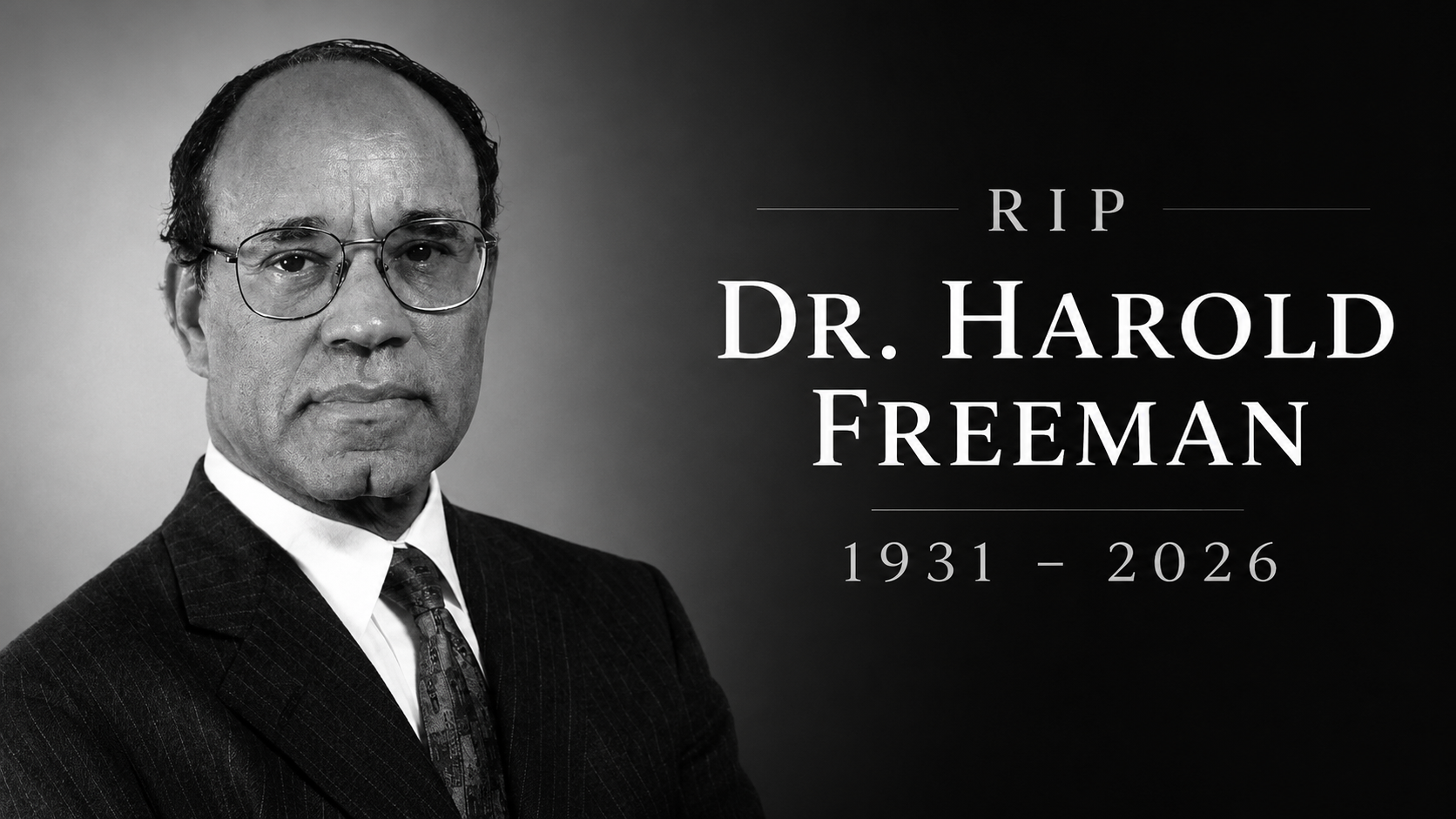
Someone Had To Clear The Road: Eulogizing Dr. Harold Freeman
Dr. Harold Freeman saw poor Black women dying of breast cancer in Harlem and asked why. His answer helped create patient navigation and permanently changed cancer care. A personal remembrance of a pioneer whose road millions still travel today.
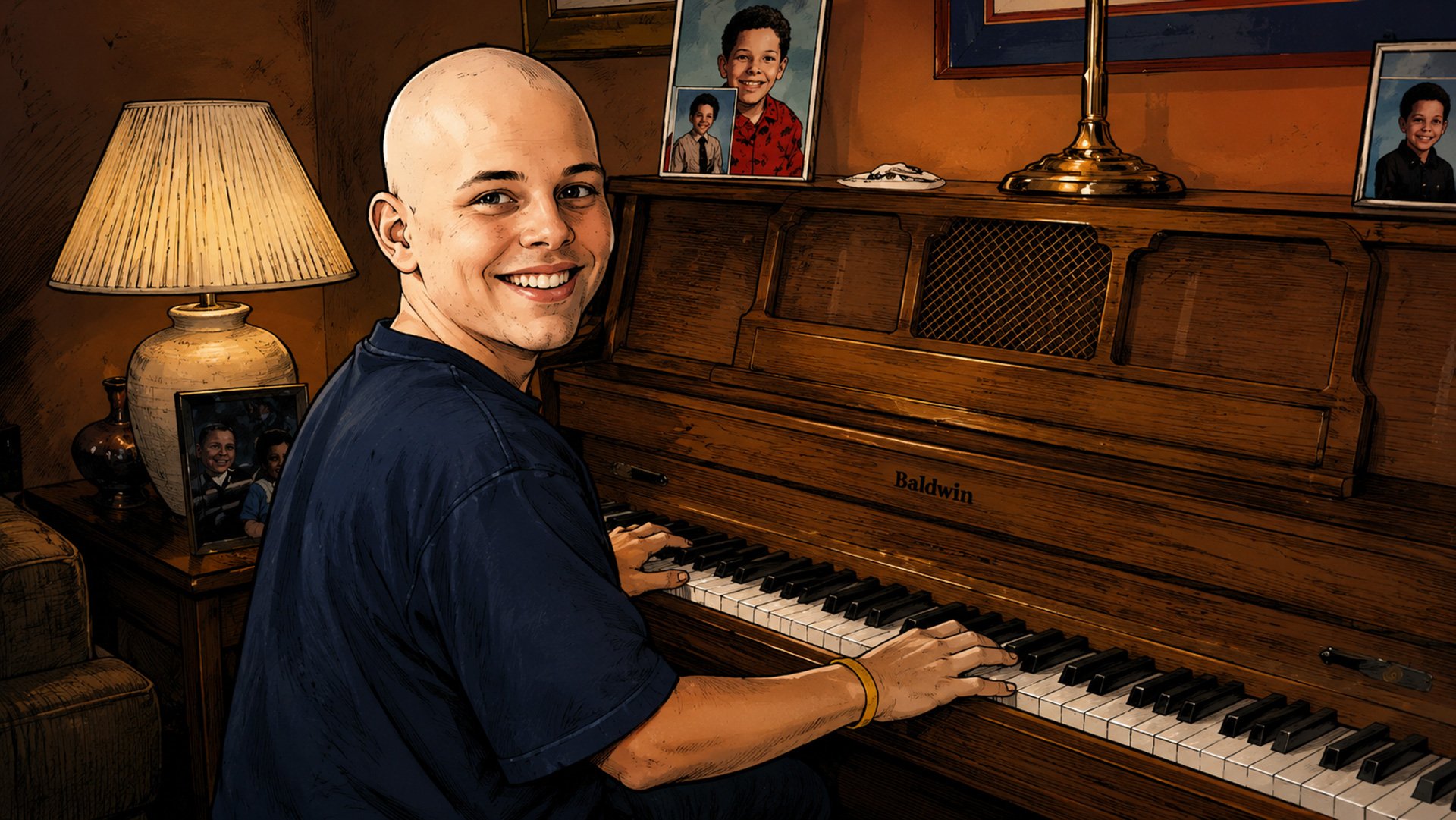
I Could Play: Behind We the Patients | Story 4 of 5
When I came home from brain surgery at 21, I went to the piano. I needed to know whether my left hand still worked. Medicine could measure whether the surgery succeeded. I had a different question: did the life being saved still feel like mine?
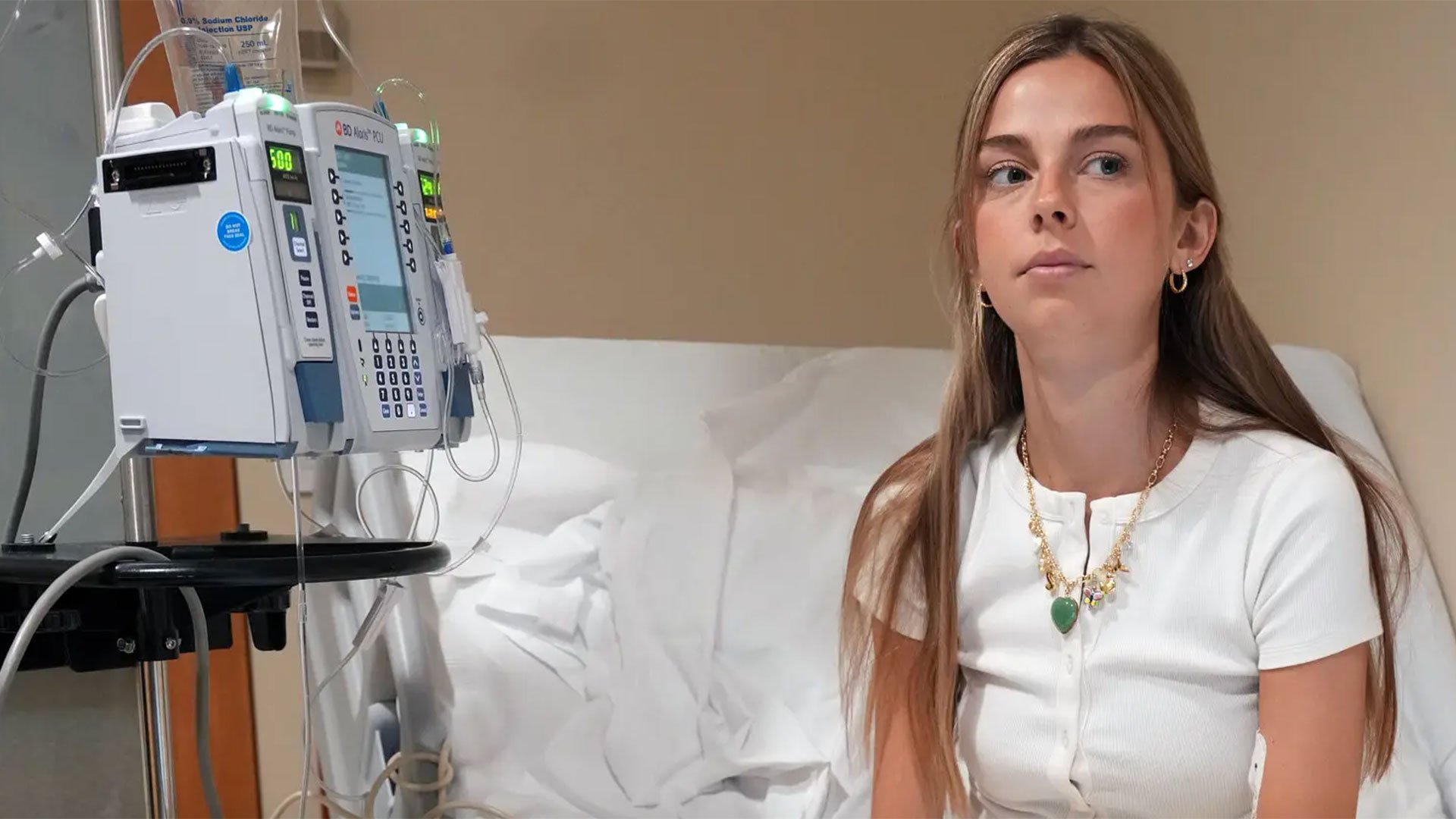
The Internet Demanded That She Look More Like She Was Dying
Sydney Towle didn’t fail to look sick enough. We failed to understand what living with cancer can actually look like. Her story exposes a culture that demands patients perform suffering before offering compassion, and what that says about all of us.
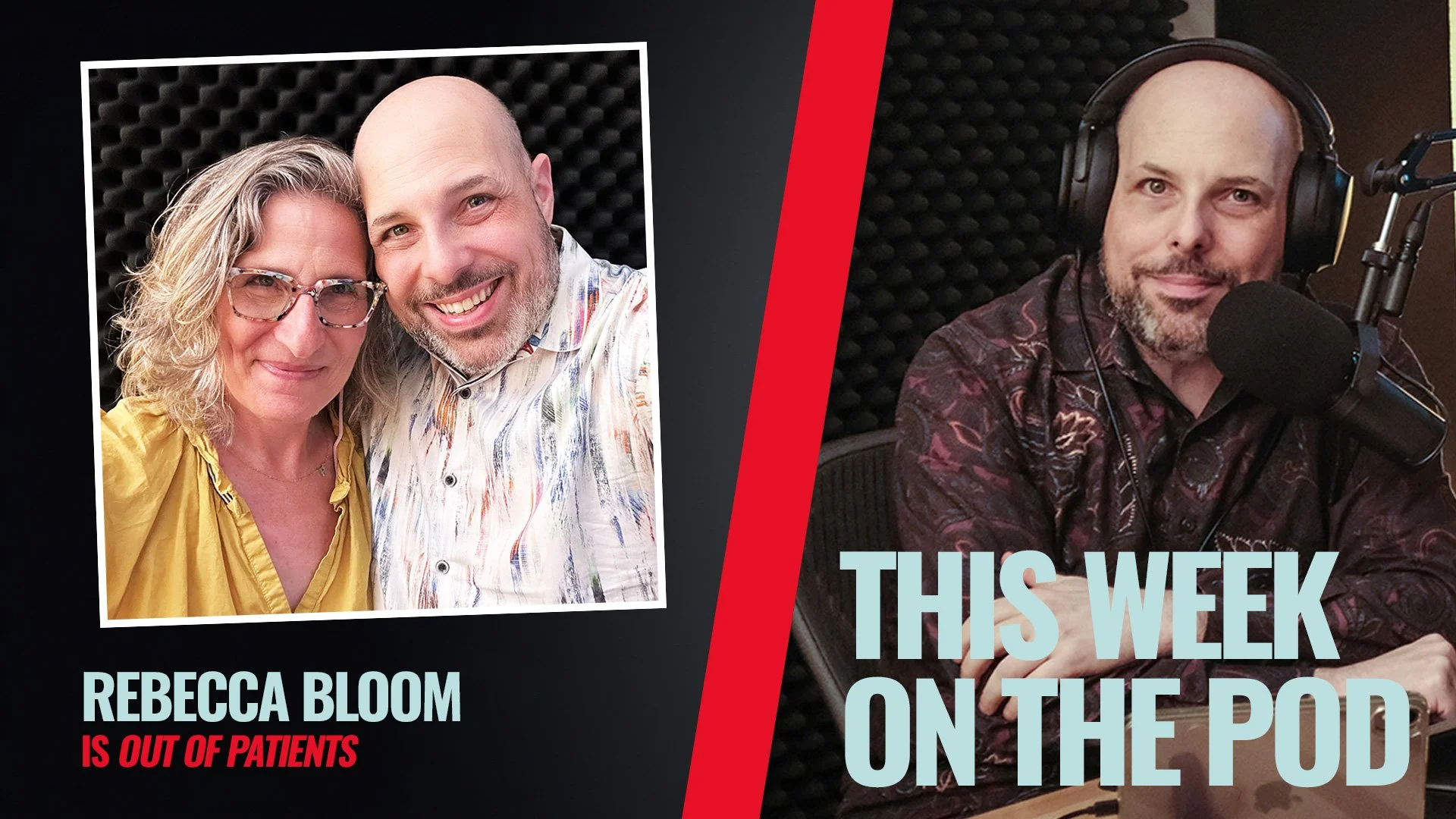
Out of Patients EP4534: Your Benefits May Vary: Rebecca Bloom
Rebecca Bloom spent decades inside employee benefits law before helping women navigate cancer, insurance, disability, work, and survival. This conversation exposes the hidden administrative labor patients inherit the second they get sick.
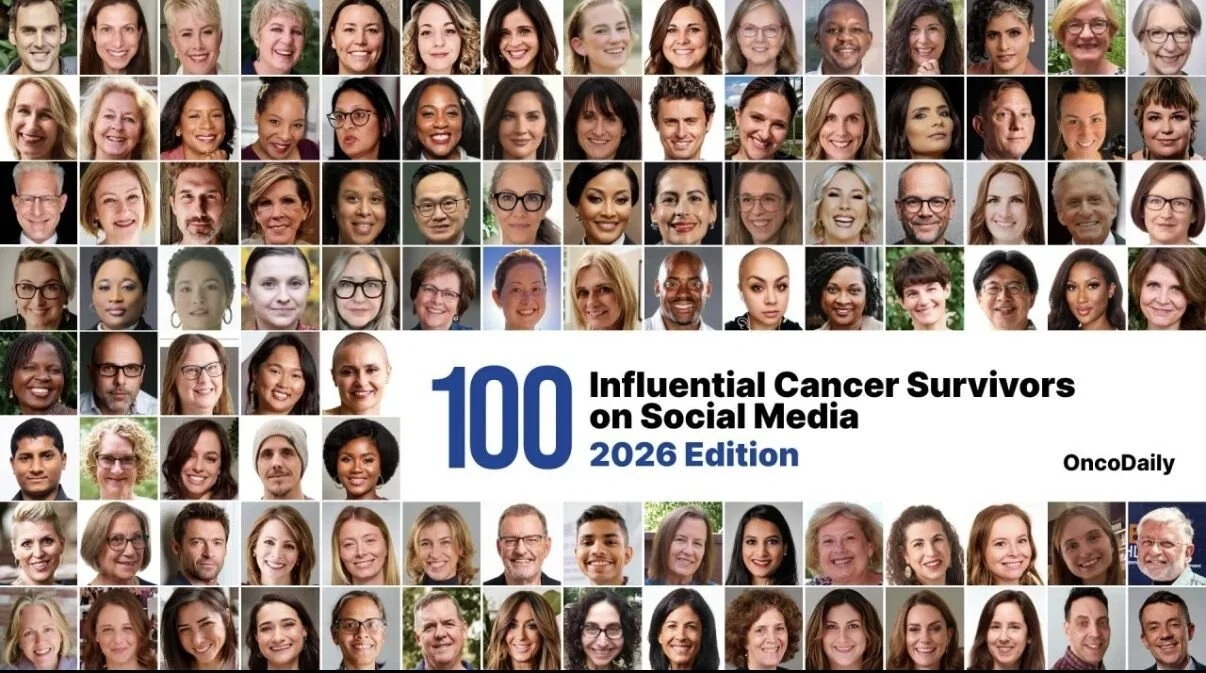
100 Cancer Survivors Just Got Named to a Very Special List None of Us Ever Asked to Be On
OncoDaily named 100 influential cancer survivors for 2026. Matthew Zachary explains why the honor matters, why it’s bittersweet, and what survivor visibility really means for newly diagnosed patients looking for proof they’re not alone.
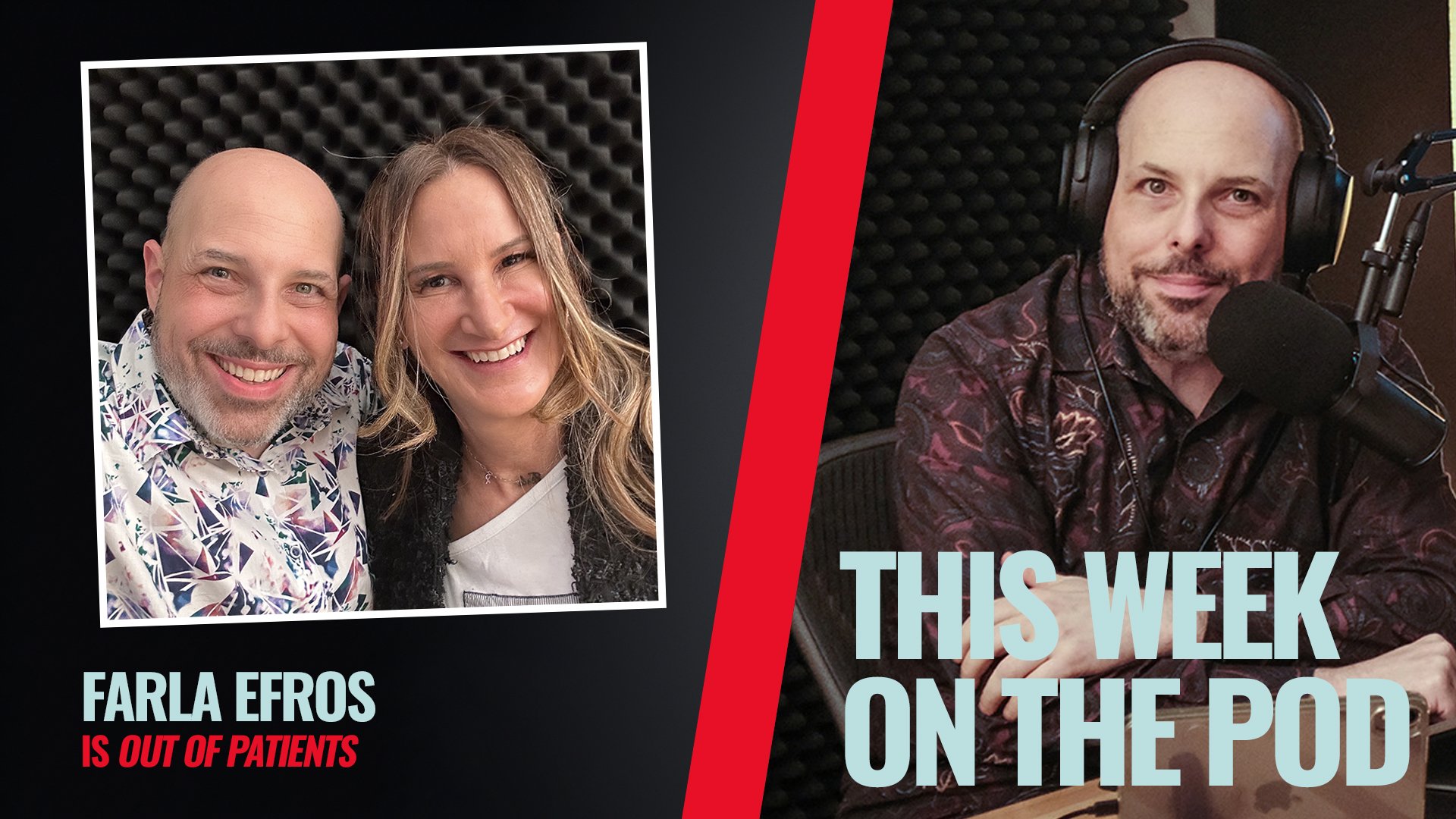
Out of Patients EP450: The Patient Wears Prada: Farla Efros
Retail executive and breast cancer survivor Farla Efros approached cancer the same way she rescued struggling companies: with strategy, discipline, and relentless preparation. She explains why patients are forced to become CEOs of their own care and why the system rewards those who can.
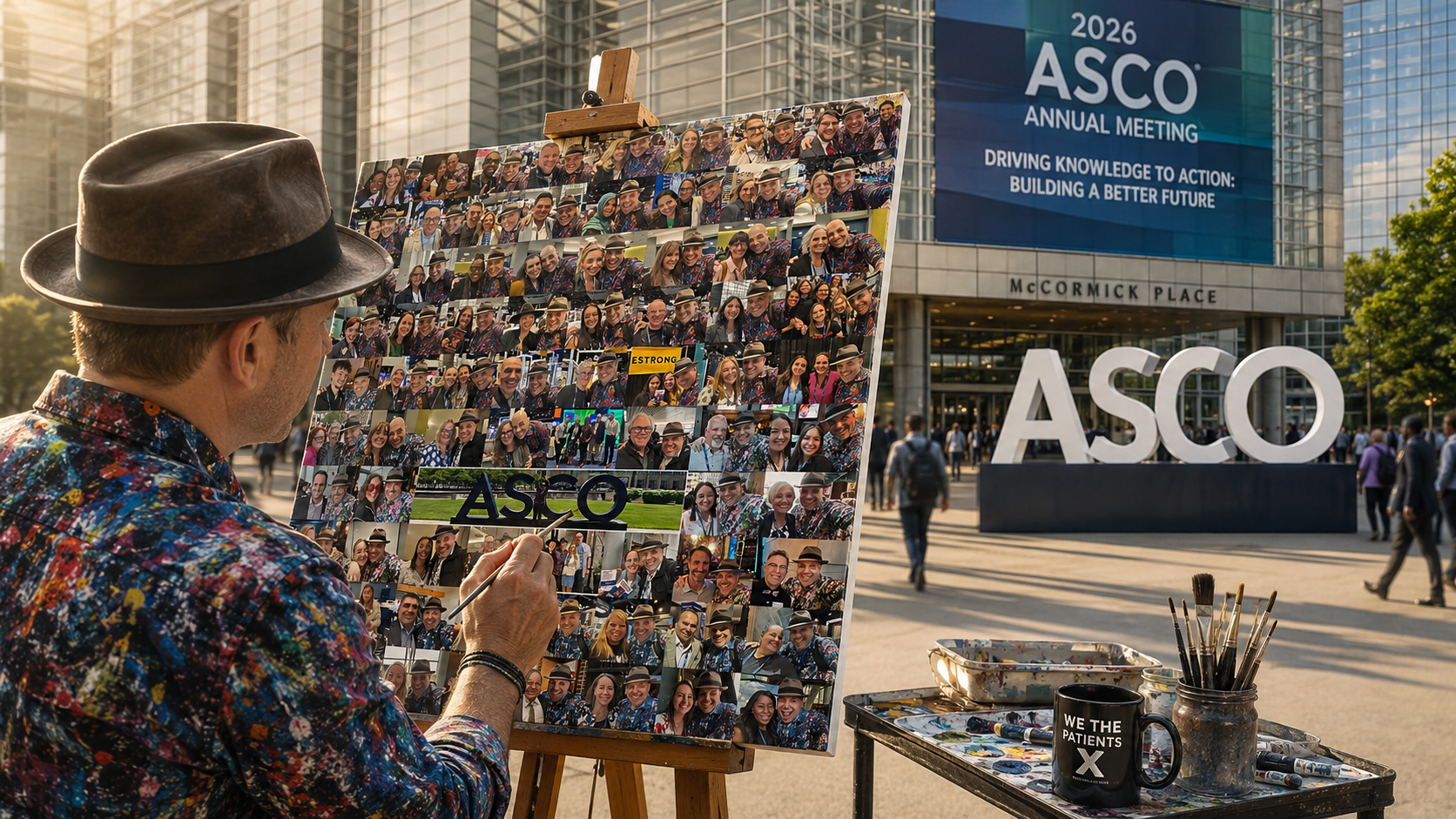
What My Annual ASCO Mosaic Reveals About Cancer Care
Every year I leave ASCO with hundreds of selfies that become one giant mosaic. This year’s image tells a bigger story than the science alone. It captures the people, conversations, and growing realization that the next challenge in cancer care isn’t discovery. It’s making sure patients can reach it.
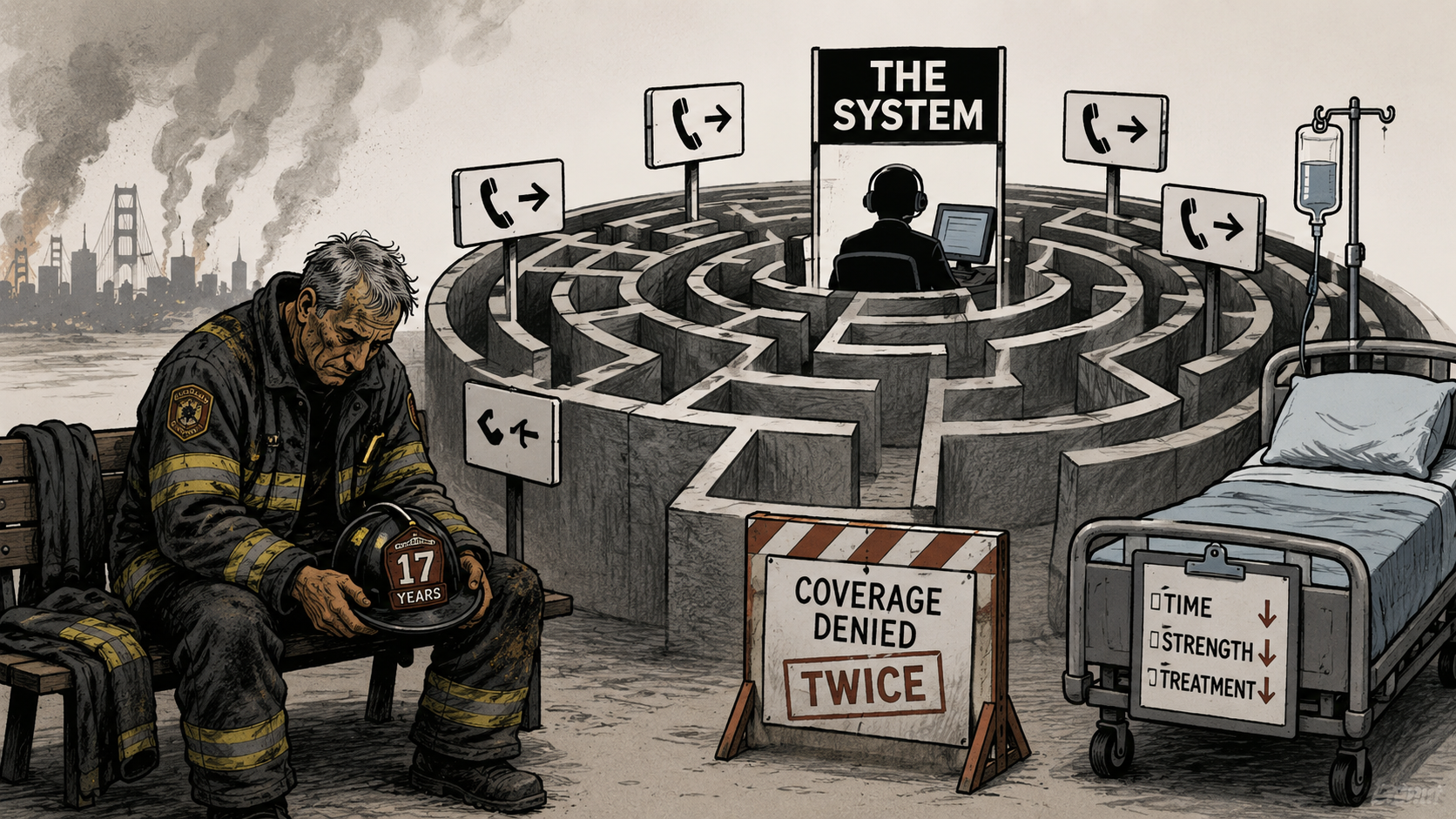
The Deadliest Part of American Healthcare Might Be the Waiting
A retired firefighter’s denied cancer treatment reveals a larger truth about American healthcare. Administrative friction has become an economic strategy that shifts costs onto patients and physicians while delaying care in ways the system rarely measures but patients always feel.
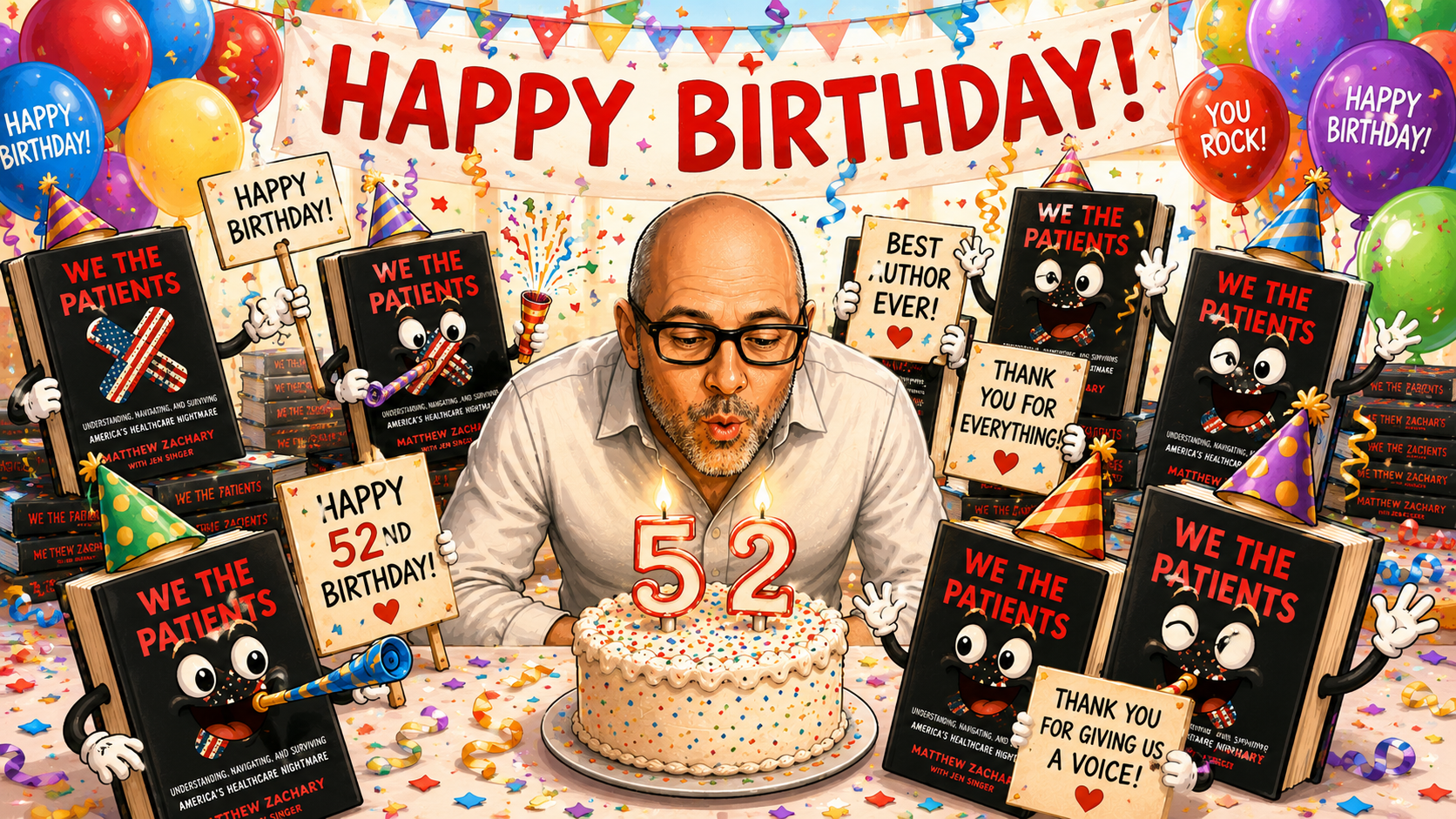
52 Years Old and Still Here
Brain cancer at 21 forced Matthew Zachary into the American healthcare system decades before he understood its economics, incentives, and failures. At 52, he reflects on how surviving long enough to see the whole machine clearly led to writing We the Patients.
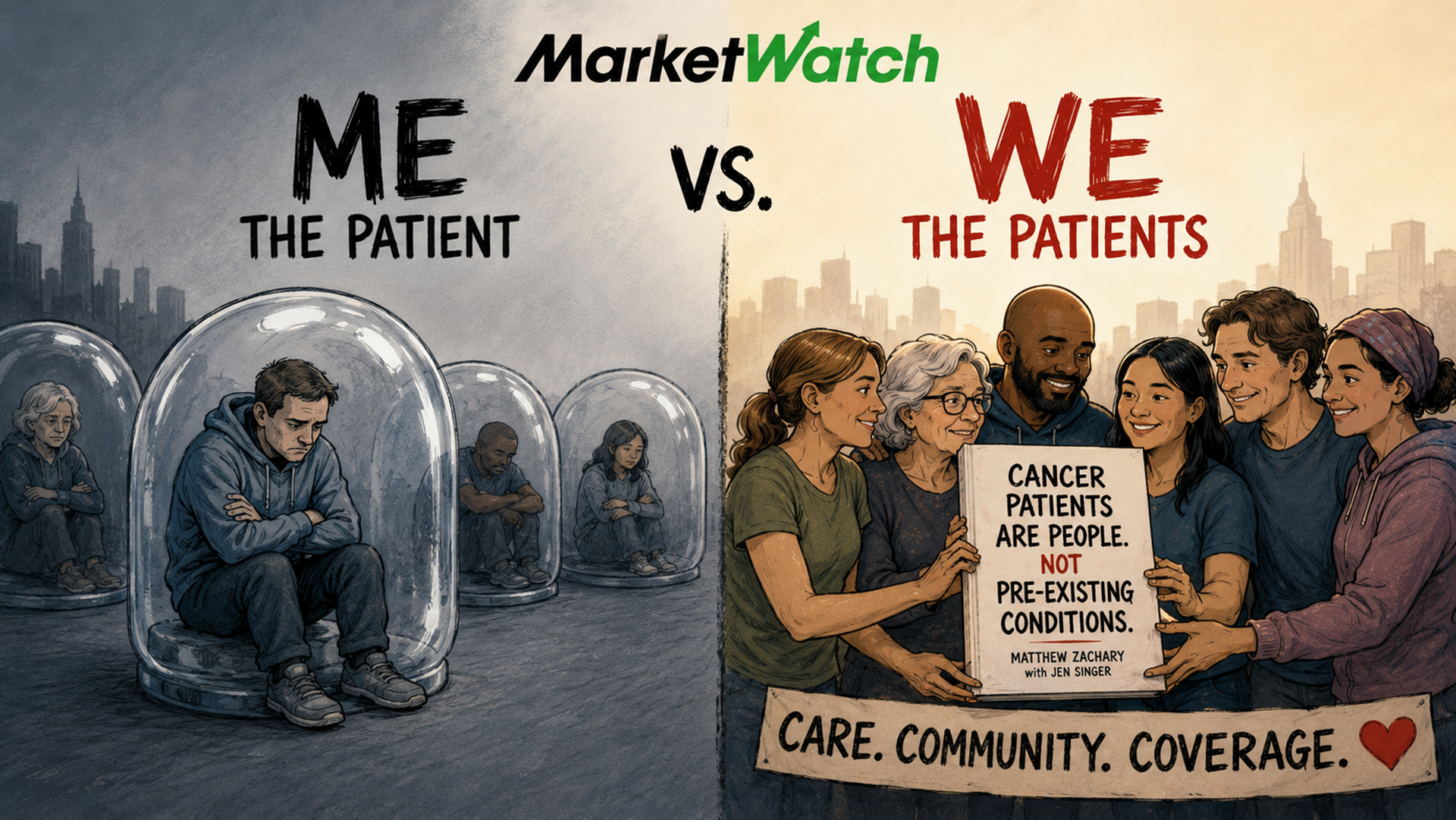
The Healthcare System Works Exactly as Designed. Cancer Patients Pay the Price.
Cancer patients increasingly absorb the financial risk of surviving disease in America. A brain cancer survivor examines how healthcare incentives, insurance design, and policy decisions shifted instability onto patients and families while institutions protect margins.
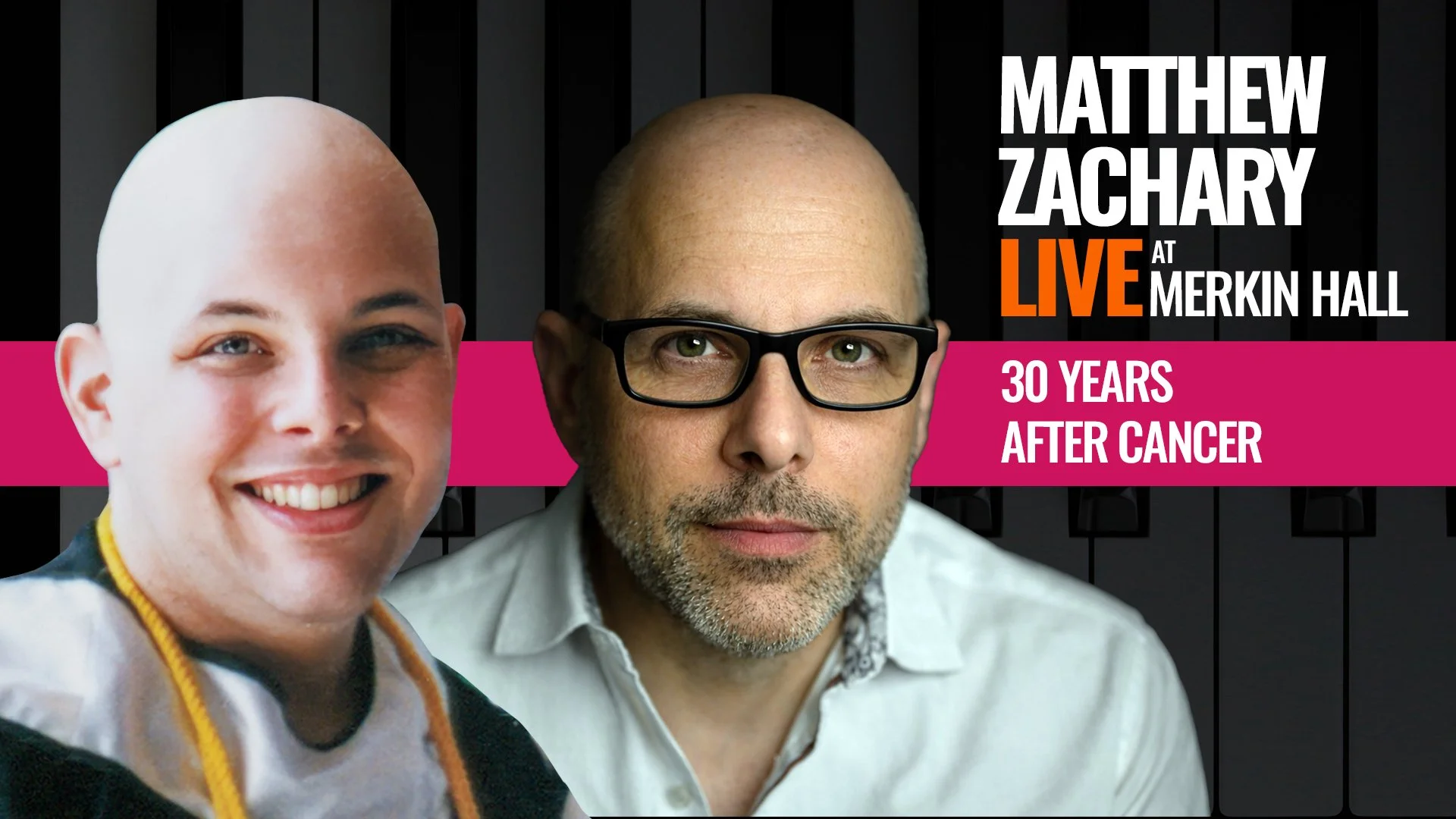
MZLIVE and the Accidental Creation of America’s Survivorship Movement
Thirty years after brain cancer, Matthew Zachary returned to the piano at Merkin Hall for MZLIVE, a night that became far more than a concert. Survivors, advocates, clinicians, and healthcare leaders confronted what survivorship actually costs and what the system still refuses to see
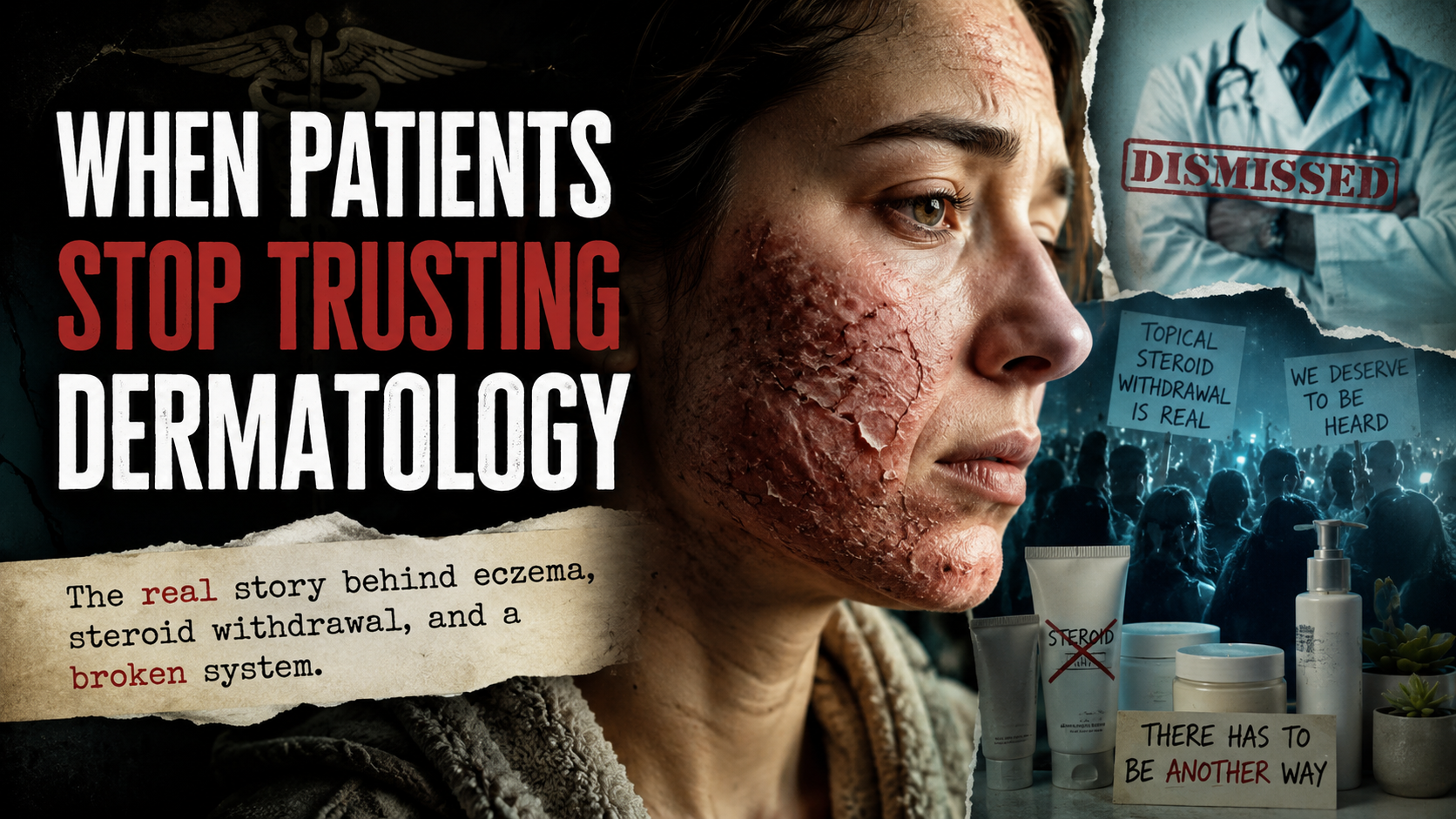
When Patients Stop Trusting Dermatology
Millions of eczema patients increasingly distrust the treatments medicine tells them to rely on. Matthew Zachary examines topical steroid withdrawal, chronic inflammation, patient distrust, and the healthcare incentives driving one of medicine’s fastest growing credibility crises
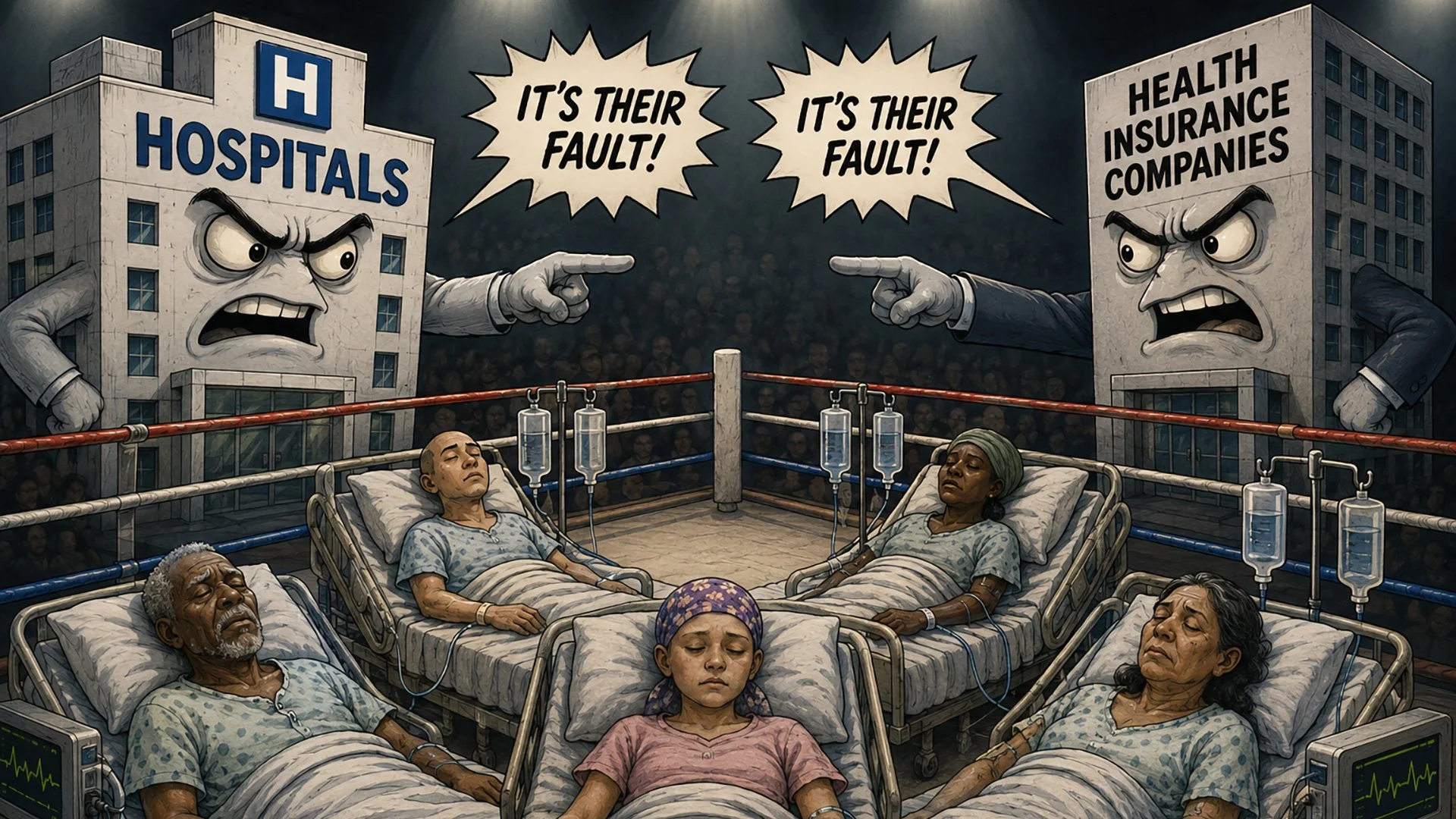
Hospitals and Insurers Keep Blaming Each Other While Patients Finance the Entire System
Hospitals blame insurers. Insurers blame hospitals. Patients finance the entire system through premiums, deductibles, debt, and confusion. Matthew Zachary examines the incentive structures, financial flows, and institutional dependencies that keep American healthcare expensive, opaque, and exhausting.
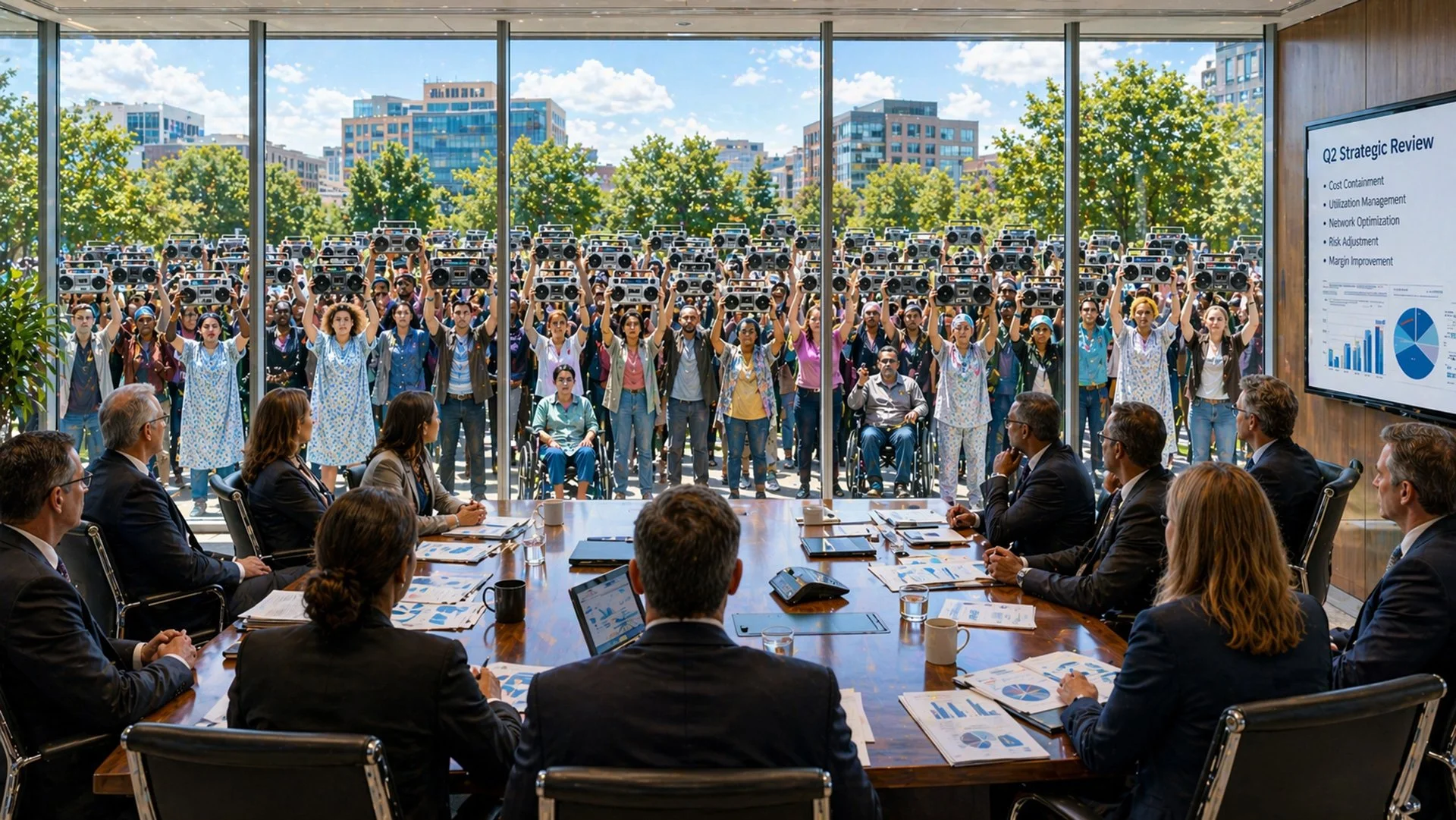
The National Health Council Is Hosting A Conference On AI And Patient Advocacy. There Are Zero Patients On The Panel.
A conference on patient advocacy with zero patients on the panel says everything. The industry keeps explaining itself while excluding the people who live the consequences. Here is what that looks like and why it keeps happening.
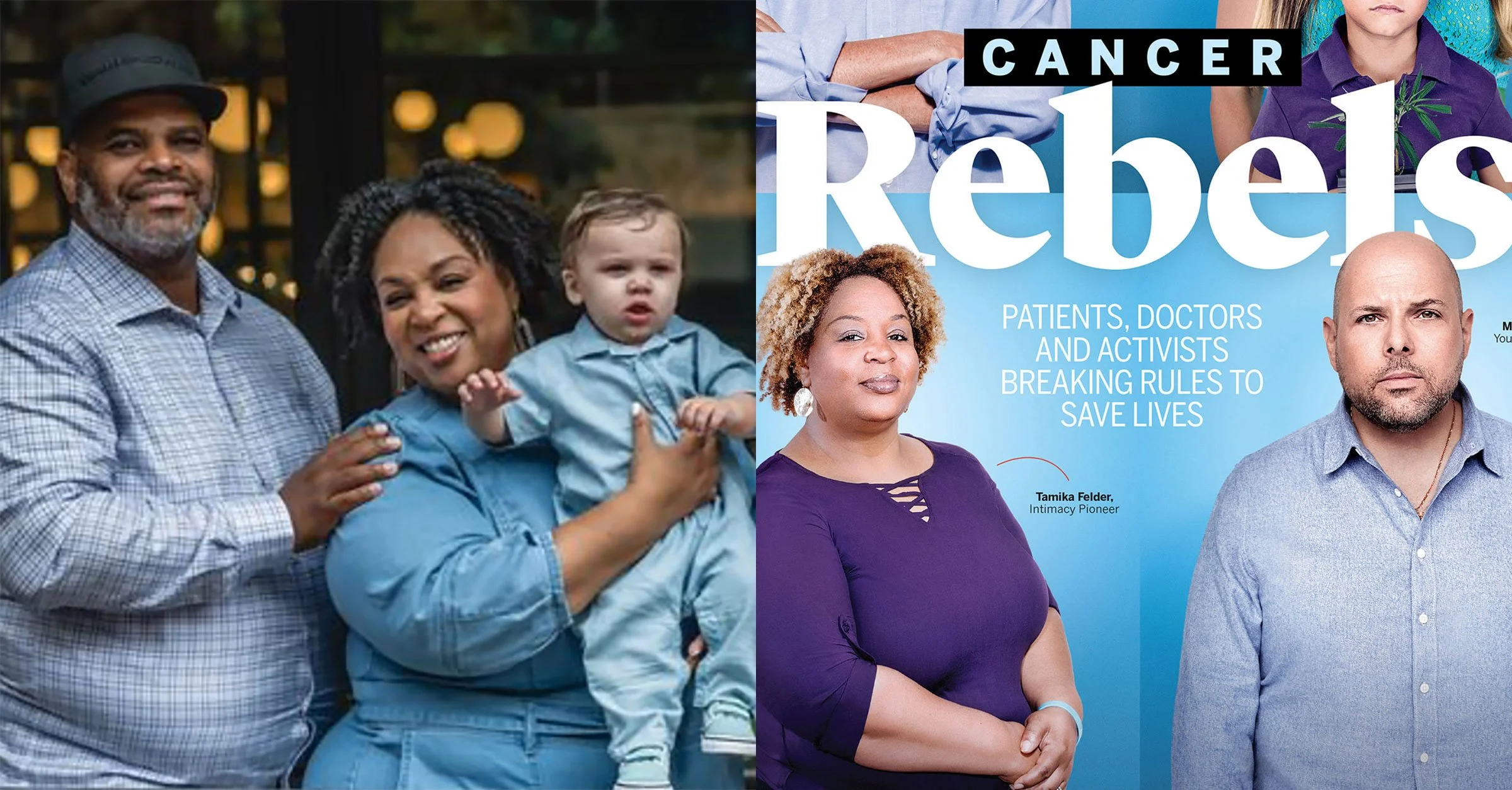
Tamika Felder Built Cervivor. Then She Built a Family.
At 25, cervical cancer forced Tamika Felder into a hysterectomy without fertility preservation. Two decades later, another survivor donated embryos that helped her become a mother. A story about systemic gaps, advocacy, and the family she built anyway.

Out of Patients?
Join the recurring Out of Patients dispatch from Matthew Zachary covering the latest American healthcare shenanigans. Essays, podcast episodes, media appearances, book updates, and live events delivered with a sardonic Gen X perspective from a patient who simply refuses to shut up.
Get the dispatch