
Out of Patients
with Matthew Zachary
Welcome to 2026: The Year of the Patient where the sick shall inherit the ballot.
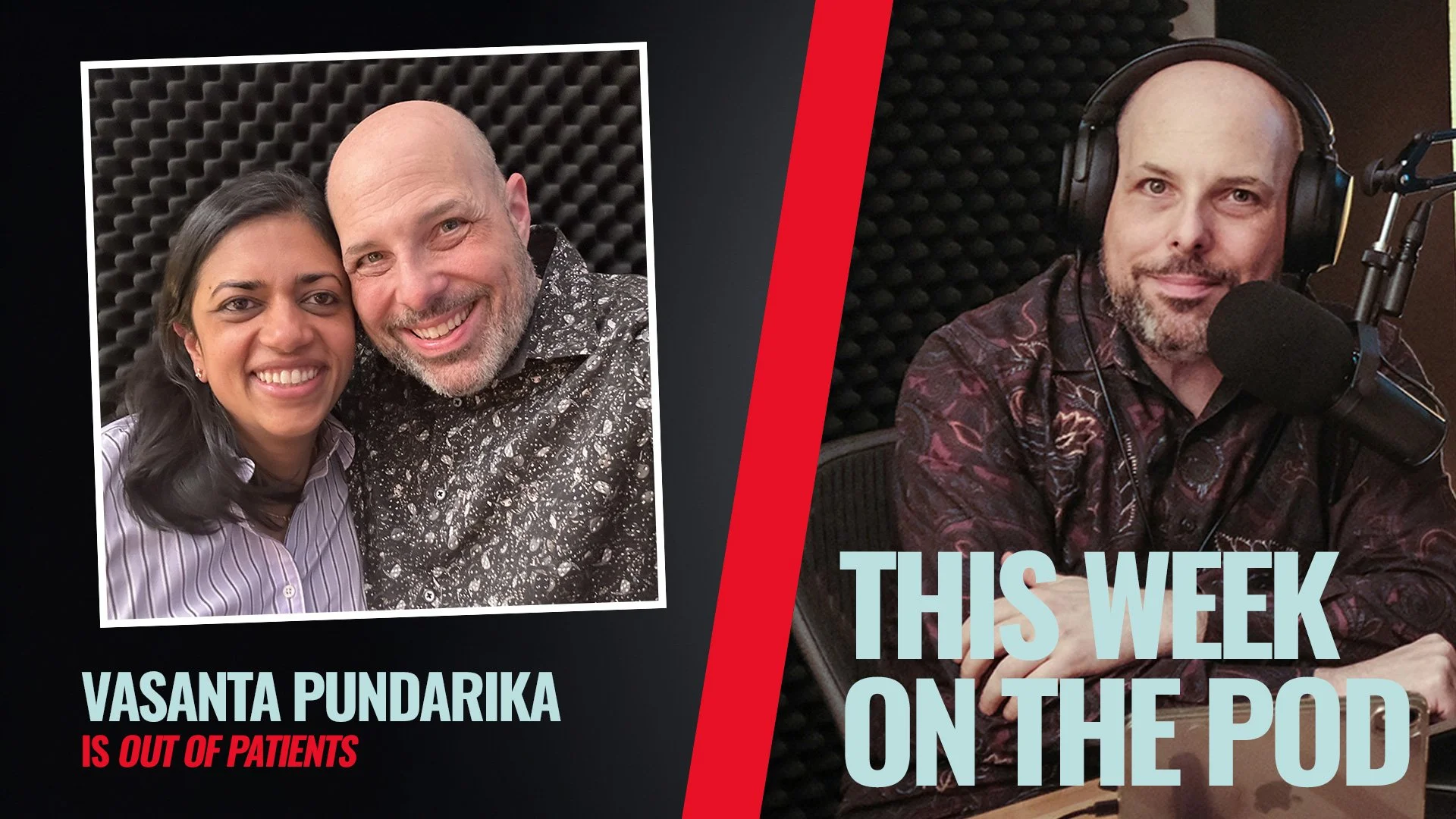
Out of Patients EP453: Mission, Margin, and the Women Left Waiting: Vasanta Pundarika
Women delay care while healthcare systems optimize around assumptions that no longer reflect how people live. Former healthcare investment banker Vasanta Pundarika explains how caregiving, behavioral health, women’s health, and capital incentives collide inside American healthcare.
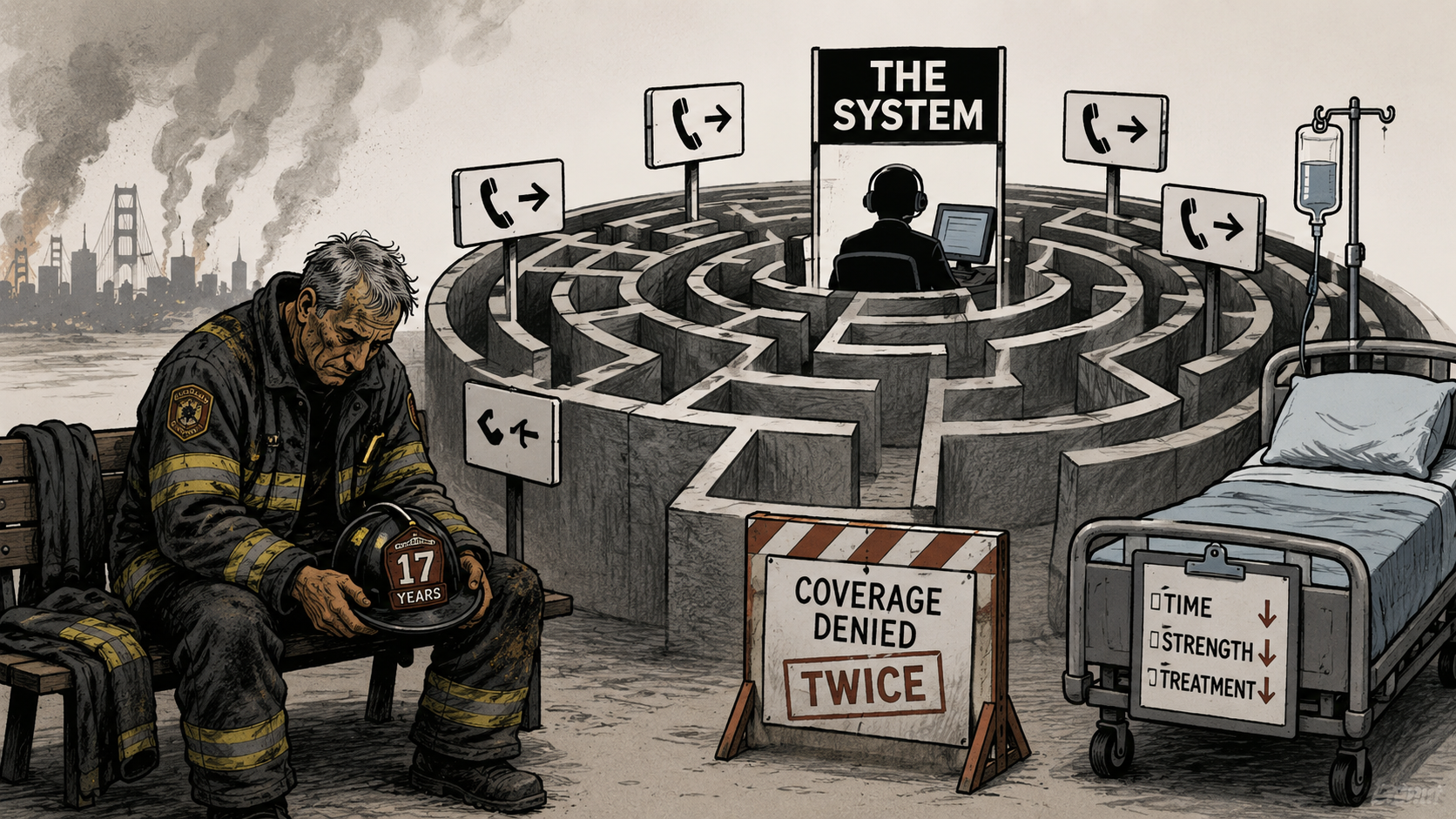
The Deadliest Part of American Healthcare Might Be the Waiting
A retired firefighter’s denied cancer treatment reveals a larger truth about American healthcare. Administrative friction has become an economic strategy that shifts costs onto patients and physicians while delaying care in ways the system rarely measures but patients always feel.

52 Years Old and Still Here
Brain cancer at 21 forced Matthew Zachary into the American healthcare system decades before he understood its economics, incentives, and failures. At 52, he reflects on how surviving long enough to see the whole machine clearly led to writing We the Patients.
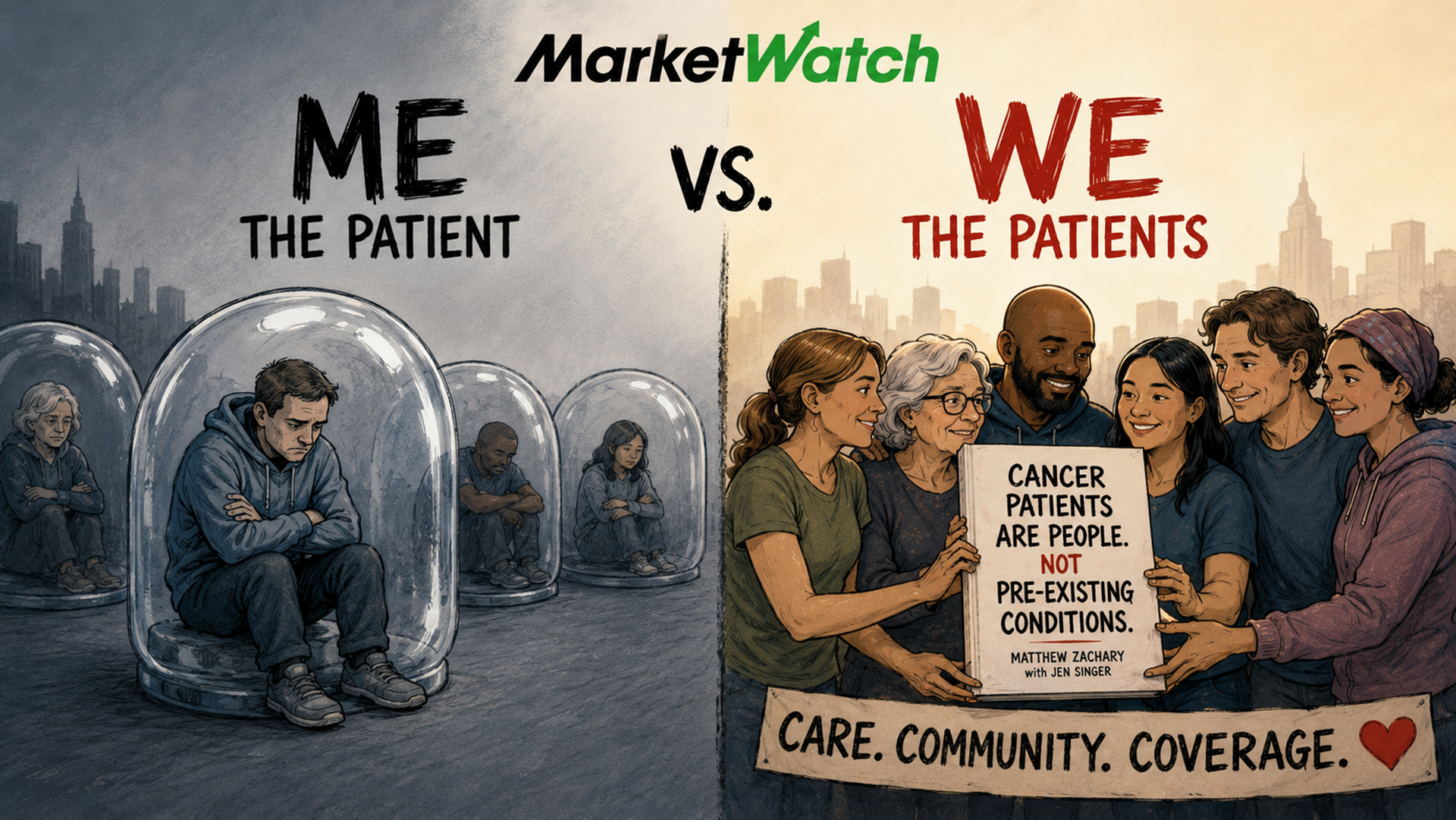
The Healthcare System Works Exactly as Designed. Cancer Patients Pay the Price.
Cancer patients increasingly absorb the financial risk of surviving disease in America. A brain cancer survivor examines how healthcare incentives, insurance design, and policy decisions shifted instability onto patients and families while institutions protect margins.
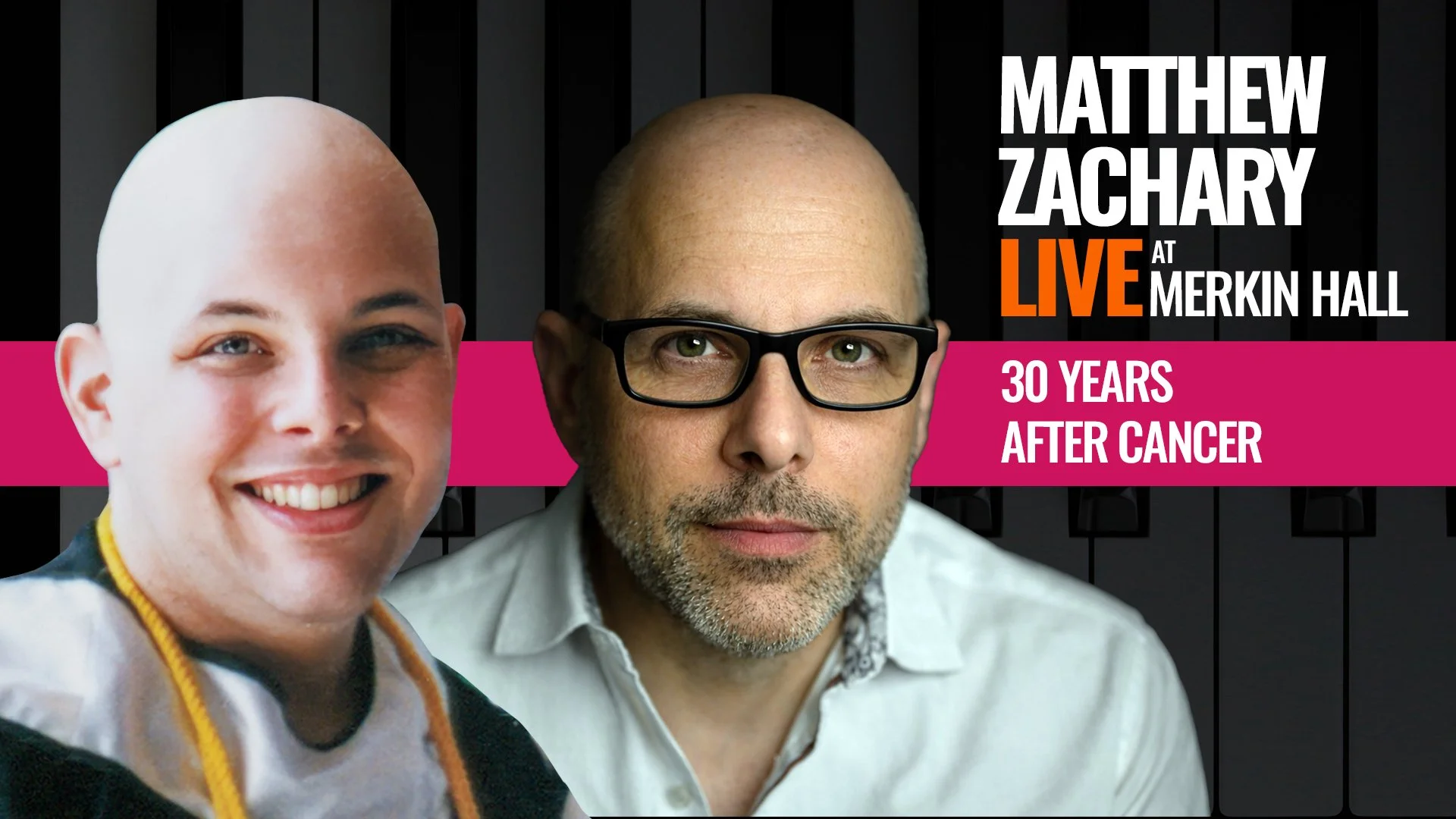
MZLIVE and the Accidental Creation of America’s Survivorship Movement
Thirty years after brain cancer, Matthew Zachary returned to the piano at Merkin Hall for MZLIVE, a night that became far more than a concert. Survivors, advocates, clinicians, and healthcare leaders confronted what survivorship actually costs and what the system still refuses to see
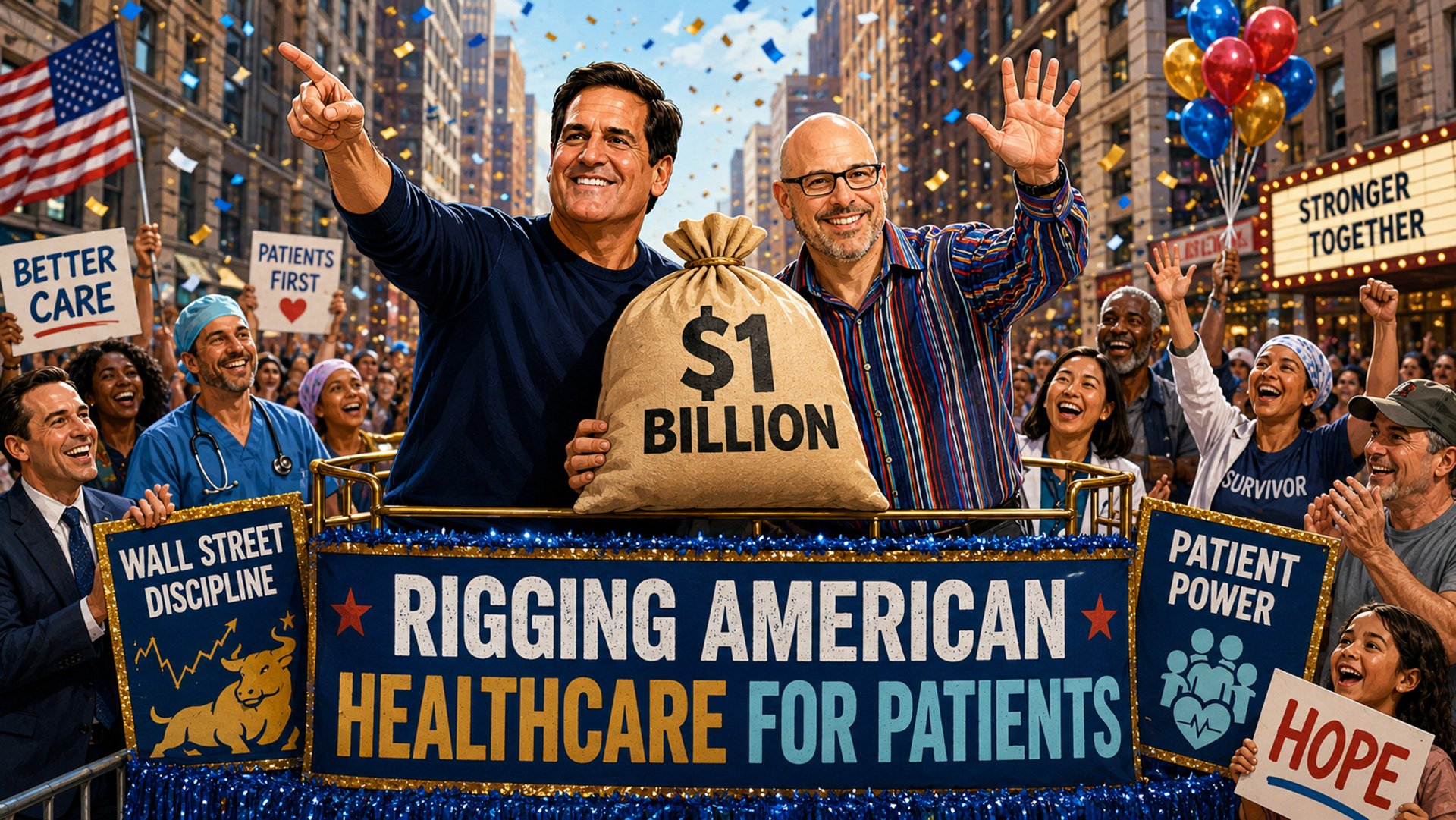
How I’d Spend $1 Billion to Fix Healthcare Alongside Mark Cuban
Mark Cuban attacks healthcare through pricing transparency and market discipline. I would attack it through patient infrastructure, legal protection, accountability, and civic power. Together, those strategies could finally begin realigning the incentives driving American healthcare.

When Patients Stop Trusting Dermatology
Millions of eczema patients increasingly distrust the treatments medicine tells them to rely on. Matthew Zachary examines topical steroid withdrawal, chronic inflammation, patient distrust, and the healthcare incentives driving one of medicine’s fastest growing credibility crises
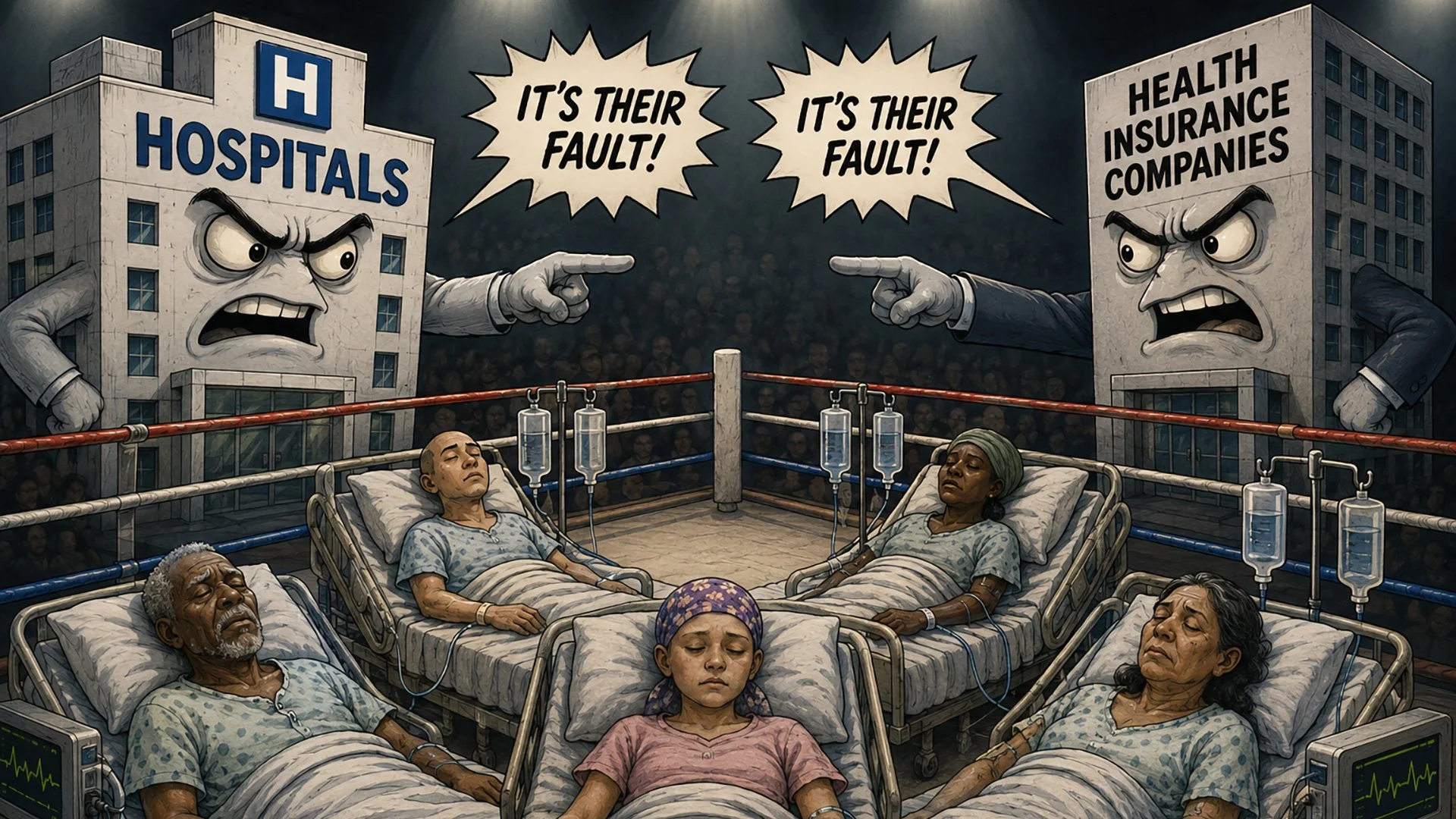
Hospitals and Insurers Keep Blaming Each Other While Patients Finance the Entire System
Hospitals blame insurers. Insurers blame hospitals. Patients finance the entire system through premiums, deductibles, debt, and confusion. Matthew Zachary examines the incentive structures, financial flows, and institutional dependencies that keep American healthcare expensive, opaque, and exhausting.
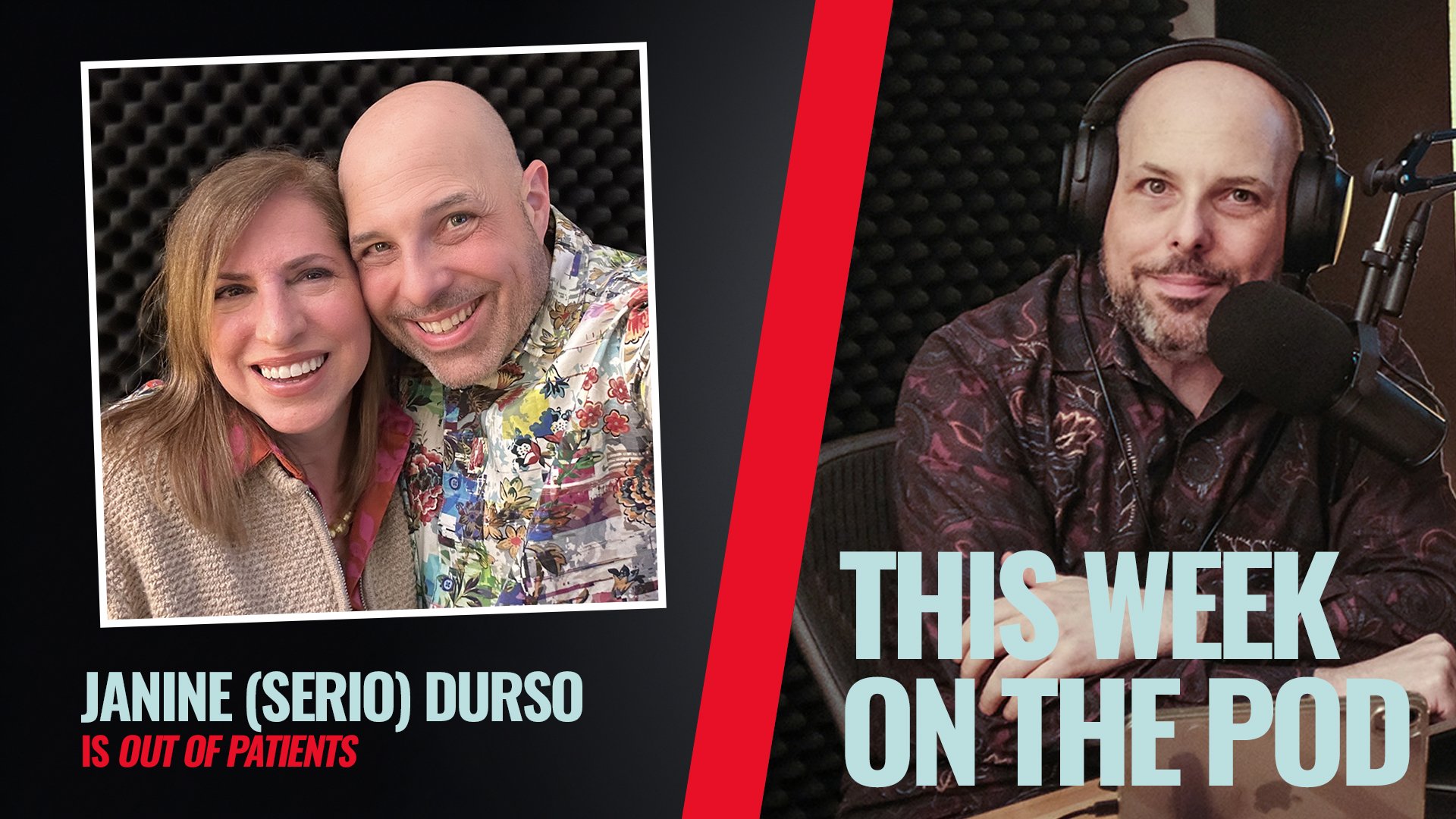
Out of Patients EP440:Not Today, Jesus: Janine Durso
A ruptured brain aneurysm triggered elite emergency care that saved a life. Insurance policy still blocks preventive screening for her child. This piece explains how US healthcare pays for catastrophe and delays detection, and what must change before the next bleed.
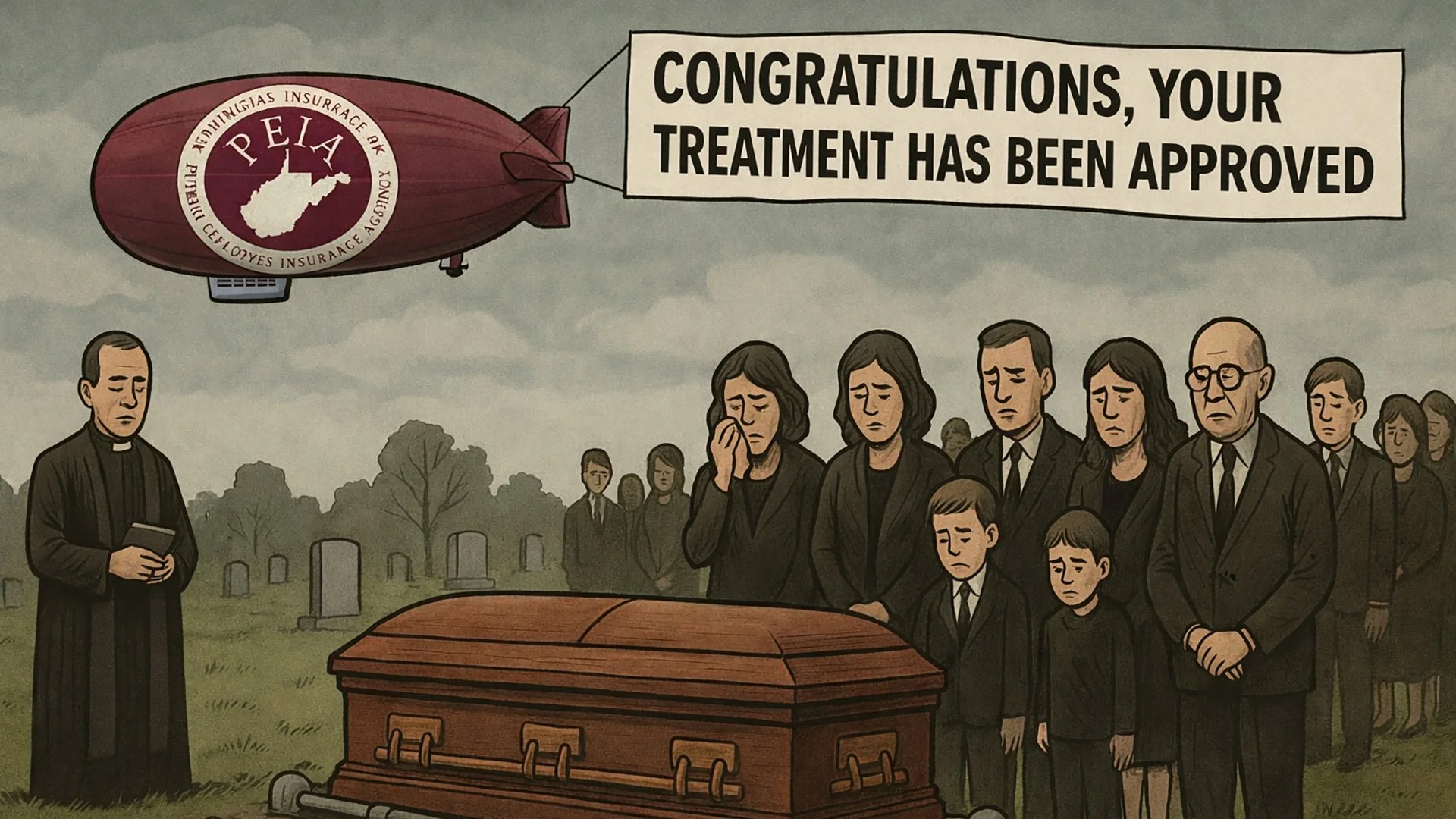
Prior Authorization Works Exactly as Designed and That Is the Problem
Prior authorization persists because it works for the system that created it. This essay explains how cost control, risk management, and delay shape patient outcomes, why reform keeps falling short, and what must change to align financial incentives with timely care.
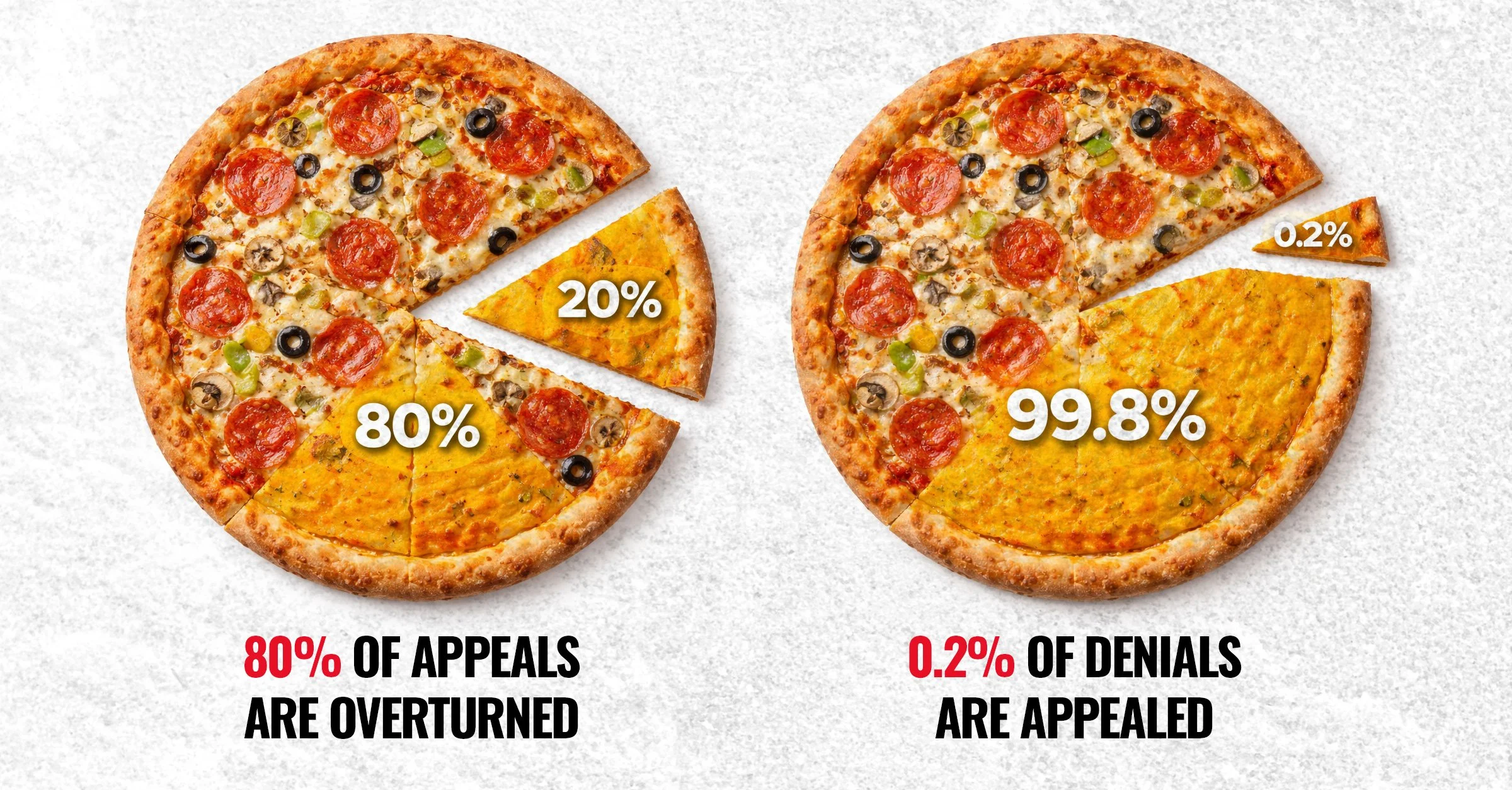
What Happens If More Patients Appeal Insurance Denials?
Only 0.2% of patients appeal insurance denials, yet 80% succeed. This article examines how even small increases in appeals could shift insurer behavior, raise costs, influence Wall Street expectations, and reshape the economics of American healthcare.
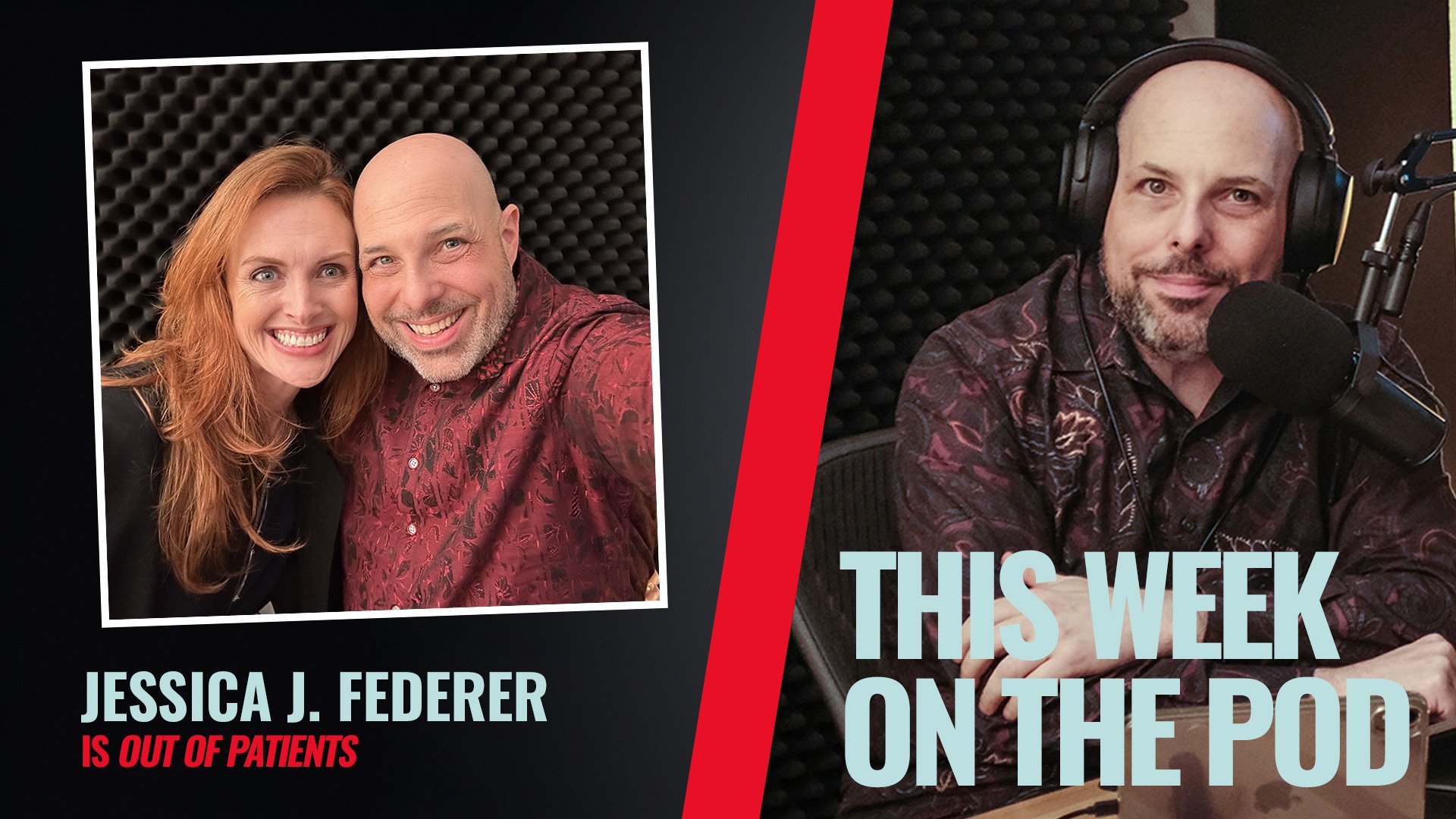
Out of Patients EP437: First in (Wo)Man: Jessica J. Federer
Women were excluded from U.S. clinical trials until 1993. That decision shaped drug safety, outcomes, and cost for decades. This essay breaks down the incentives, capital flows, and regulatory gaps that sustained it and what must change next.
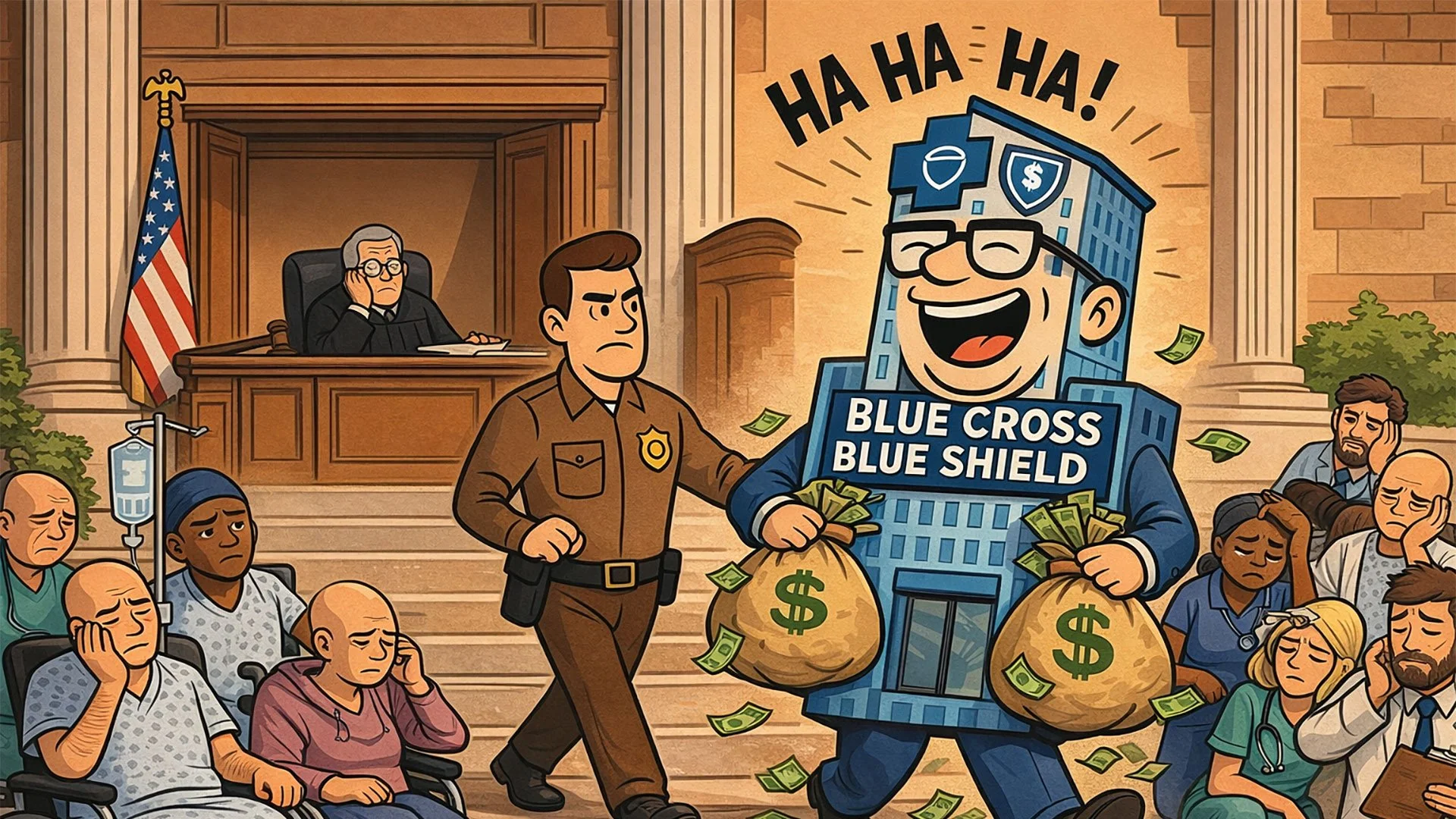
Blue Cross Blue Shield Got Caught Rigging The Market. The Penalty? $2.67 Billion. The Timeline? Six Years And Counting.
Blue Cross Blue Shield settled a 2.67 billion antitrust lawsuit in 2020 after restricting competition for more than a decade. Payments begin in 2026. Six years later, customers get checks while insurers move on. Here is what happened and why it keeps happening.
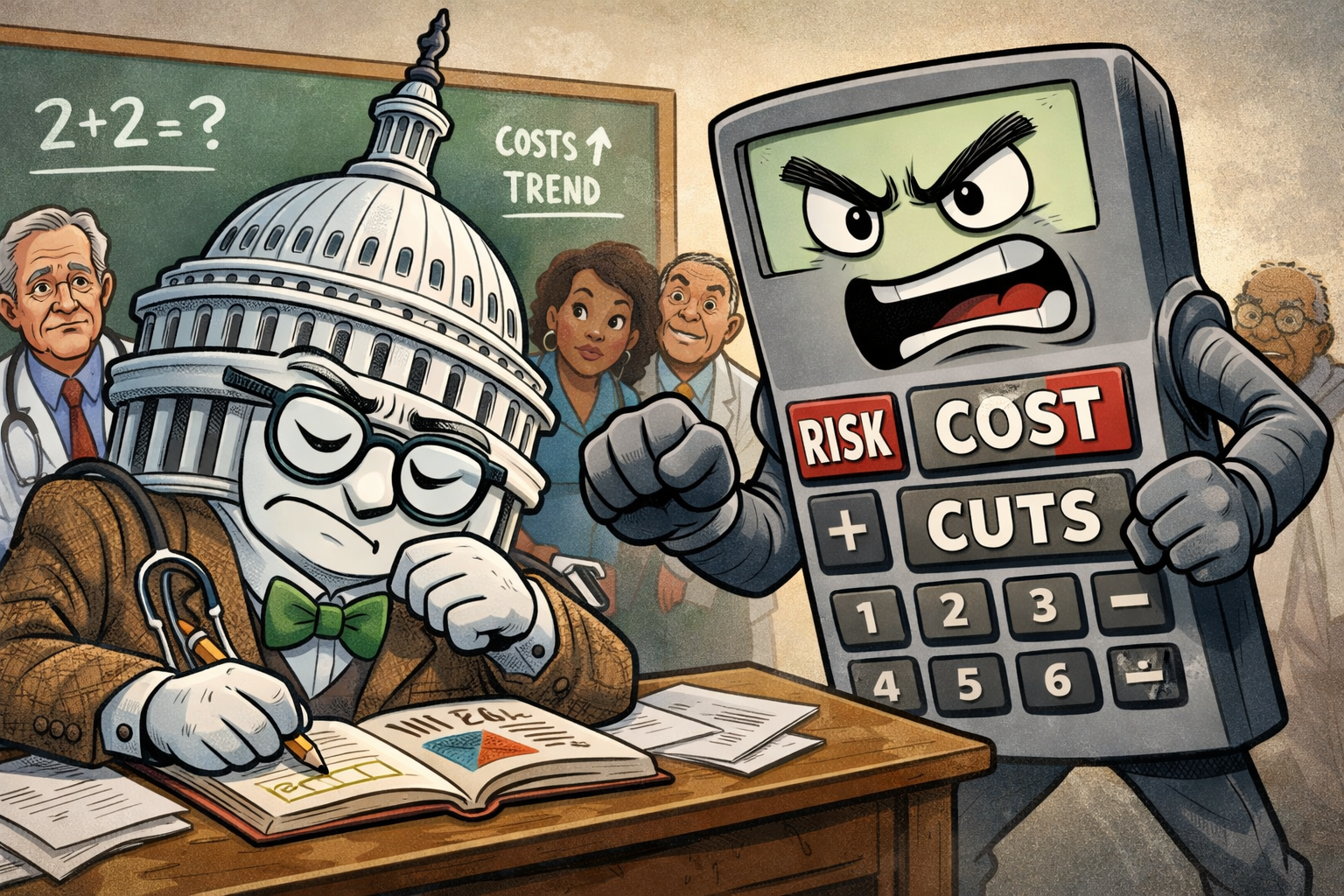
Medicare Advantage Works Until the Math Changes
UnitedHealth dropping Medicare Advantage plans for 600000 beneficiaries exposes a structural flaw in how private insurers manage public healthcare risk as costs from emergency care and specialty drugs accelerate faster than payment models can adjust.
Breaking Up Big Medicine
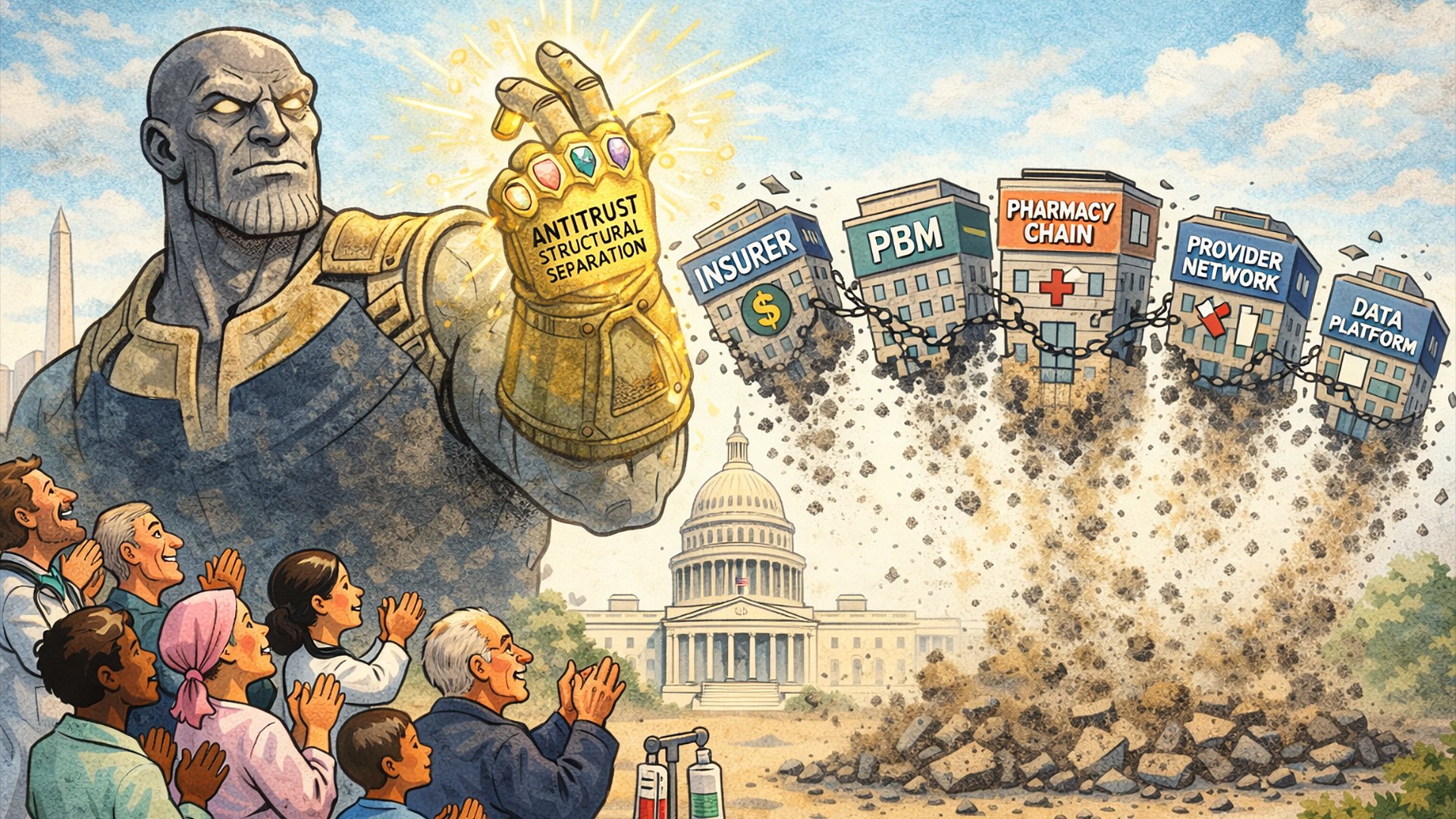
The new bipartisan proposal to separate insurers, PBMs, and providers targets the financial structure behind rising costs and denials. This piece explains how ownership concentration reshaped care, why regulation failed, and what structural separation could change for patients.
Freedom to Go Broke
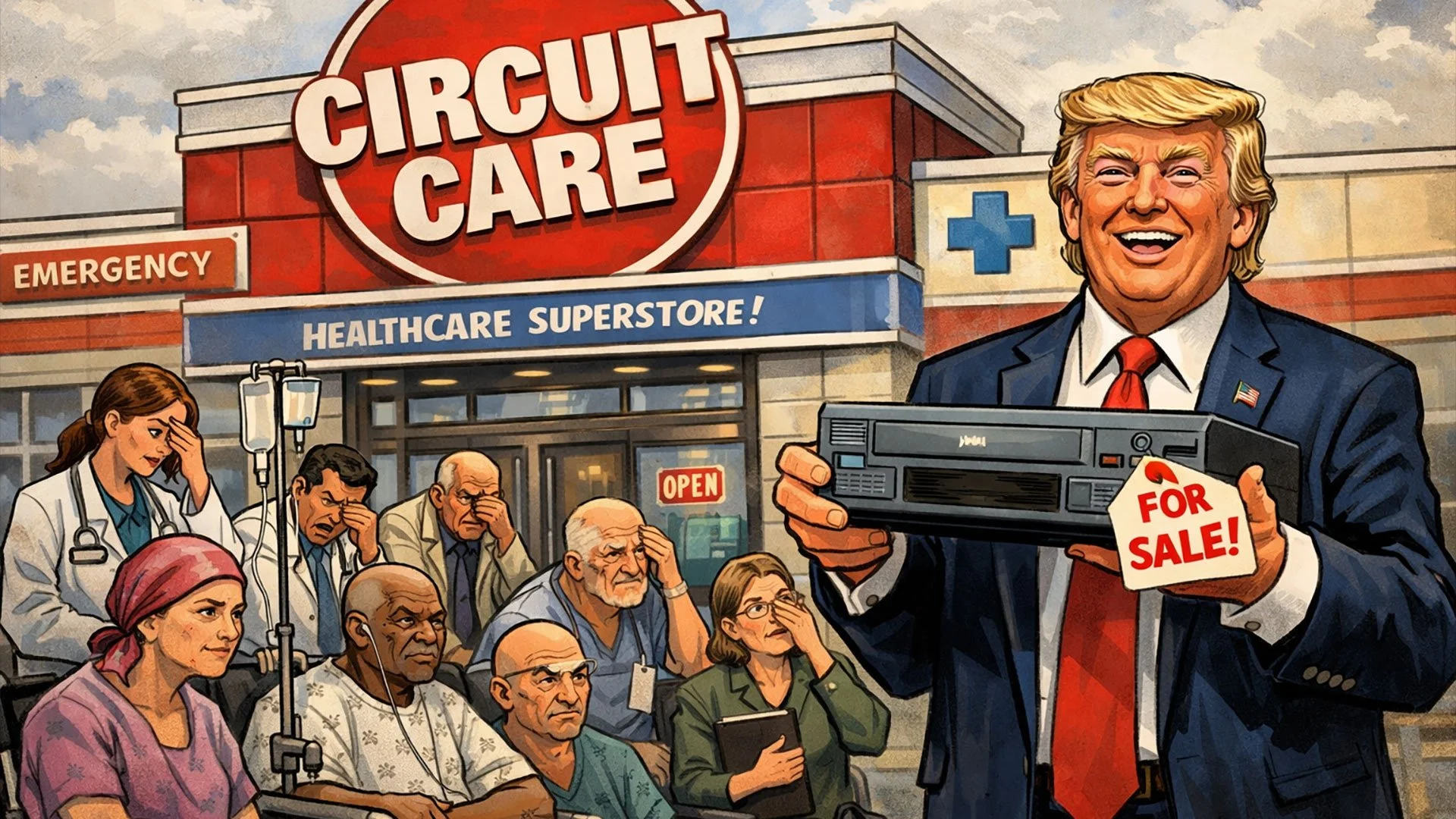
After surviving brain cancer at 21, Matthew Zachary examines how modern healthcare policy repackages risk as freedom. From cash subsidies to math free promises, this essay exposes why consumer style healthcare fails the moment illness enters the room.

Out of Patients?
Join the recurring Out of Patients dispatch from Matthew Zachary covering the latest American healthcare shenanigans. Essays, podcast episodes, media appearances, book updates, and live events delivered with a sardonic Gen X perspective from a patient who simply refuses to shut up.
Get the dispatch