
Out of Patients
with Matthew Zachary
Welcome to 2026: The Year of the Patient where the sick shall inherit the ballot.
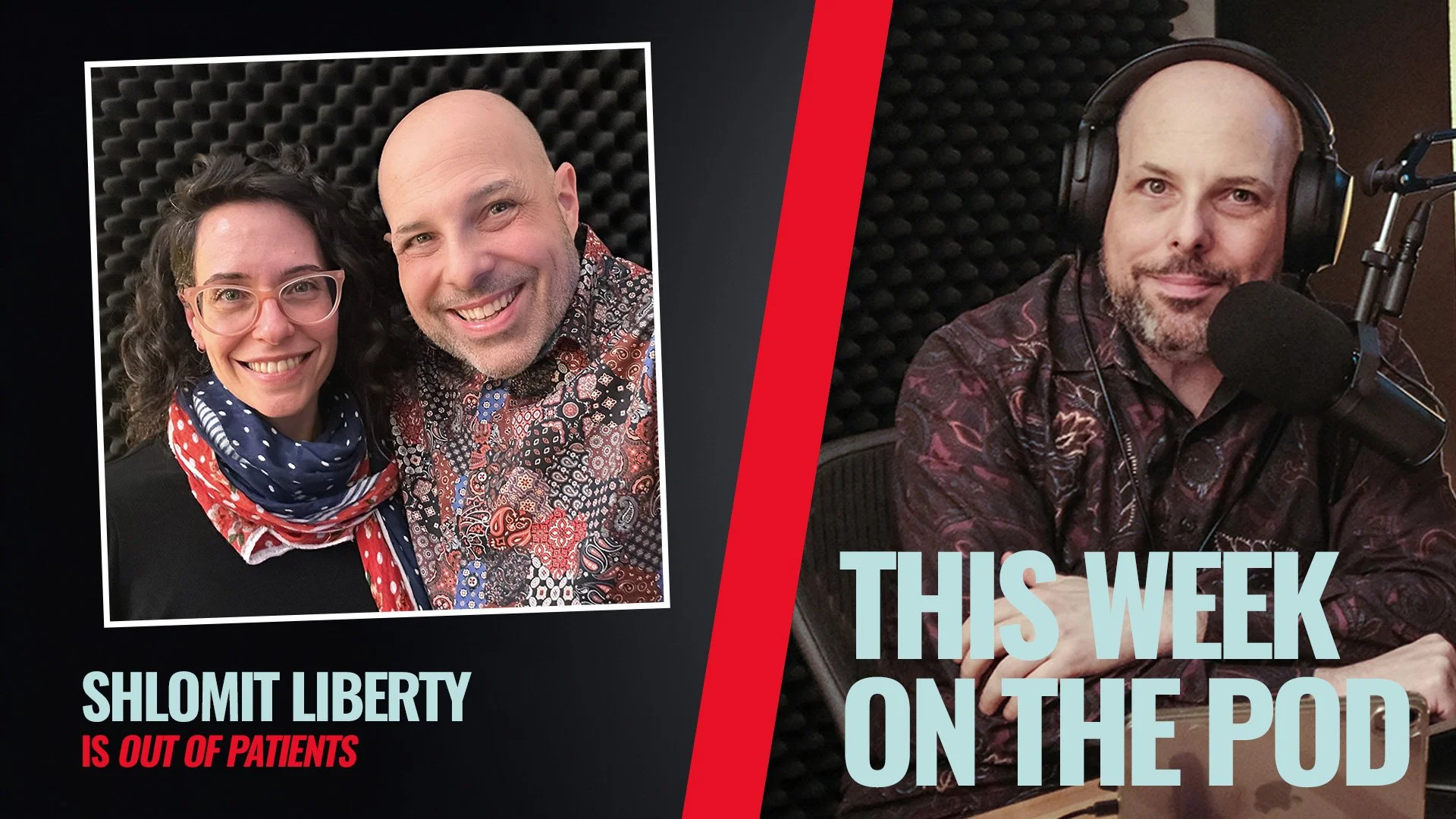
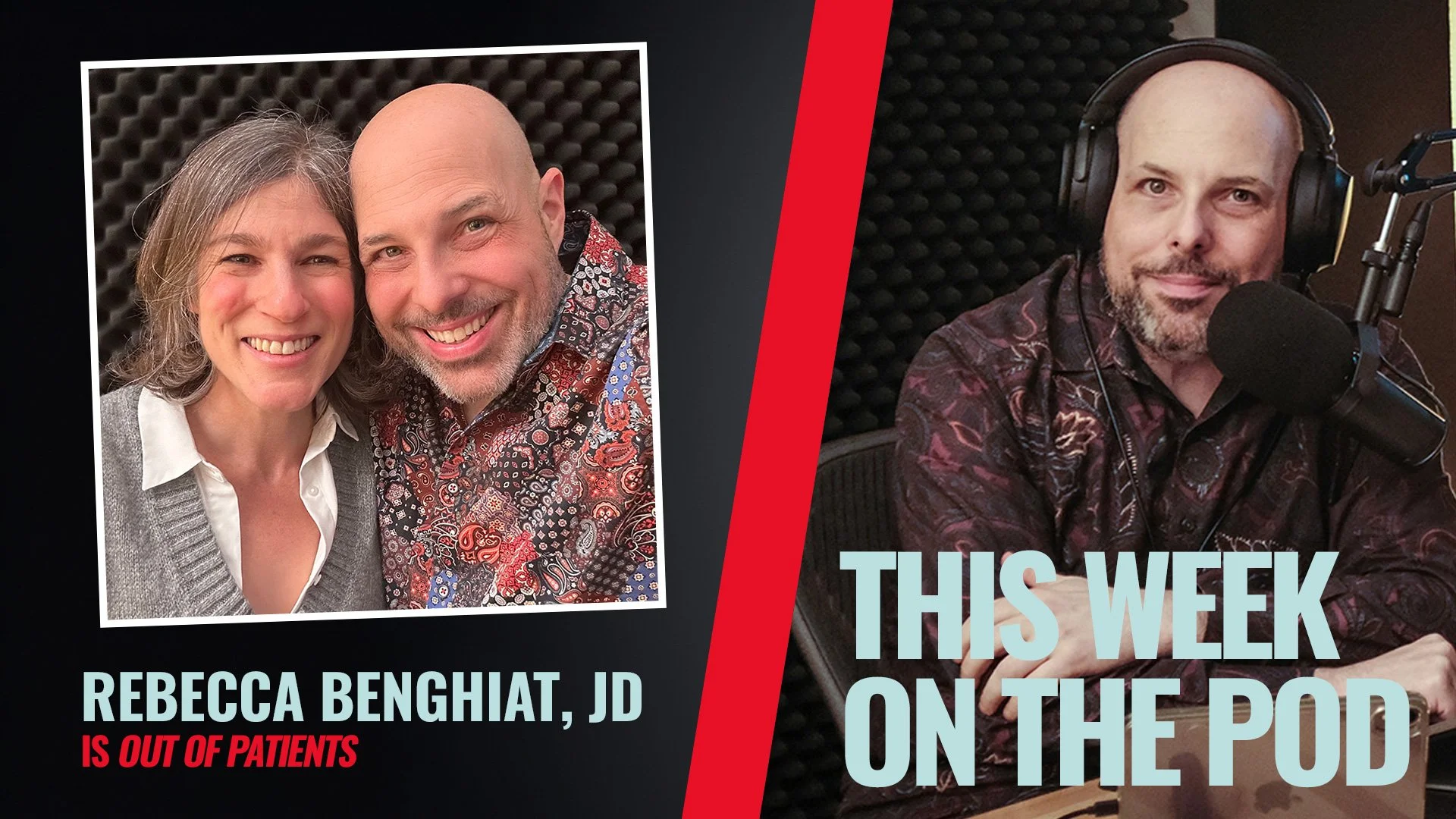
Out of Patients EP444: Discharge Instructions Not Included: Shlomit Liberty
At 19, Shlomit Liberty lost speech and got sent home with “stress.” Now she spends 15 to 20 hours a week guiding families through hospital chaos. This episode exposes how discharge, insurance rules, and system incentives leave patients confused and paying the price.
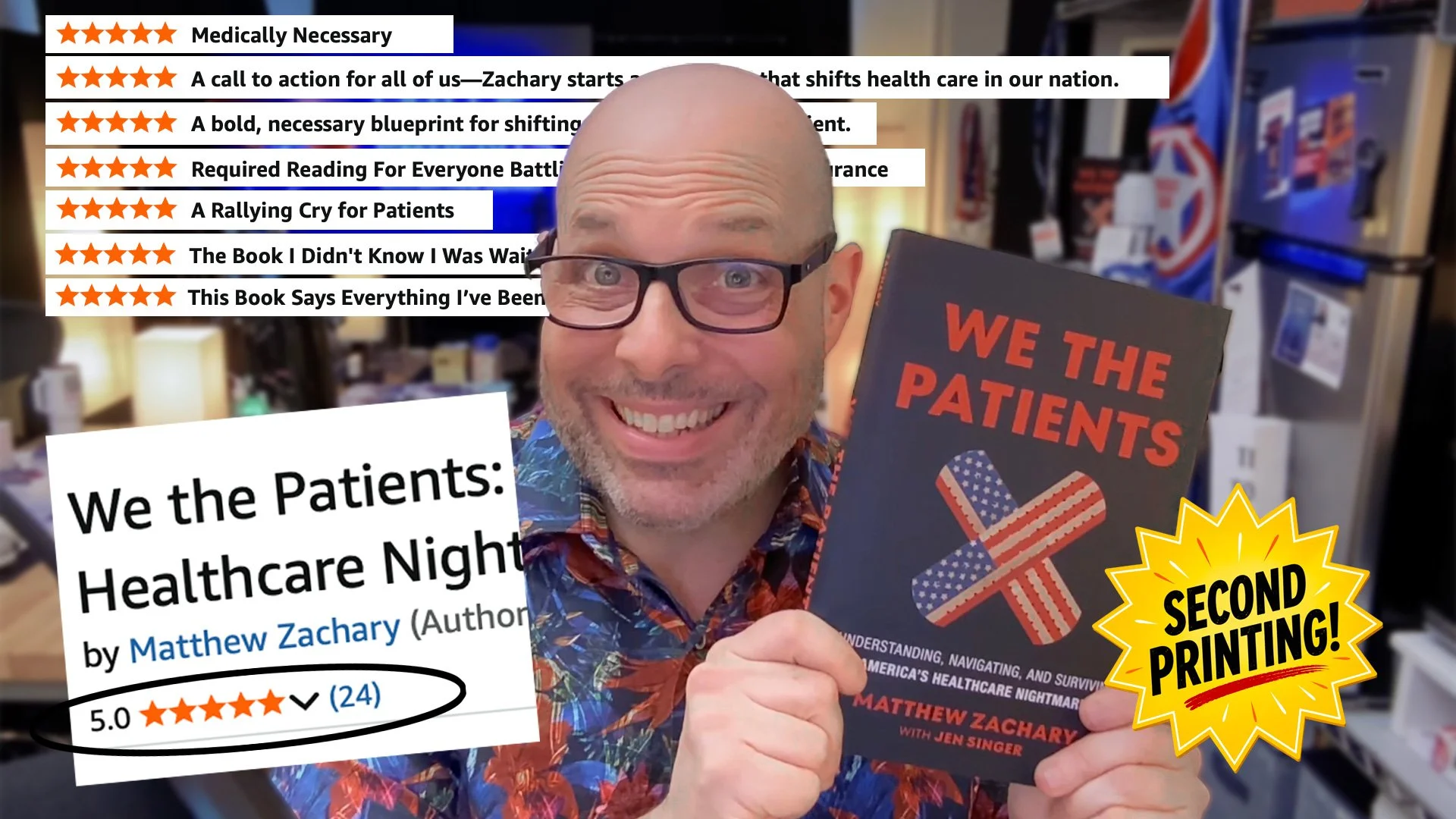
Today My Book Comes Out! It's Already In Its Second Printing. That Never Happens.
We the Patients officially launches today and is already in its second printing before release day. Matthew Zachary shares why readers across healthcare, advocacy, and survivorship circles are responding so strongly to a book that names the realities patients live through every day.
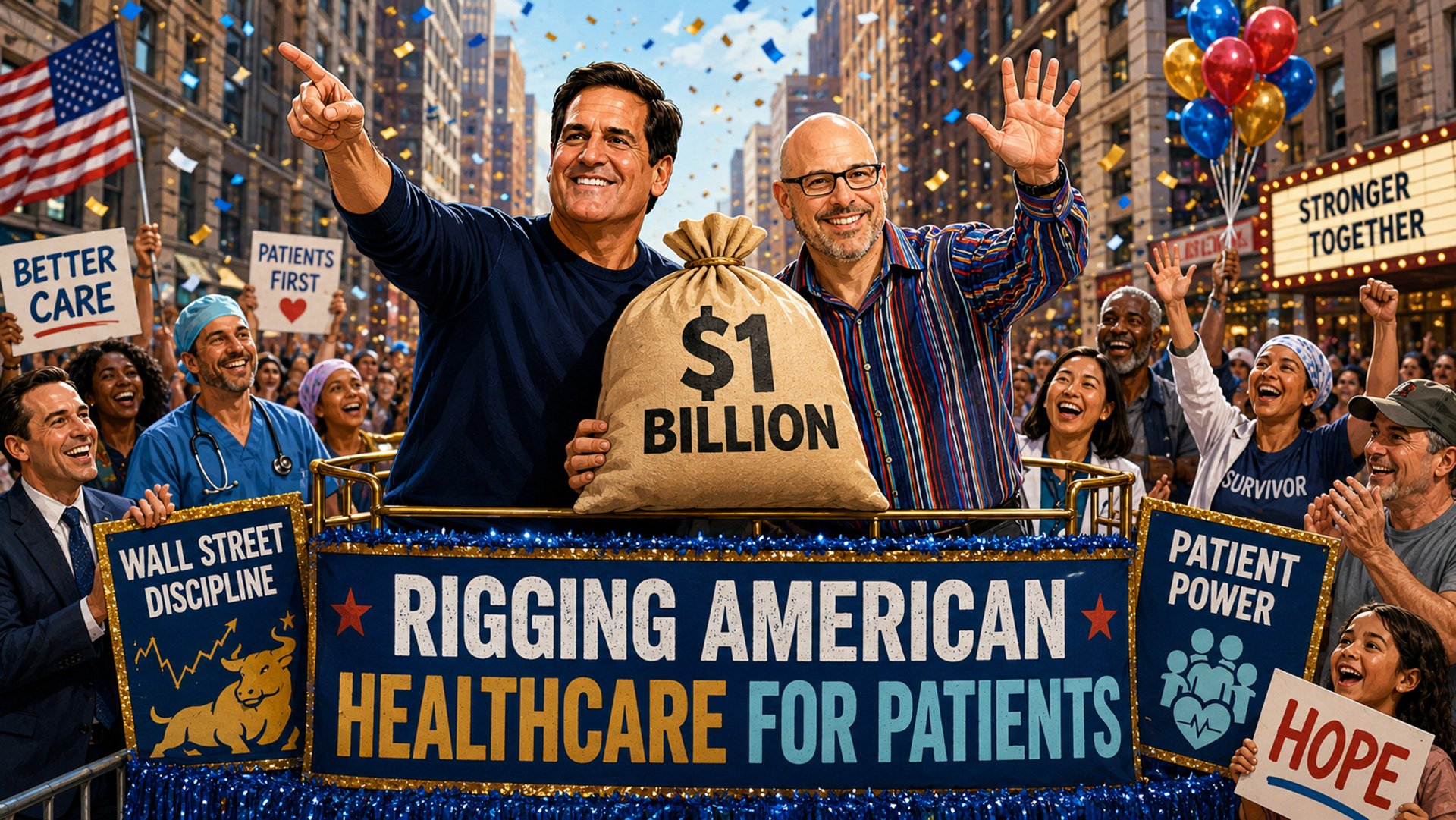
How I’d Spend $1 Billion to Fix Healthcare Alongside Mark Cuban
Mark Cuban attacks healthcare through pricing transparency and market discipline. I would attack it through patient infrastructure, legal protection, accountability, and civic power. Together, those strategies could finally begin realigning the incentives driving American healthcare.
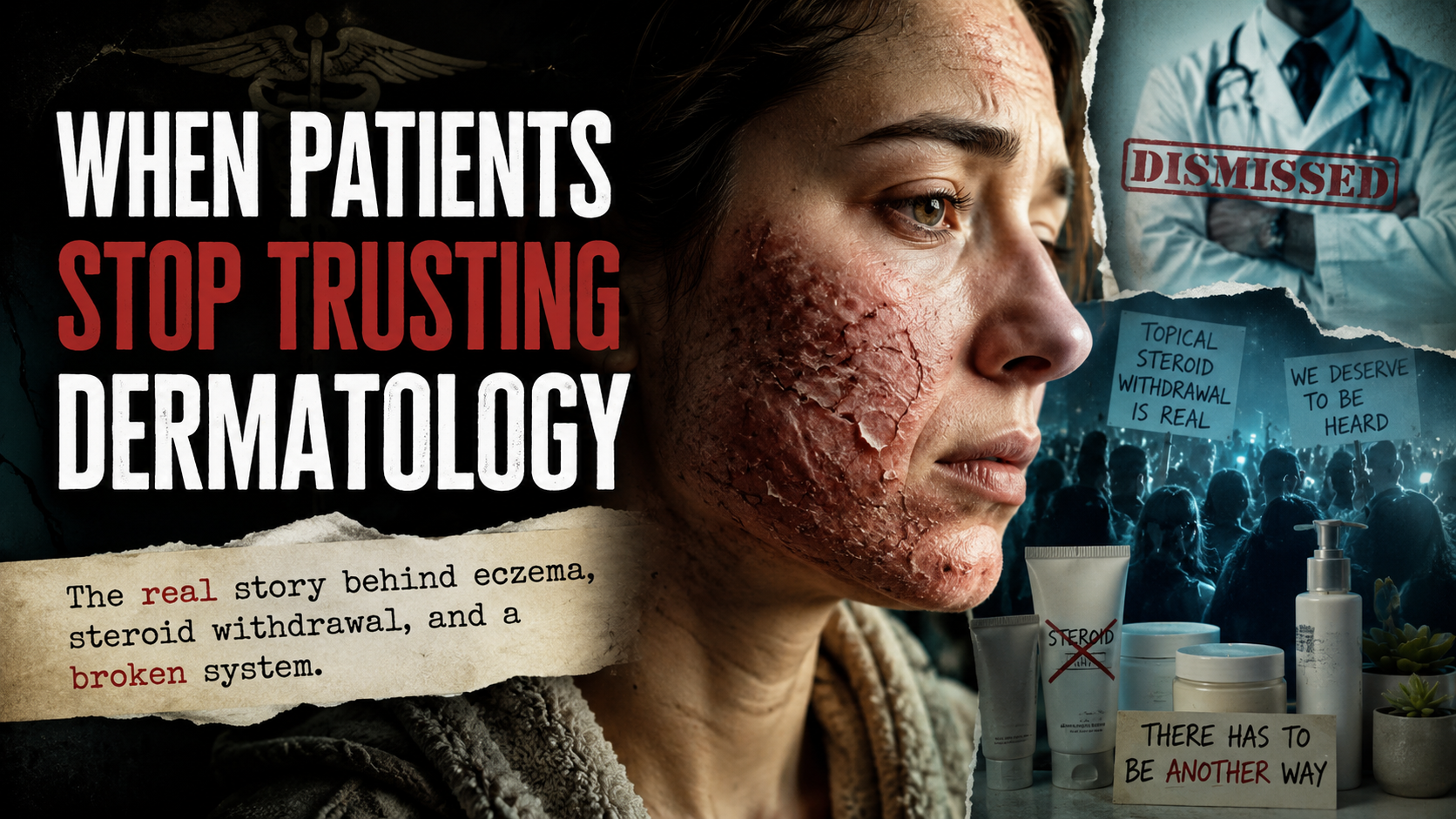
When Patients Stop Trusting Dermatology
Millions of eczema patients increasingly distrust the treatments medicine tells them to rely on. Matthew Zachary examines topical steroid withdrawal, chronic inflammation, patient distrust, and the healthcare incentives driving one of medicine’s fastest growing credibility crises
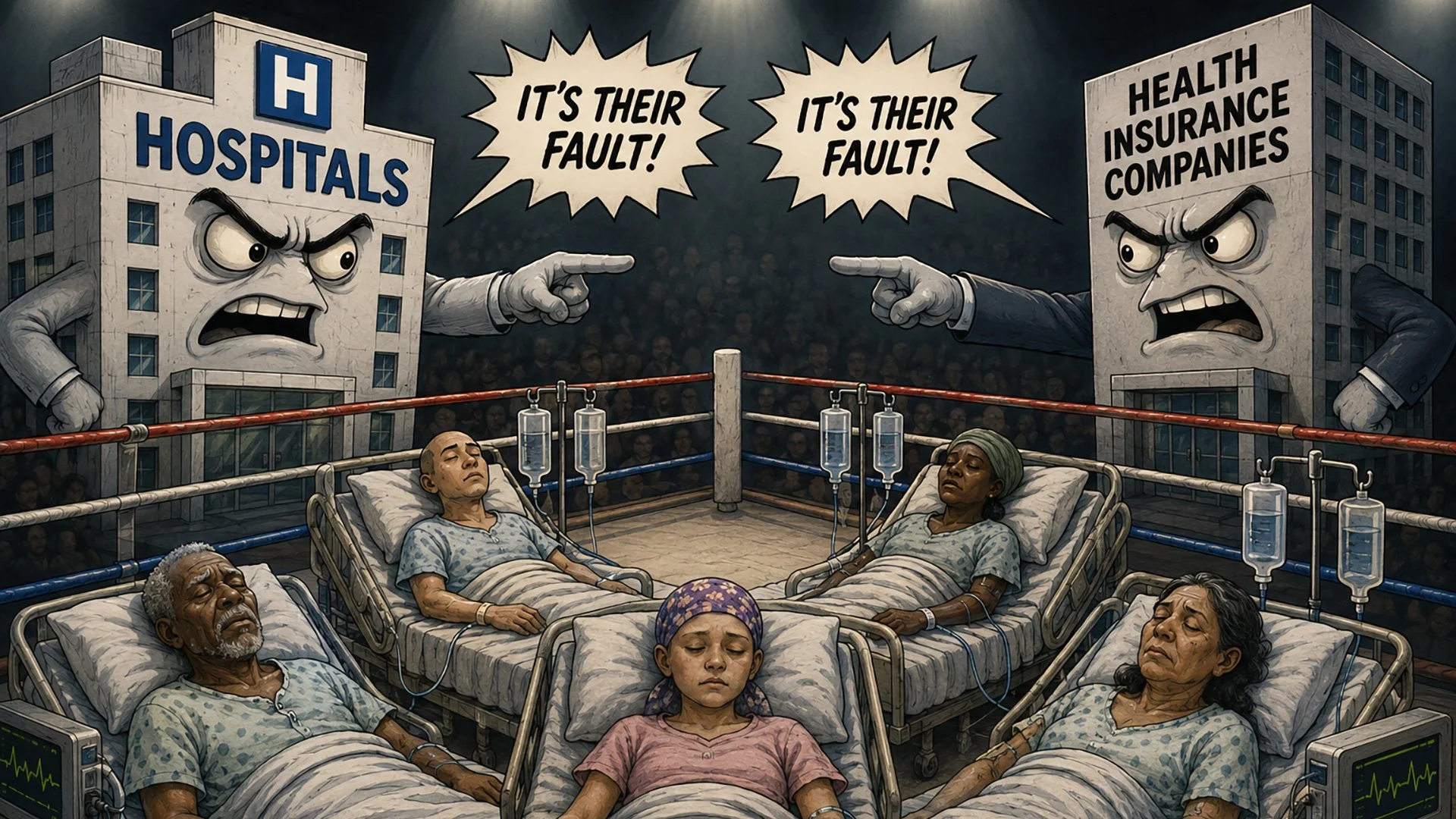
Hospitals and Insurers Keep Blaming Each Other While Patients Finance the Entire System
Hospitals blame insurers. Insurers blame hospitals. Patients finance the entire system through premiums, deductibles, debt, and confusion. Matthew Zachary examines the incentive structures, financial flows, and institutional dependencies that keep American healthcare expensive, opaque, and exhausting.
Conversion Therapy, Consumer Fraud, and the Cost of Institutional Authority
Conversion therapy persists under new names and softer language. Evidence rejects its claims, yet institutions continue to profit from hope and shame. This essay examines consumer fraud law, religious authority, and the healthcare system’s role in protecting vulnerable patients.

The National Health Council Is Hosting A Conference On AI And Patient Advocacy. There Are Zero Patients On The Panel.
A conference on patient advocacy with zero patients on the panel says everything. The industry keeps explaining itself while excluding the people who live the consequences. Here is what that looks like and why it keeps happening.
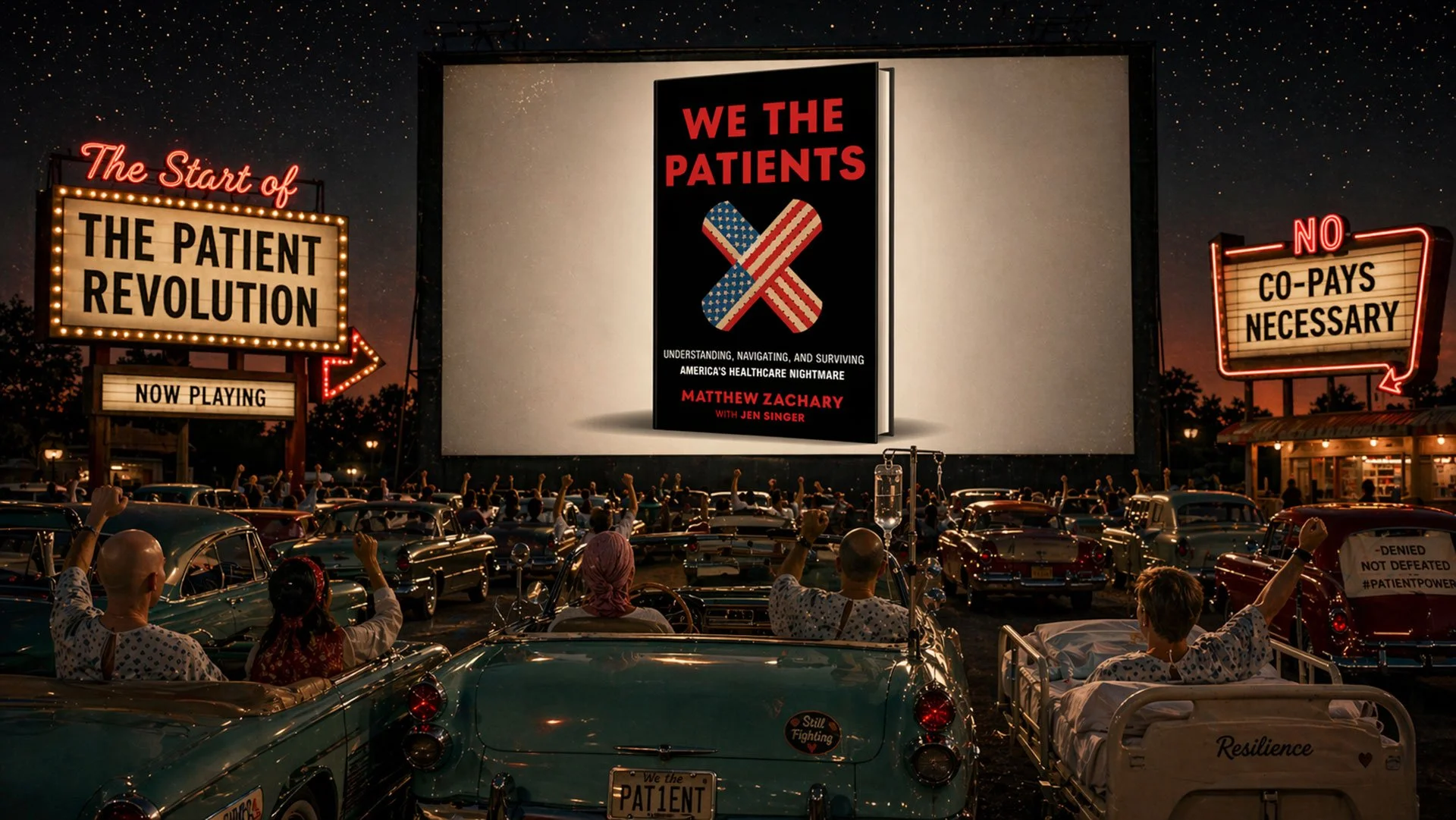
It's A Bird. It's A Plane. It's A Book Trailer! 🙀
After 30 years inside the healthcare system, Matthew Zachary watches his story and thousands of others come to life in a cinematic trailer for We the Patients and explains why this project now reaches far beyond a book.
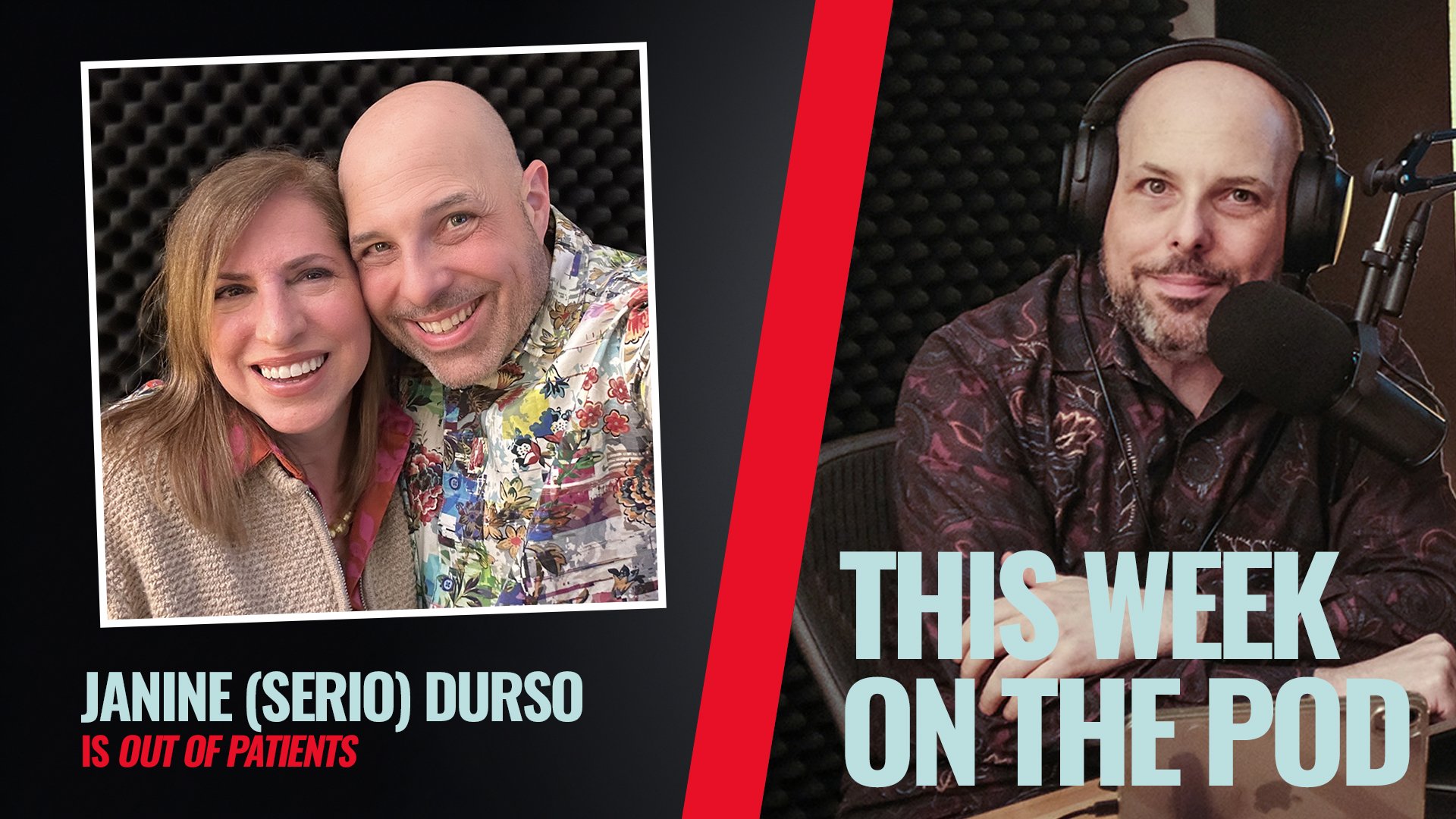
Out of Patients EP440:Not Today, Jesus: Janine Durso
A ruptured brain aneurysm triggered elite emergency care that saved a life. Insurance policy still blocks preventive screening for her child. This piece explains how US healthcare pays for catastrophe and delays detection, and what must change before the next bleed.
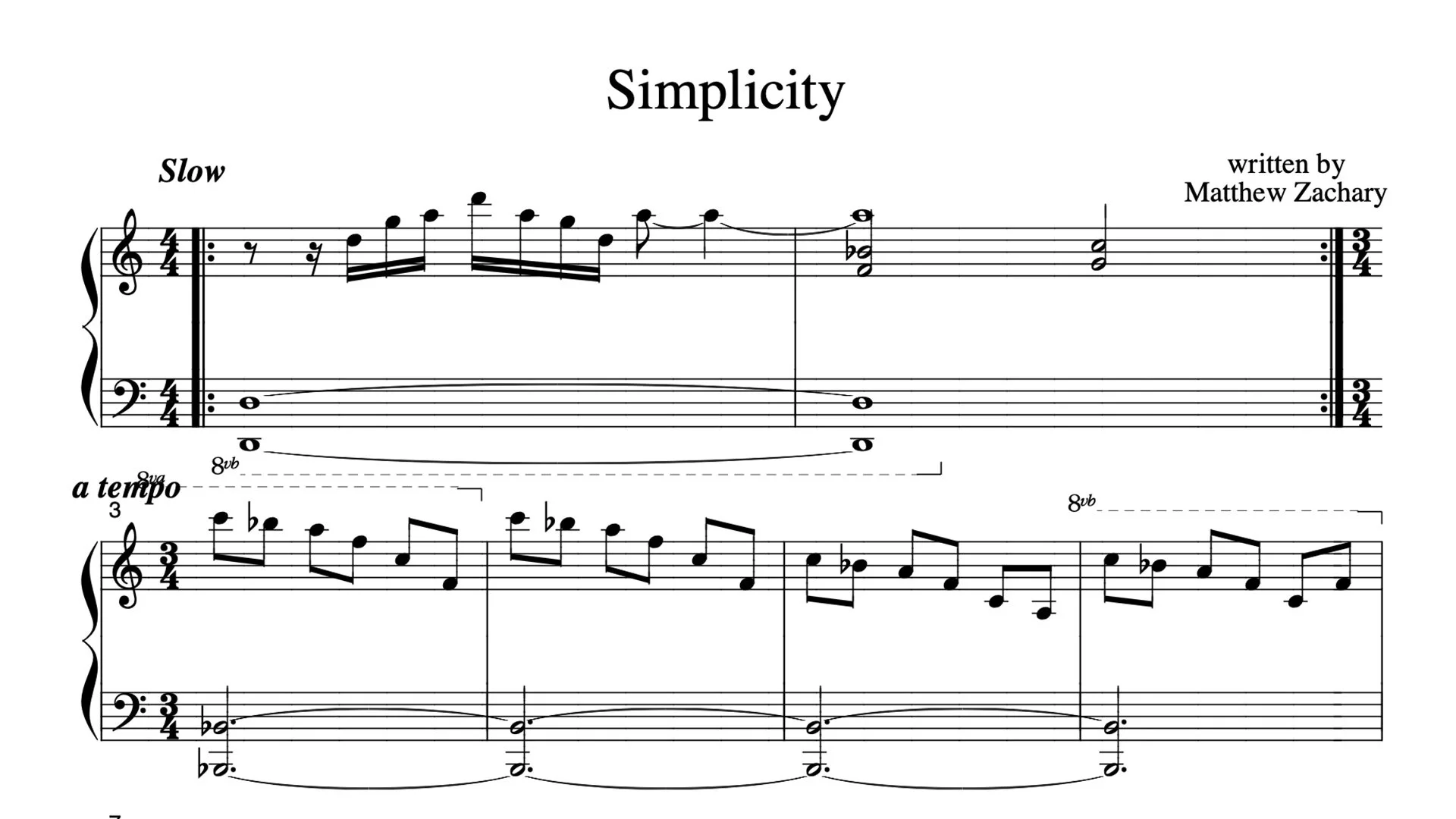
Simplicity: The First Song I Wrote After Brain Cancer Tried to Take Everything From Me
In January 1996, I lay in a hospital bed with a brain tumor, no piano, and no idea if I would survive. A simple melody came to me. When I got home, my left hand had forgotten how to play. So I wrote Simplicity with just my right hand. 30 years later, I'm performing it live for the first time.
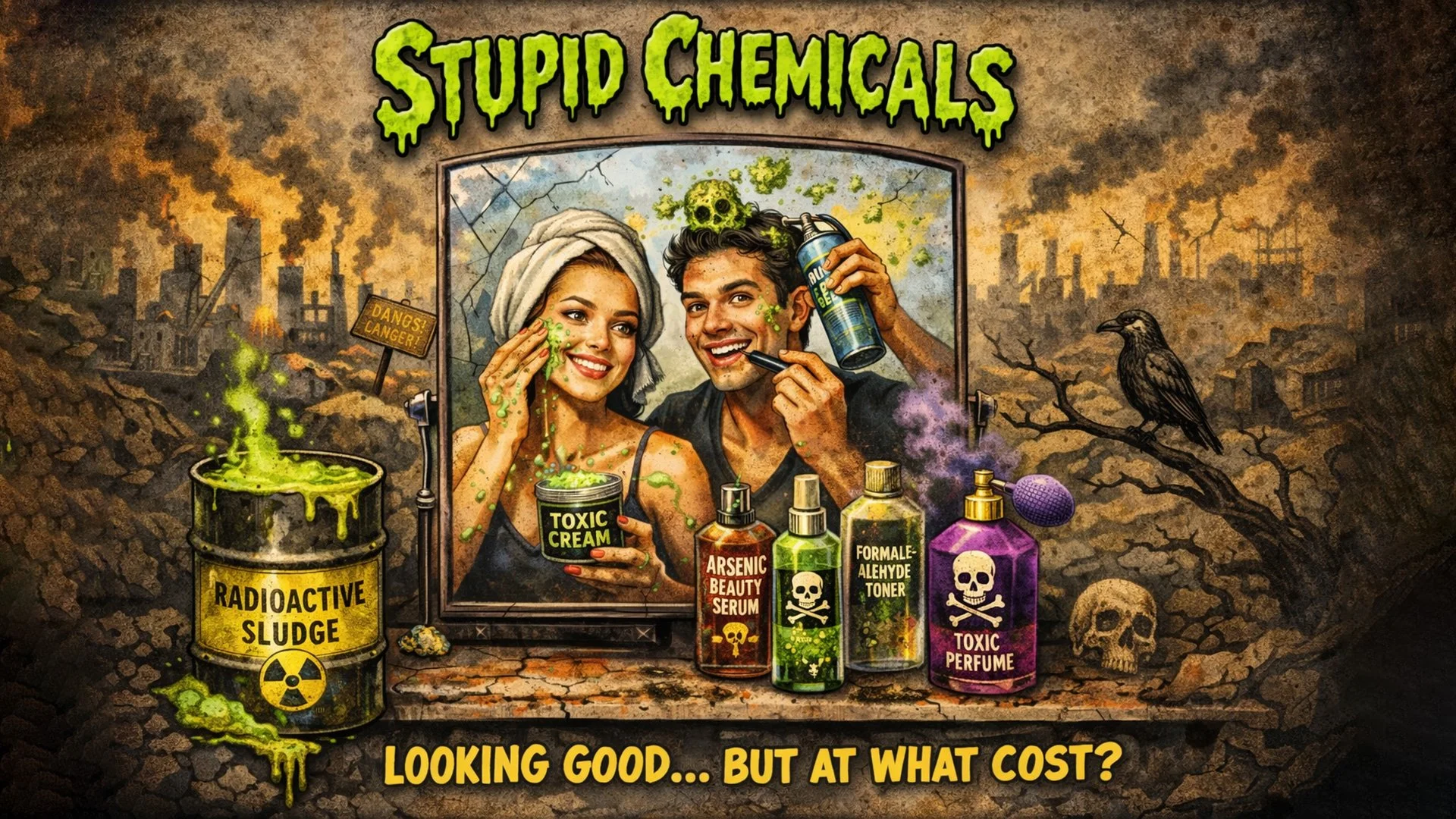
The Chemical Safety Gap: How Incentives Still Outpace Protection
For 20 years, chemical reform promised protection. The system still allows widespread exposure while shifting risk to patients. This analysis explains how incentives, not science, determine what ends up in the products people use every day.

23,000 LinkedIn Followers and the Reality of US Healthcare
23,000 people follow me on LinkedIn. They are patients, caregivers, and clinicians dealing with insurance denials, medical debt, and delays in care. Here is what they are seeing every day and why it reflects a much larger problem across US healthcare.
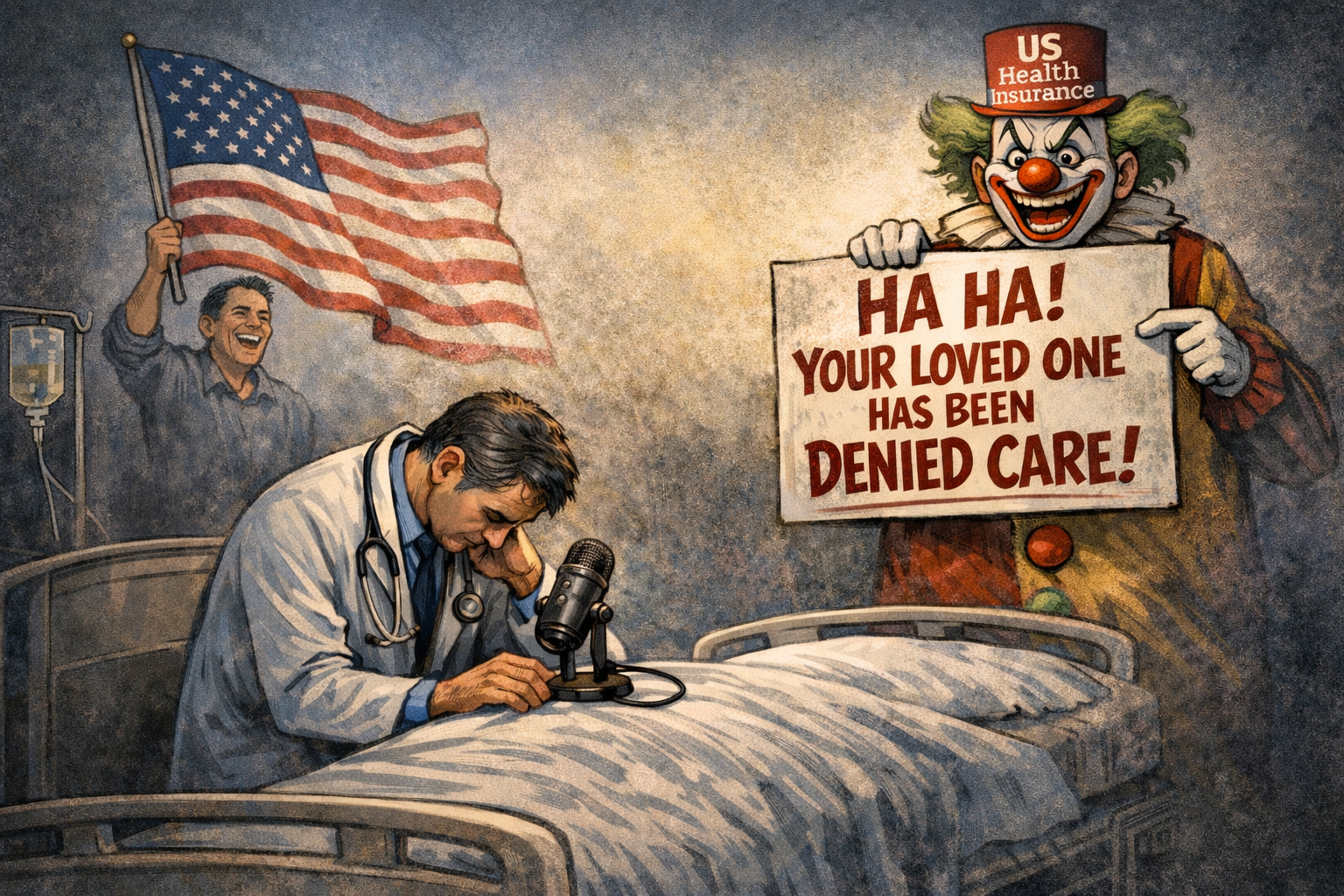
An ICU Doctor Checked His Insurance Portal Every Day While His Daughter Was Dying Of Cancer. He Was Terrified They Would Kick Her Off.
Dr. Hesham Hassaballa is board certified four times over with 20 years in the ICU. When his daughter was getting chemo, he checked his insurance portal daily, terrified they would drop her. A physician. In the system. Earning a good living. Still terrified of financial ruin because his child got sick.
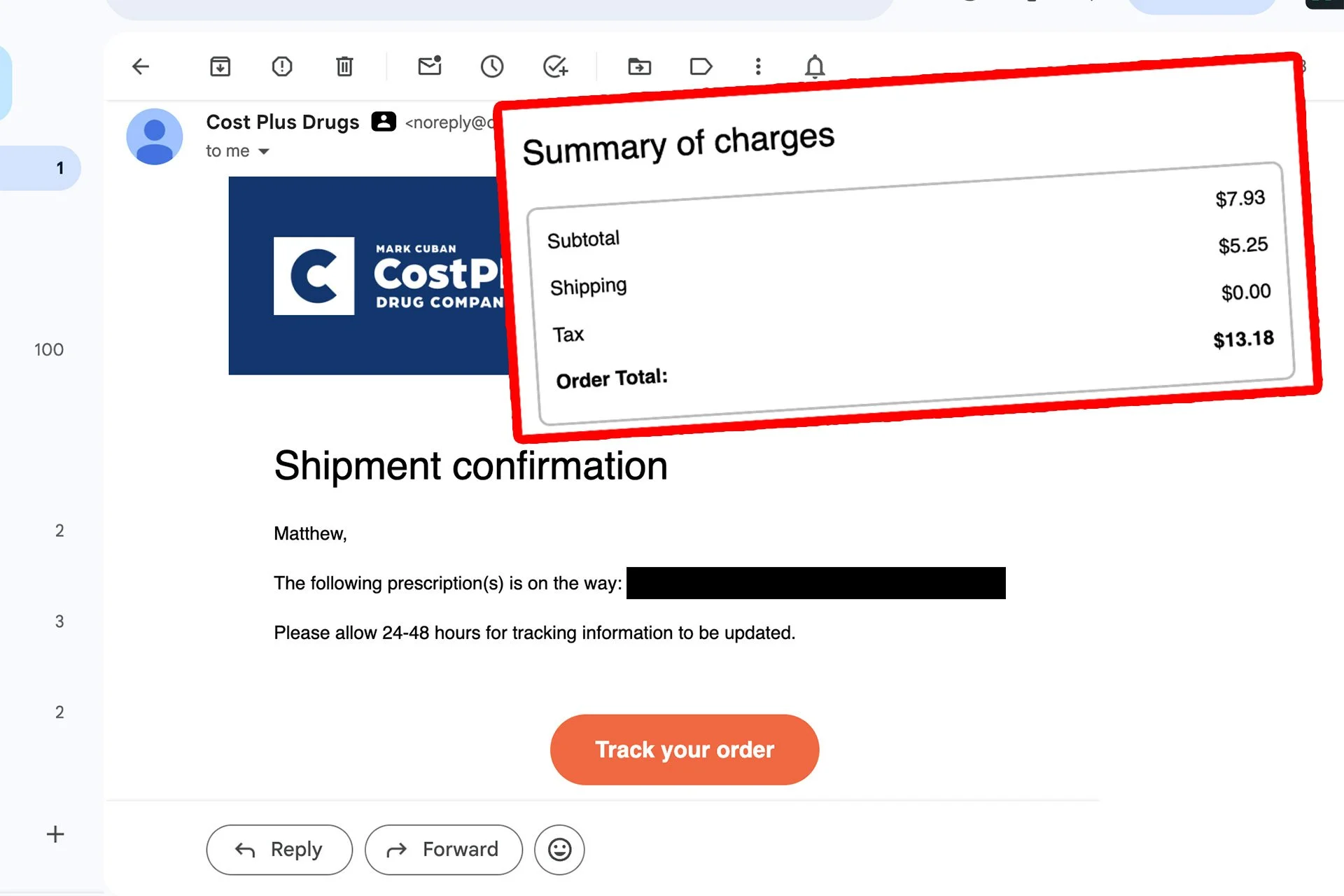
Cost Plus vs Walgreens: My 90 Day Prescription Cost Less Without Insurance
I paid $13.18 for a 90 day prescription through Cost Plus. Walgreens charged $30 with insurance. Same drug. Same supply. This is what PBMs do to pricing and why transparency exposes the middlemen.
Prior Authorization Works Exactly as Designed and That Is the Problem
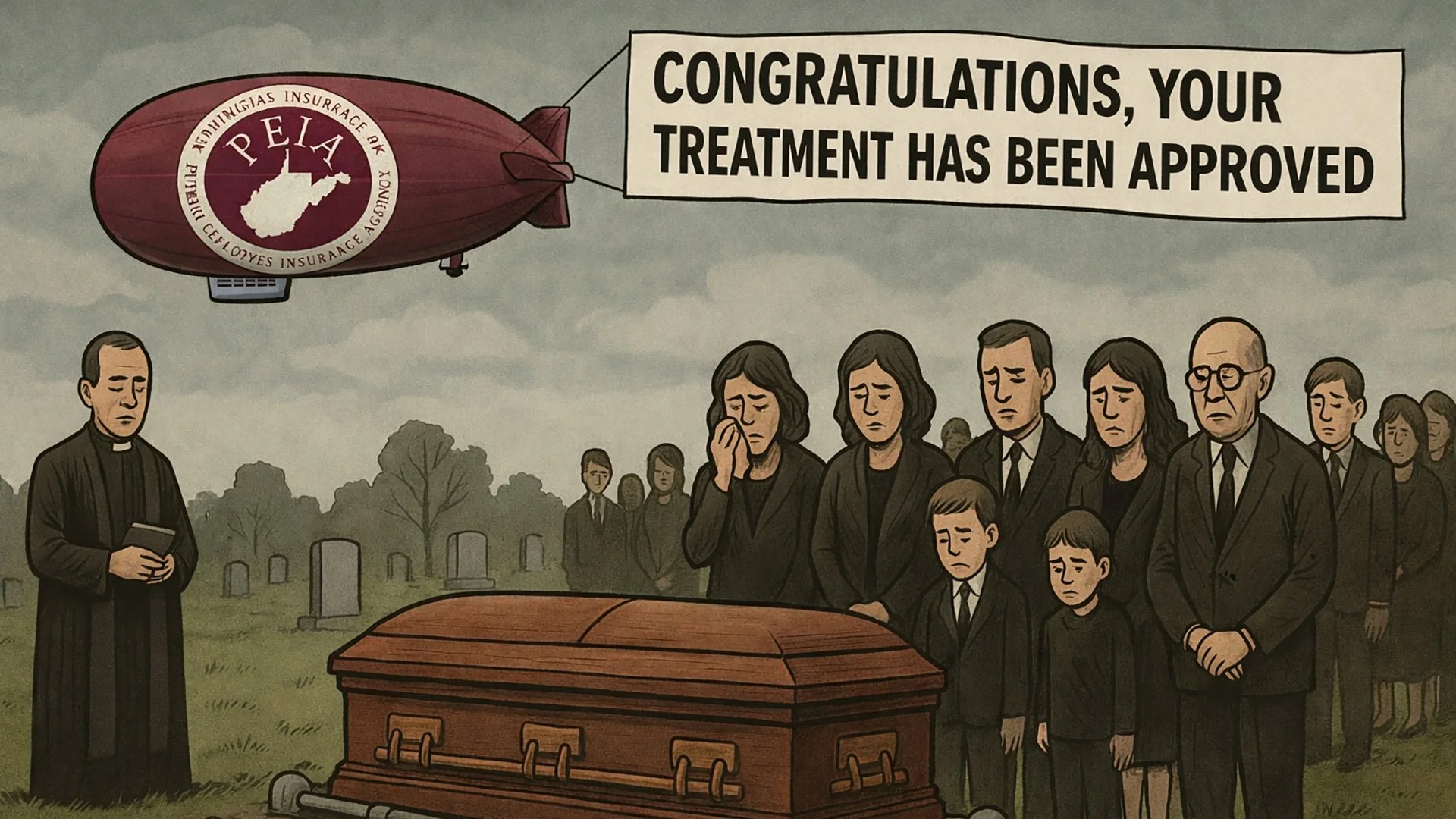
Prior authorization persists because it works for the system that created it. This essay explains how cost control, risk management, and delay shape patient outcomes, why reform keeps falling short, and what must change to align financial incentives with timely care.
What Happens If More Patients Appeal Insurance Denials?
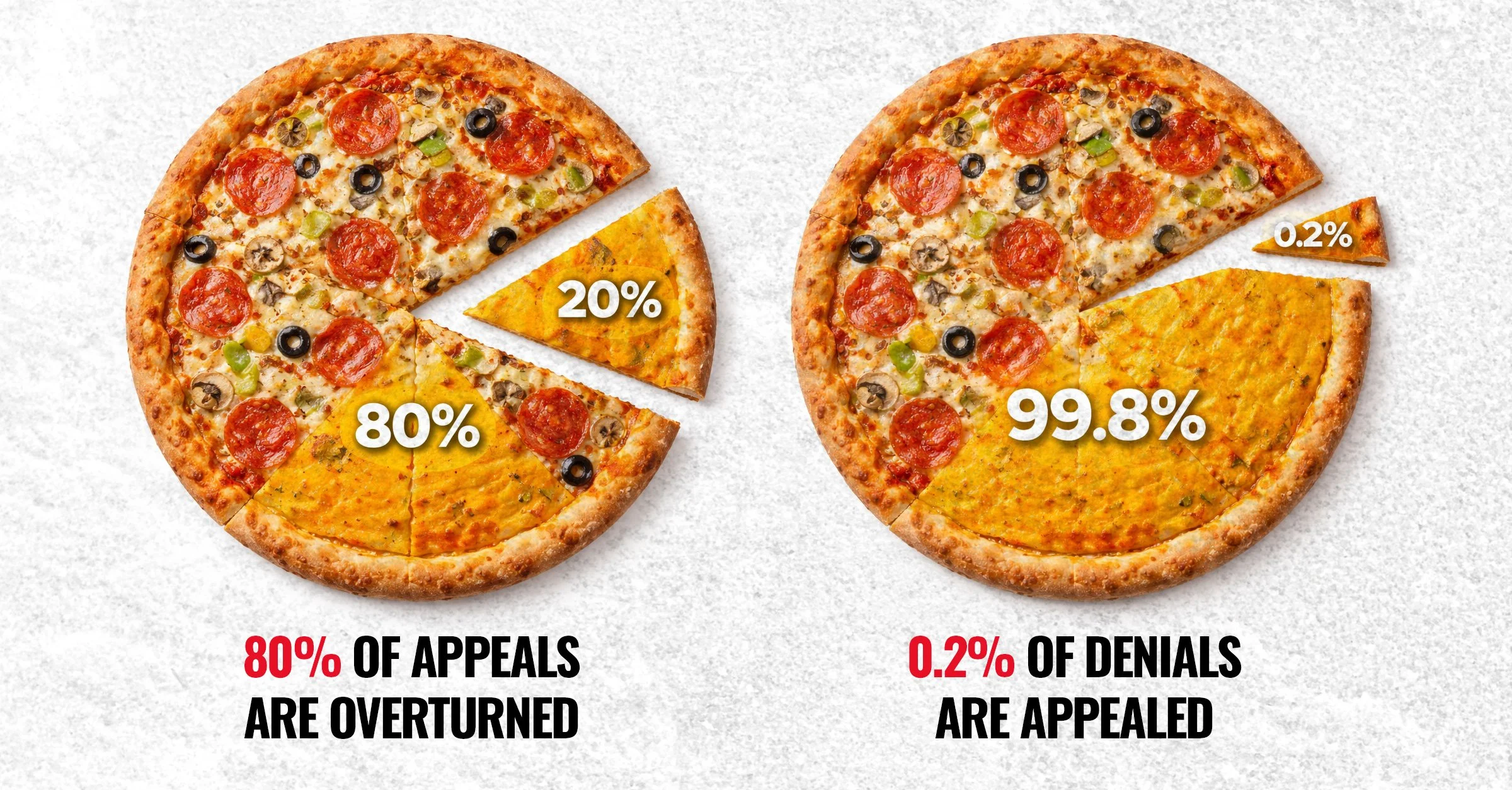
Only 0.2% of patients appeal insurance denials, yet 80% succeed. This article examines how even small increases in appeals could shift insurer behavior, raise costs, influence Wall Street expectations, and reshape the economics of American healthcare.

Why American Healthcare Delays Care and Denies Treatment
American healthcare delays care and denies treatment by design. Insurance rules, prior authorization, and administrative barriers control access to care, often slowing or blocking what doctors recommend and patients need.
American Harmcare: The System Working Exactly As Designed
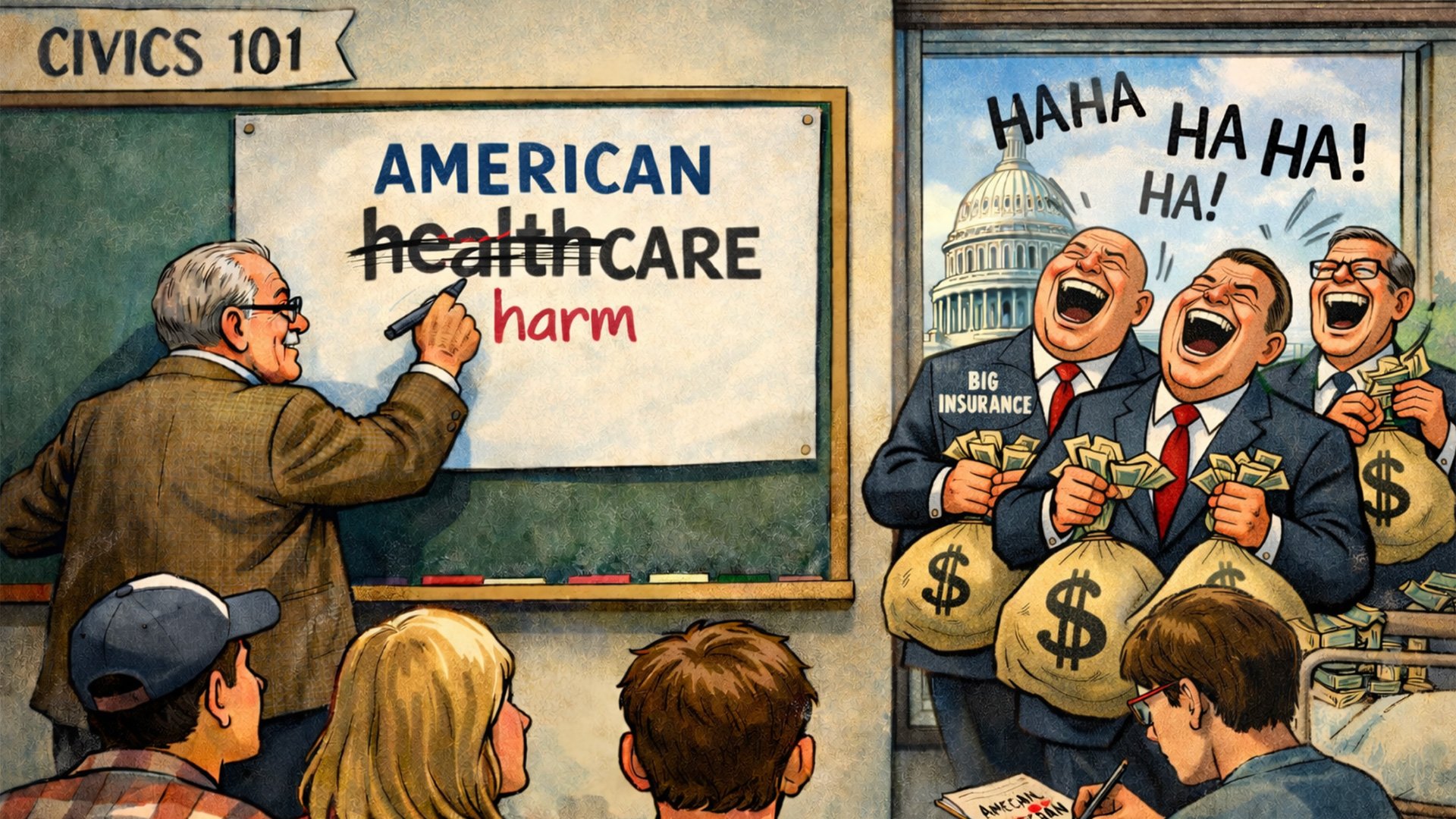
A 30 year brain cancer survivor breaks down how insurance delays, denials, and red tape harm patients by design. This is not dysfunction. This is the business model.
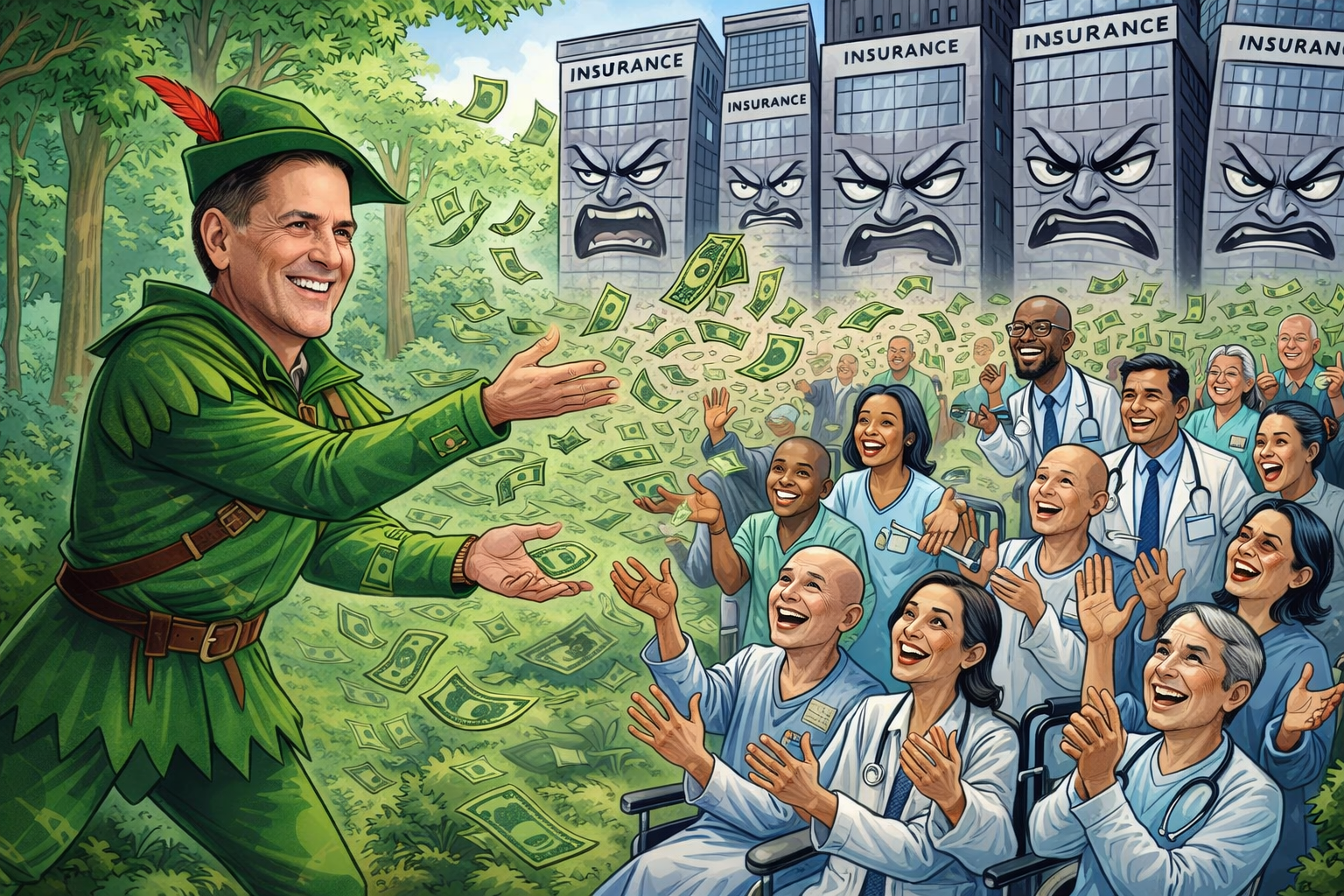
This Week In Cuban: Our Patron Saint Is Still Doing The Lord’s Work.
Mark Cuban is stepping in where insurers fail, funding care and challenging the system. But real change will not come from policy alone. A unified patient voting bloc could reshape healthcare power in America.